
Cookware · Hearths
Budare
A flat clay or iron disk: the Colombian hearth where maize becomes an arepa instead of a tortilla.
The journey
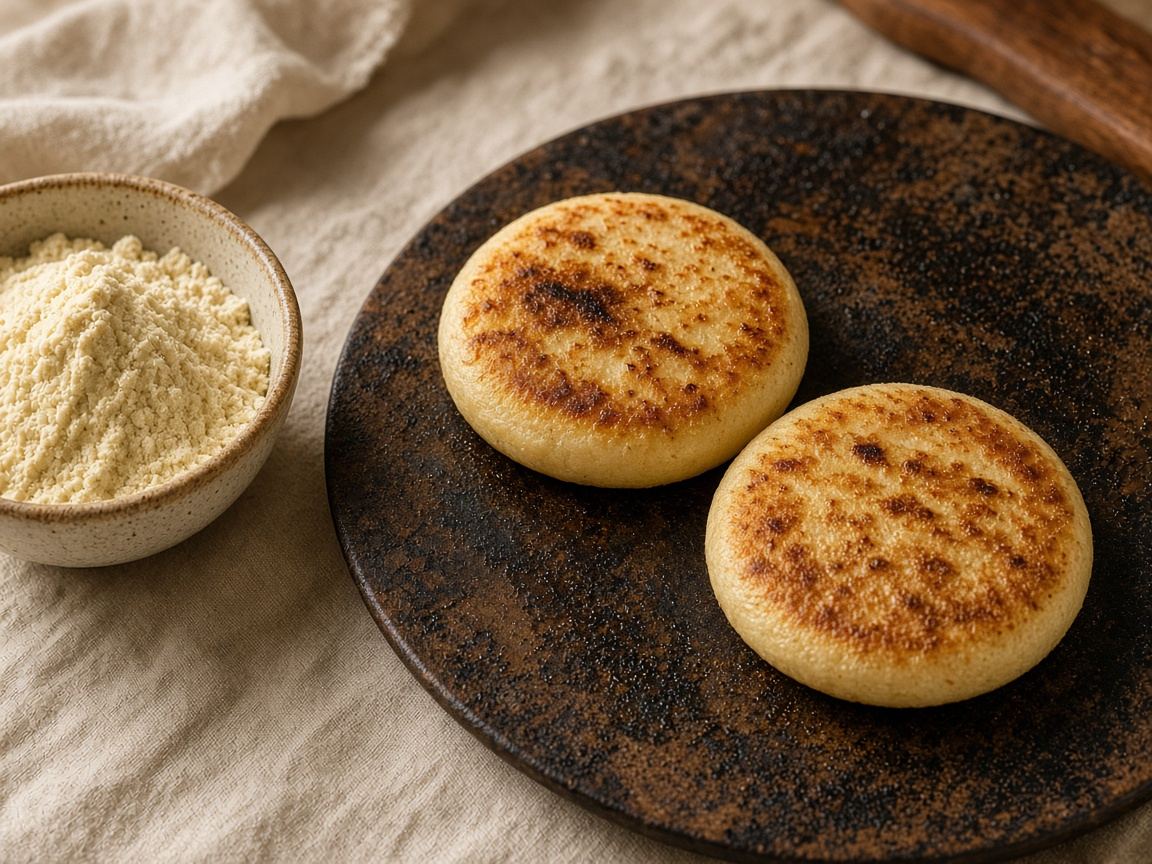
Budare is the northern cousin of the comal. On the Andes and the Caribbean rim, cooks baked maize on a flat clay plate long before a skillet sat on a stove. The dough is different — soaked, ground, sometimes precooked — but the gesture is the same: a dry, even heat that turns a ball of masa into bread you can split and fill.
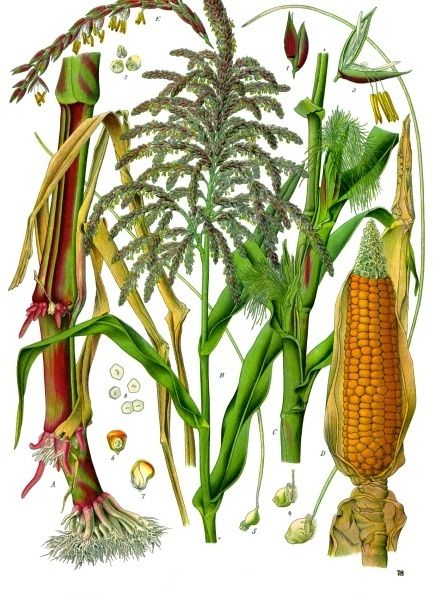
Maize is why the disk exists. Botanical plates of Zea mays were still teaching Europe the plant while Colombian and Venezuelan kitchens were already arguing which town made the honest arepa. The vessel is older than the argument.
In the kitchen
Heat the budare until a drop of water dances. No oil for a lean arepa — the masa should kiss dry iron and spot. Flip once. Keep finished rounds wrapped so they steam and stay tender. The same surface toasts coffee or warms a leftover arepa so it bends.
The Colombian volume assumes this bread more than it names the pan. A cast-iron skillet is the honest substitute. A thin nonstick disk will not give you the same toast.