
Cookware · Hearths
Molcajete
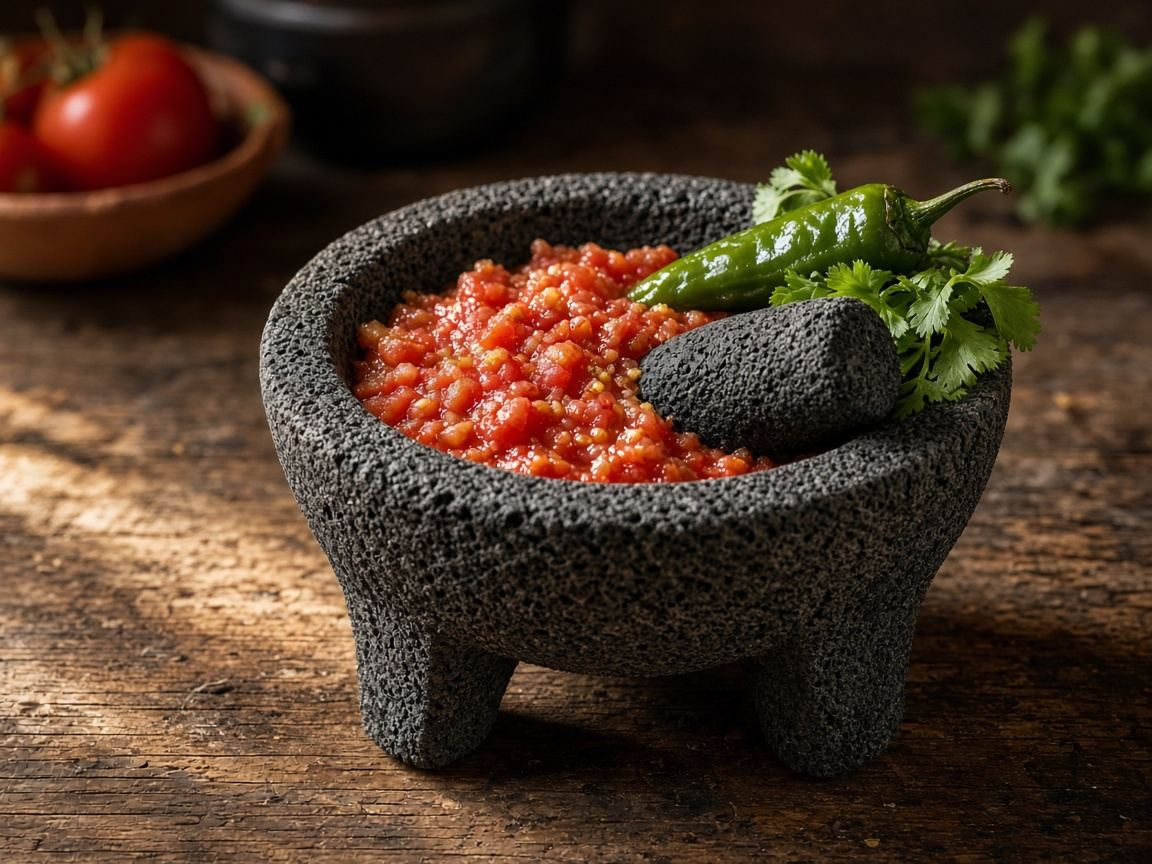
A bowl of volcanic stone and its pestle: salsa that still tastes of the rock it was born in.
The journey
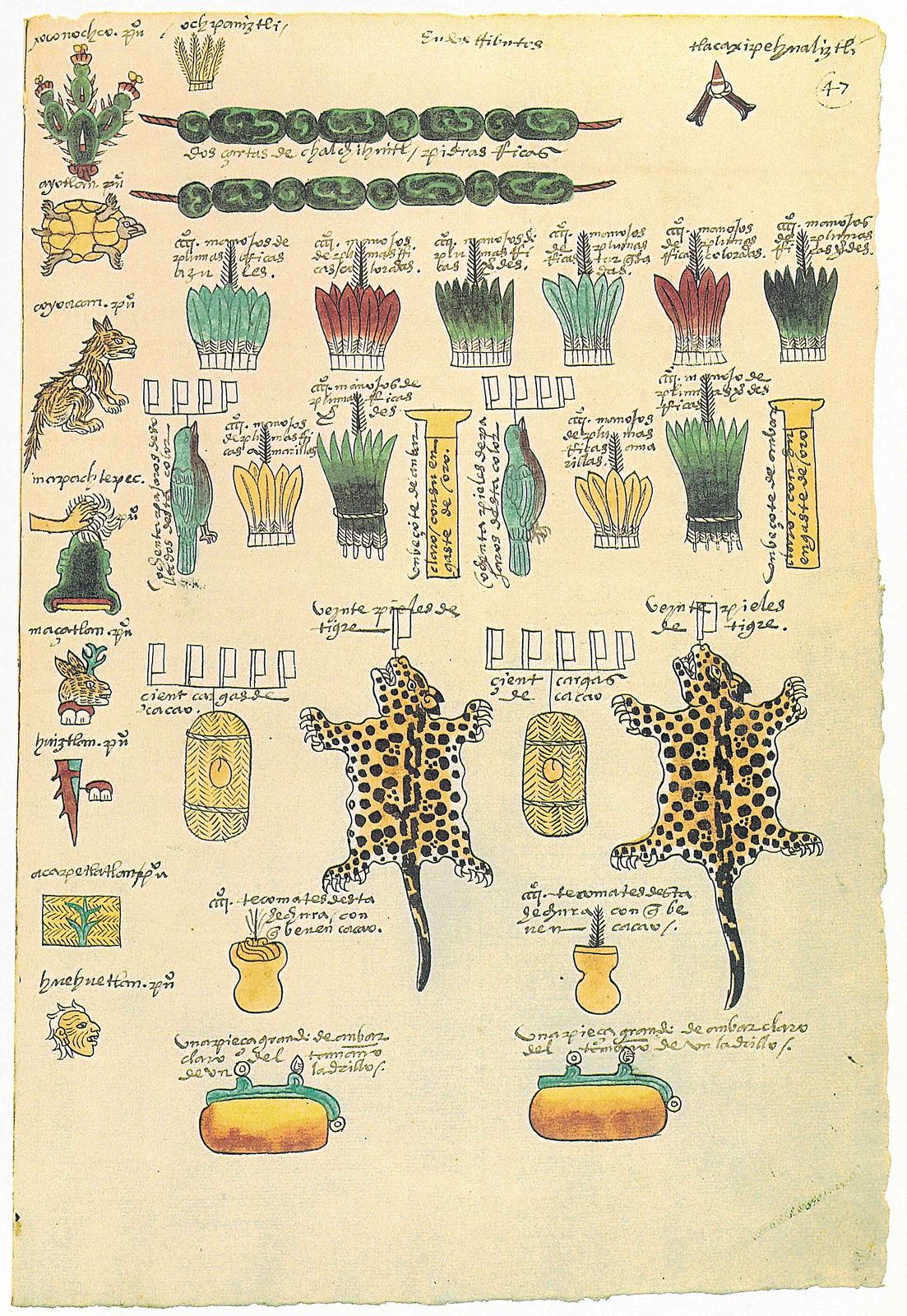
The molcajete is not a rustic garnish. It is a technology older than metal blades in the Mexican kitchen: a three-legged mortar carved from vesicular basalt, and a tejolote to crush, not slice. Pictorial manuscripts of the early colony still show the stone bowl among the tools of the house. What a blender purees, a molcajete bruises — and the difference is a salsa that holds oil, chile, and tomato as separate voices.
Markets still sell new stones that shed grit. Cooks season them with rice and salt until the bowl is quiet. A well-used molcajete darkens and never quite washes clean. That memory is the seasoning.
In the kitchen
Start with garlic and salt, then chile, then tomato or tomatillo. Work in circles. Stop before it becomes baby food. Serve guacamole or salsa in the same bowl so the last heat of the stone keeps it warm. Do not put a molcajete in the dishwasher. Rinse, dry, and let it live on the counter.
The Mexican book reaches for this texture constantly: table salsas, guacamole, the paste that starts a mole. A marble mortar can stand in. It will not give you the same mineral dust that Mexicans argue is the point.