
Cookware · Hearths
Paella pan
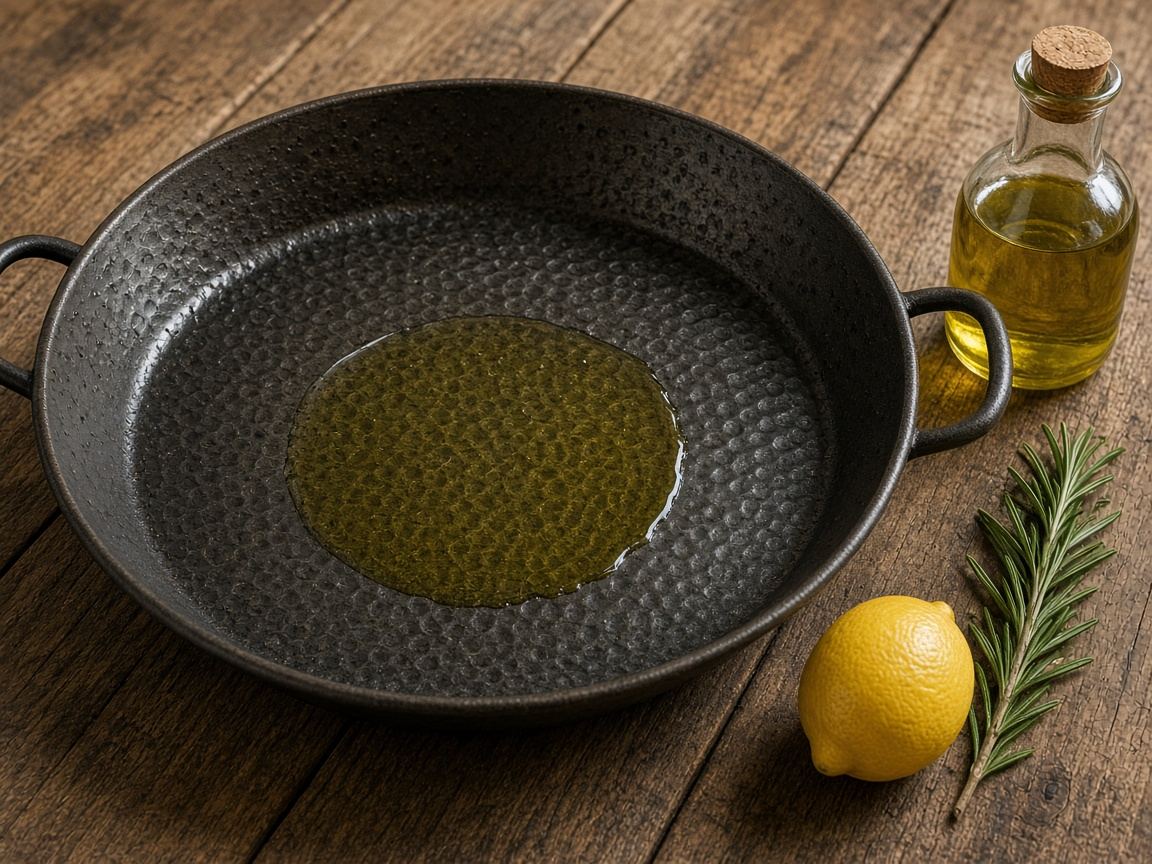
A wide, shallow steel disk: rice in a thin layer, socarrat at the bottom, and enough handle for two people to carry lunch to the table.
The journey
Paella is a pan that became a dish. In the wetlands around Valencia, farm and feast cooks used a wide, dimpled steel vessel over a wood fire so rice cooked in a single short layer. The name comes from the Old French paelle, a frying pan, itself from Latin patella. What made it Spanish was not the metal. It was bomba or senia rice, saffron, rabbit or seafood, and the rule that you do not stir once the broth is in.
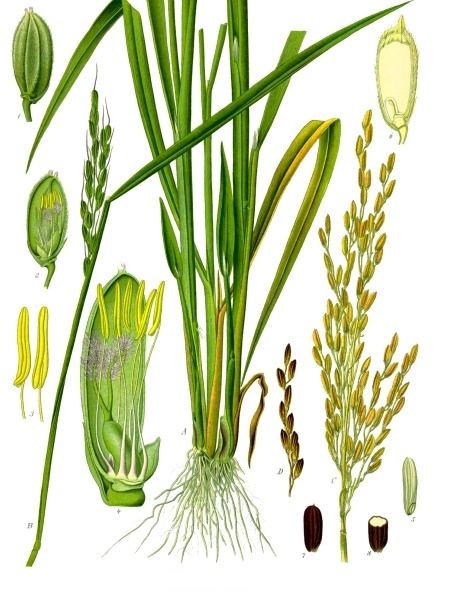
Nineteenth-century botanists were still busy drawing Oryza sativa while Valencian families were already arguing about who was allowed to put chorizo in the pan. The vessel spread with the word. A skillet that is too deep makes soup. A paellera that is too small makes a pile.
In the kitchen
Choose a pan wide enough that the rice sits no deeper than a finger. Heat olive oil, brown the meat or sofrito, add rice, then the hot broth. Shake once. Do not stir. Listen for the crackle that means socarrat — the toasted bottom — and pull it before it burns. Rest it off the fire, then carry the whole pan to the table.
The Spanish volume treats paella as a Sunday, not a side. A wide steel skillet can fake the geometry. It cannot fake the theater of setting the pan in the middle of the table.