
Cookware · Hearths
Dutch pot
A heavy, tight-lidded pot: rice and peas, brown stew, and the weekday that tastes like a whole island.
The journey
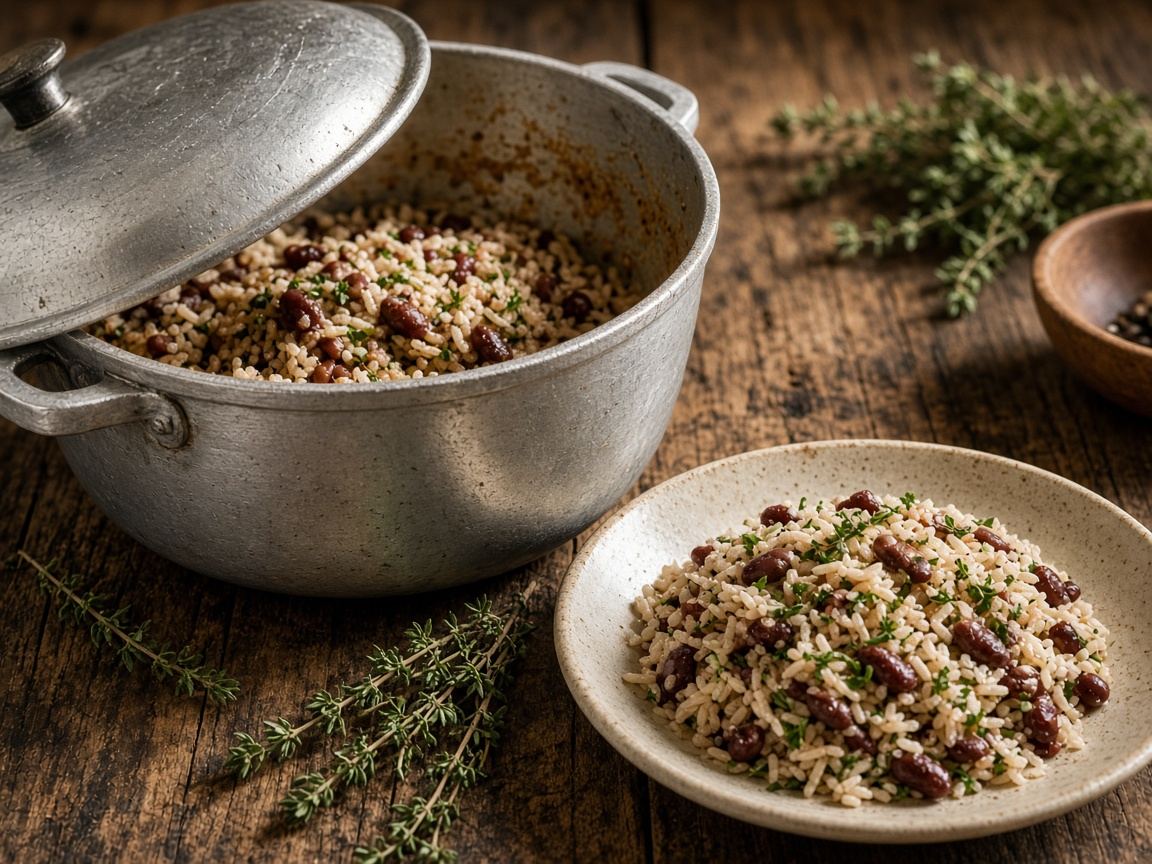
The dutch pot is the Caribbean hearth that traveled in iron. Enslaved and free cooks used a heavy, lidded pot — sometimes set in a coal pot, sometimes on a coal stove — to stretch a little meat, a lot of seasoning, and rice that had to feed everyone. The lid is the point. Steam stays. The bottom can catch a prized crust.
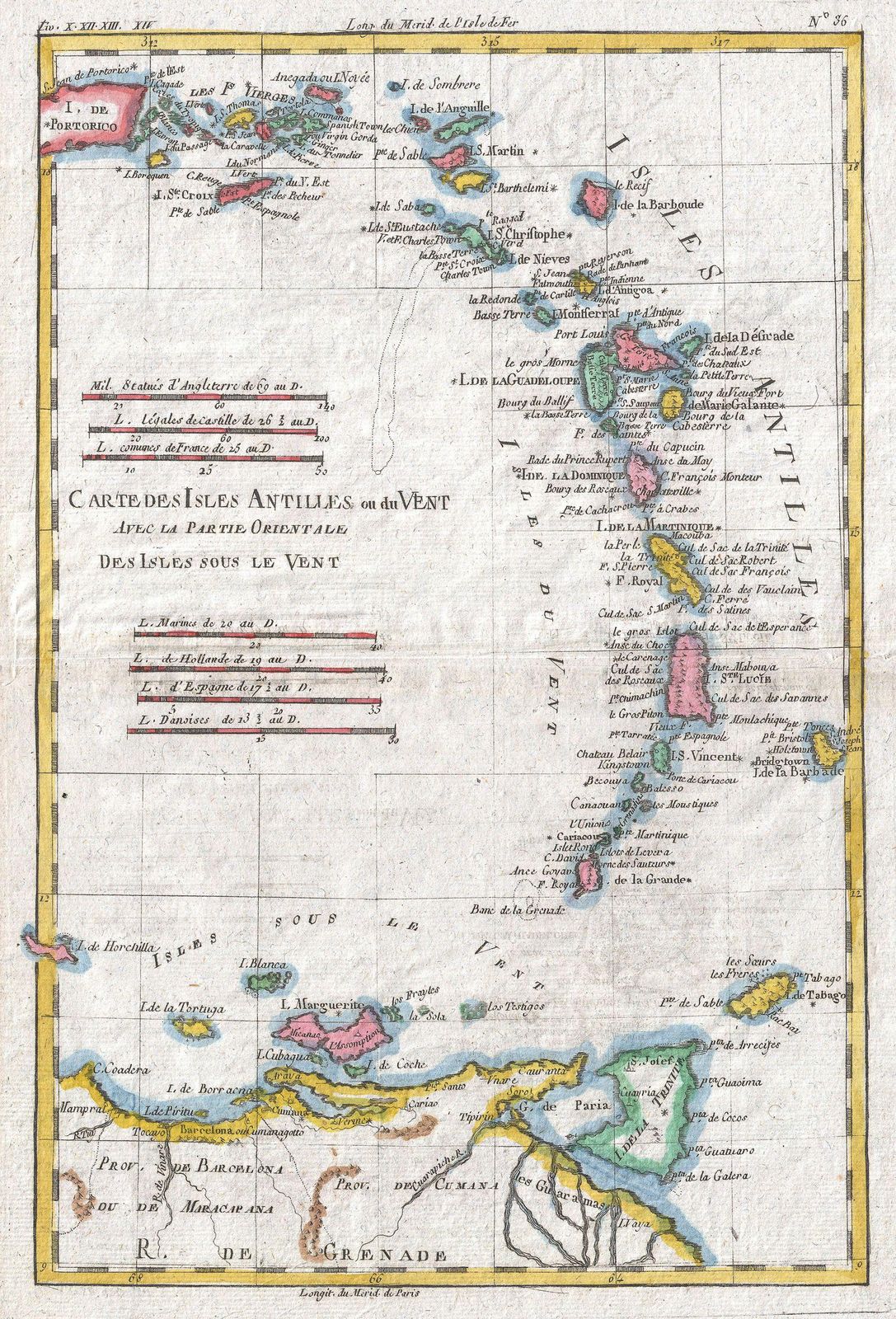
Maps of the West Indies were drawn for sugar and harbors. The pot was drawn in kitchens: a sunday rice, a stew chicken, a pelau that tastes of burnt sugar and thyme. The vessel is how those islands kept a cuisine through every renaming of the map.
In the kitchen
Burn sugar to a mahogany if the dish asks for it, then the meat, then the liquid, then the lid. Do not stir rice once it is on the way. Listen for the hiss that means the bottom is drying. Rest it off the heat so the steam finishes the grain.
Caribbean pages in the series treat this pot as assumed furniture. A heavy Dutch oven is the honest cousin. A thin saucepan makes soup when you wanted pelau.