
Cookware · Hearths
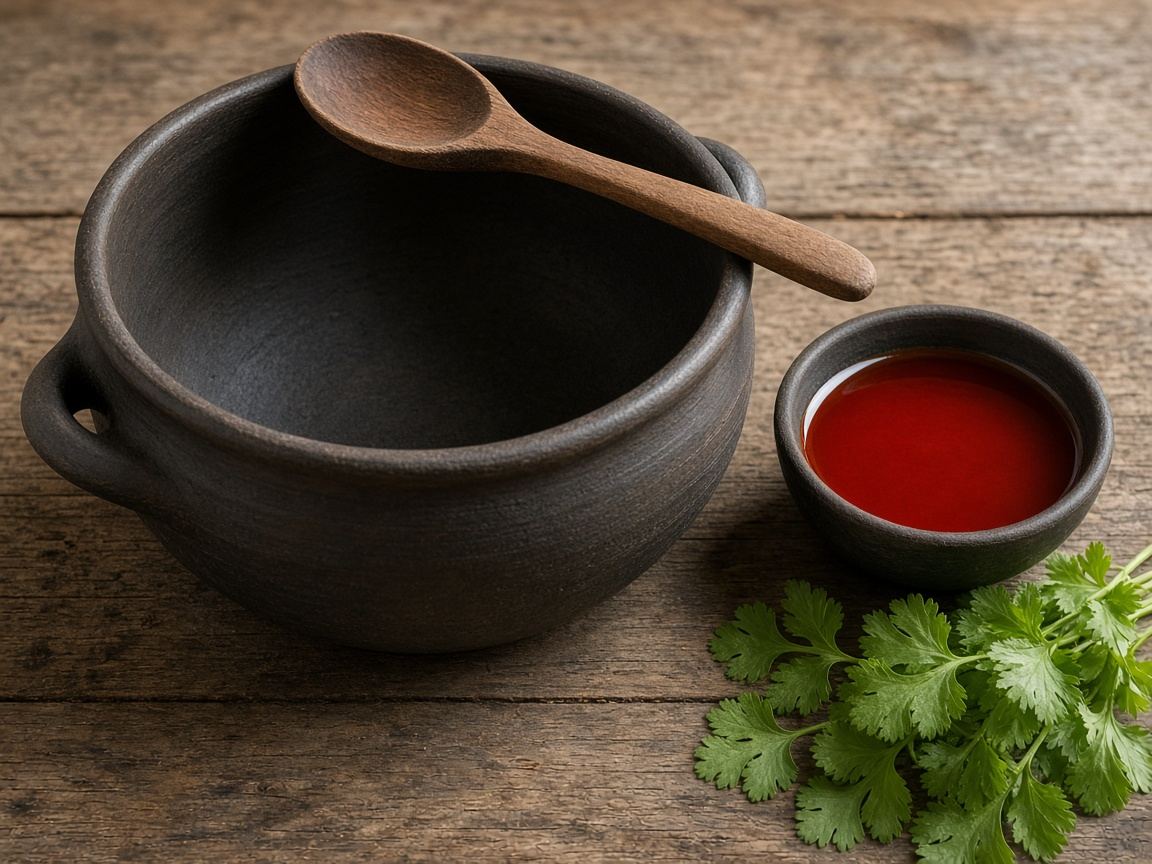
Panela de barro
An unglazed clay pot: moqueca that tastes of the coast, dendê, and the vessel that refuses to be hurried.
The journey
Brazilian cooking has many hearths — the churrasco grate, the caldeirão for feijoada — but the panela de barro is the one that still tastes of earth. In Espírito Santo the unglazed pot is seasoned until it darkens, then used for a fish stew that would be a different dish in metal. The clay sweetens the sauce and holds a gentle simmer.
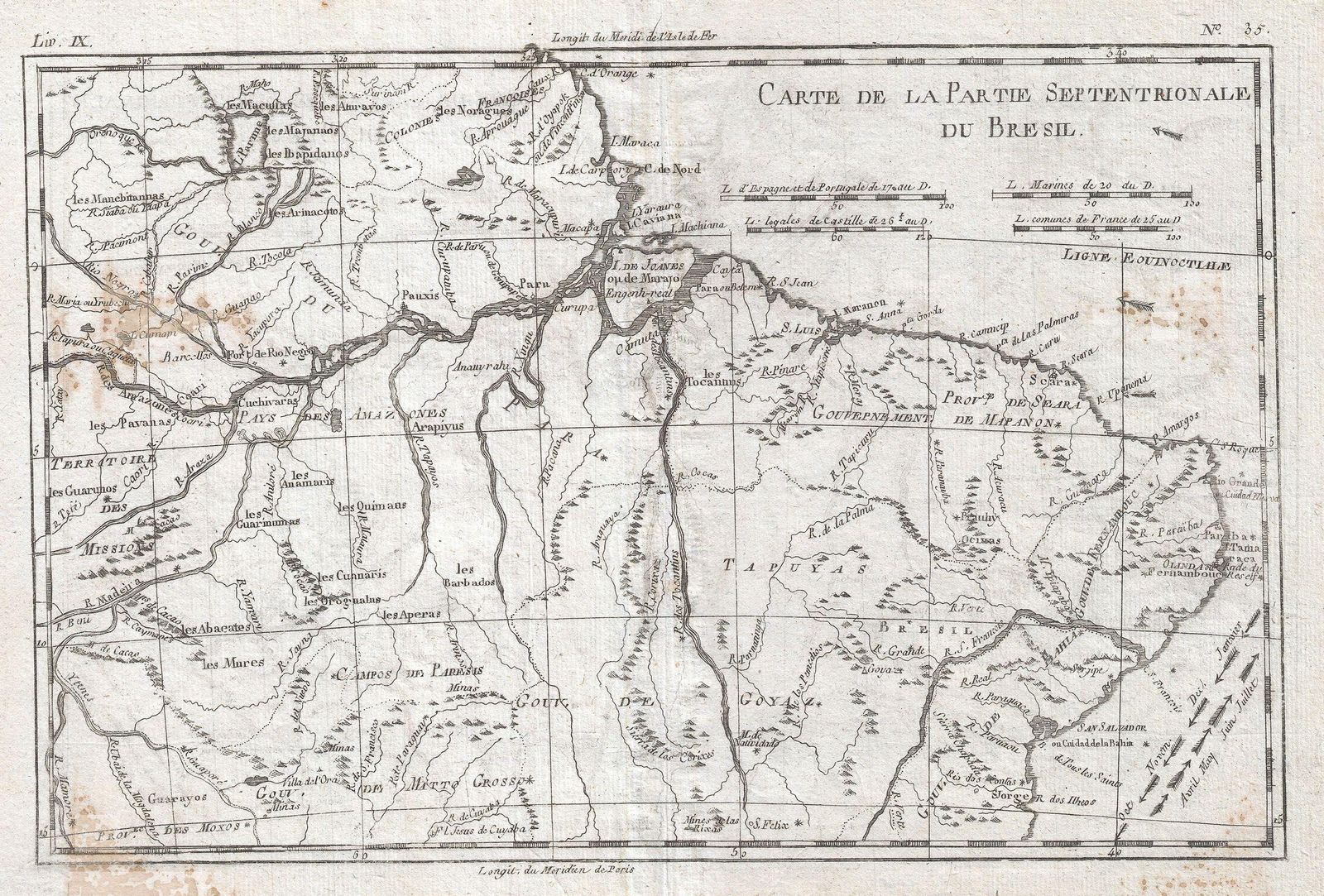
Maps of Brazil in the age of ports were already drawing a country of coasts. The pot is how a coastal kitchen kept coconut milk, tomato, and dendê from scorching while the fish finished in its own steam.
In the kitchen
Season a new pot with oil and a quiet heat. Never shock clay with a cold liquid on a screaming flame. Build the moqueca in layers, lid it, and trust the pot. Serve in the same vessel so the last heat stays with the stew.
The Brazilian volume reaches for this pot whenever the coast is the point. A heavy enameled casserole can copy the recipe. It will not give you the same mineral sweetness the cooks of Vitória argue is the whole reason.