
Pantry · Special mixes
Ras el hanout
The shopkeeper's best drawer: a blend so personal that no two jars in the medina are quite the same.
The journey
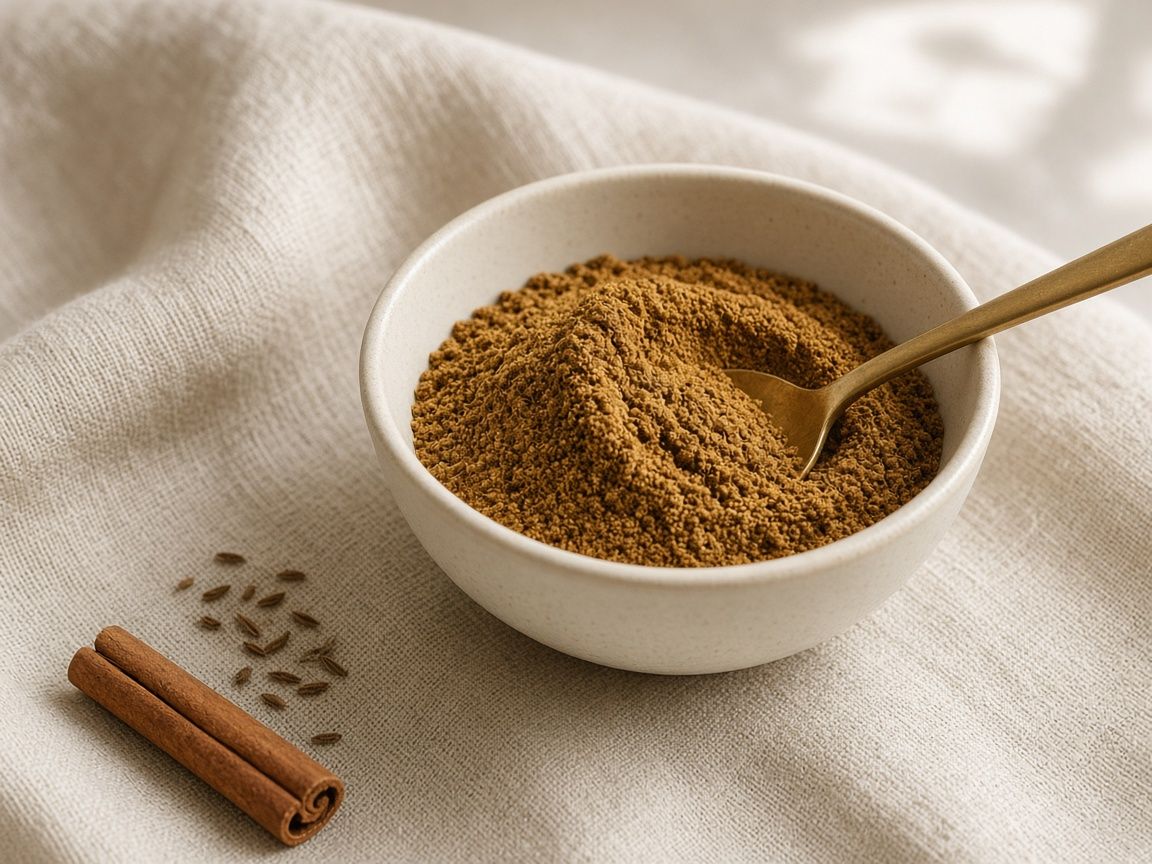
Ras el hanout means 'head of the shop' — the spices the merchant is proudest of, mixed for a customer he knows. Nineteenth-century travelers wrote of blends with a dozen spices or thirty, sometimes with rose petal, ash berries, or grains of paradise. The point was never a fixed recipe. It was trust. You bought the blend from a person, not from a factory.
French colonial kitchens later tried to freeze it into a formula. Home cooks in Fez, Marrakech, and the Atlas kept doing what they had always done: toast, grind, and adjust until the tagine smelled like their house. In the International Cuisines series the mix is Moroccan, and Moroccan only — seven recipes that still treat it as a signature, not a shortcut.
In the kitchen
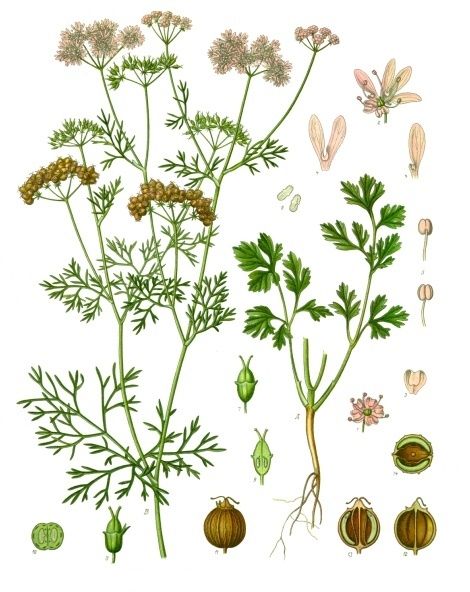
Bloom a spoonful in oil with onion before meat or vegetables go in. The blend wants fat and time. Too much, too late, and it tastes dusty. A pinch in a marinade for chicken or lamb is enough to make the kitchen smell like a courtyard.
If you buy a jar, smell it. If it smells only of cumin and paprika, it is not the head of anyone's shop. Look for warmth, floral notes, and a little bitterness. Then cook something you would serve to guests.
Healers and the table
Moroccan herbalists treated the blend as a warming pantry, not a single plant: cinnamon and ginger for a cold evening, pepper to wake a heavy meal. The medicine was the stew itself.
Use ras el hanout as a cook does. A fragrant tagine is hospitality. It is not a prescription.
Traditional uses are part of the story of this spice. They are not medical advice.