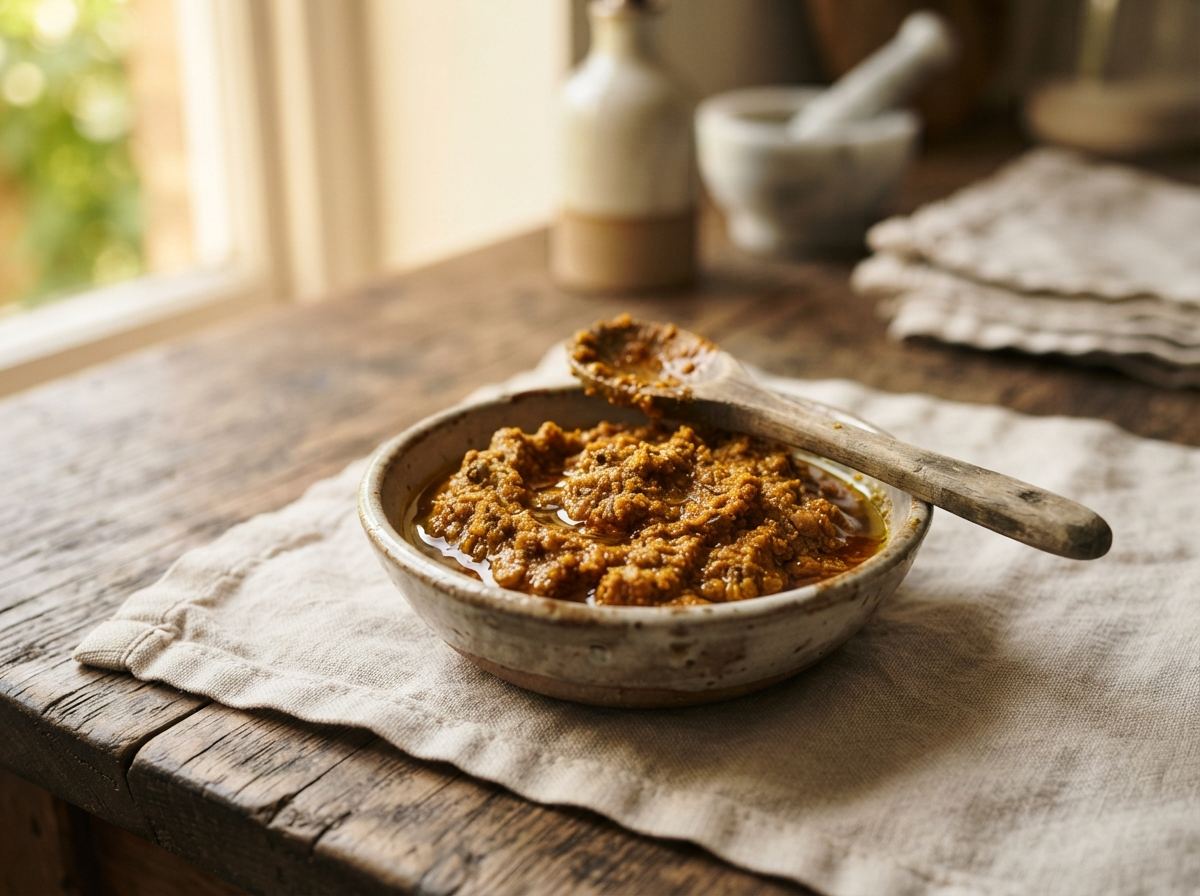
Spice paste
The unnamed pound of aromatics a recipe assumes you already know how to make.
Every mix, leaf, chile, fat, and spice Vietnamese cooking names in the International Cuisines series — the full shelf a home cook actually reaches for.
The Vietnamese shelf from the book: what the recipes assume, what the free pages smell like, and what belongs next to the hearths of this kitchen.
Back to Vietnamese cooking · Open Vietnamese cookware · The full pantry
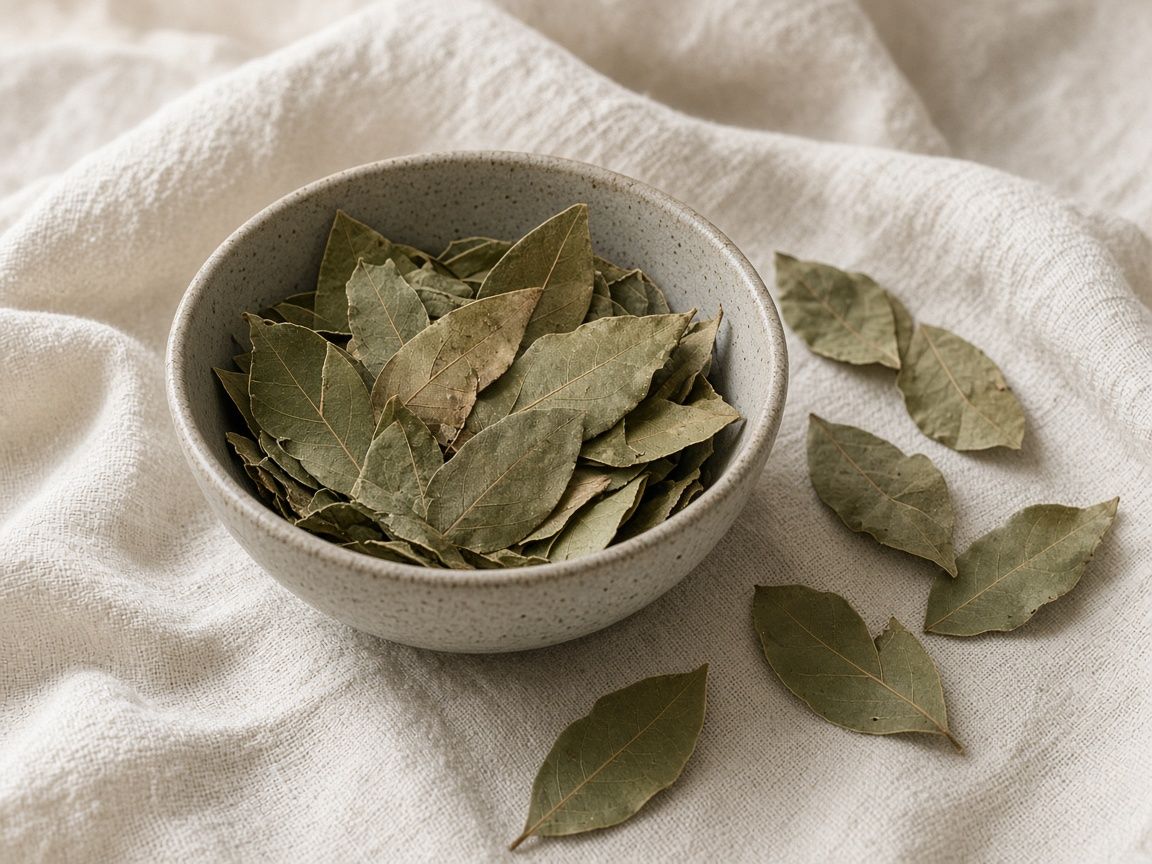
The leaf you never eat and always miss if it is gone: 29 kitchens in the series drop it into a pot and fish it out later.
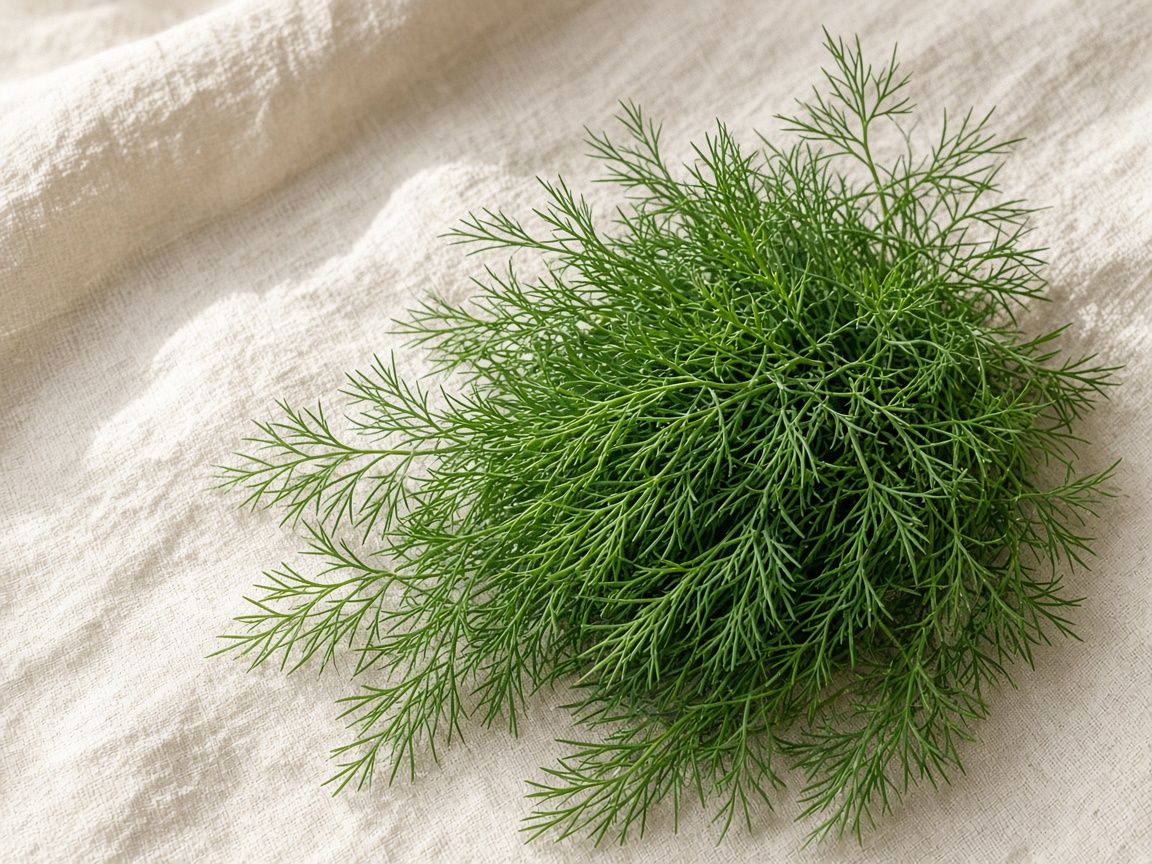
The feathery green of pickles, yogurt, and fish — and, in this series, of 23 kitchens that refuse to treat it as only a Northern herb.
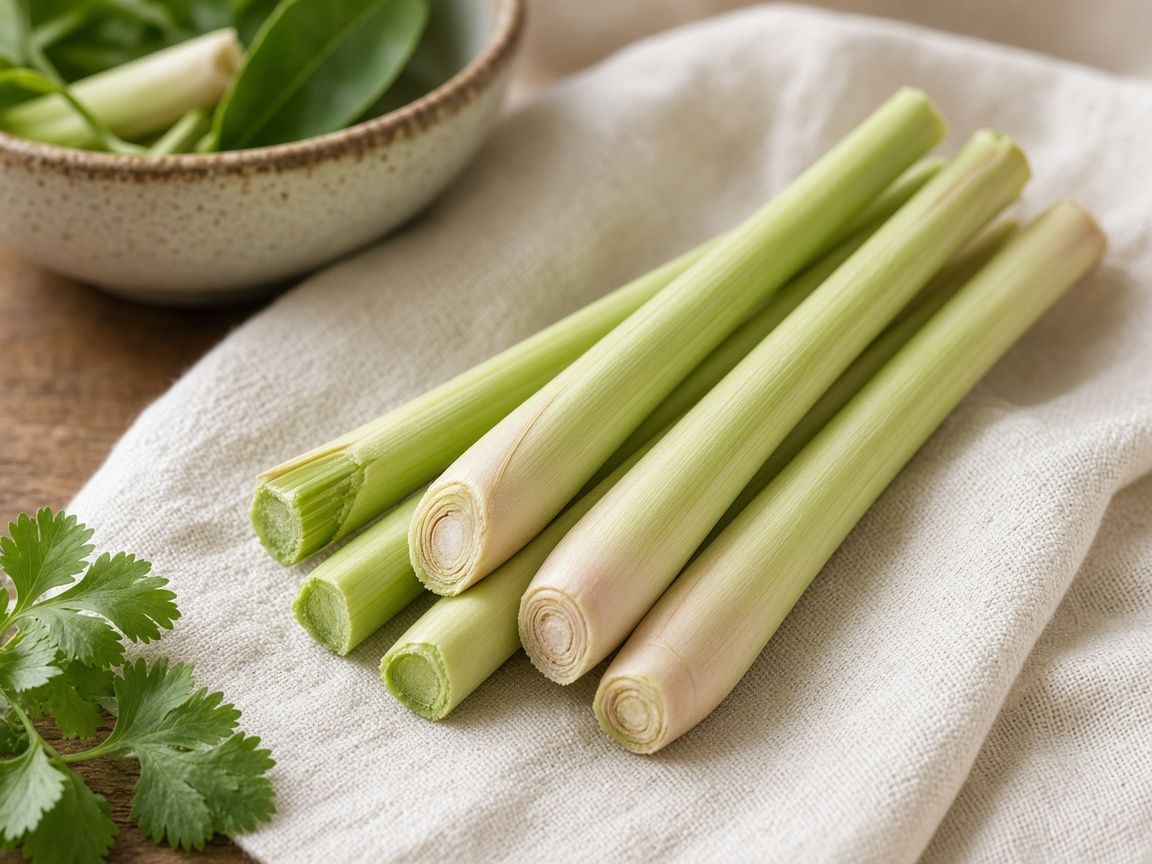
A stalk that smells like lemon and sugarcane: the base of Thai tom yum, Vietnamese broths, and Indonesian spice pastes.
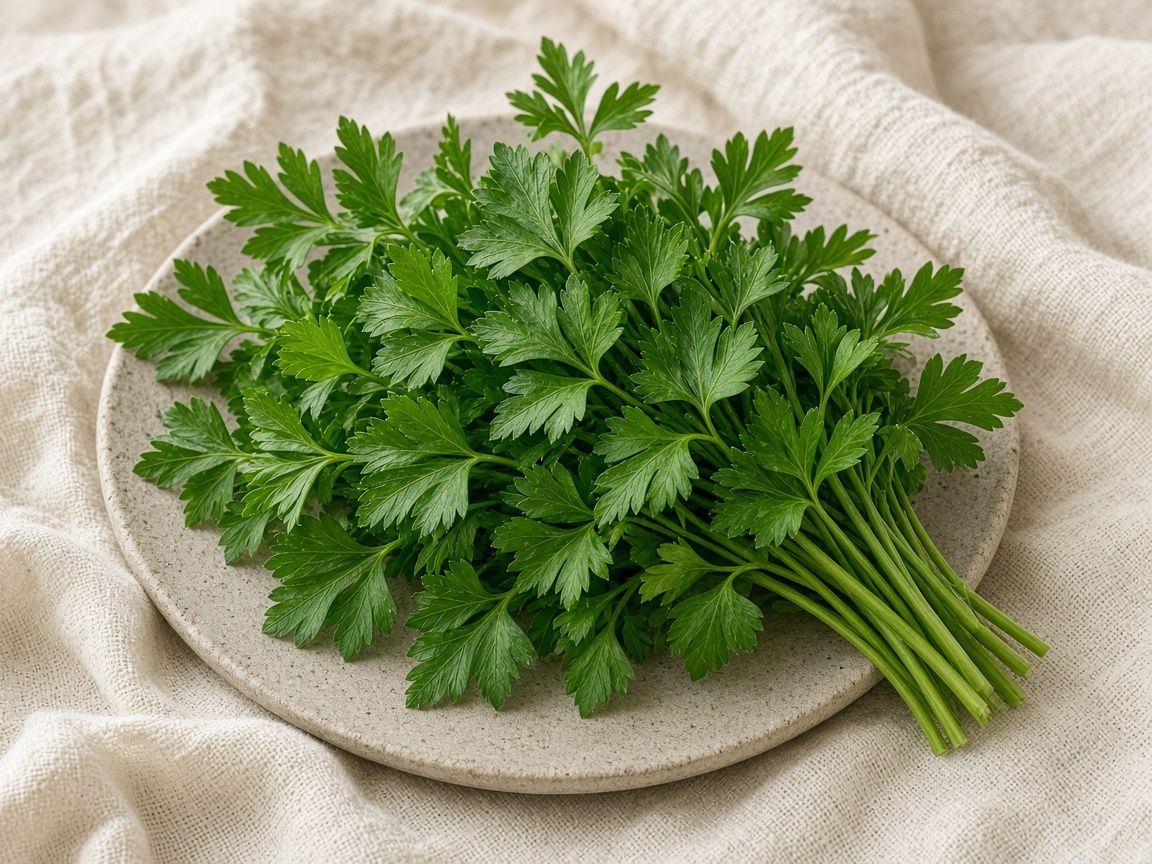
The green that finishes a pot in 27 of the 30 books: not a garnish, a last bright note.
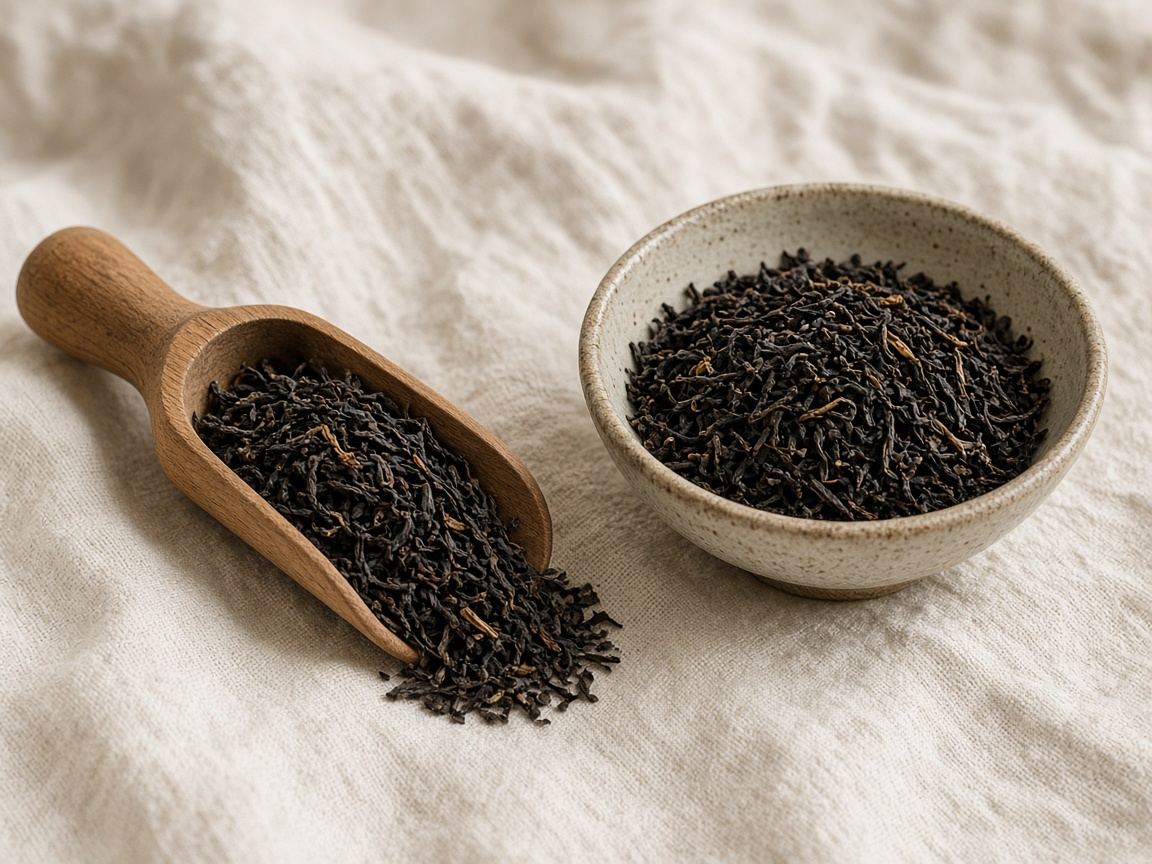
Loose leaves for a pot and for a marinade — jasmine, black, or the ceremony tray.
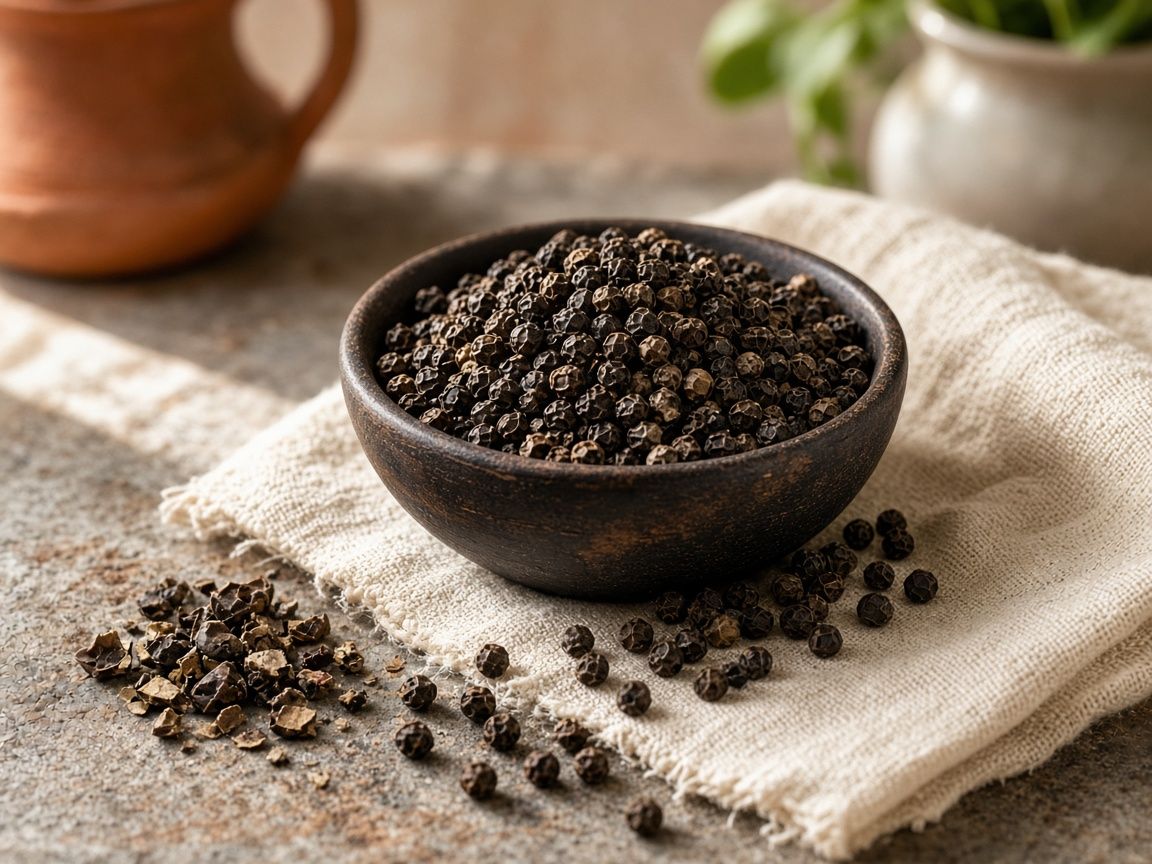
The berry that paid rents, launched fleets, and still sits beside salt on almost every ComidaTime table.
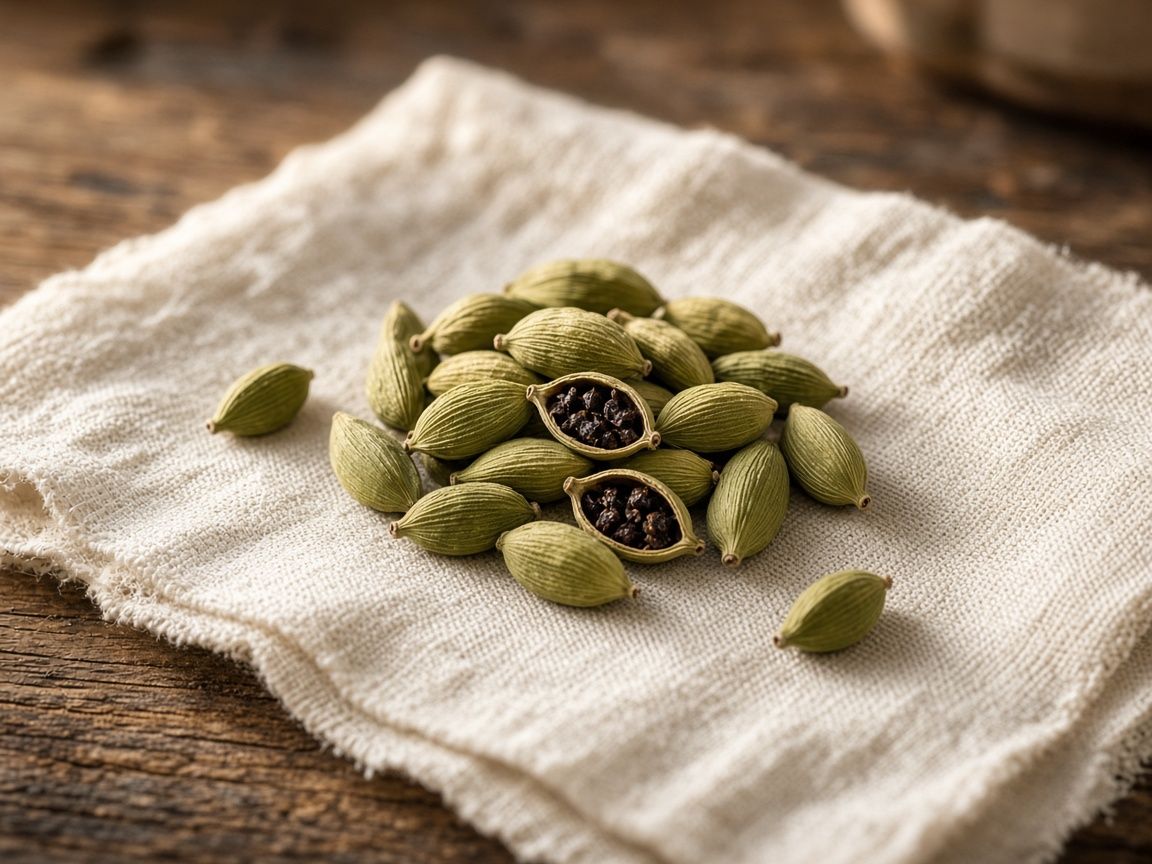
Green pods that smell of eucalyptus and citrus — coffee's companion in the east, pastry's secret in the north.
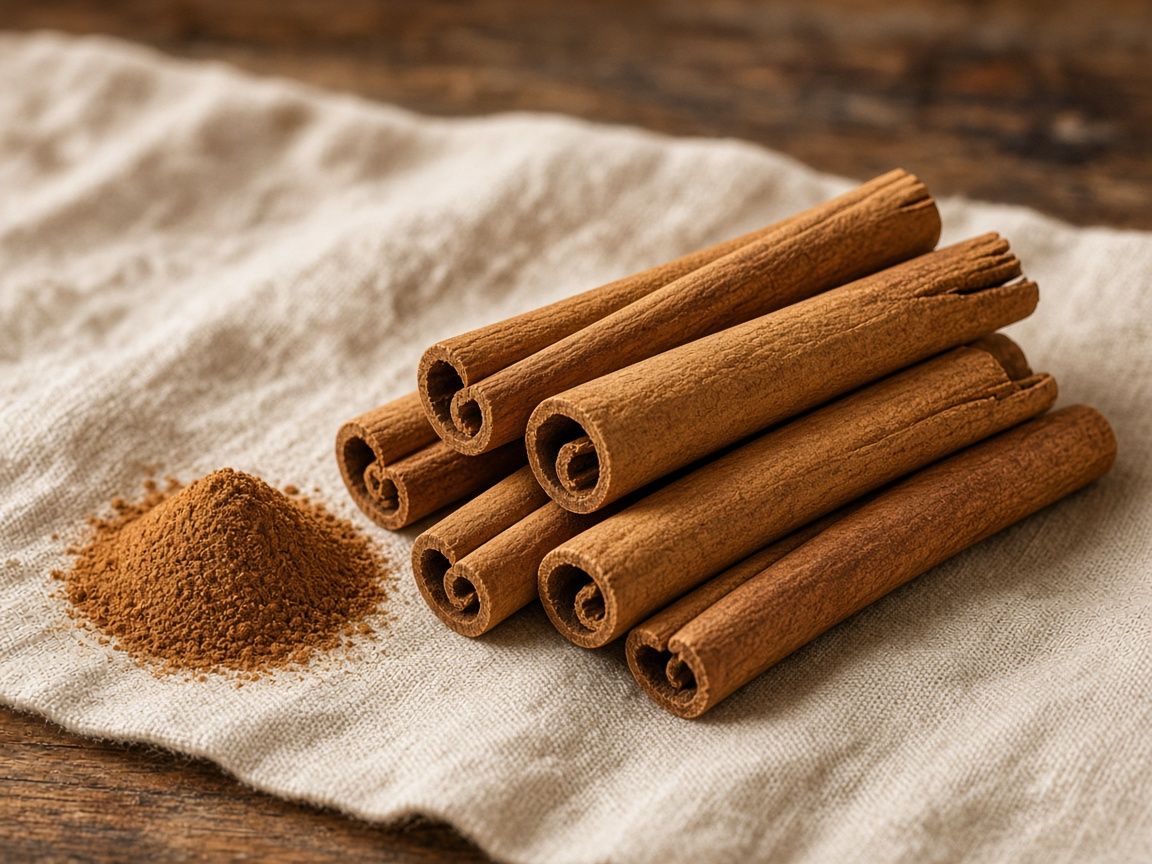
Bark rolled into quills: the sweet wood that traveled with frankincense and still perfumes both pastry and stew.
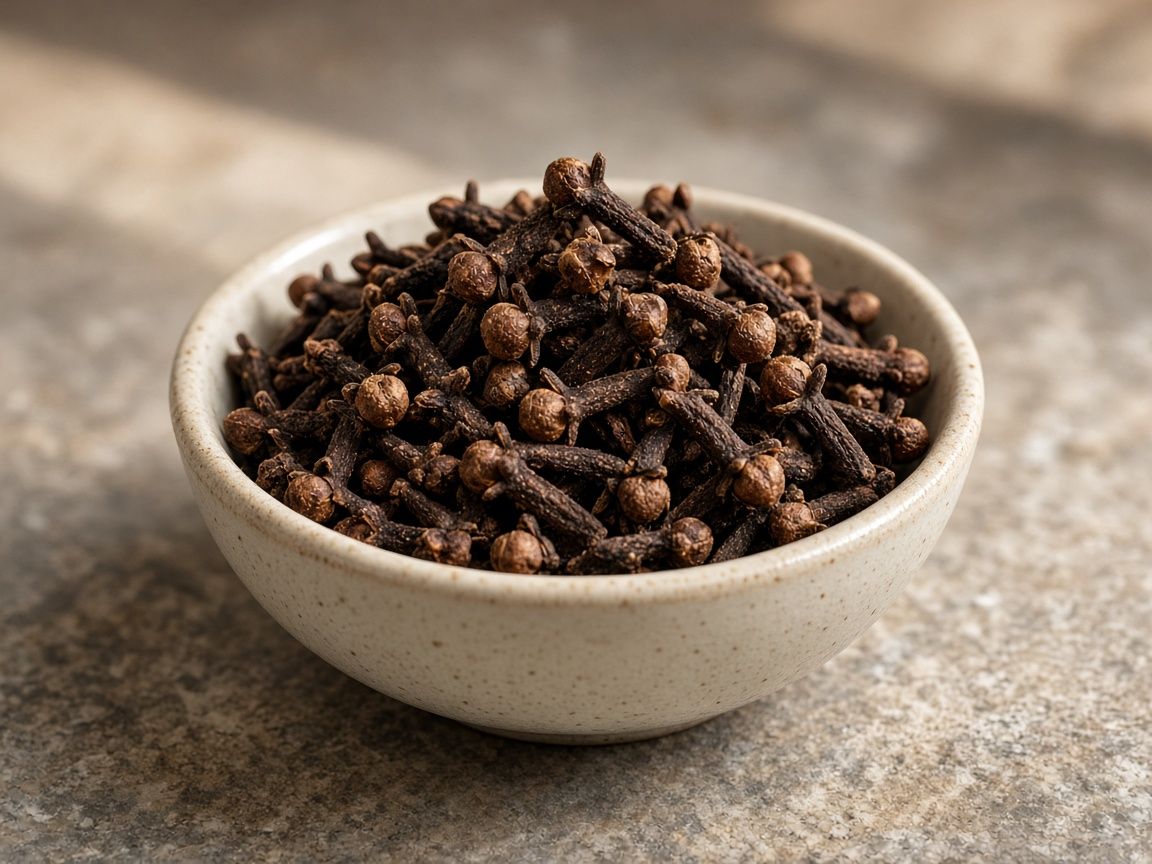
A flower bud that once belonged to a handful of islands — and to every power that wanted those islands.
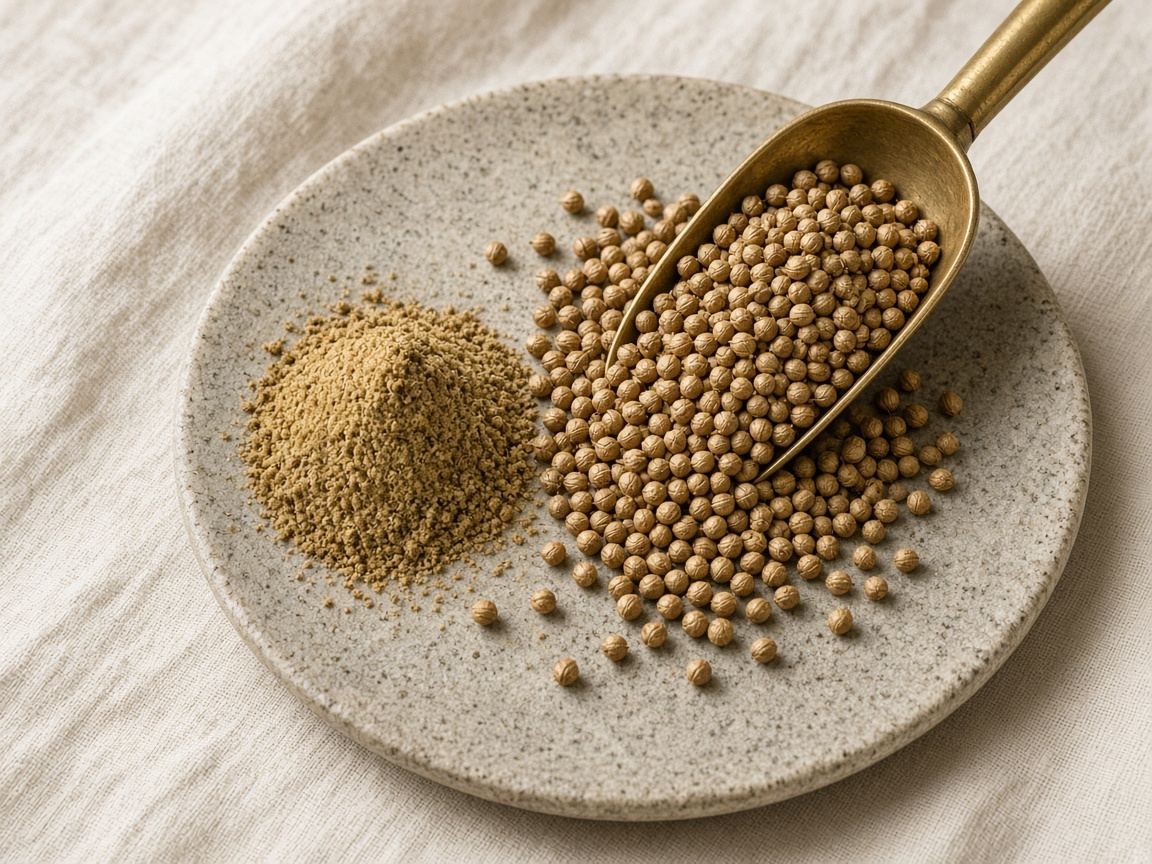
The seed that is not the leaf: warm, lemony, and the other half of cumin in a hundred pastes.
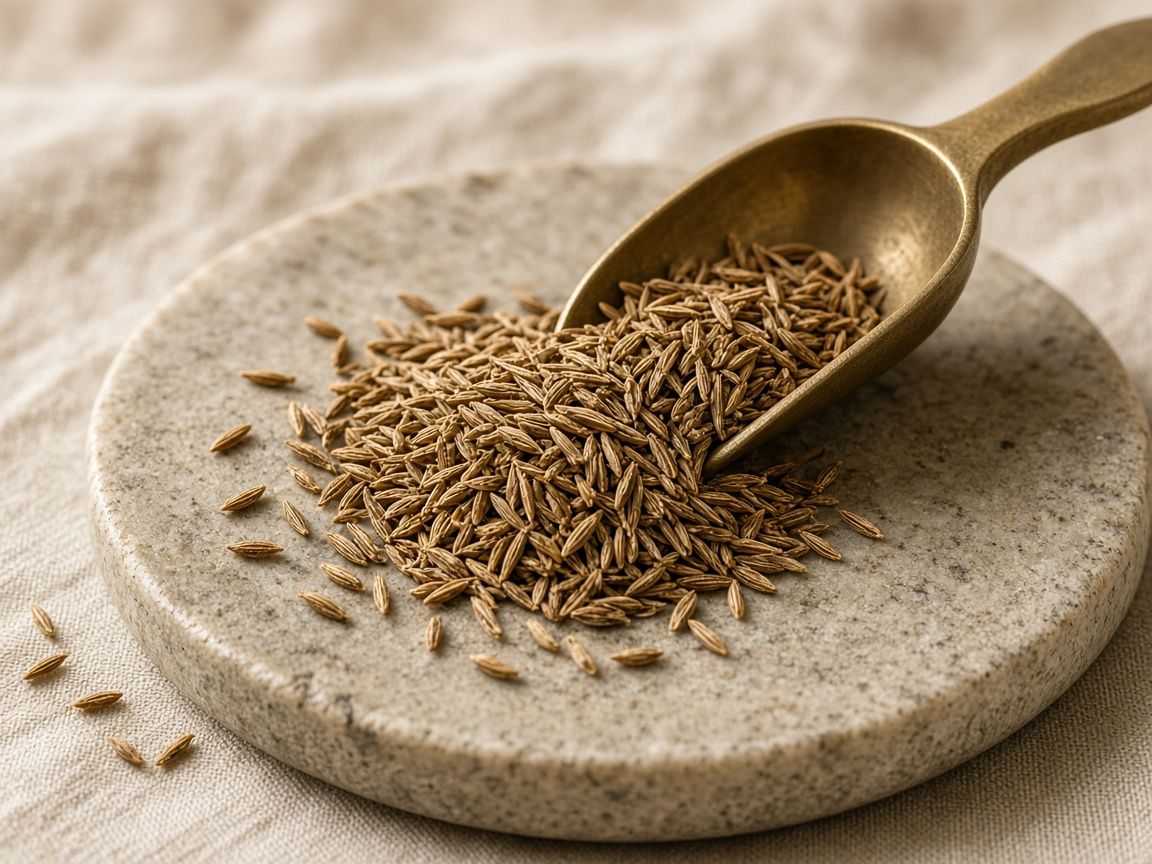
The seed that smells like a courtyard after rain — and the backbone of more ComidaTime recipes than almost any other spice.
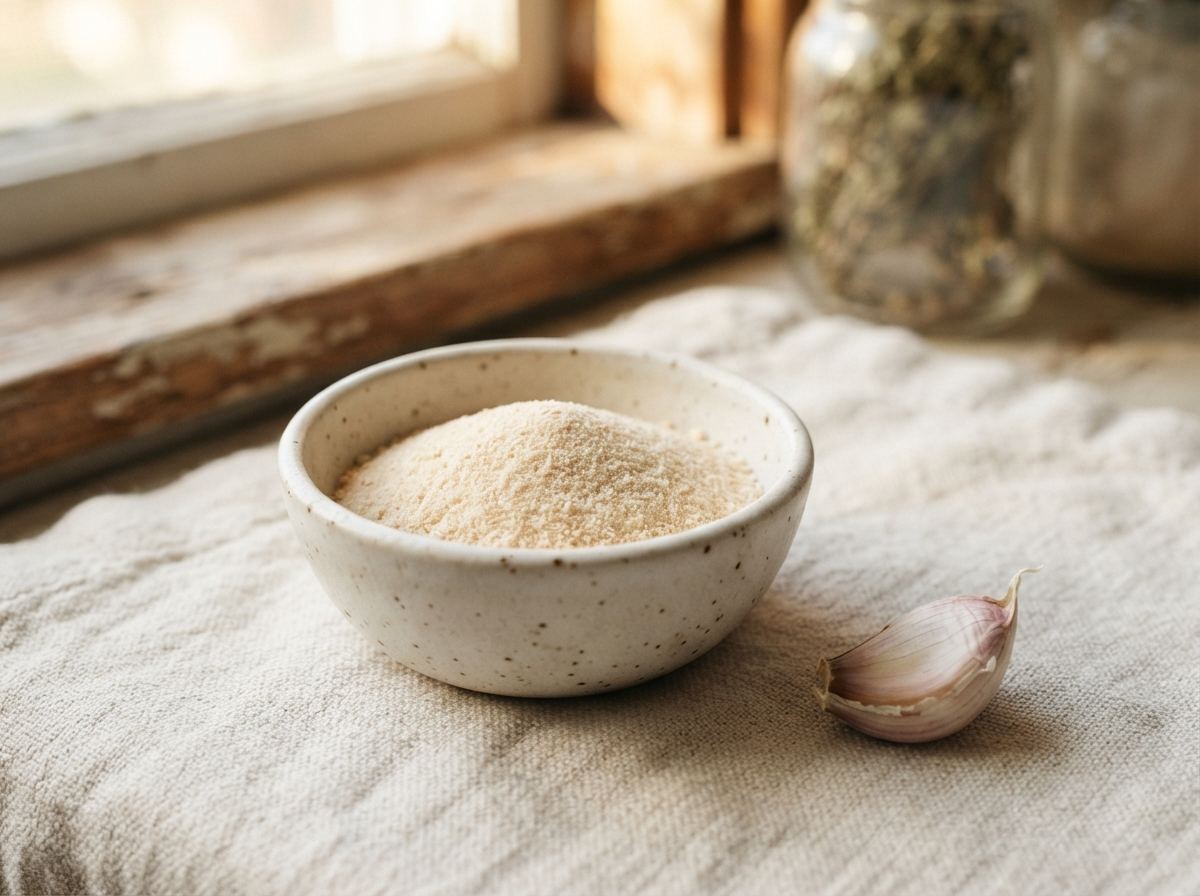
The dry closet version of the clove — useful in a rub, never a substitute for a smashed clove in oil.
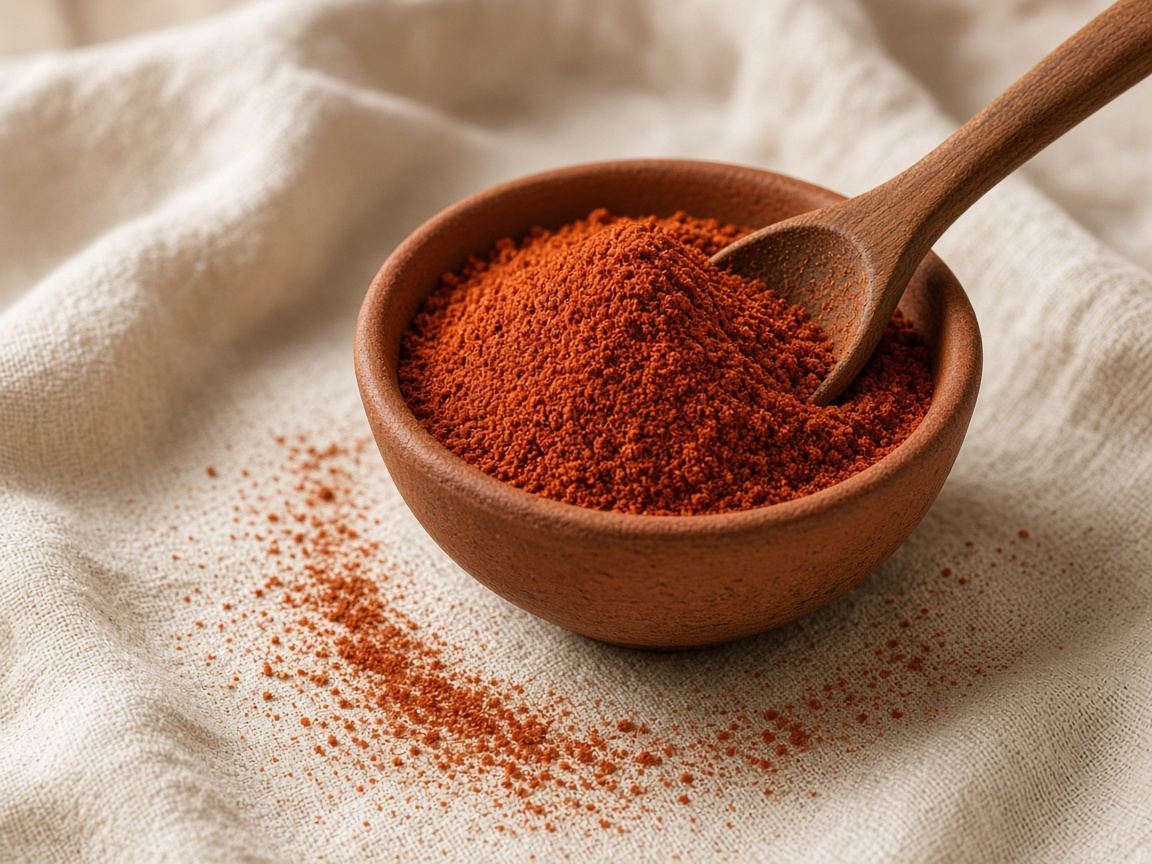
The red powder the 30 books reach for more than any other named spice after salt and pepper: color, sweetness, and a little smoke.
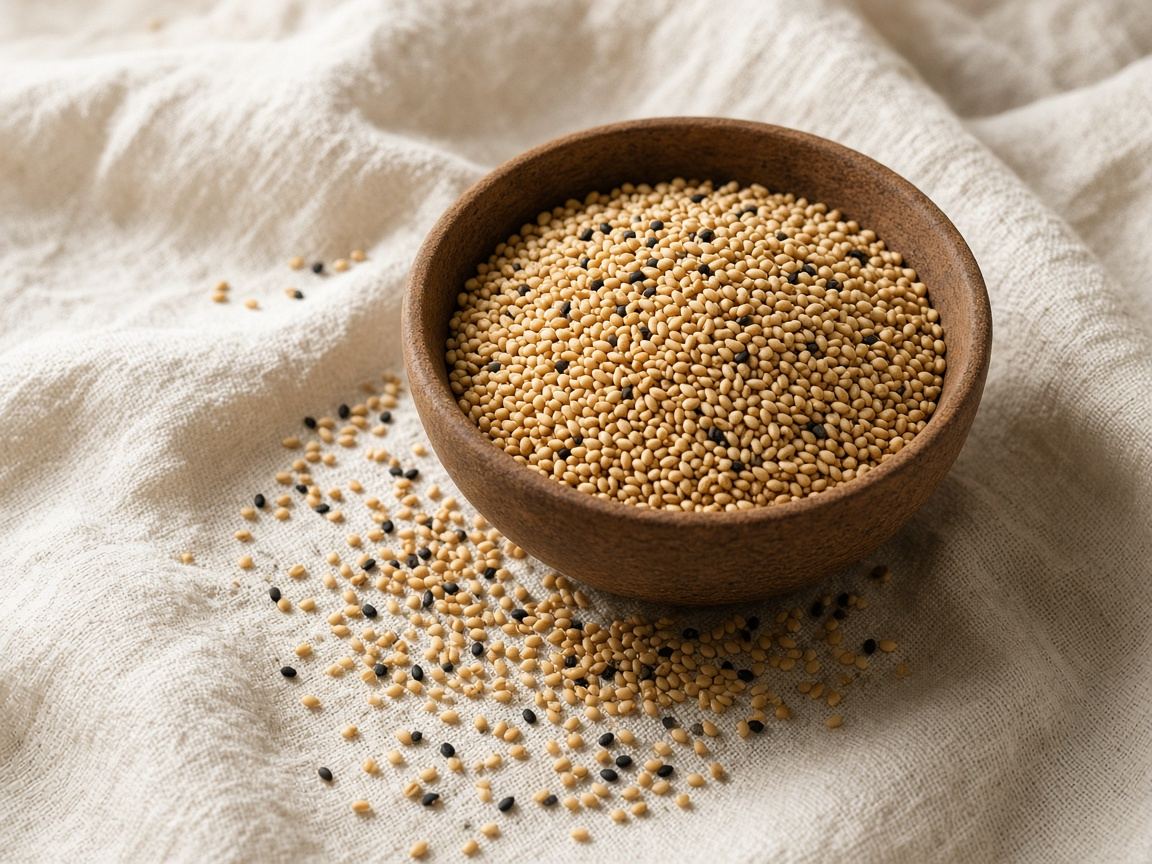
A tiny seed that toasts into a whole aroma: bread, bagels, goma, and the crunch on a Korean banchan.
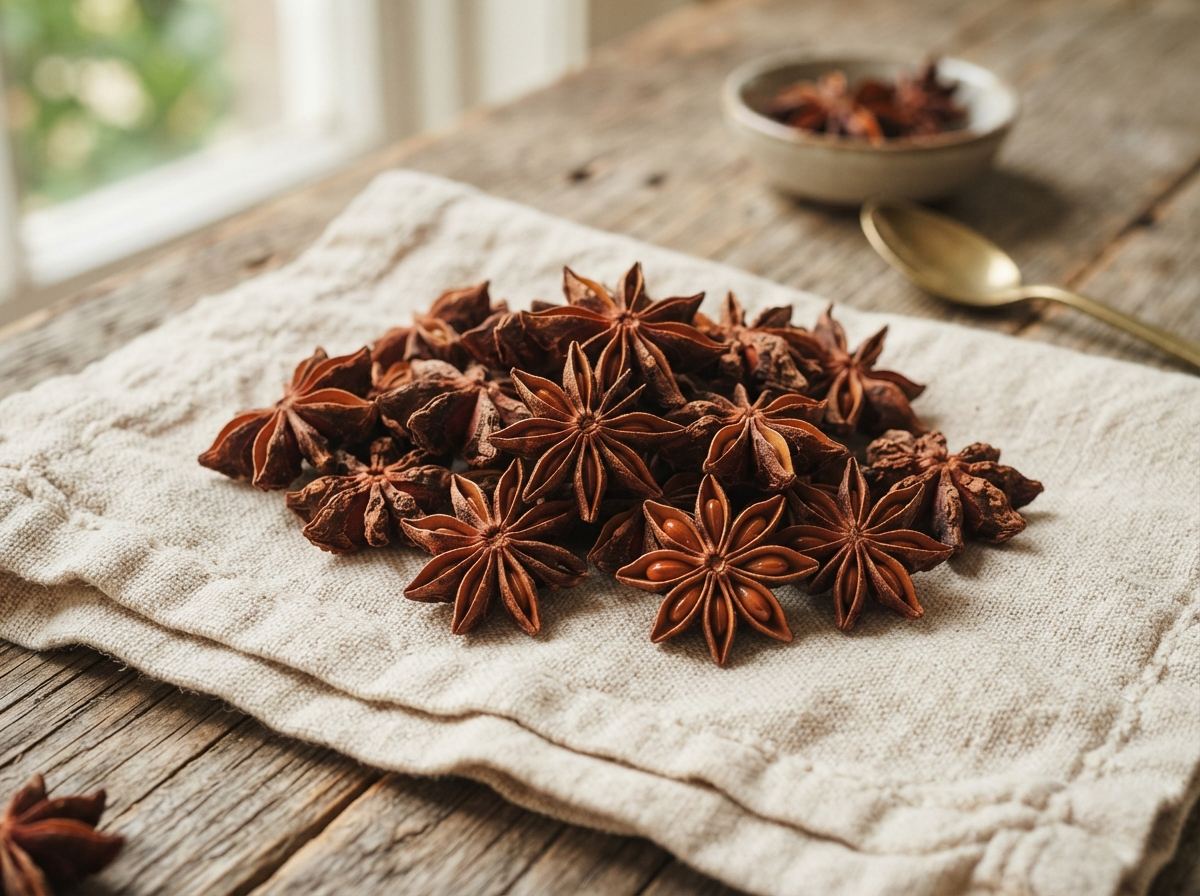
The star that sweetens a broth without sugar.
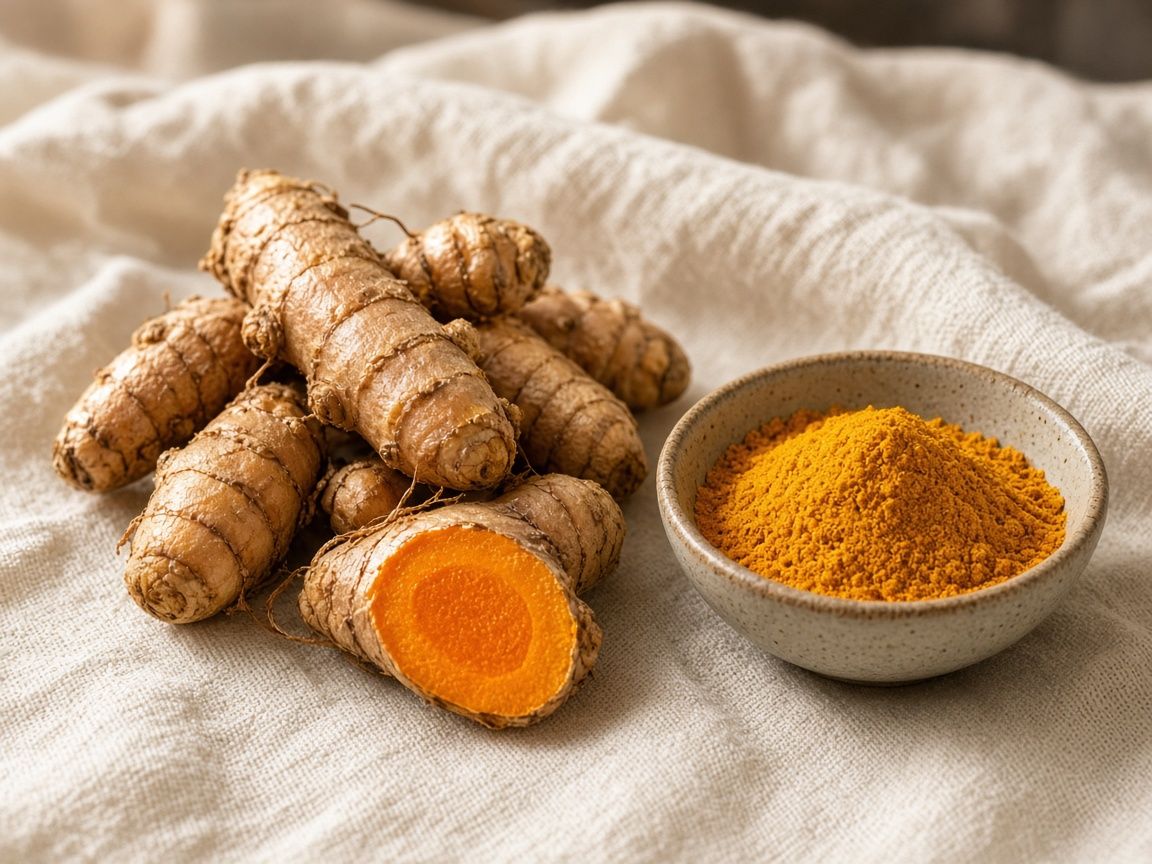
The rhizome that dyes fingers, rice, and memory gold — food first, medicine closet second.
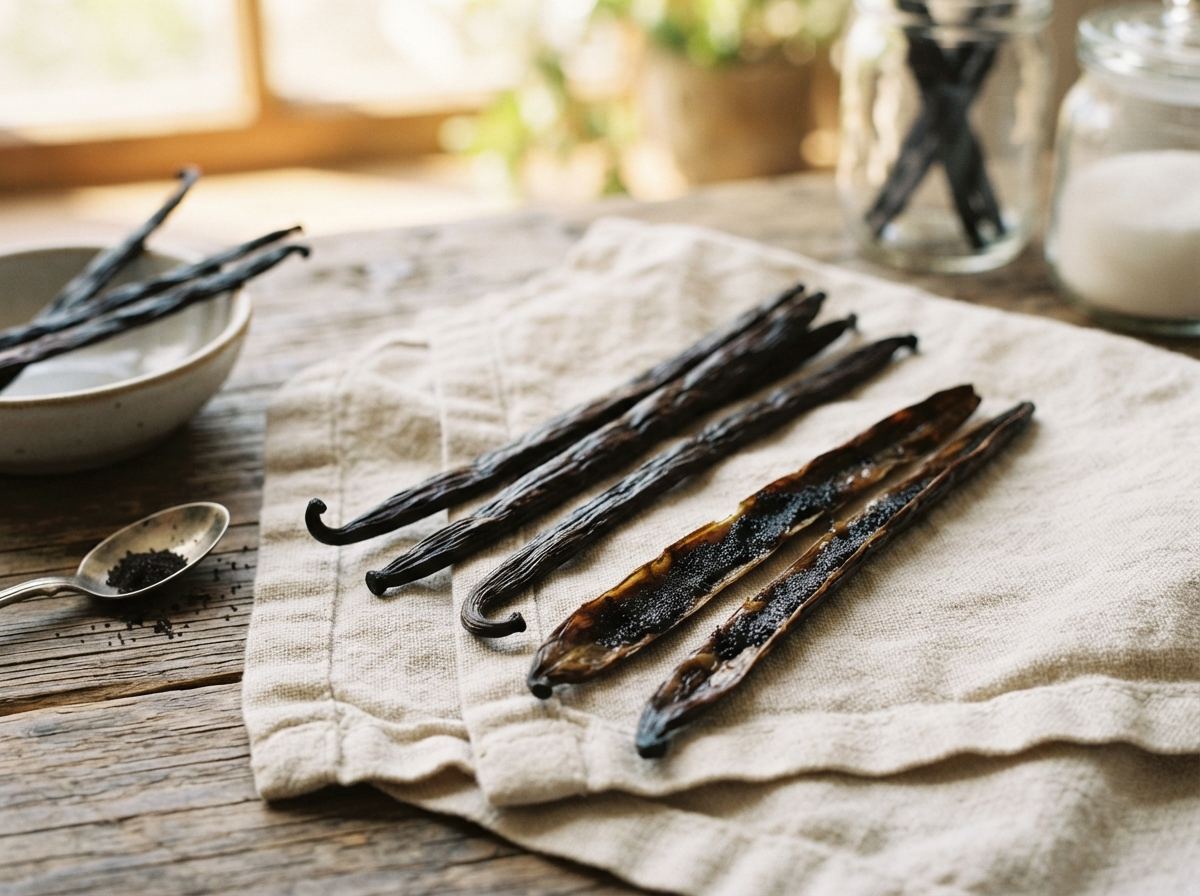
The orchid pod that sweet kitchens treat as air — and savory Mexican moles still remember.
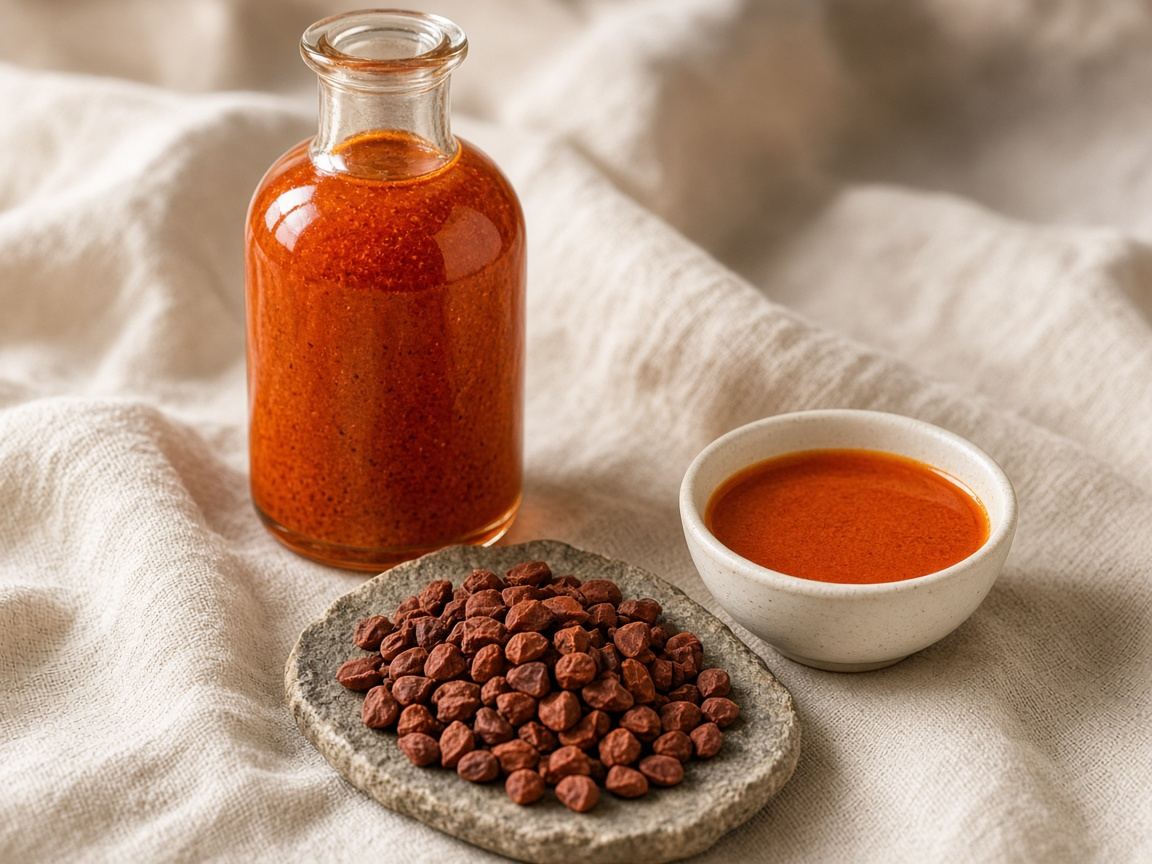
Achiote bloomed in fat — the orange sheen of Caribbean rice and Yucatecan recado.
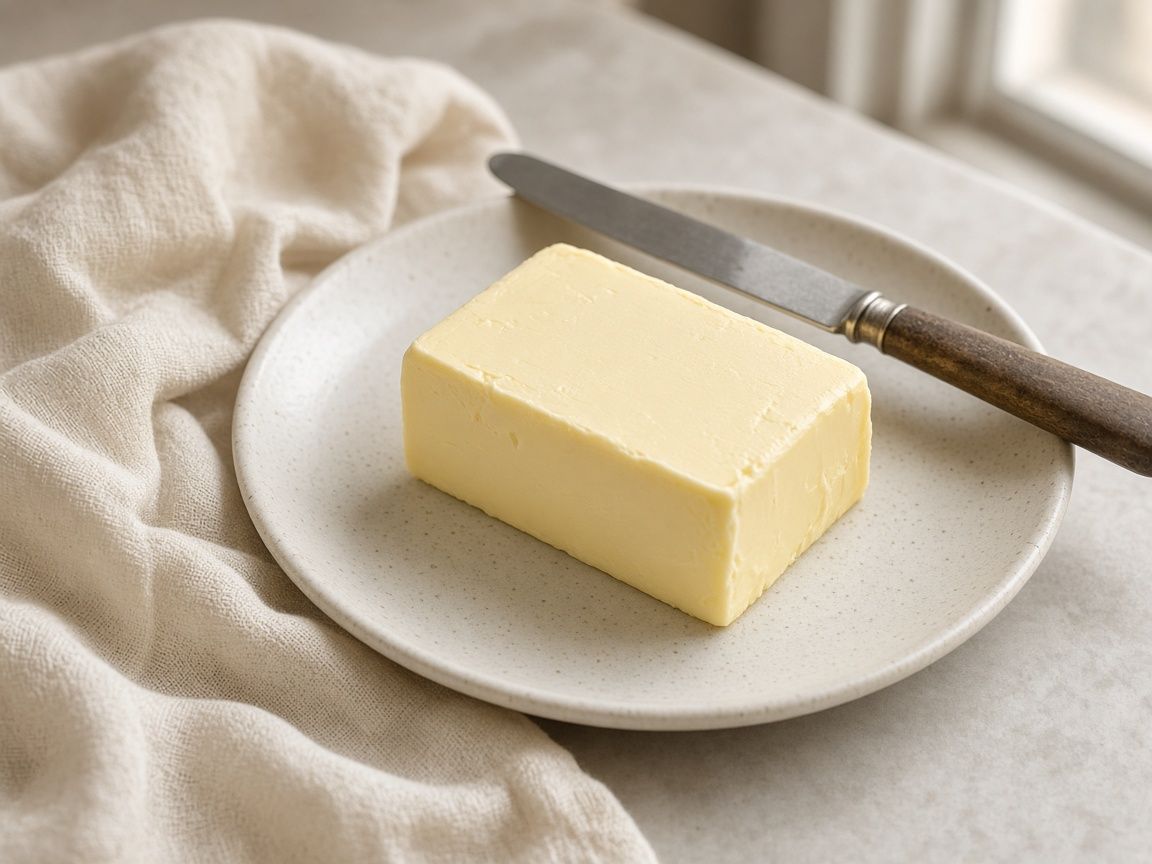
The fat that appears in every volume of the series: pale, sweet, and older than the word cuisine.
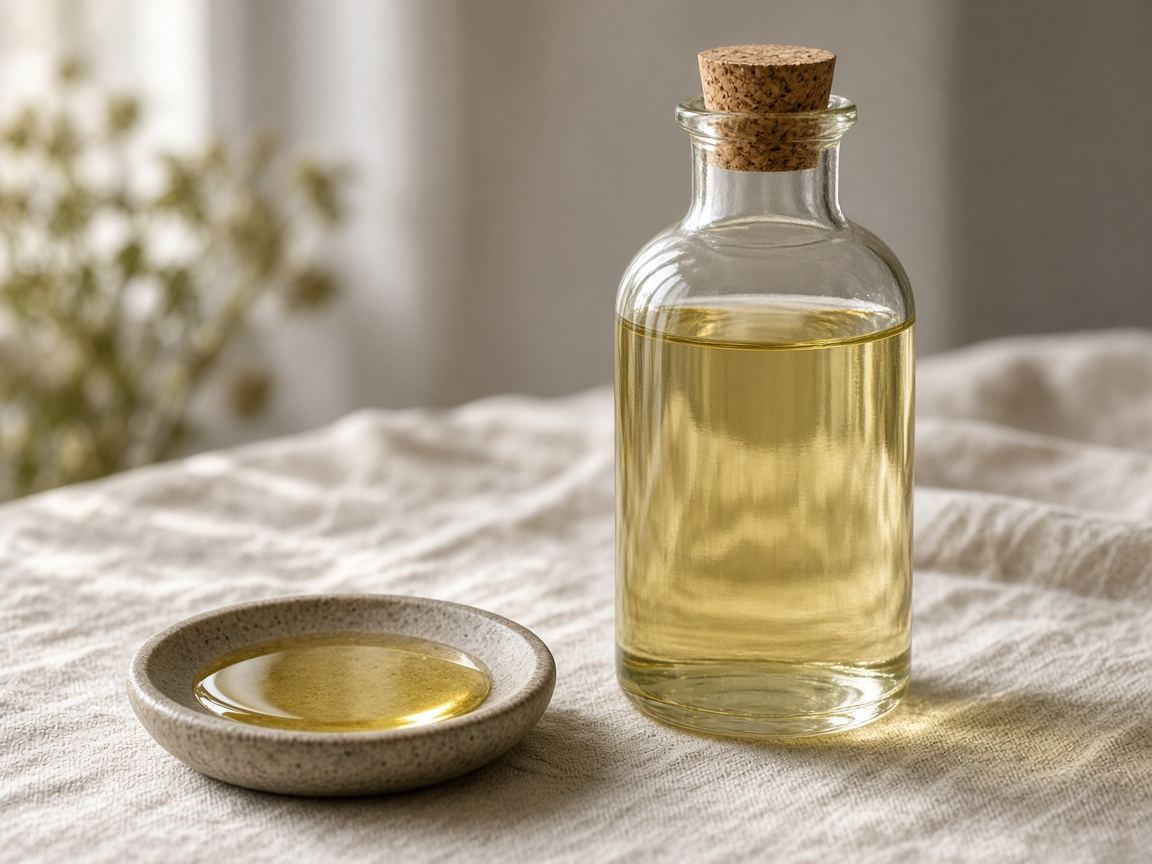
The unnamed bottle the books reach for when the fat should stay quiet: fry, coat, and get out of the spice's way.
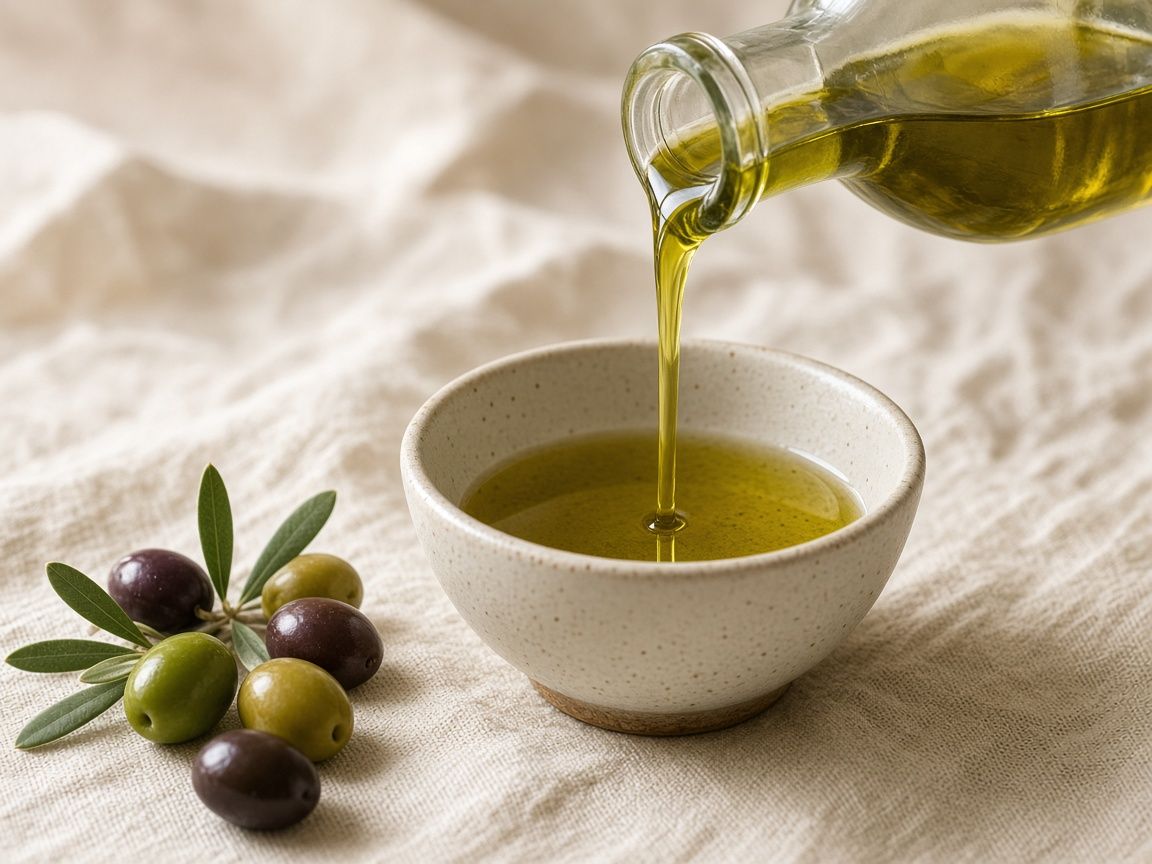
The green-gold fat of 29 kitchens in the series: a fruit juice that learned to travel, and then to stay.
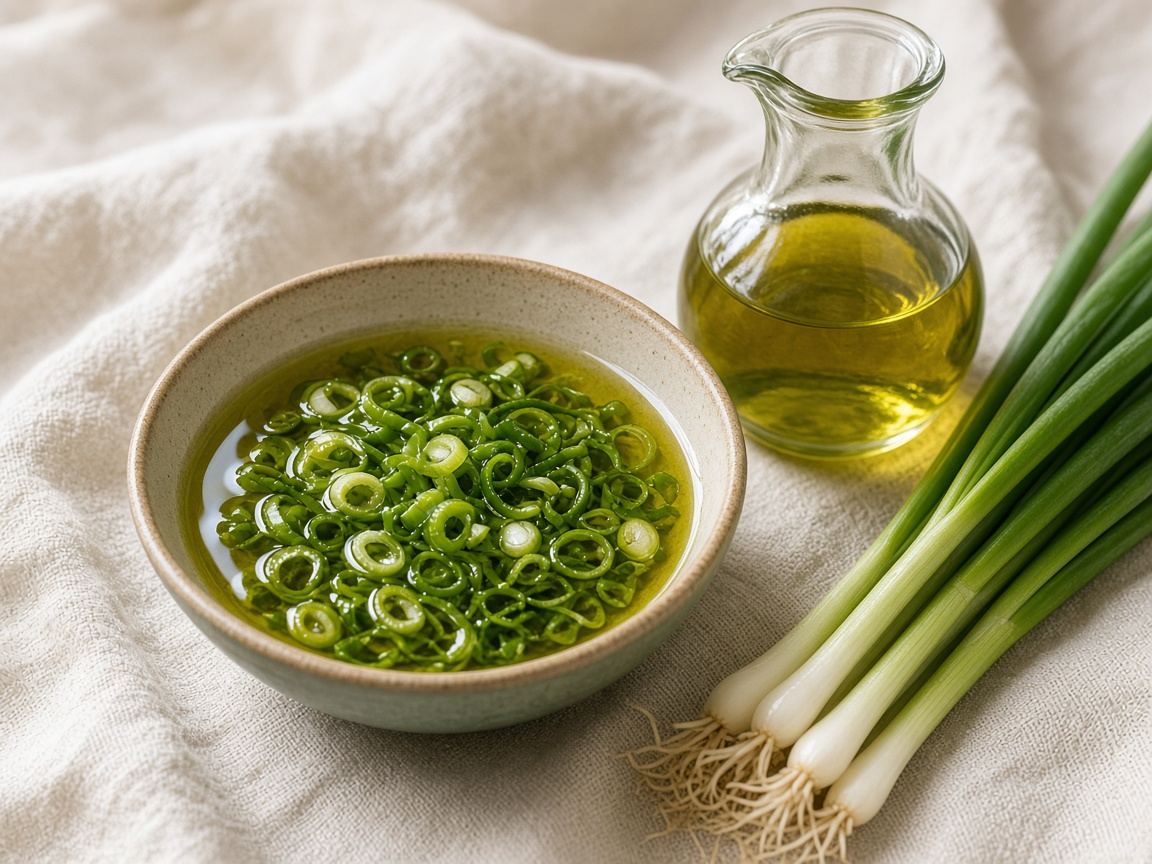
Oil poured over cut greens until they smell like a night market.
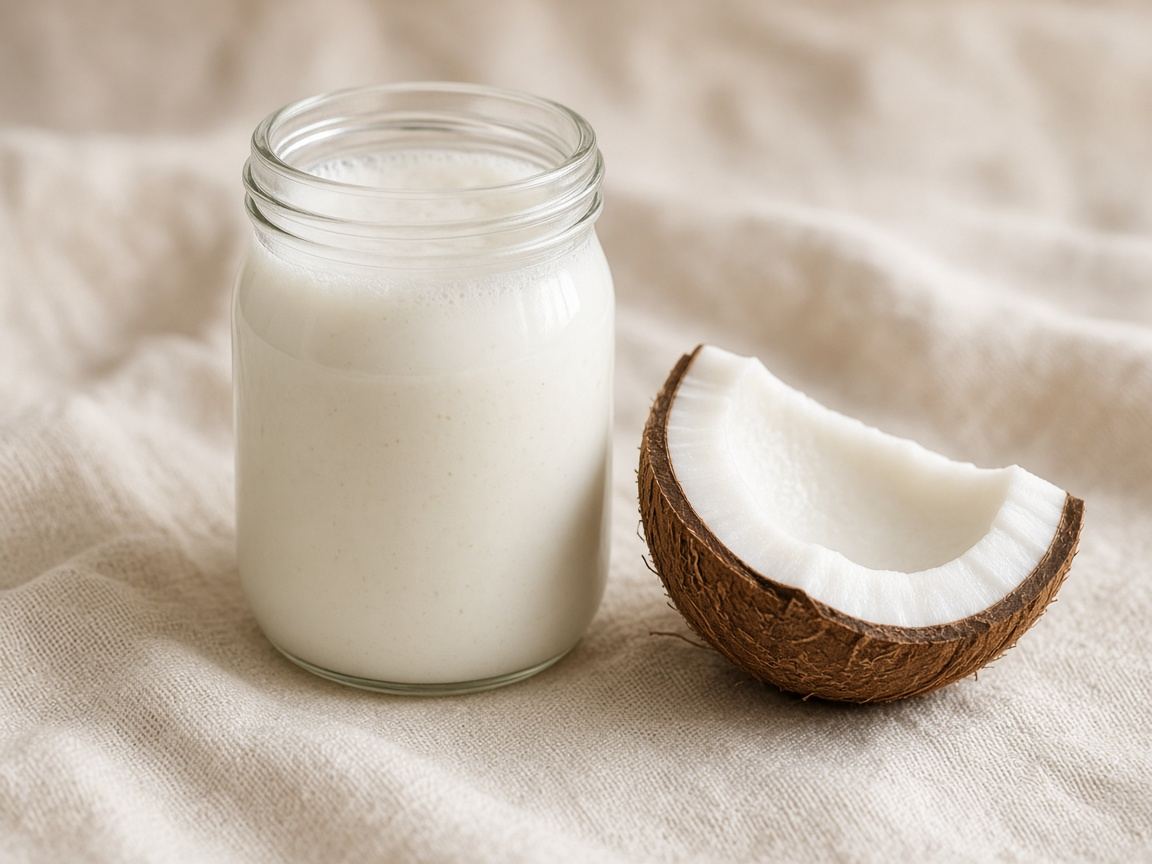
The fat of a curry and a Brazilian moqueca when coconut is the coast.
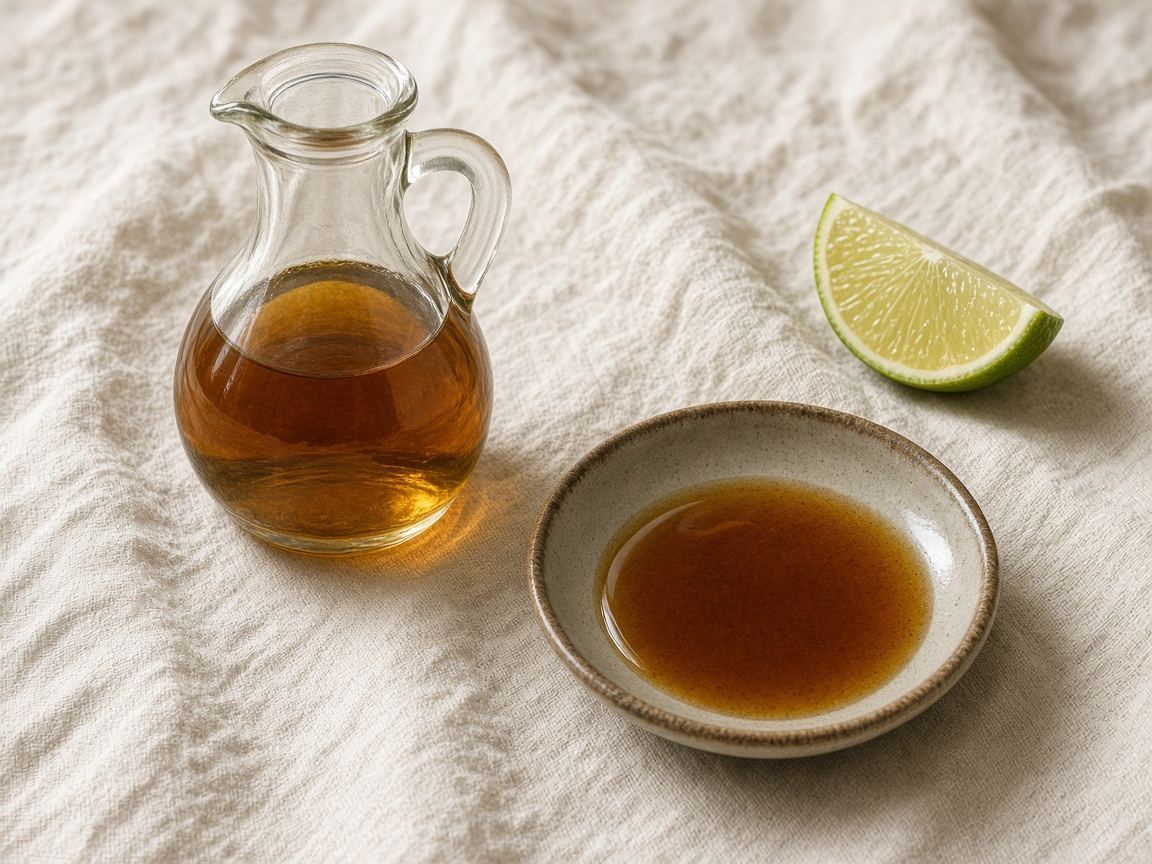
The salt of Vietnam and Thailand: fish, time, and a smell that becomes sweetness in the pot.
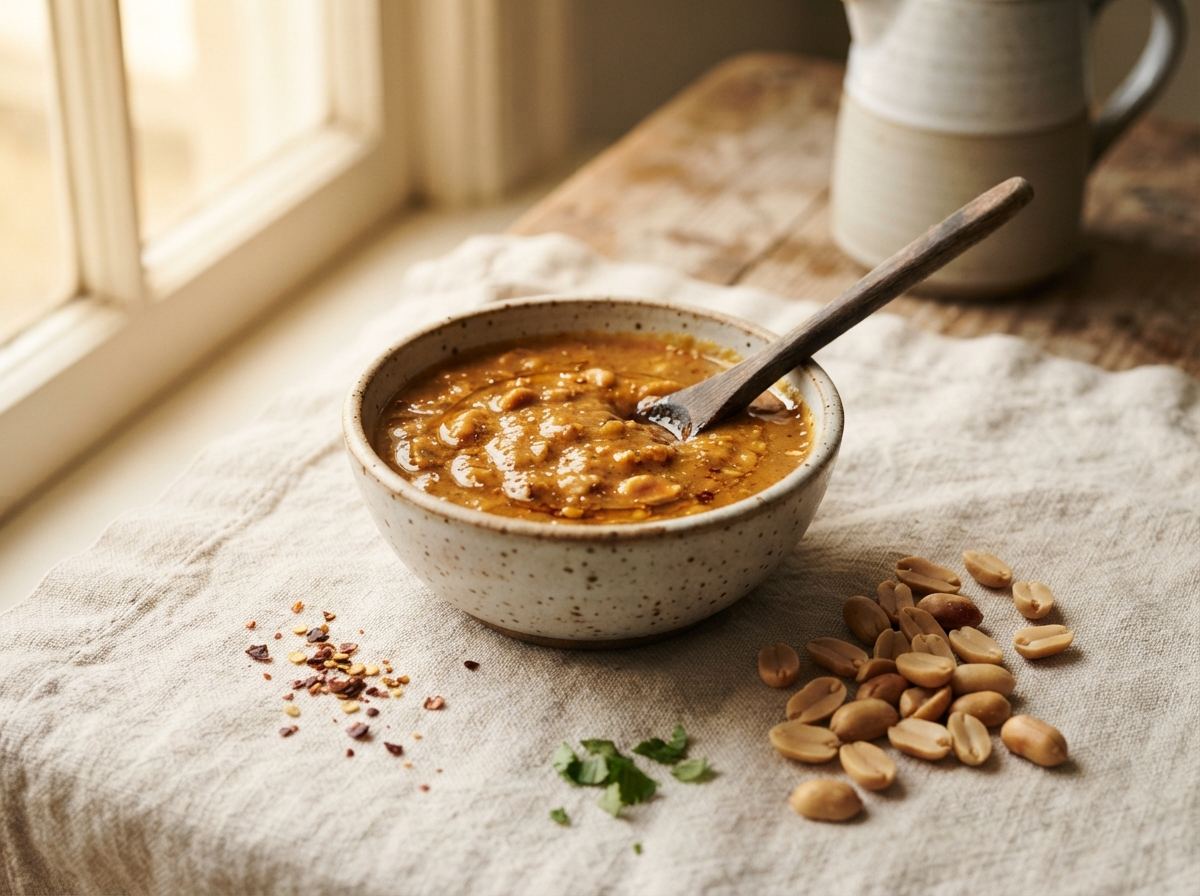
The satay dip: groundnut, chile, and a little sweet.
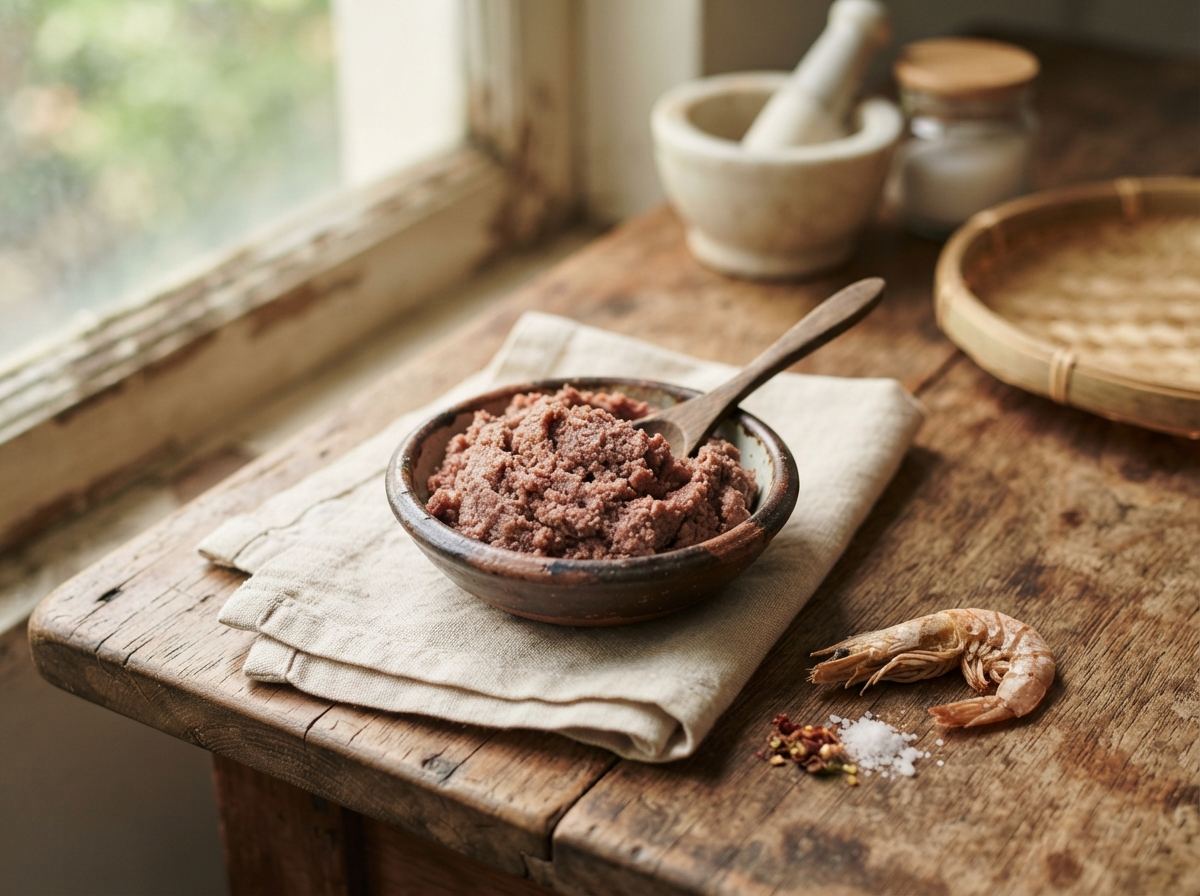
Belacan, terasi, kapi — the funk that makes a curry taste like the sea and a village.
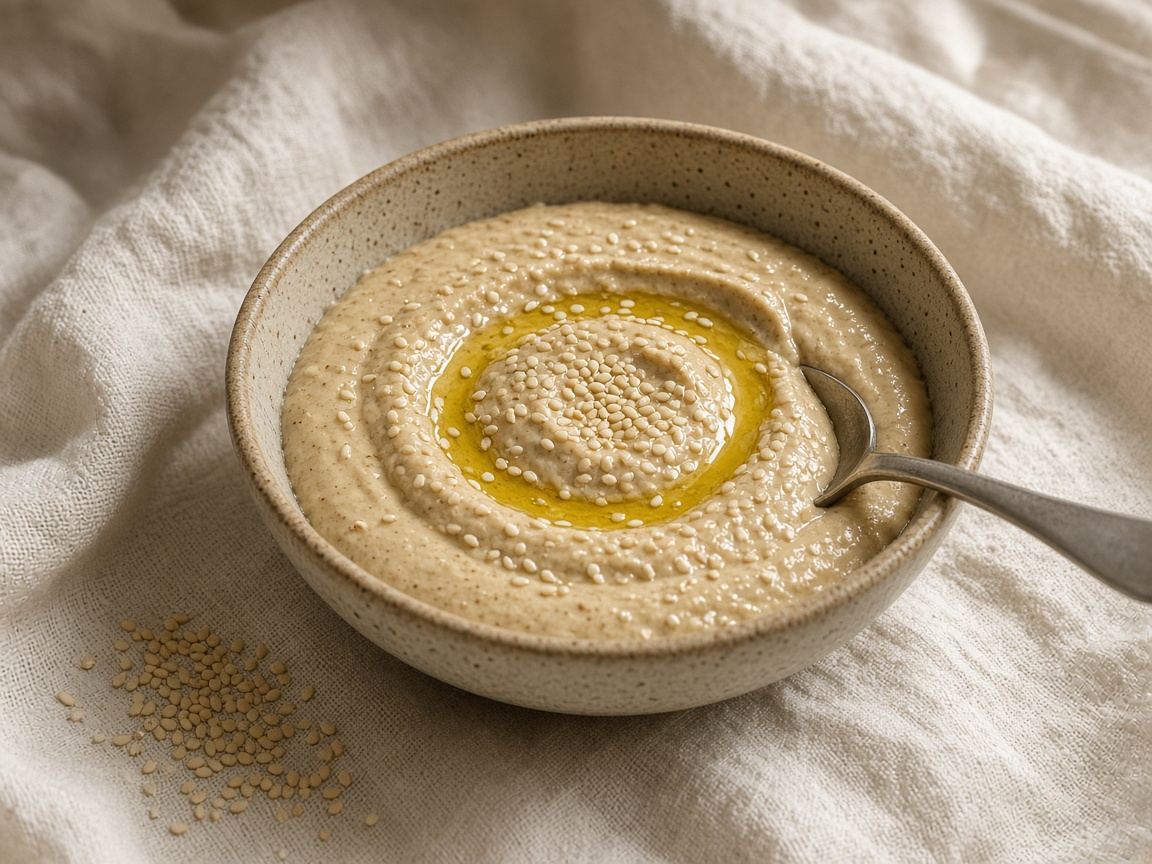
Sesame turned into a sauce: hummus, a dressing, a drizzle, and the jar the books open in twenty kitchens.
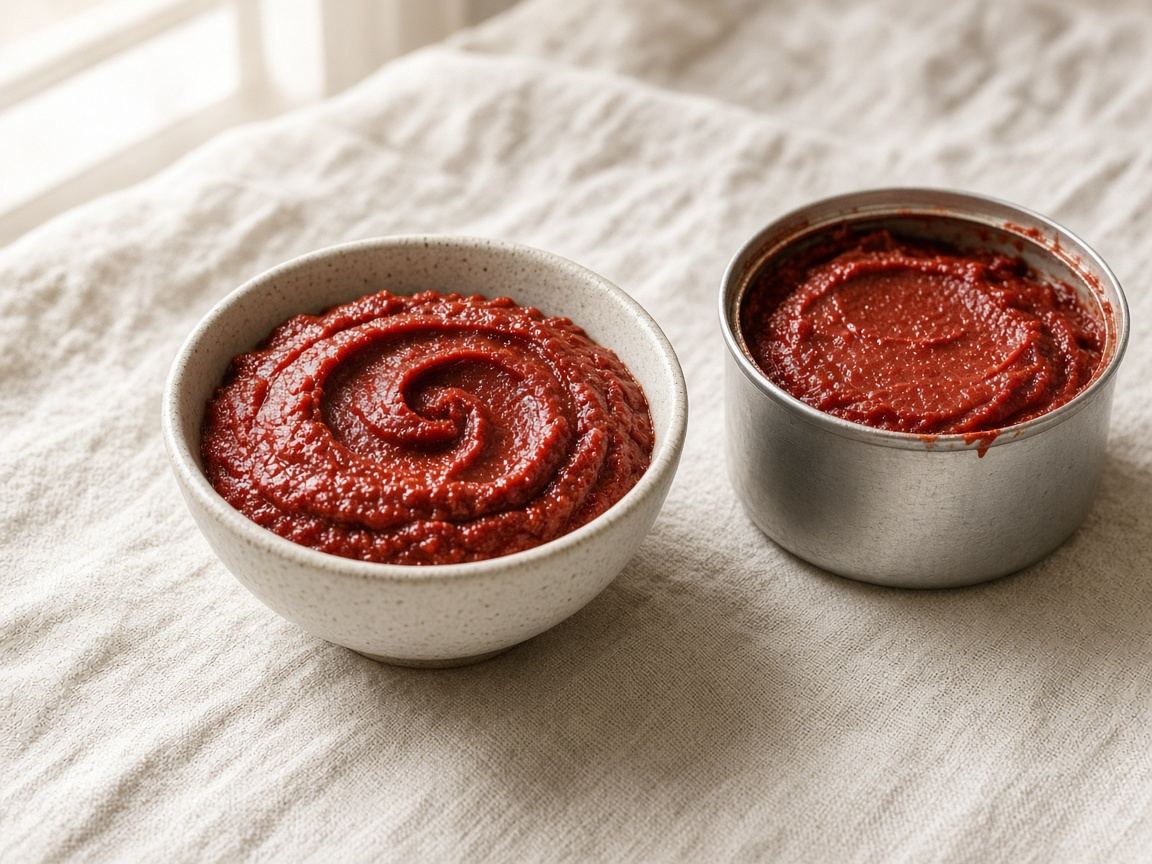
The spoon of cooked tomato that turns a thin pot into a sauce — 28 kitchens in the series keep a tin.
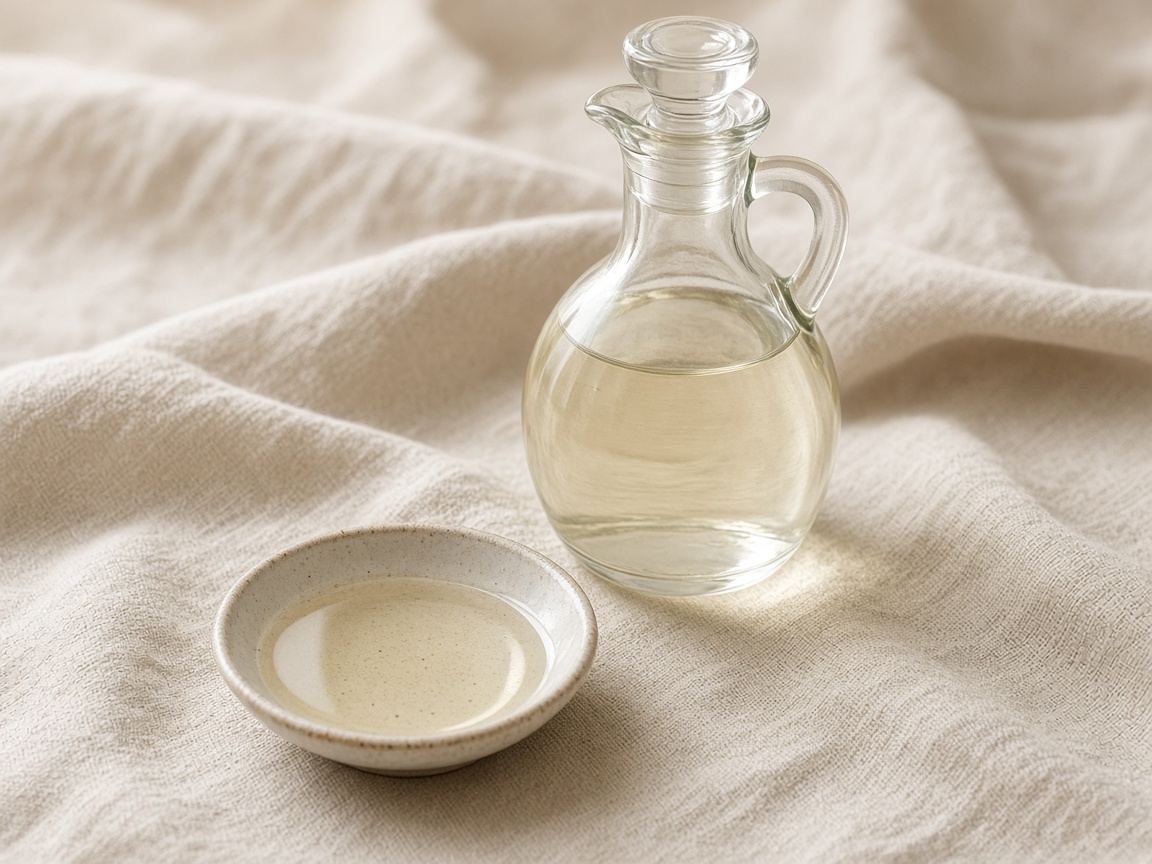
The unnamed sour the books reach for when lemon is not on the board.
The spices, mixes, and hearths that belong to Vietnamese cooking — then the people around them, and the kitchens still joining the table.
Open the Vietnamese pantry Open Vietnamese cookware The Vietnamese table Host a Vietnamese night Join the community