
Pantry · Flavorings
Shrimp paste
Belacan, terasi, kapi — the funk that makes a curry taste like the sea and a village.
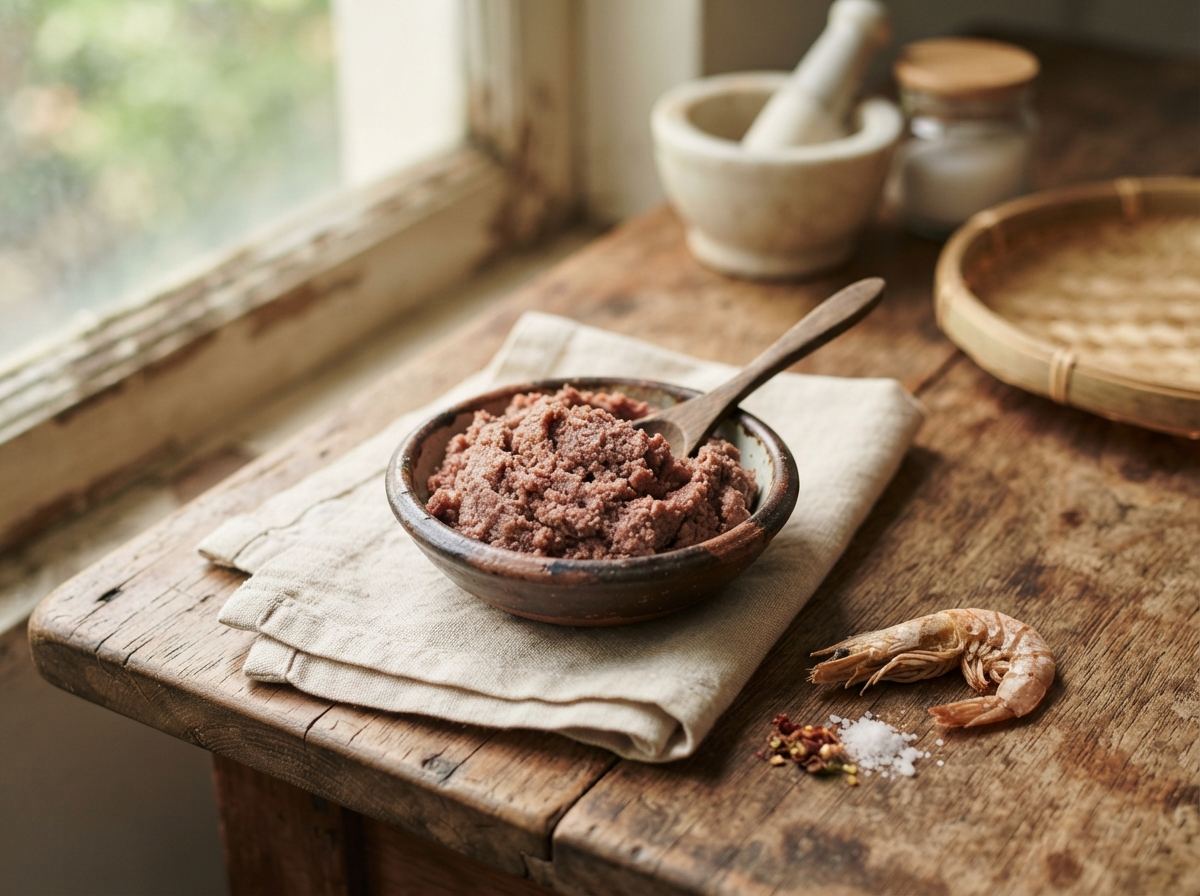
The journey
Shrimp paste is a flavoring with a route. Mainland and island Southeast Asia. Cooks carried the name because a pot without it tasted like a different country.
The corpus names it in 2 recipes across Indonesian and Vietnamese cooking. This page keeps the jar next to the hearths that still reach for it.
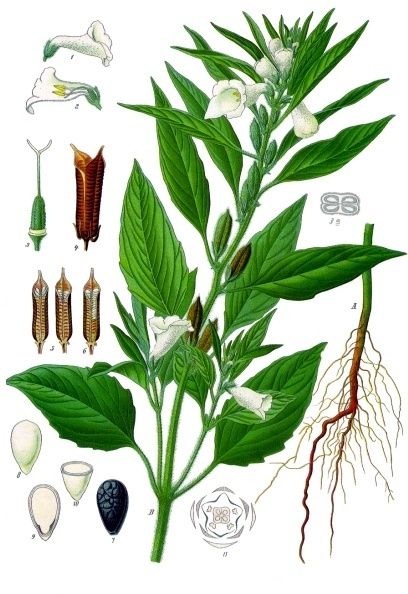
In the kitchen
In Indonesian and Vietnamese cooking, Shrimp paste is not decoration. Add it where the recipe puts it: early if it needs fat and time, late if it is perfume.
Wrap and toast, or fry in oil, before it hits a curry. Raw, it can bully a pot. Cooked, it disappears into the right kind of depth.
Healers and the table
Home kitchens treated Shrimp paste as food that changed a meal — appetite, warmth, or a settled stomach — the way families talk about a jar, not a clinic.
Shrimp paste on a table is supper. Traditional talk around it is not medical advice.
Traditional uses are part of the story of this spice. They are not medical advice.