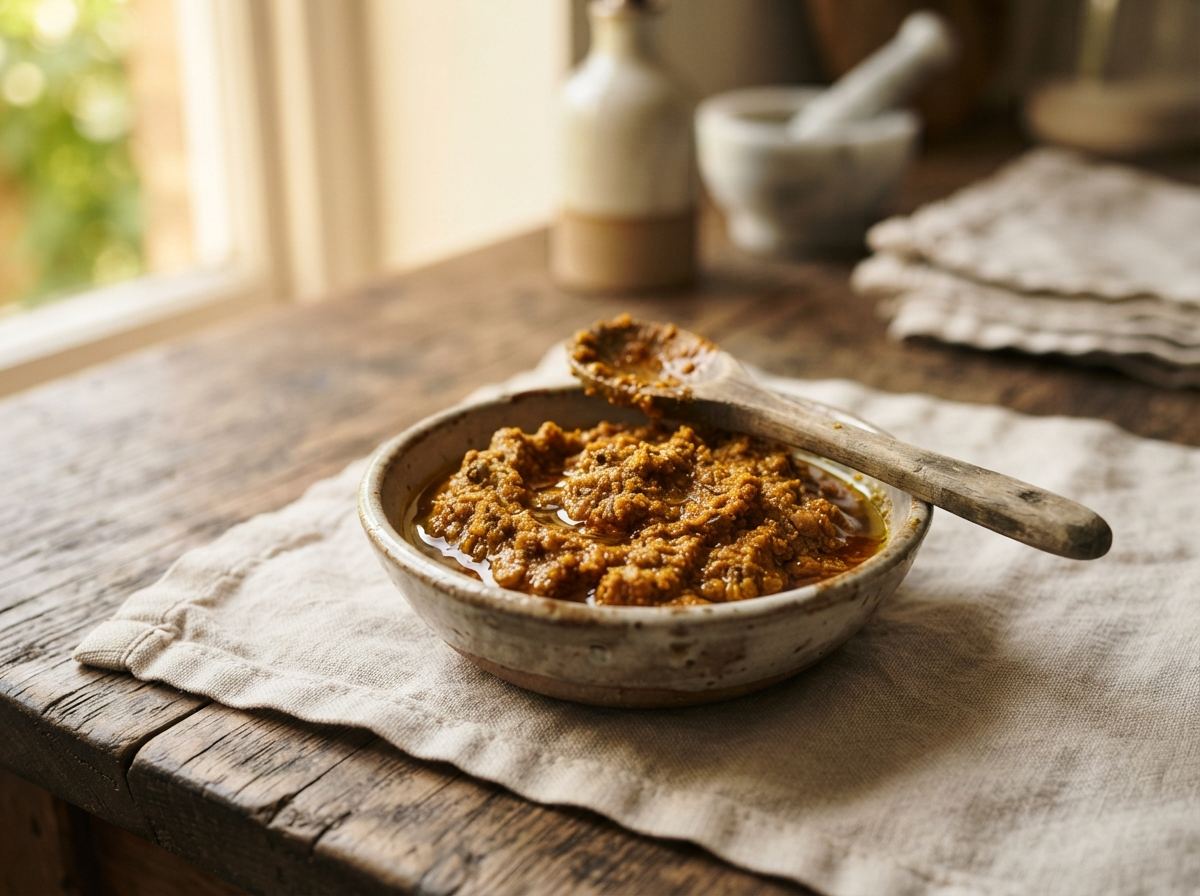
Spice paste
The unnamed pound of aromatics a recipe assumes you already know how to make.
Every mix, leaf, chile, fat, and spice Filipino cooking names in the International Cuisines series — the full shelf a home cook actually reaches for.
The Filipino shelf from the book: what the recipes assume, what the free pages smell like, and what belongs next to the hearths of this kitchen.
Back to Filipino cooking · Open Filipino cookware · The full pantry
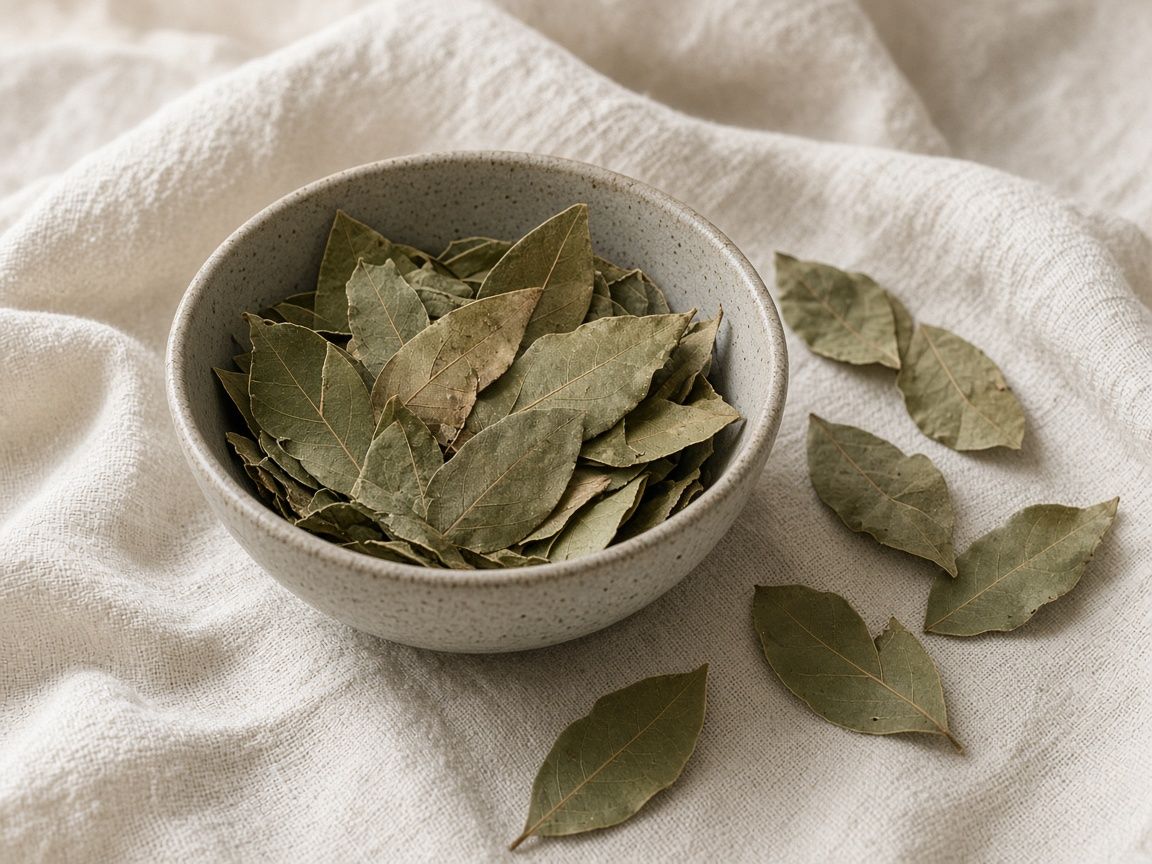
The leaf you never eat and always miss if it is gone: 29 kitchens in the series drop it into a pot and fish it out later.
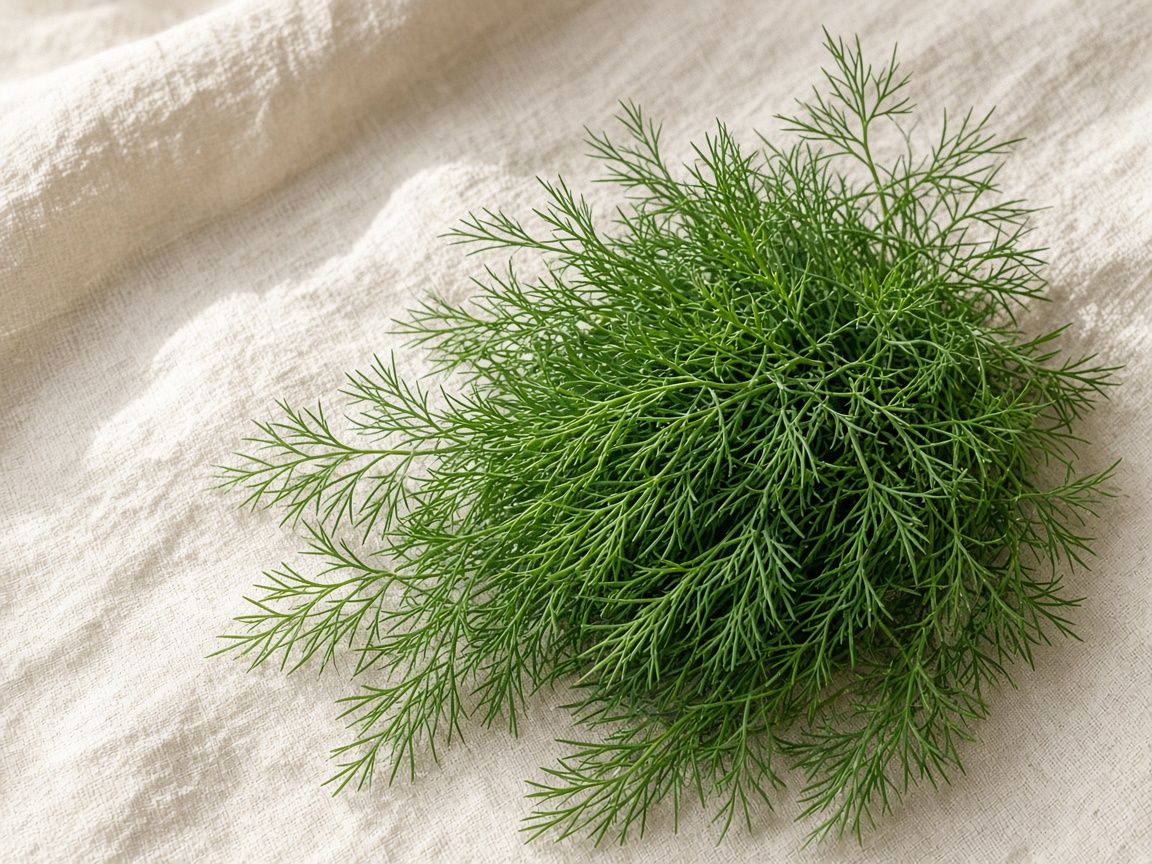
The feathery green of pickles, yogurt, and fish — and, in this series, of 23 kitchens that refuse to treat it as only a Northern herb.
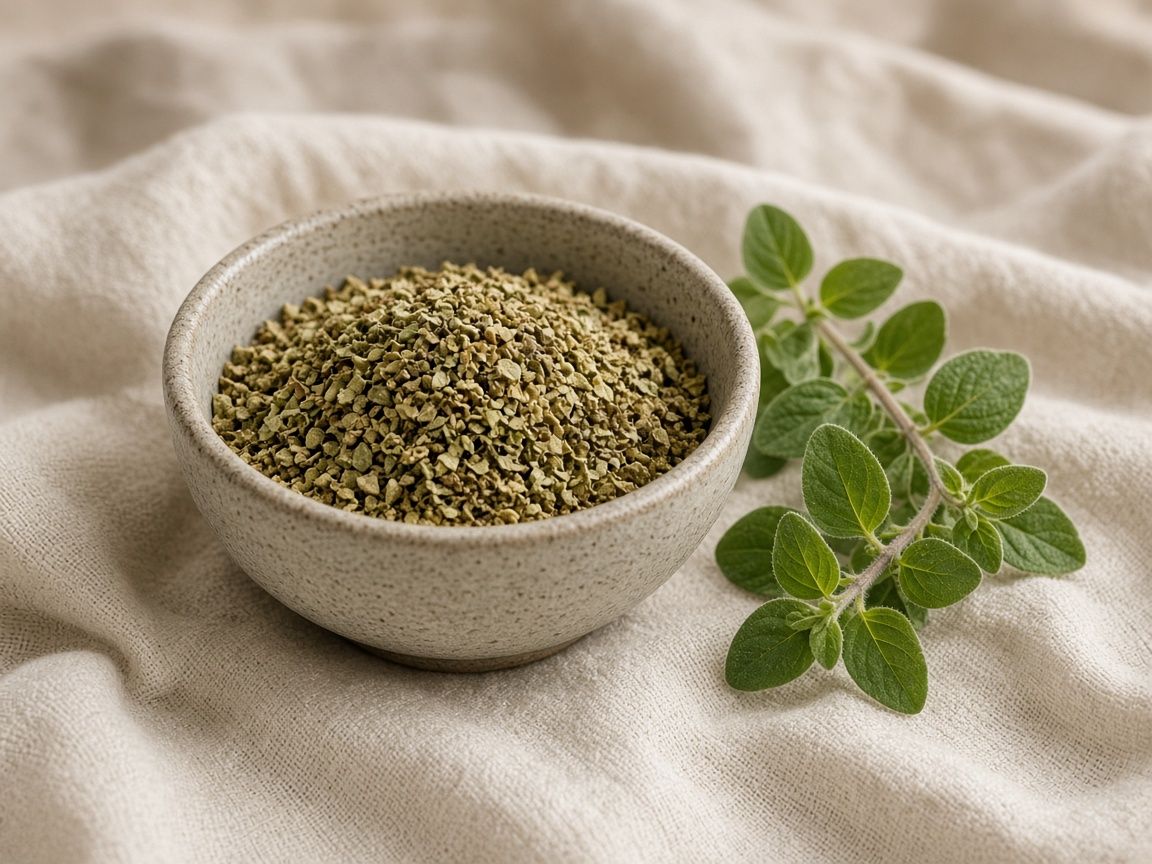
The pizza-and-souvlaki herb that is stronger dried than fresh — a rare plant that prefers the jar.
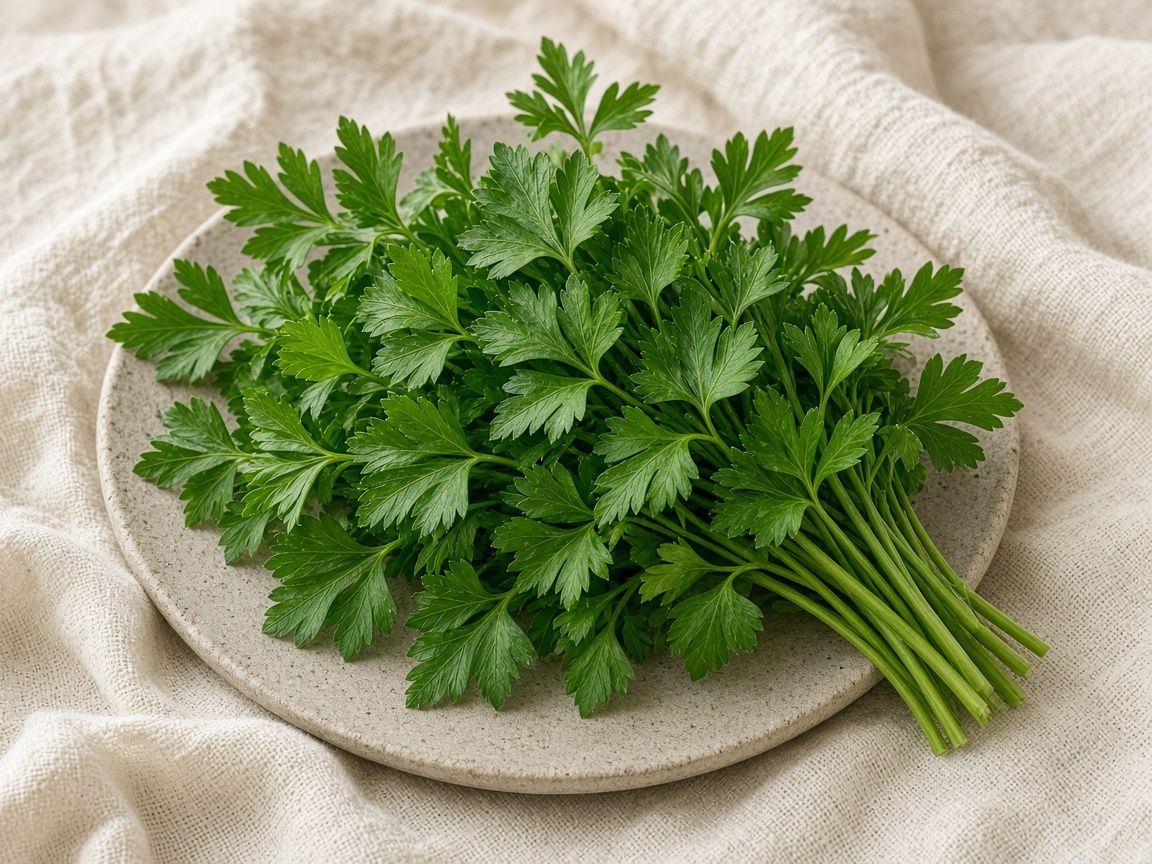
The green that finishes a pot in 27 of the 30 books: not a garnish, a last bright note.
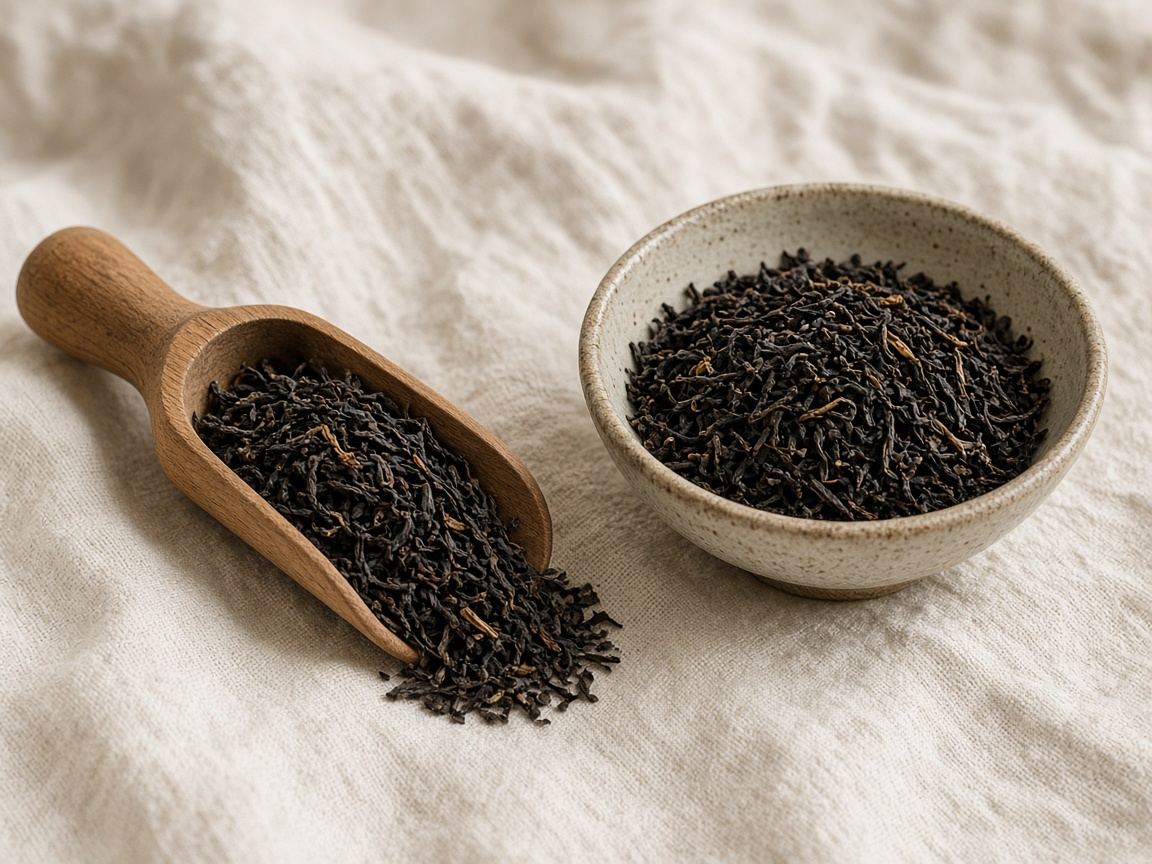
Loose leaves for a pot and for a marinade — jasmine, black, or the ceremony tray.
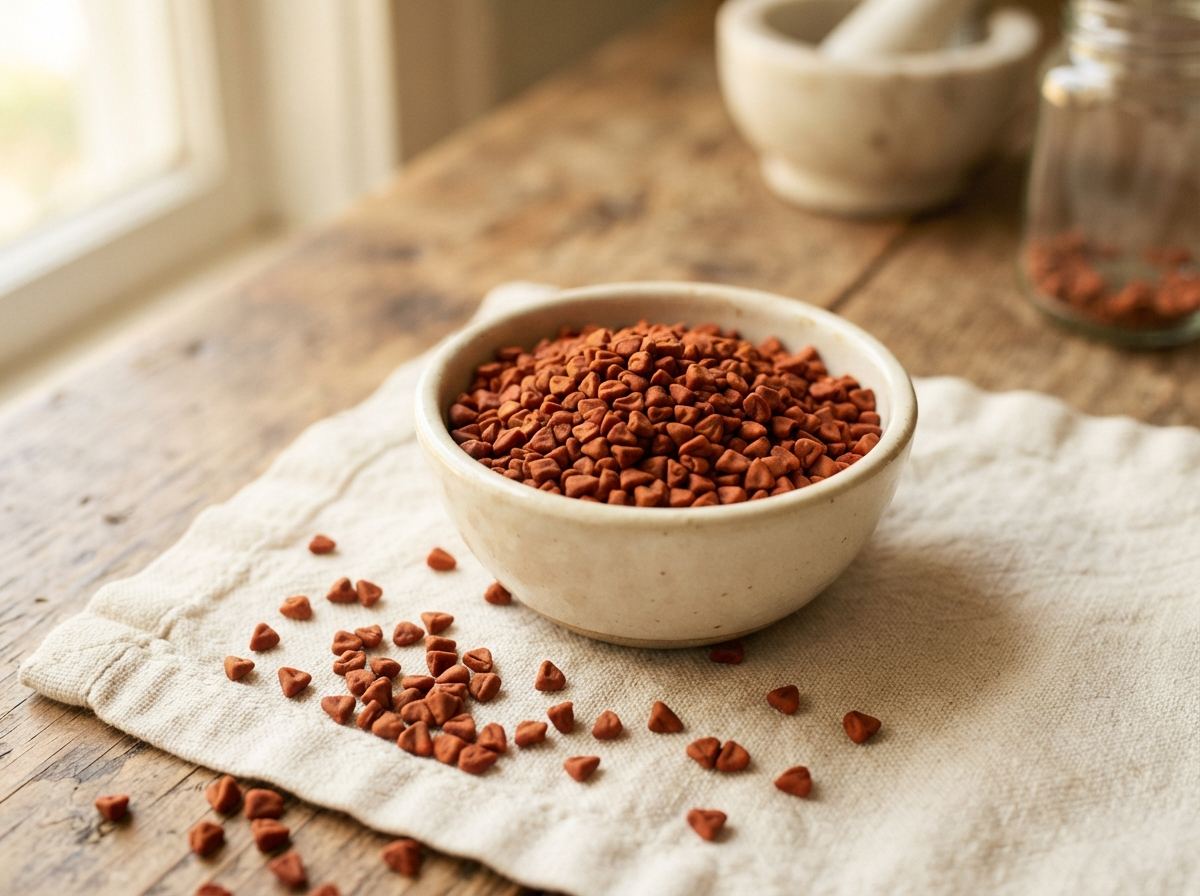
Achiote seeds: color first, a quiet earthy flavor second, the red of recado and arroz con pollo.
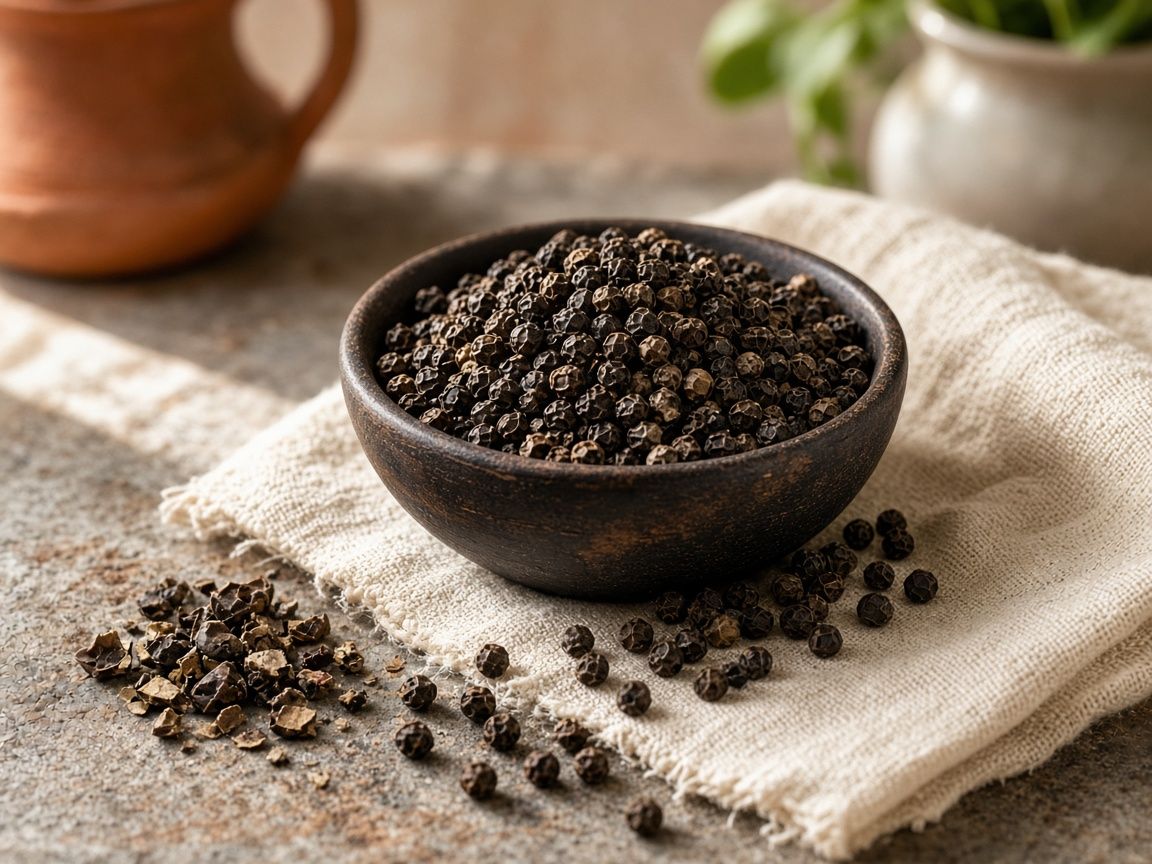
The berry that paid rents, launched fleets, and still sits beside salt on almost every ComidaTime table.
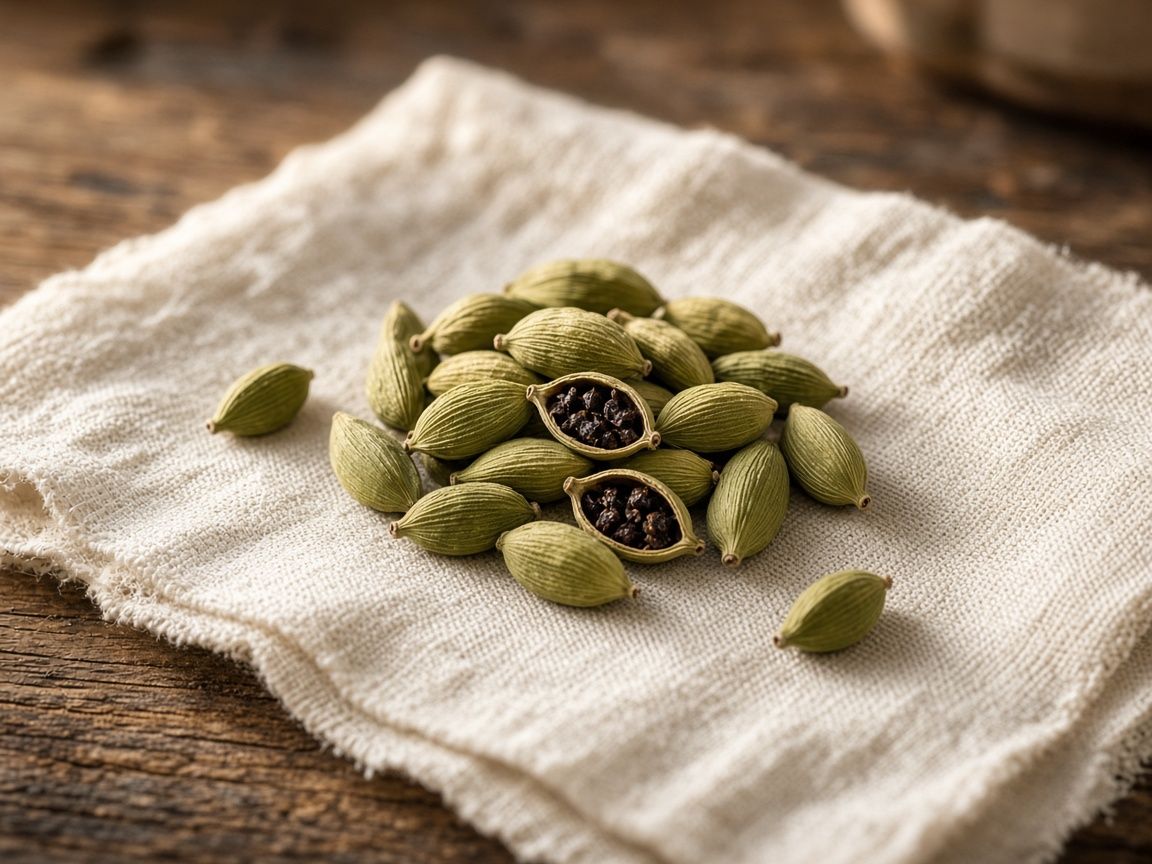
Green pods that smell of eucalyptus and citrus — coffee's companion in the east, pastry's secret in the north.
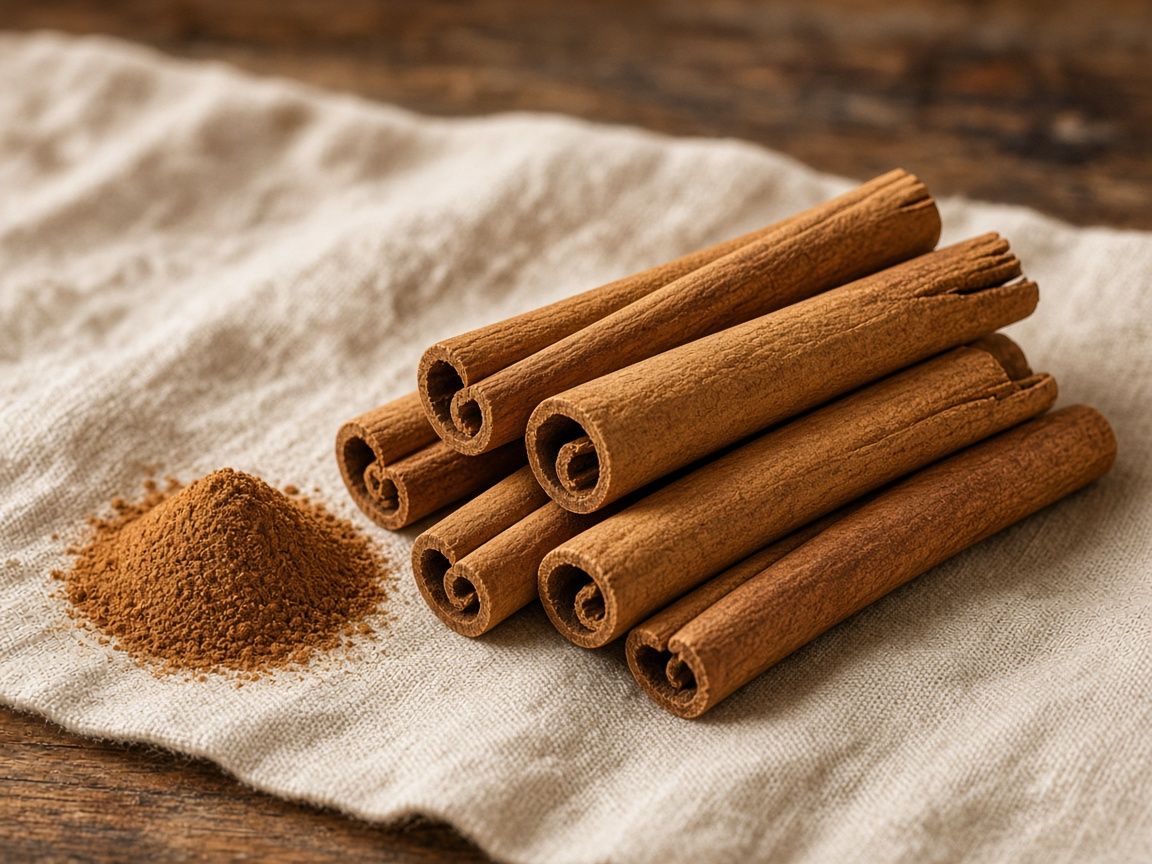
Bark rolled into quills: the sweet wood that traveled with frankincense and still perfumes both pastry and stew.
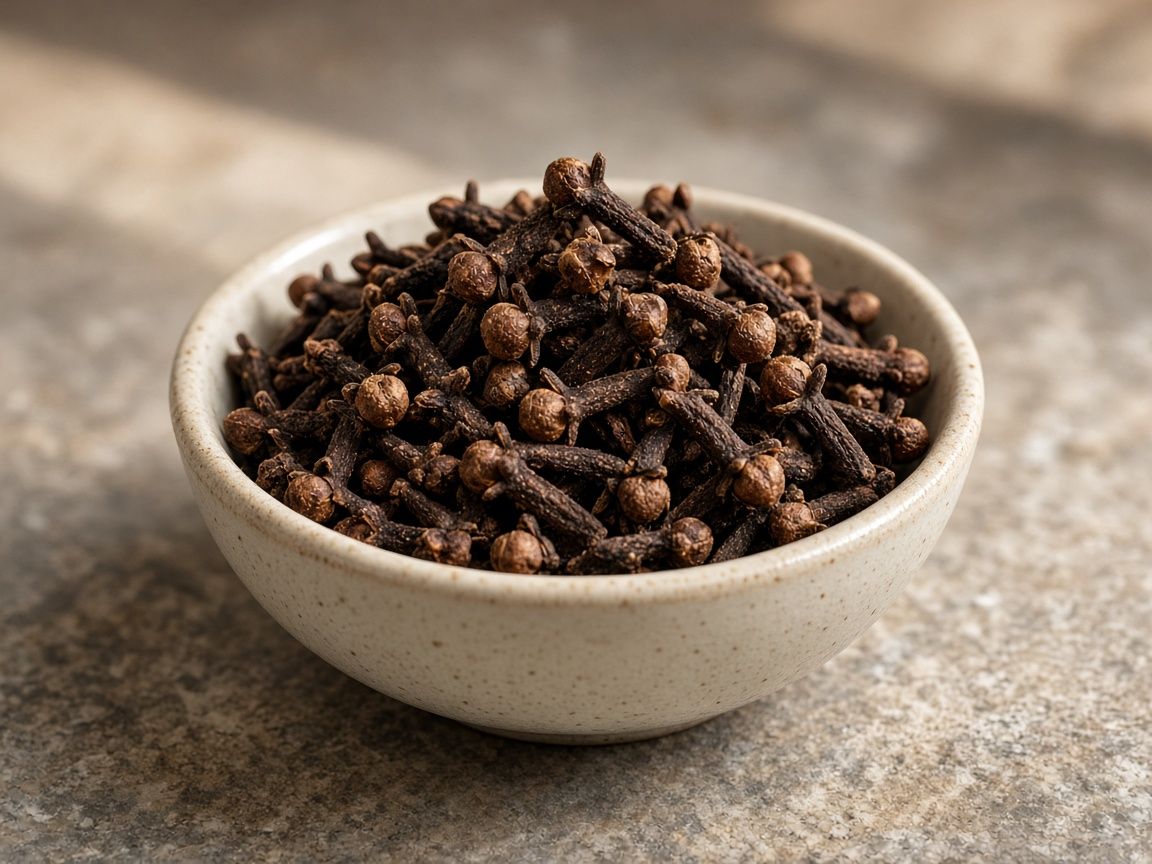
A flower bud that once belonged to a handful of islands — and to every power that wanted those islands.
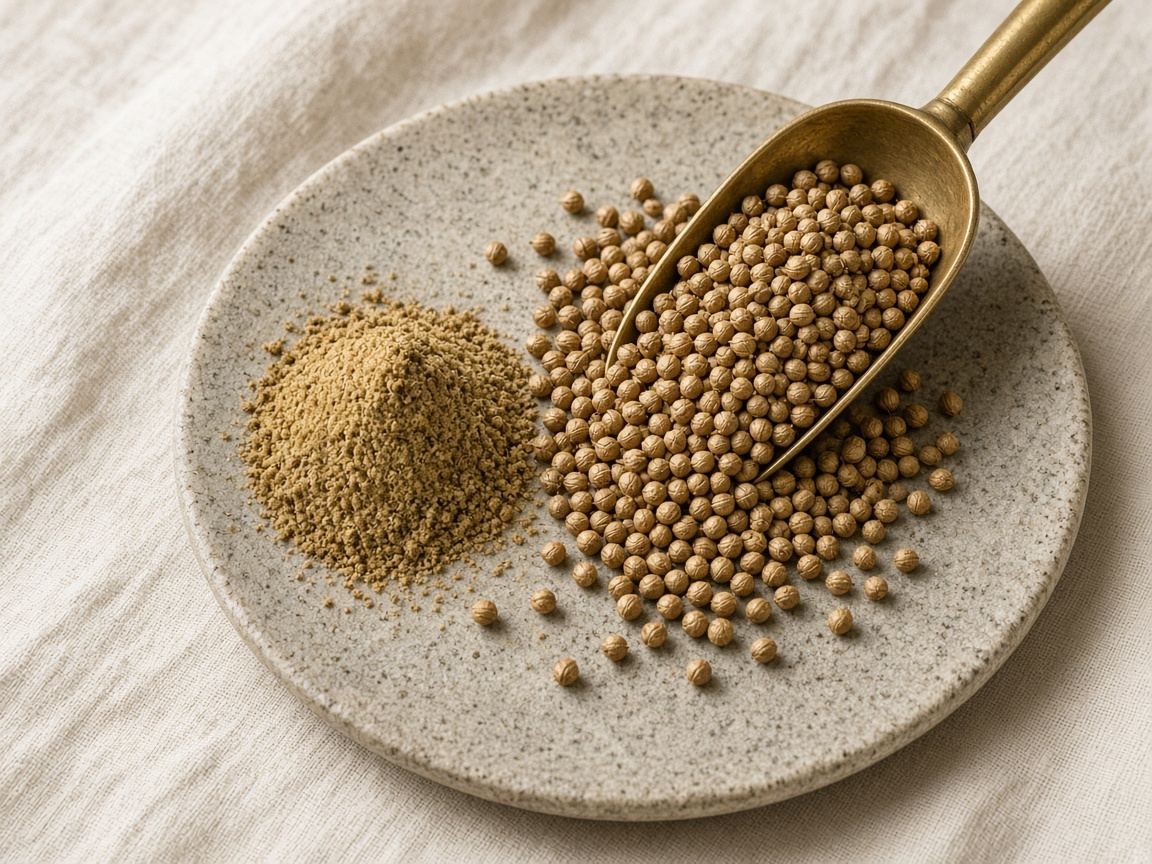
The seed that is not the leaf: warm, lemony, and the other half of cumin in a hundred pastes.
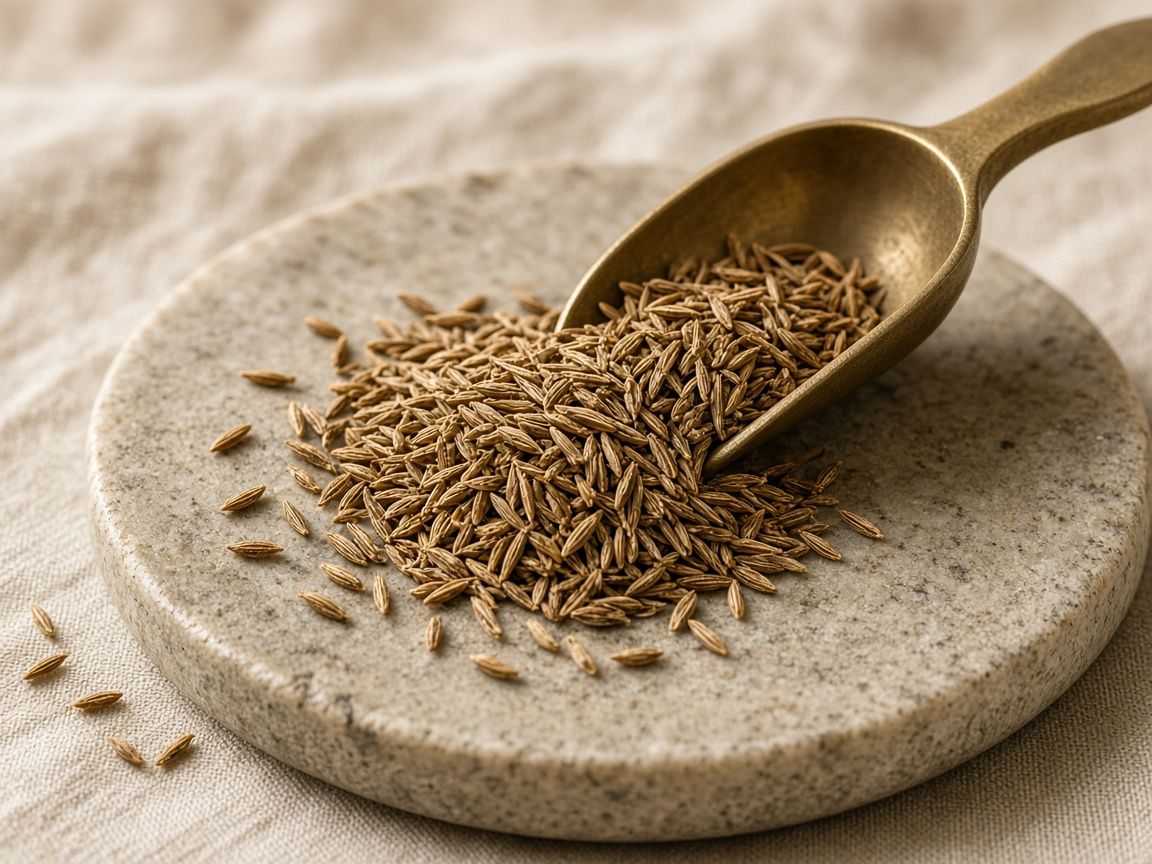
The seed that smells like a courtyard after rain — and the backbone of more ComidaTime recipes than almost any other spice.
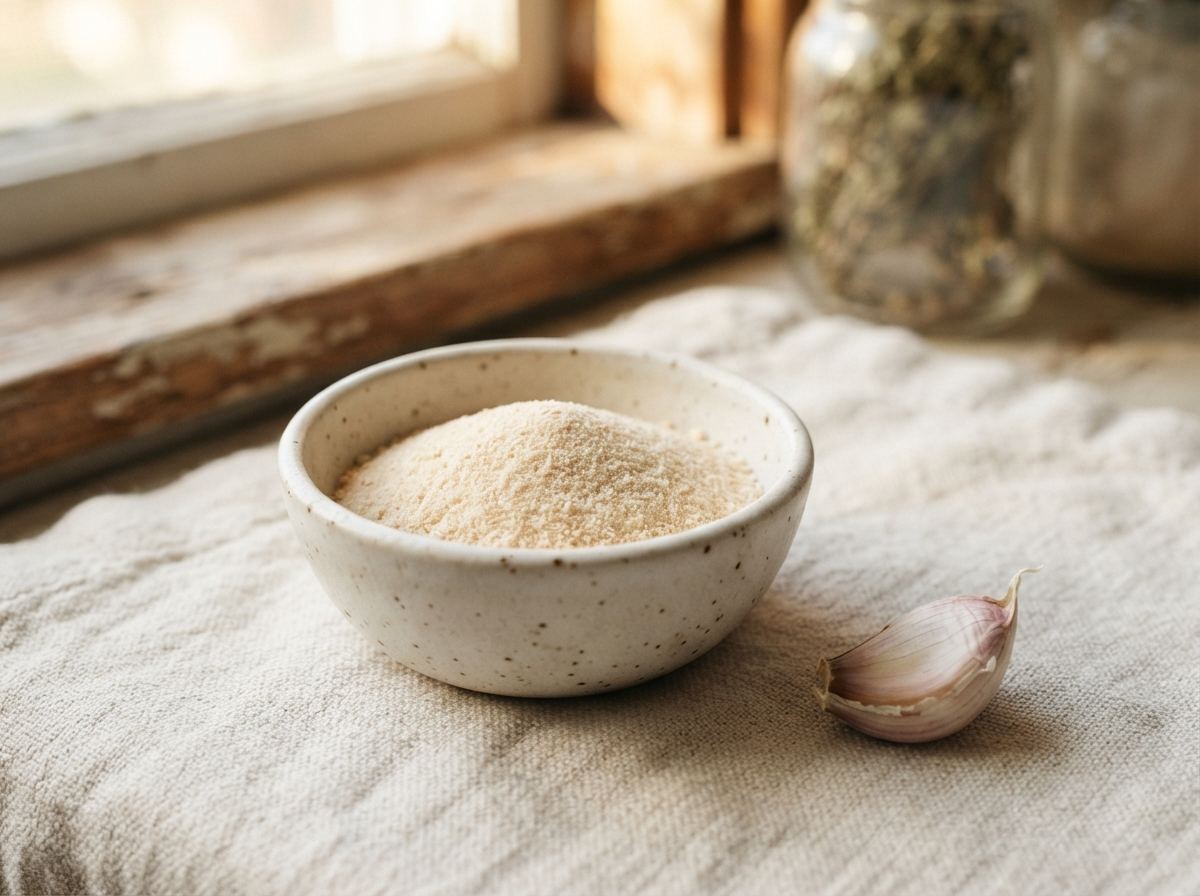
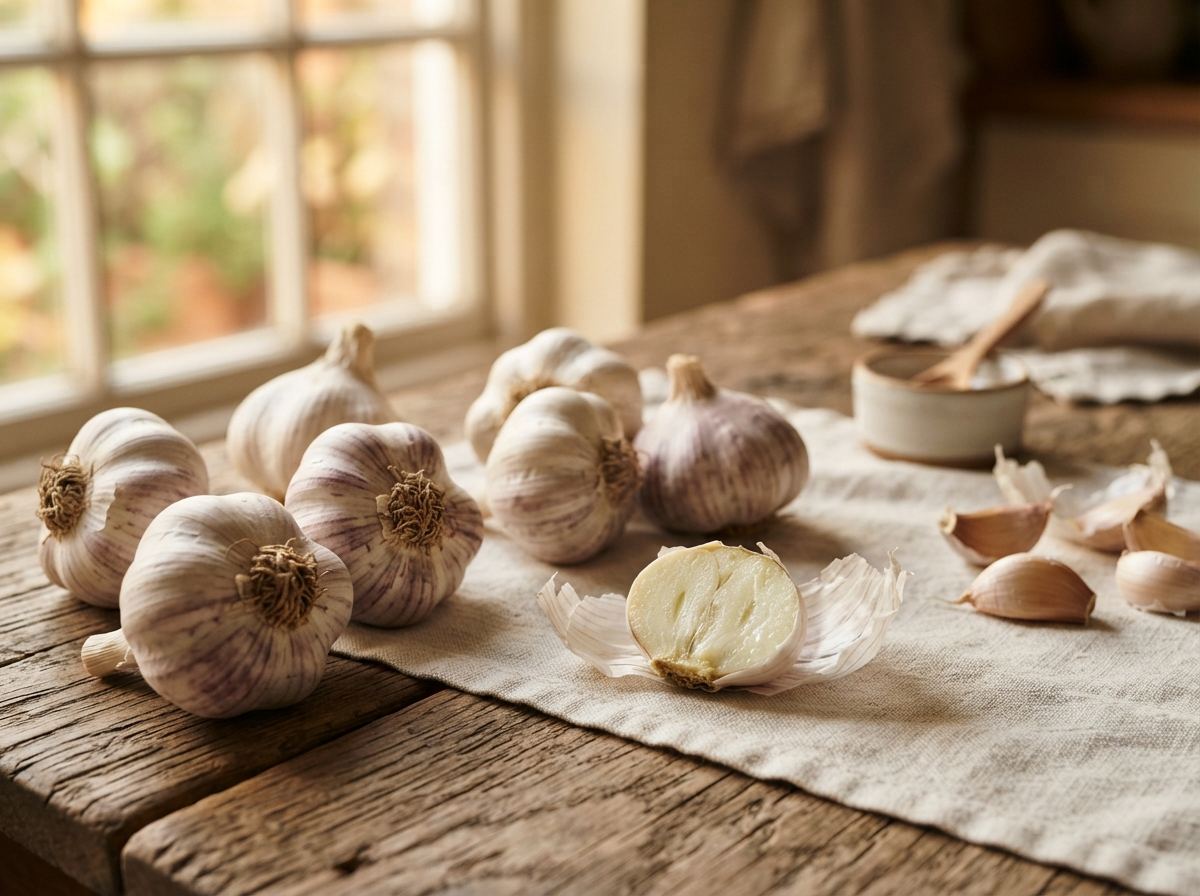
The dry closet version of the clove — useful in a rub, never a substitute for a smashed clove in oil.
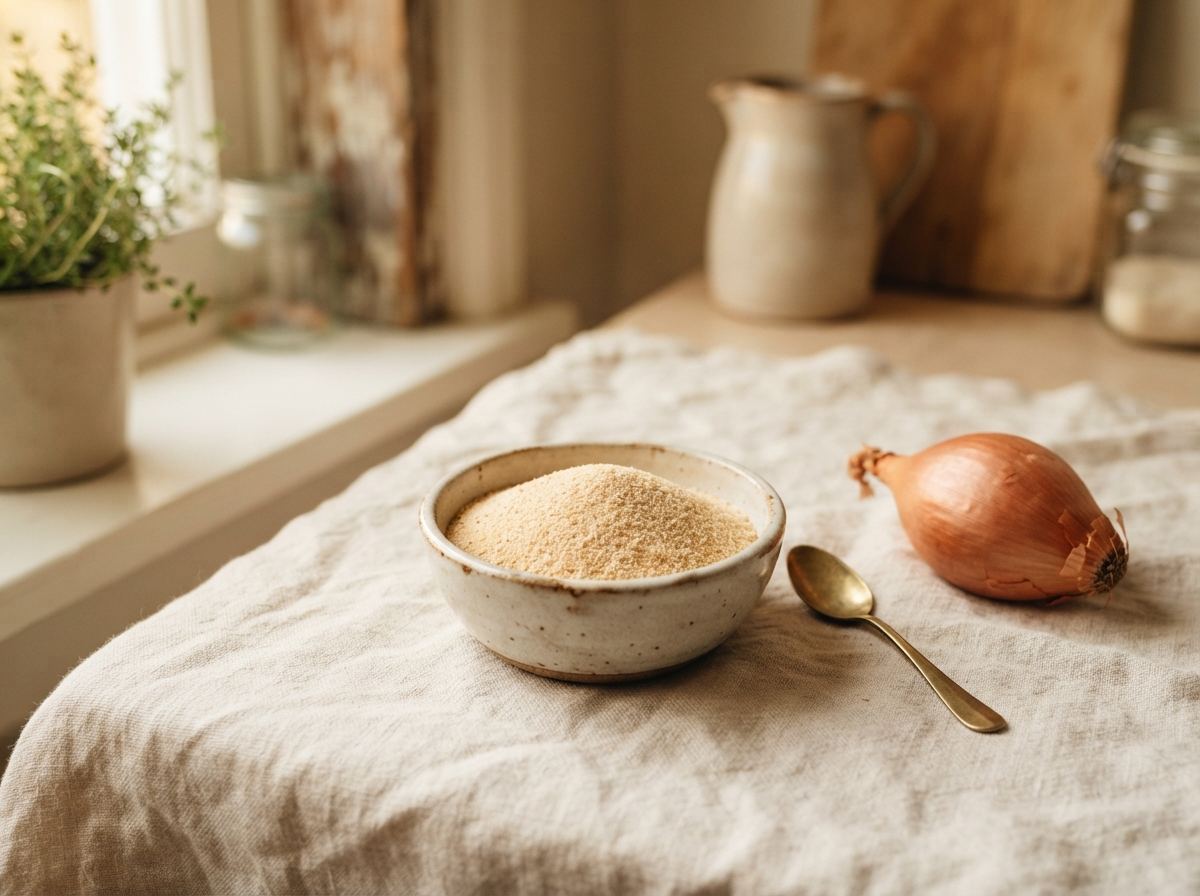
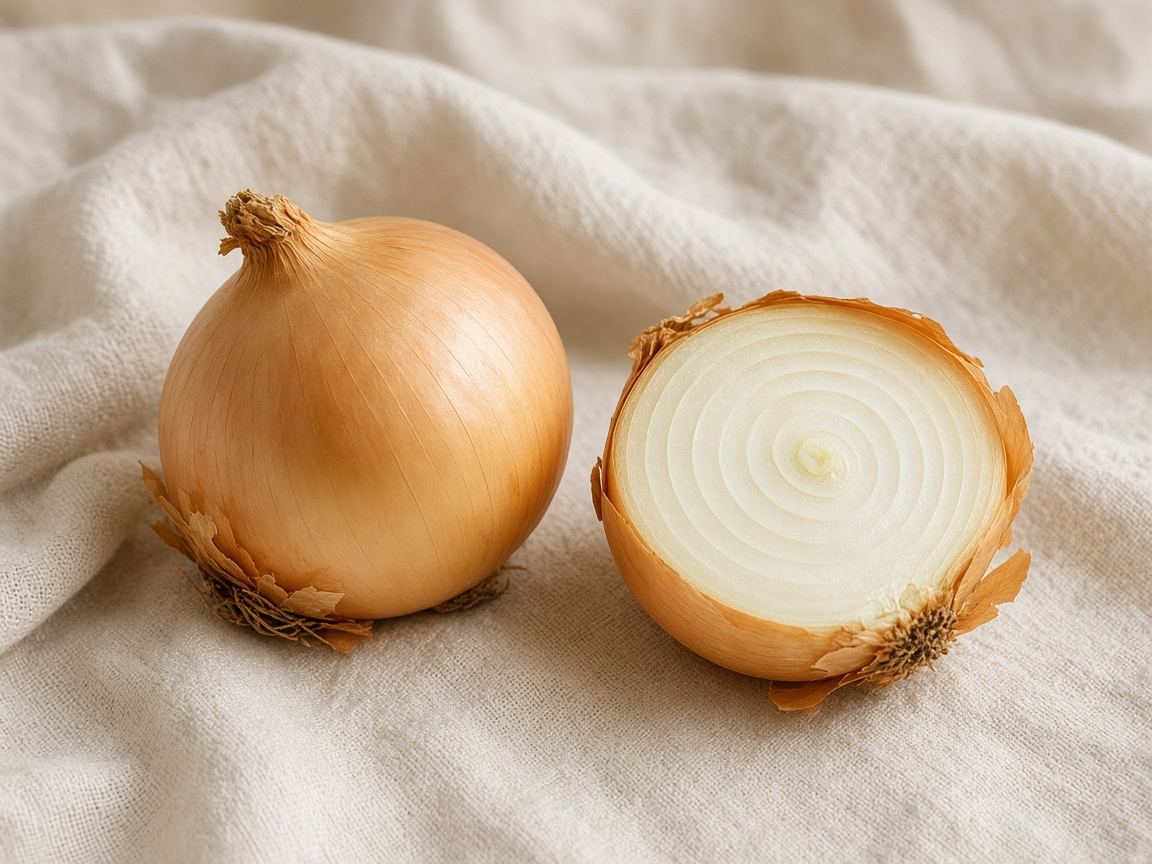
Sweet allium dust for a Cajun shake and a meatloaf the books still write down.
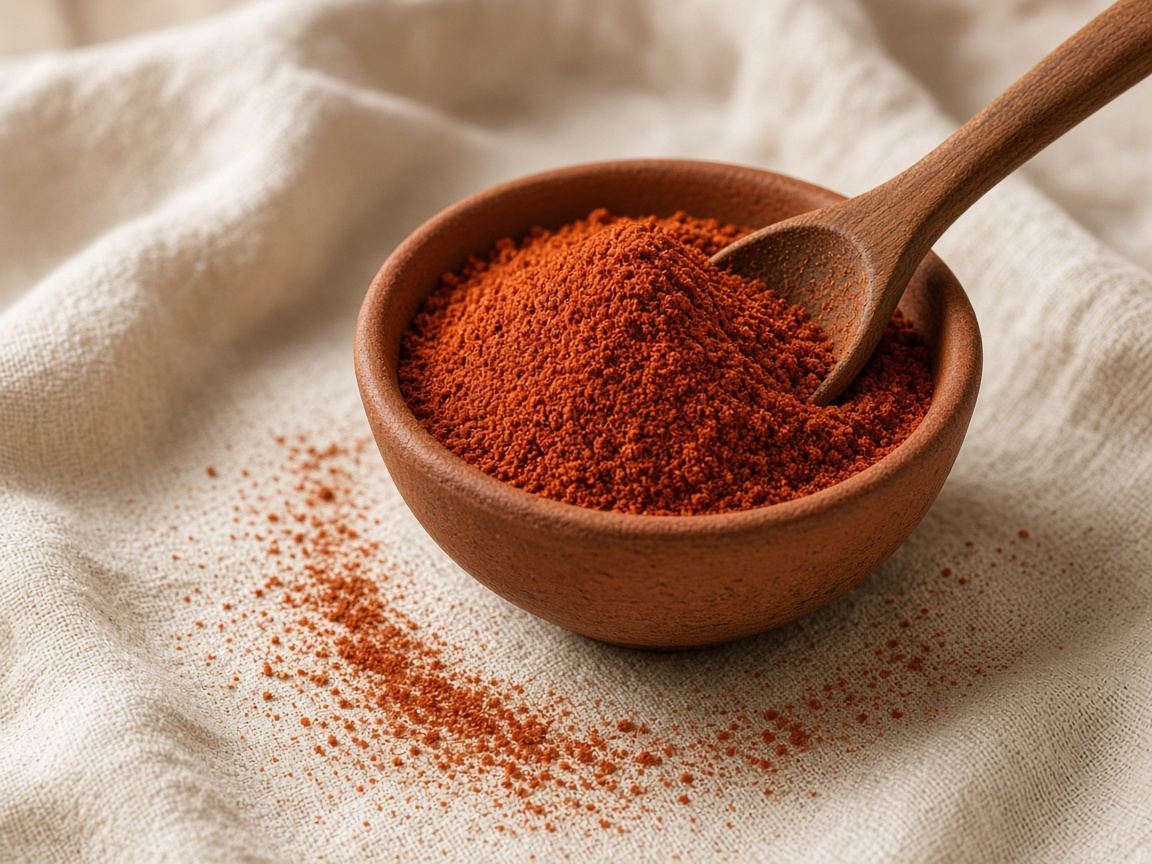
The red powder the 30 books reach for more than any other named spice after salt and pepper: color, sweetness, and a little smoke.
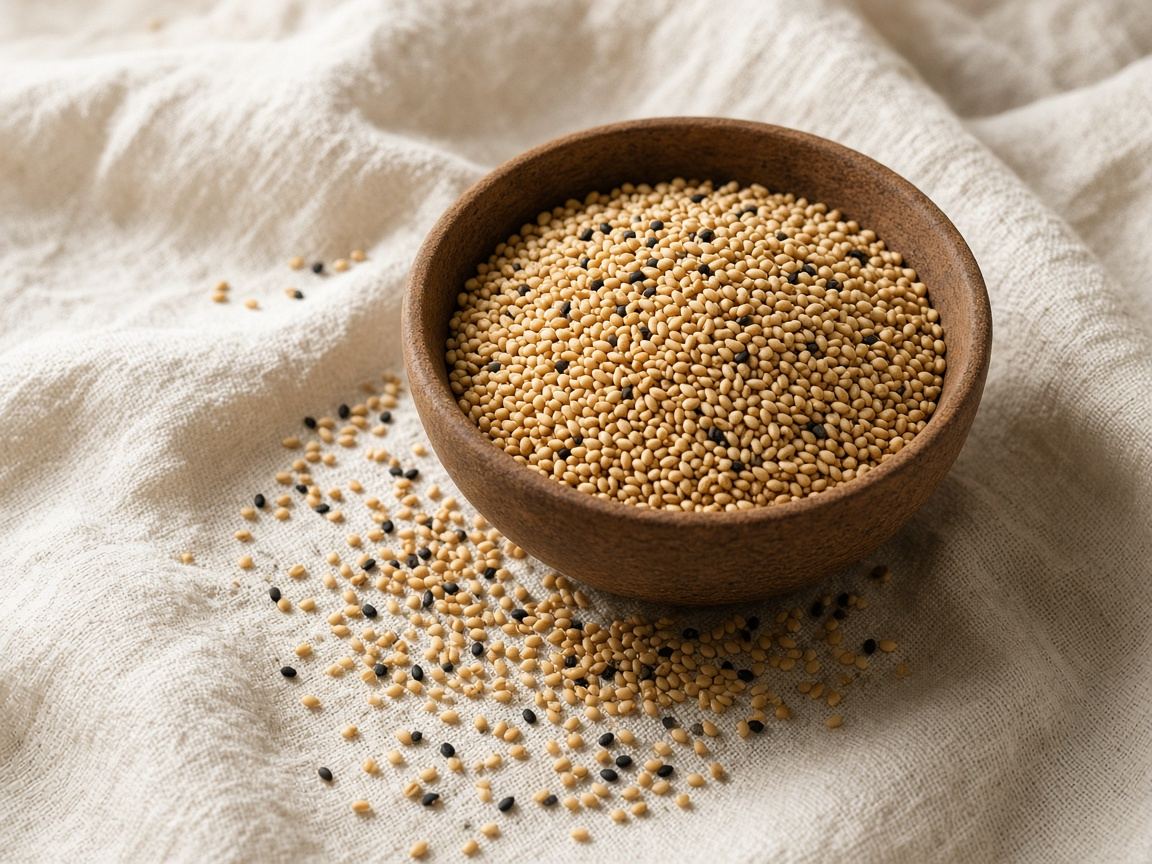
A tiny seed that toasts into a whole aroma: bread, bagels, goma, and the crunch on a Korean banchan.
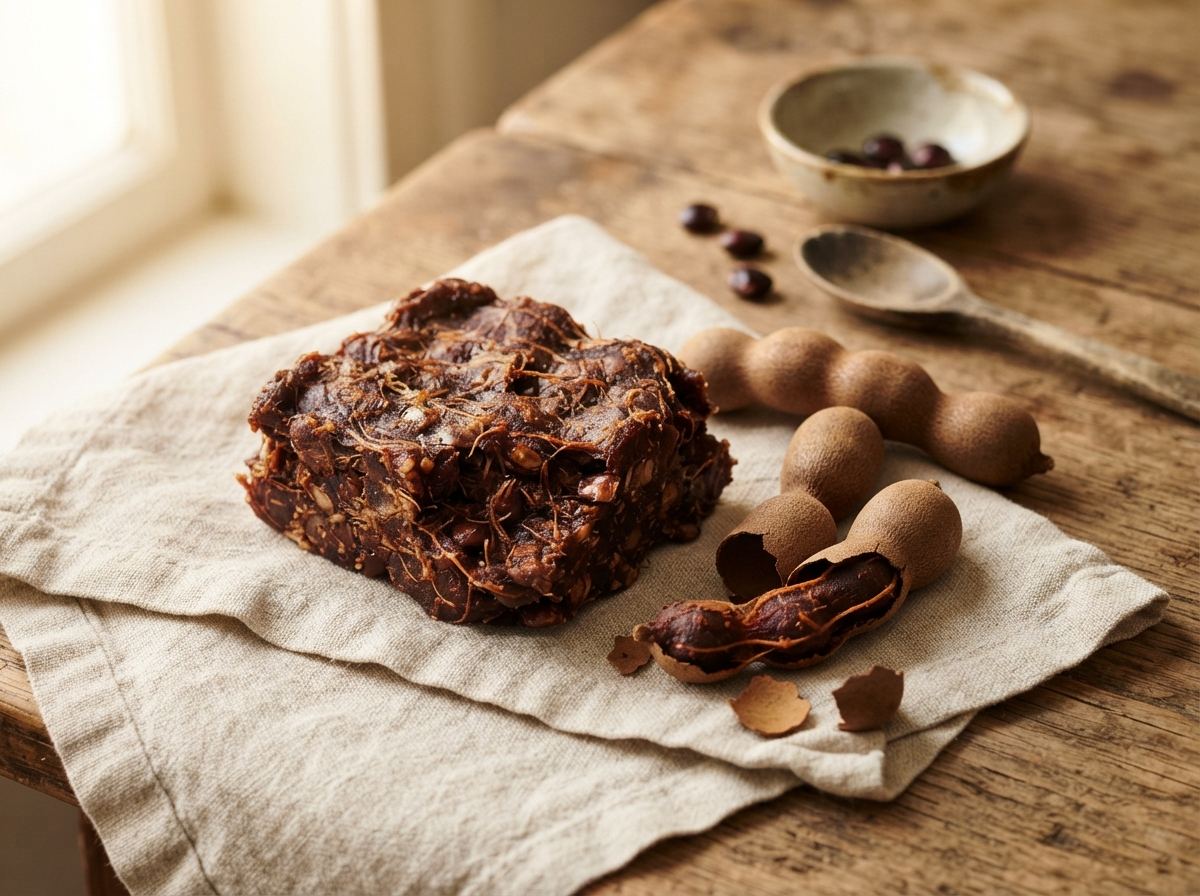
Sour pulp of a shade tree: pad Thai, rasam, agua de tamarindo, and Worcestershire's ghost.
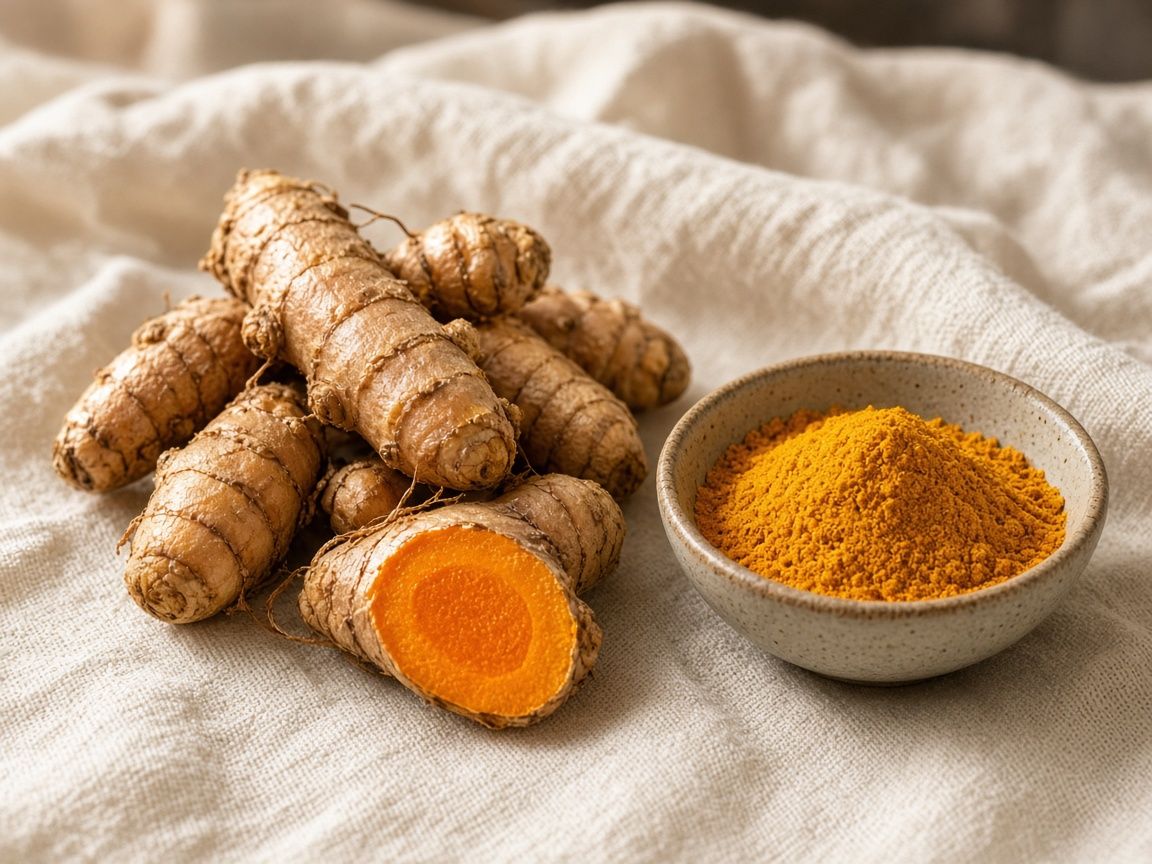
The rhizome that dyes fingers, rice, and memory gold — food first, medicine closet second.
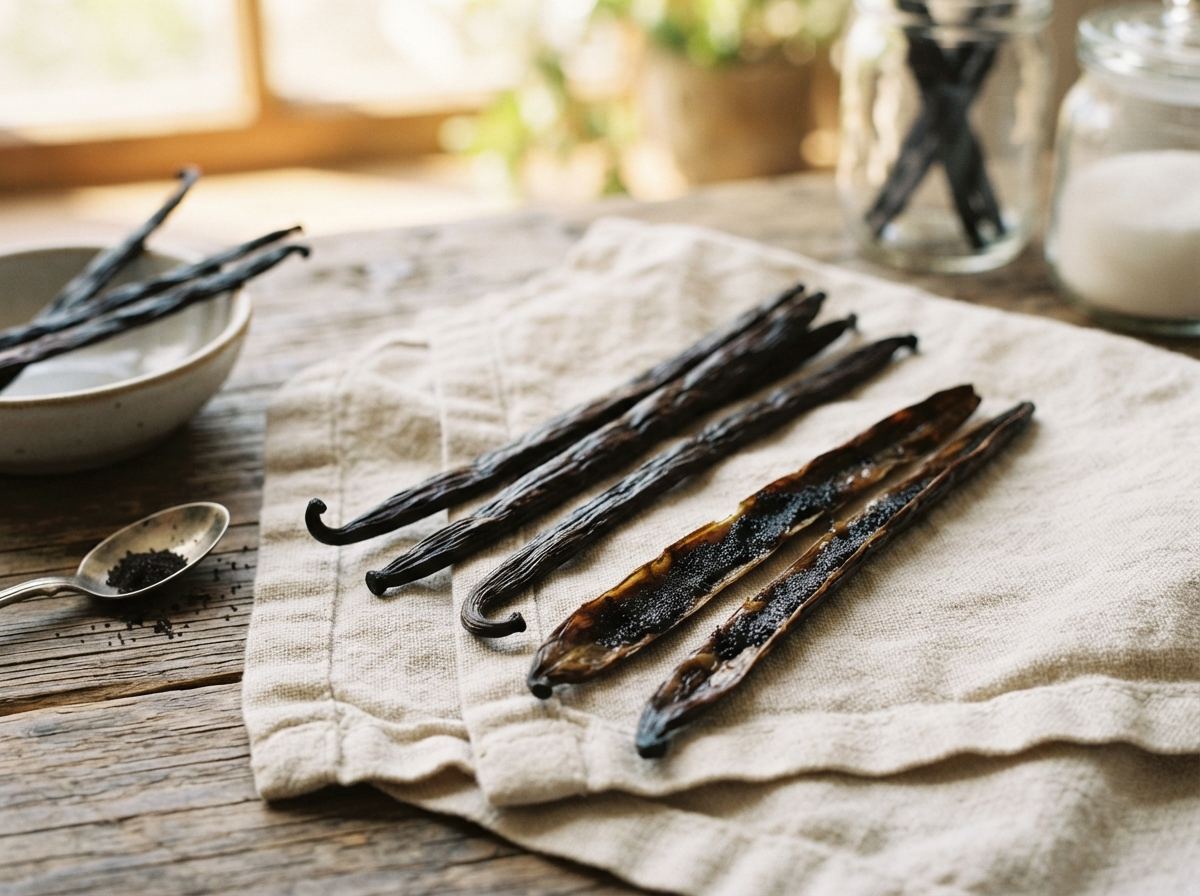
The orchid pod that sweet kitchens treat as air — and savory Mexican moles still remember.
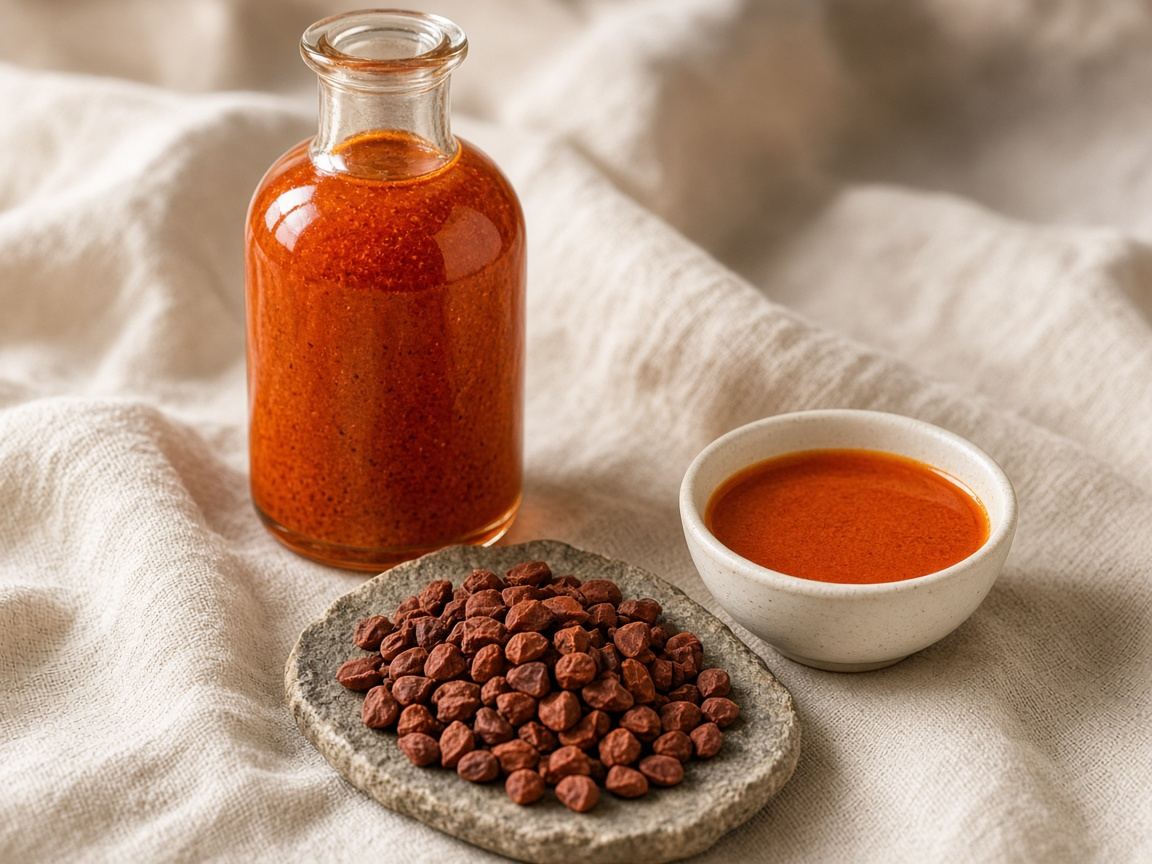
Achiote bloomed in fat — the orange sheen of Caribbean rice and Yucatecan recado.
The fat that appears in every volume of the series: pale, sweet, and older than the word cuisine.
The unnamed bottle the books reach for when the fat should stay quiet: fry, coat, and get out of the spice's way.
The green-gold fat of 29 kitchens in the series: a fruit juice that learned to travel, and then to stay.
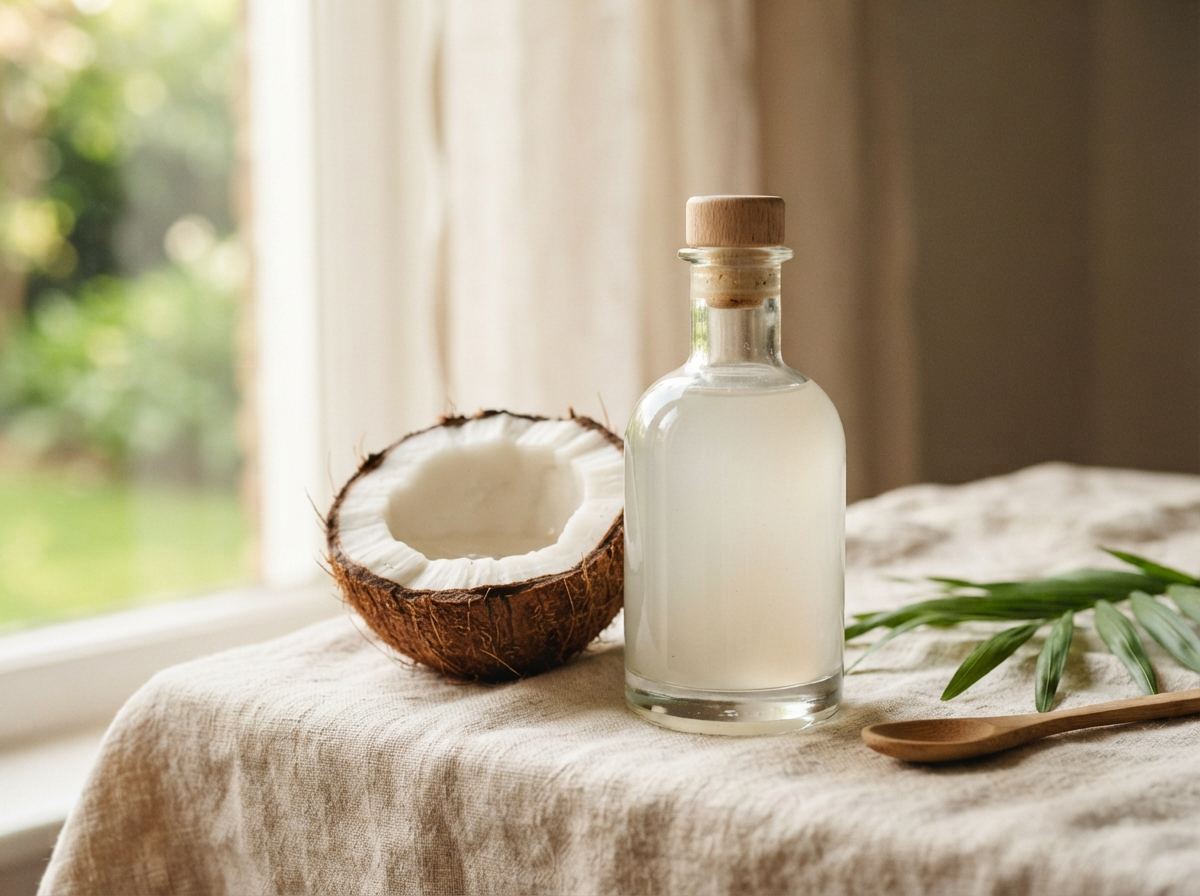
The Filipino sour of adobo when cane vinegar is not in the house.
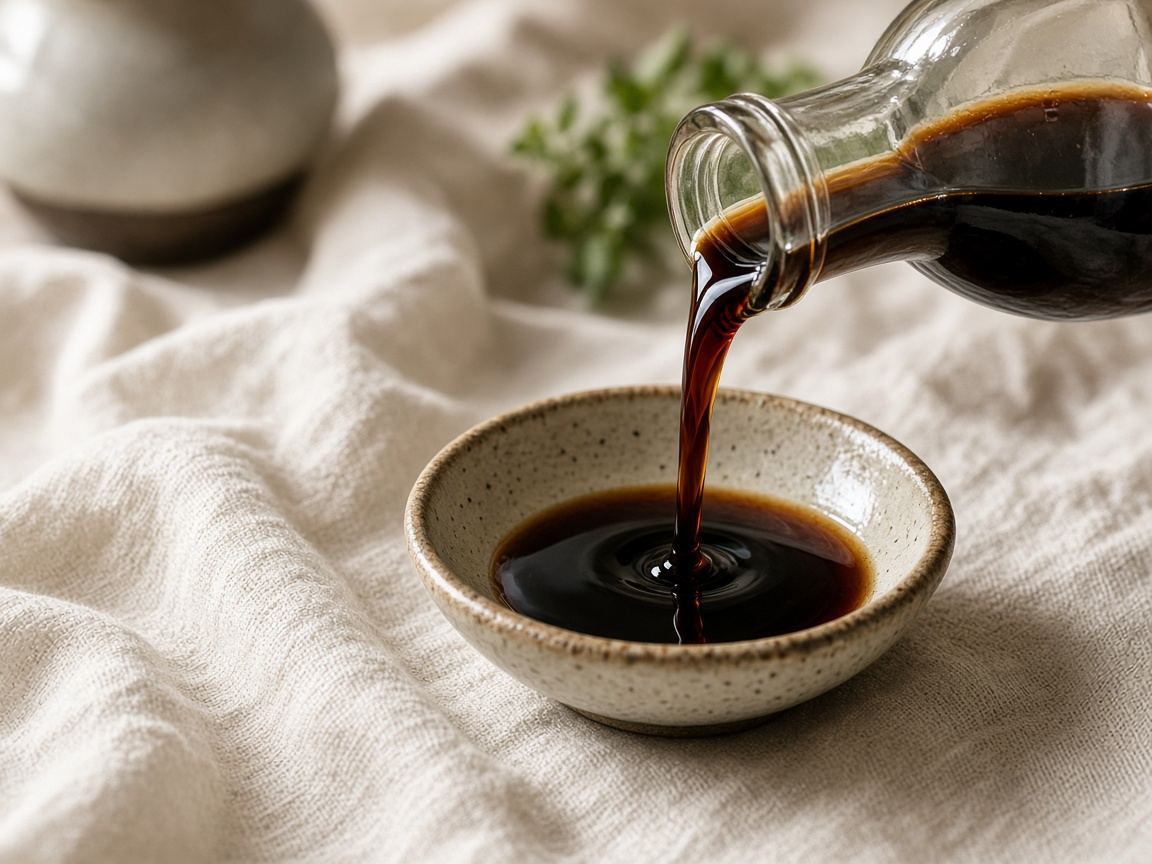
The brown salt of East and Southeast Asian pots: not 'Asian seasoning,' but a specific fermentation the books name thirty-one times.
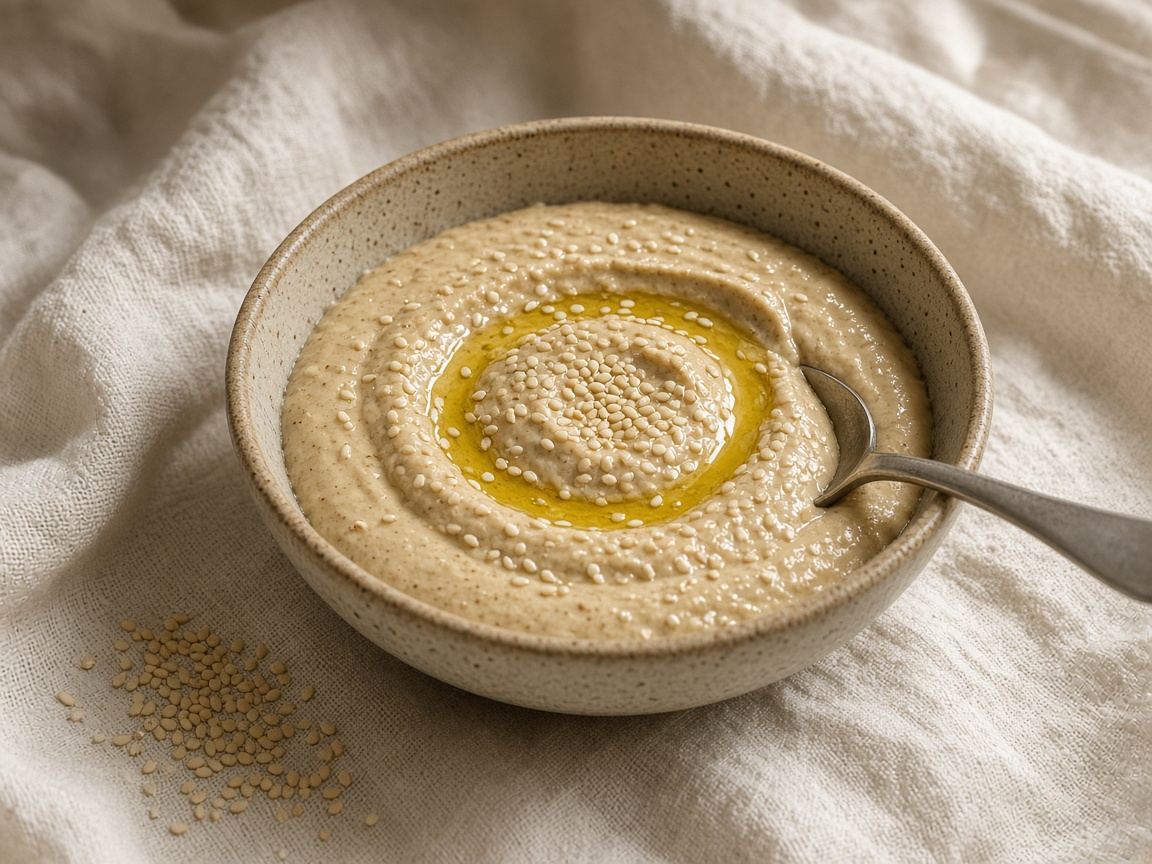
Sesame turned into a sauce: hummus, a dressing, a drizzle, and the jar the books open in twenty kitchens.
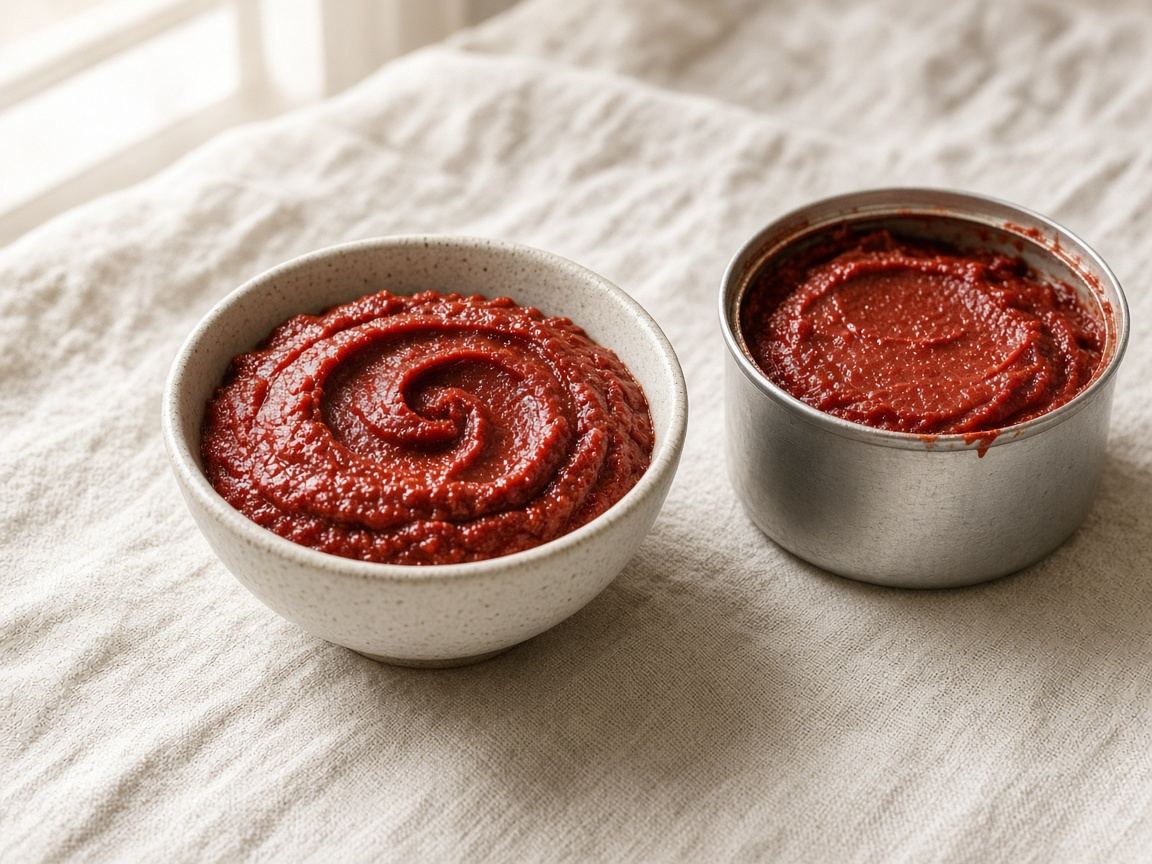
The spoon of cooked tomato that turns a thin pot into a sauce — 28 kitchens in the series keep a tin.
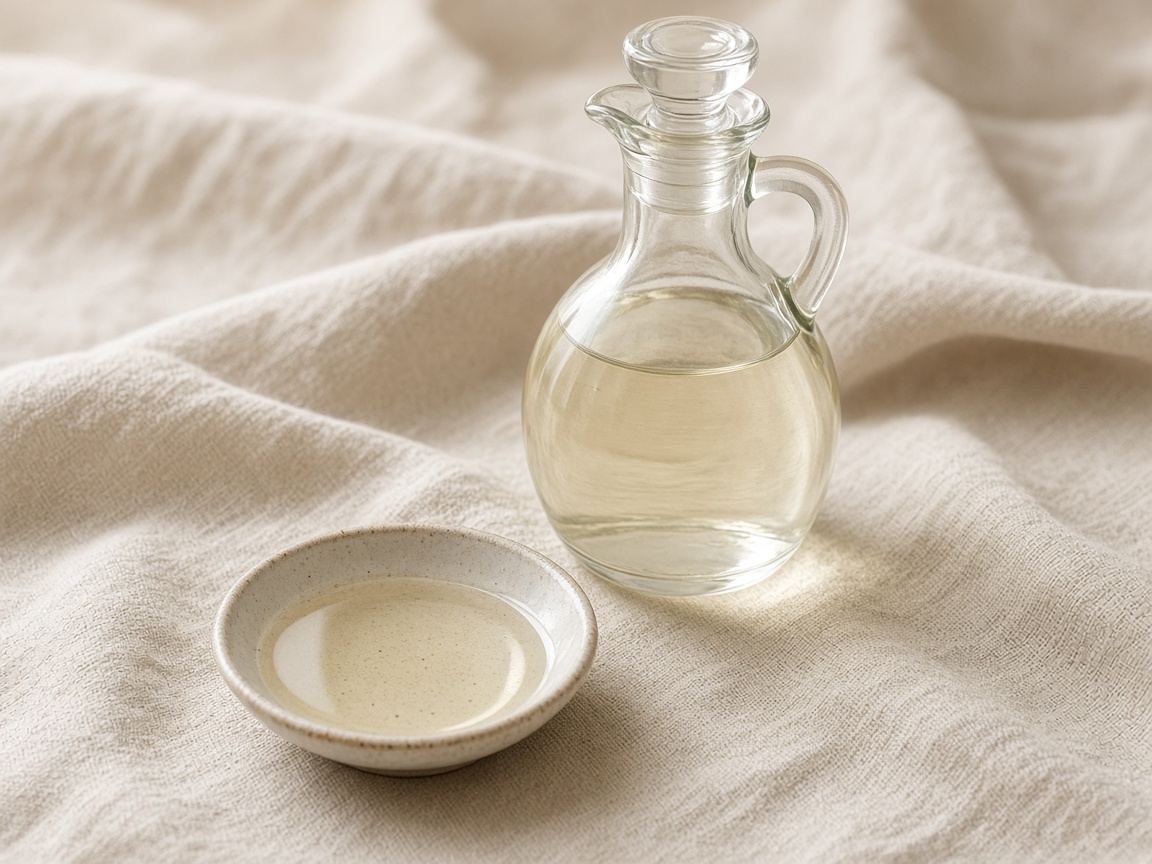
The unnamed sour the books reach for when lemon is not on the board.
The spices, mixes, and hearths that belong to Filipino cooking — then the people around them, and the kitchens still joining the table.
Open the Filipino pantry Open Filipino cookware The Filipino table Host a Filipino night Join the community