
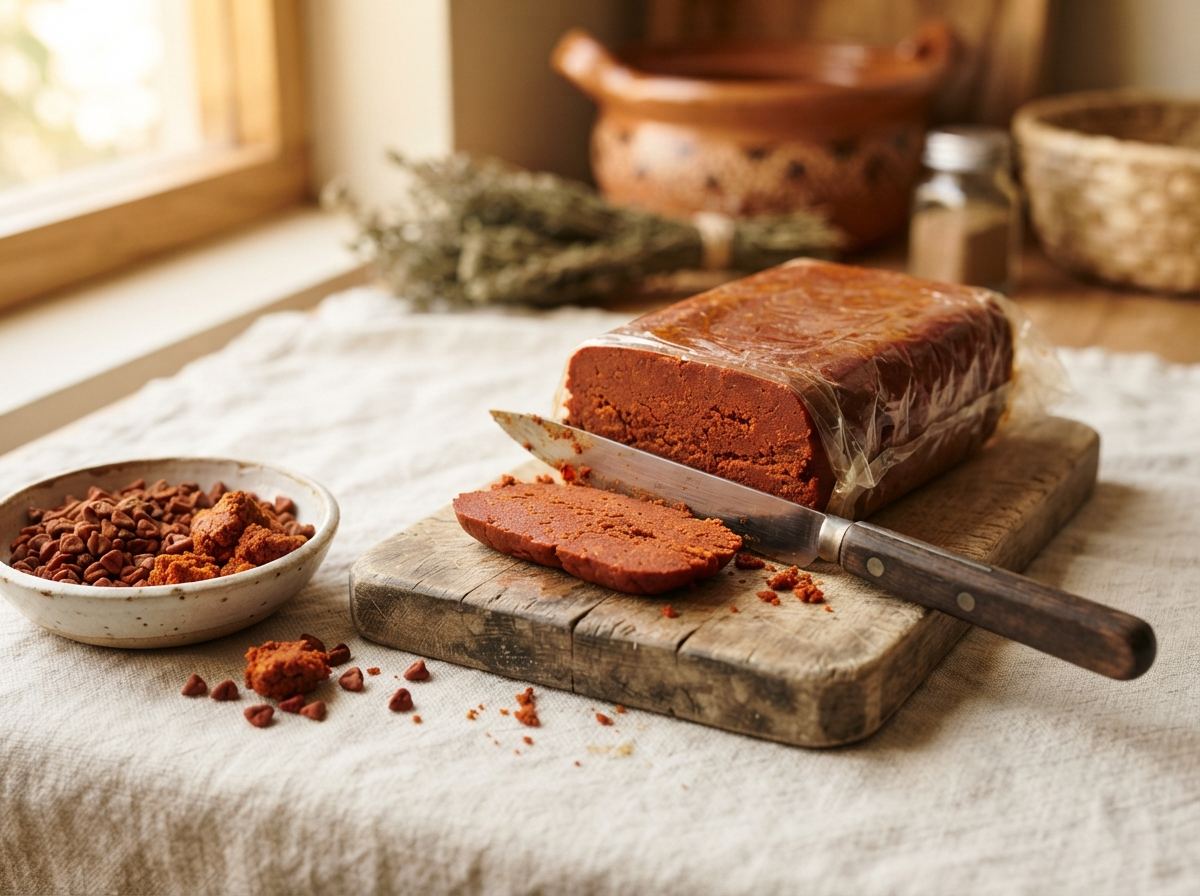
Achiote paste
Annatto ground with sour orange and spice — the red that makes Yucatán cochinita look like itself.
Every mix, leaf, chile, fat, and spice Mexican cooking names in the International Cuisines series — the full shelf a home cook actually reaches for.
The Mexican shelf from the book: what the recipes assume, what the free pages smell like, and what belongs next to the hearths of this kitchen.
Back to Mexican cooking · Open Mexican cookware · The full pantry
Annatto ground with sour orange and spice — the red that makes Yucatán cochinita look like itself.
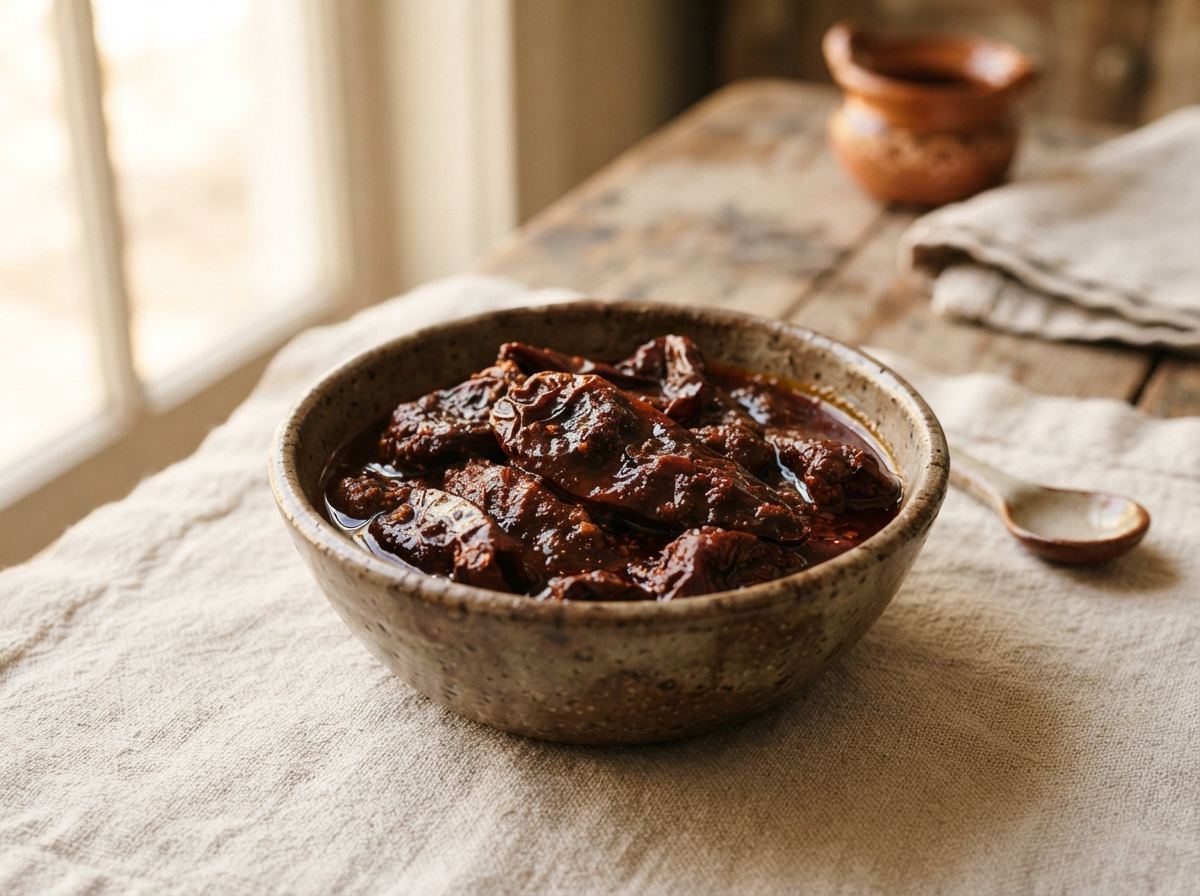
Smoked jalapeños swimming in a tomato-vinegar sauce — Mexico in a can the books trust.
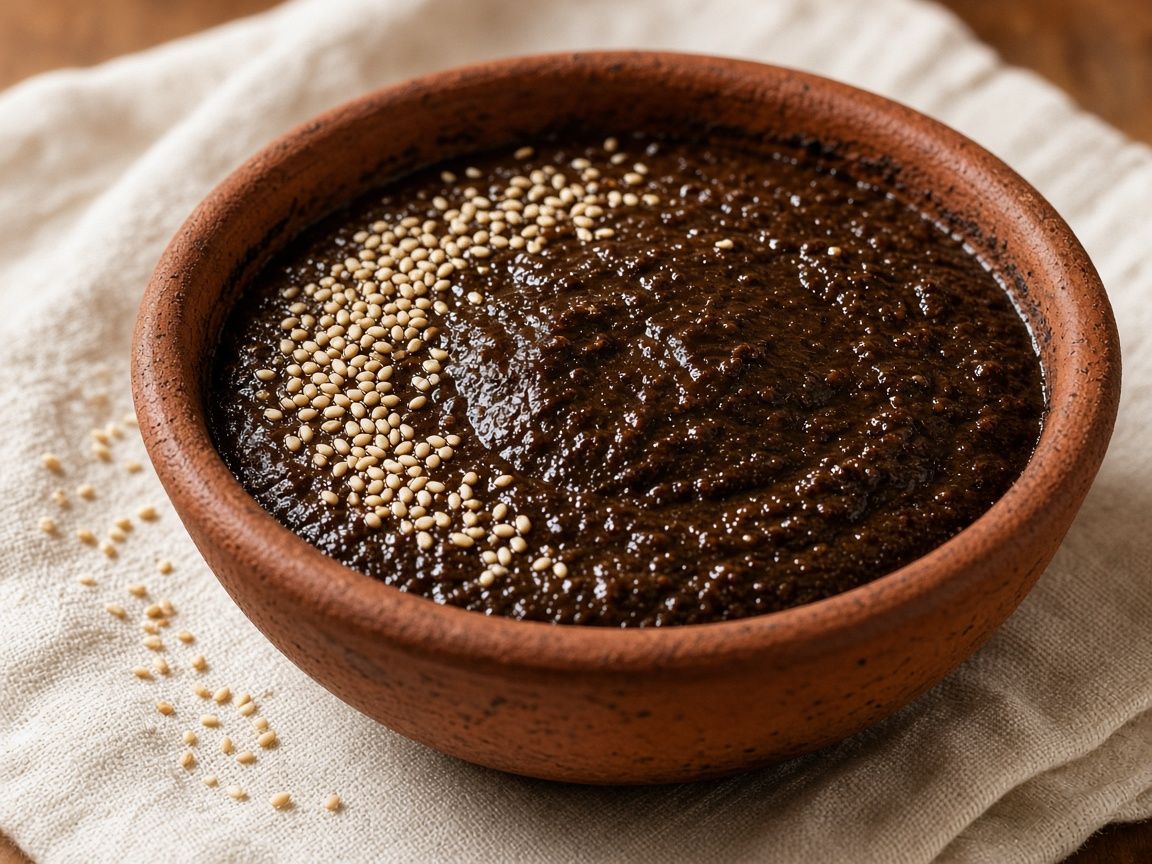
The darkest of the great moles: chile, chocolate, and a day's work reduced to a sauce that tastes like a celebration.
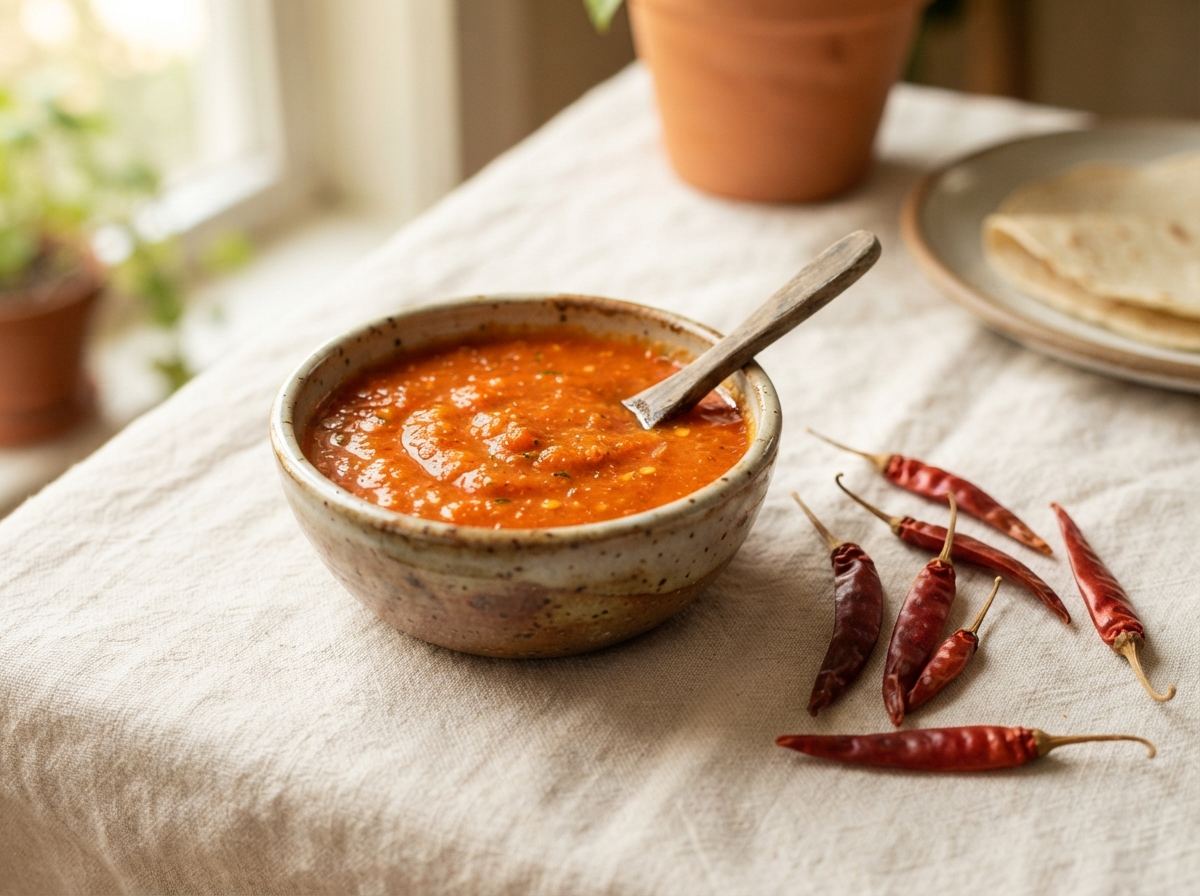
Thin, fierce red salsa from árbol — taqueria heat in a bottle or a blender.
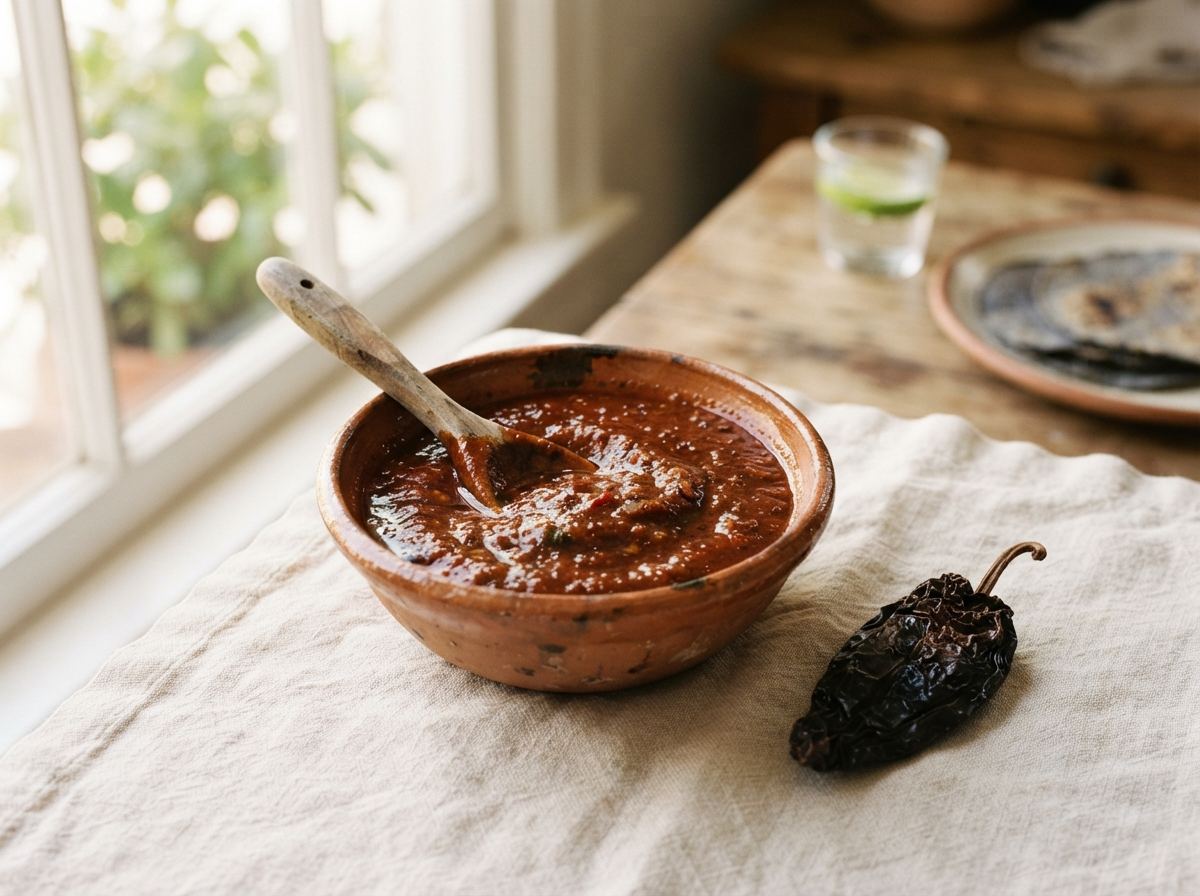
The table sauce made from those same smoked chiles.
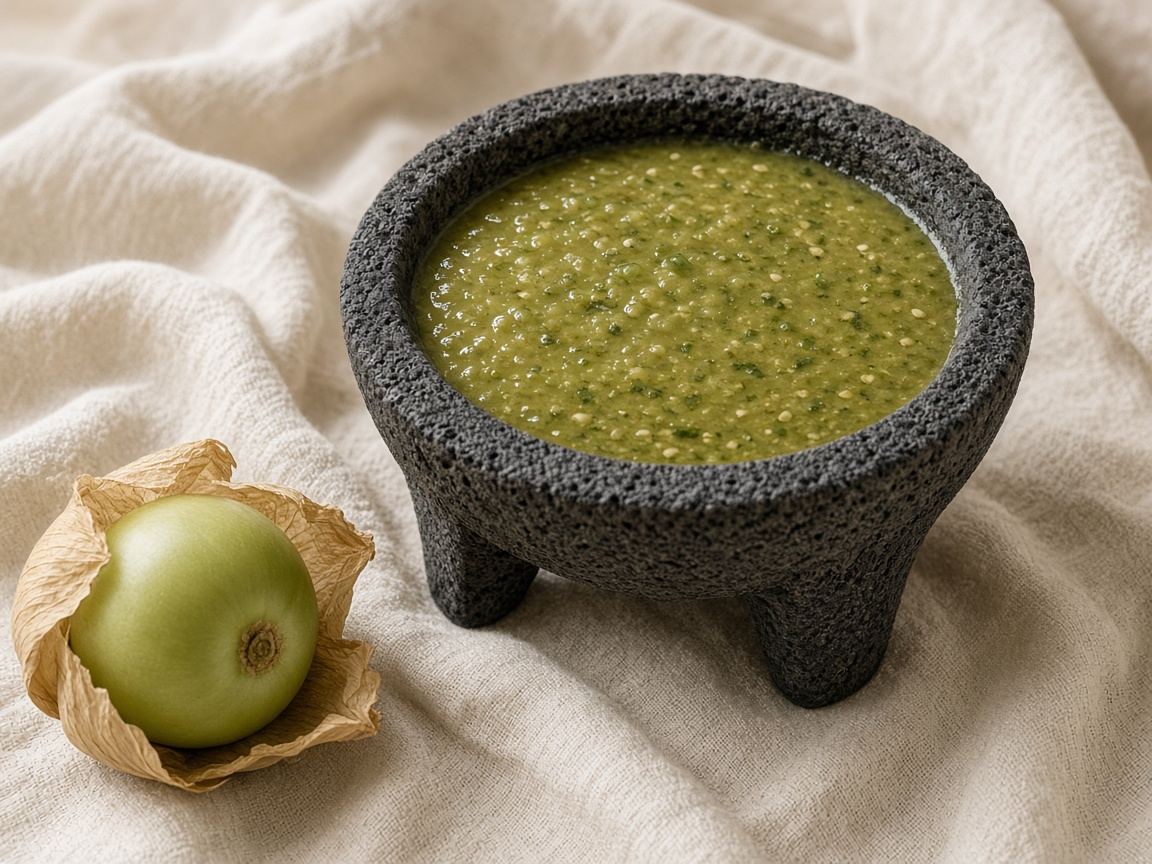
Mexican green sauce: tomatillo, chile, cilantro — raw or roasted, never bottled parsley.
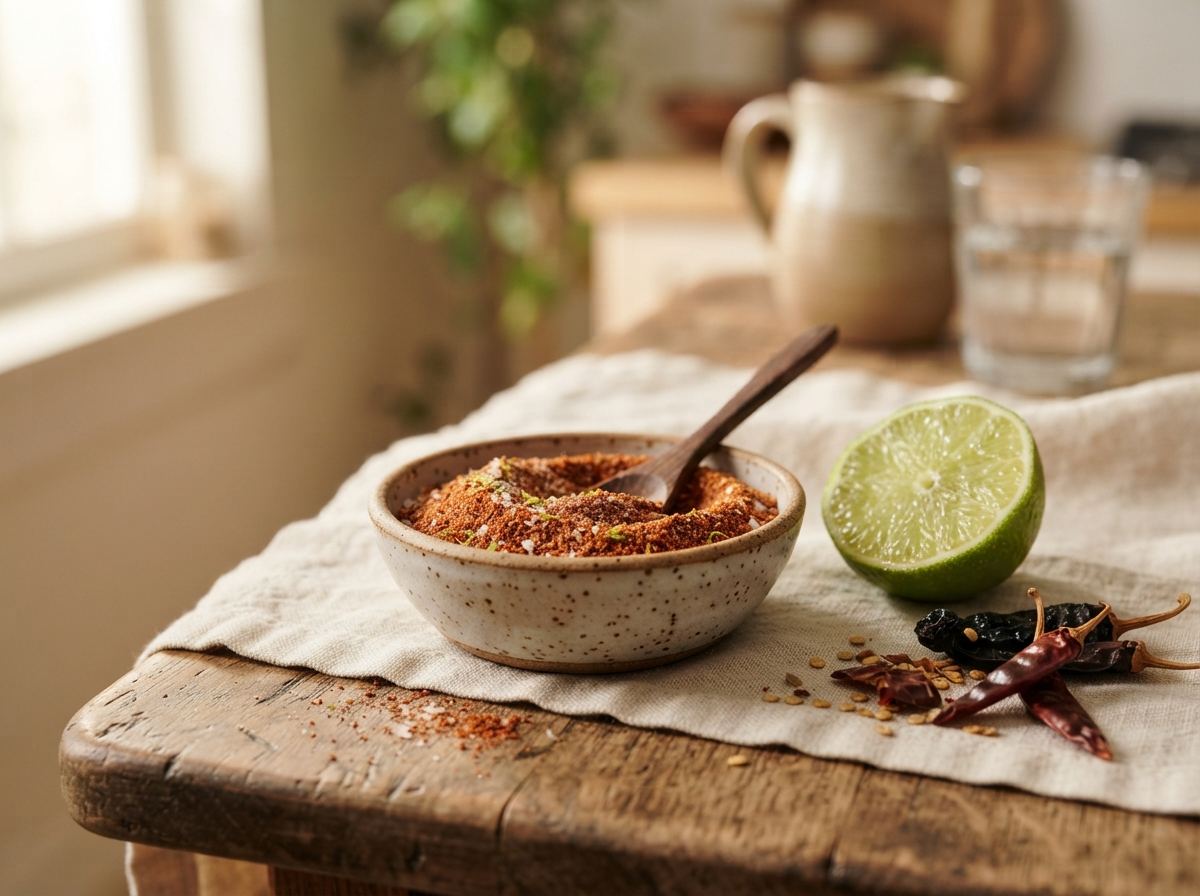
Chile, lime, and salt in a shaker — fruit, cucumber, and beer all asking for the same dust.
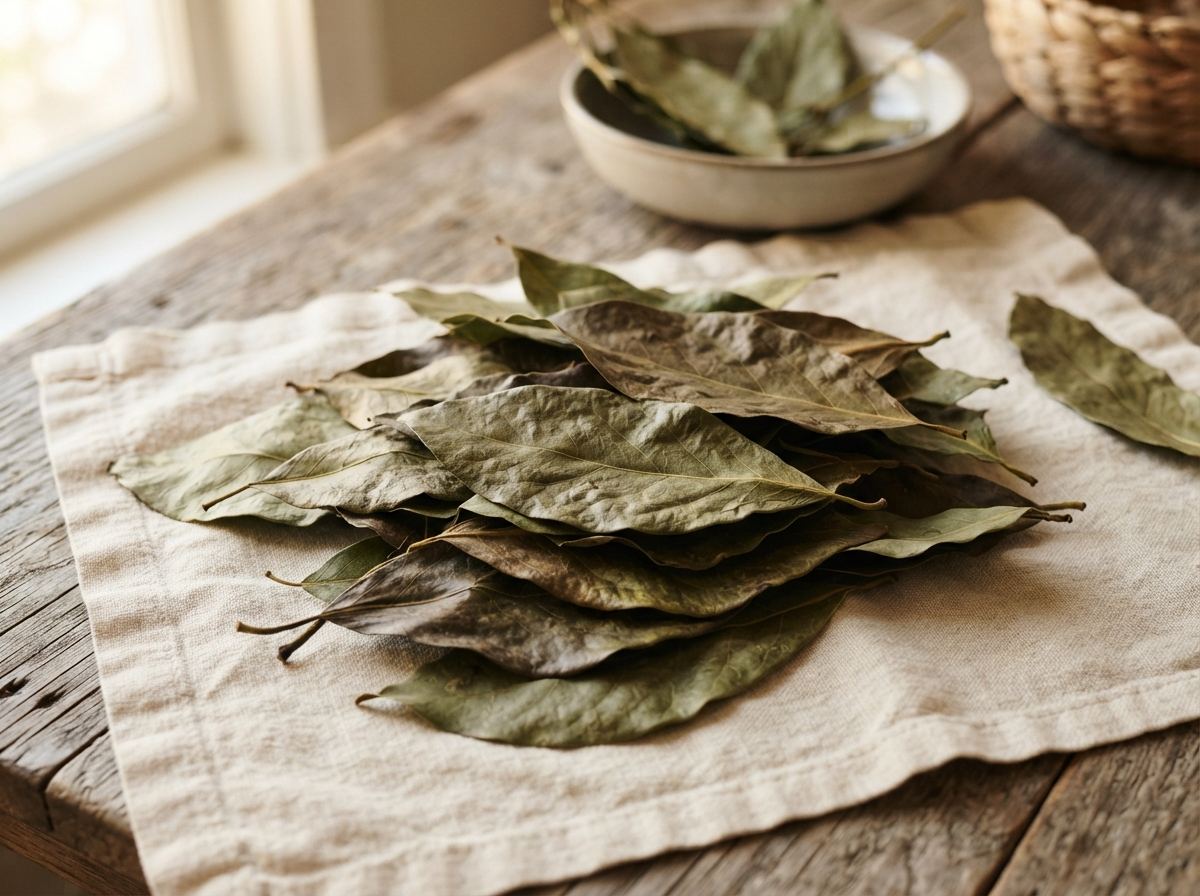
Toasted hoja de aguacate: anise and nut, the Oaxacan leaf that seasons beans.
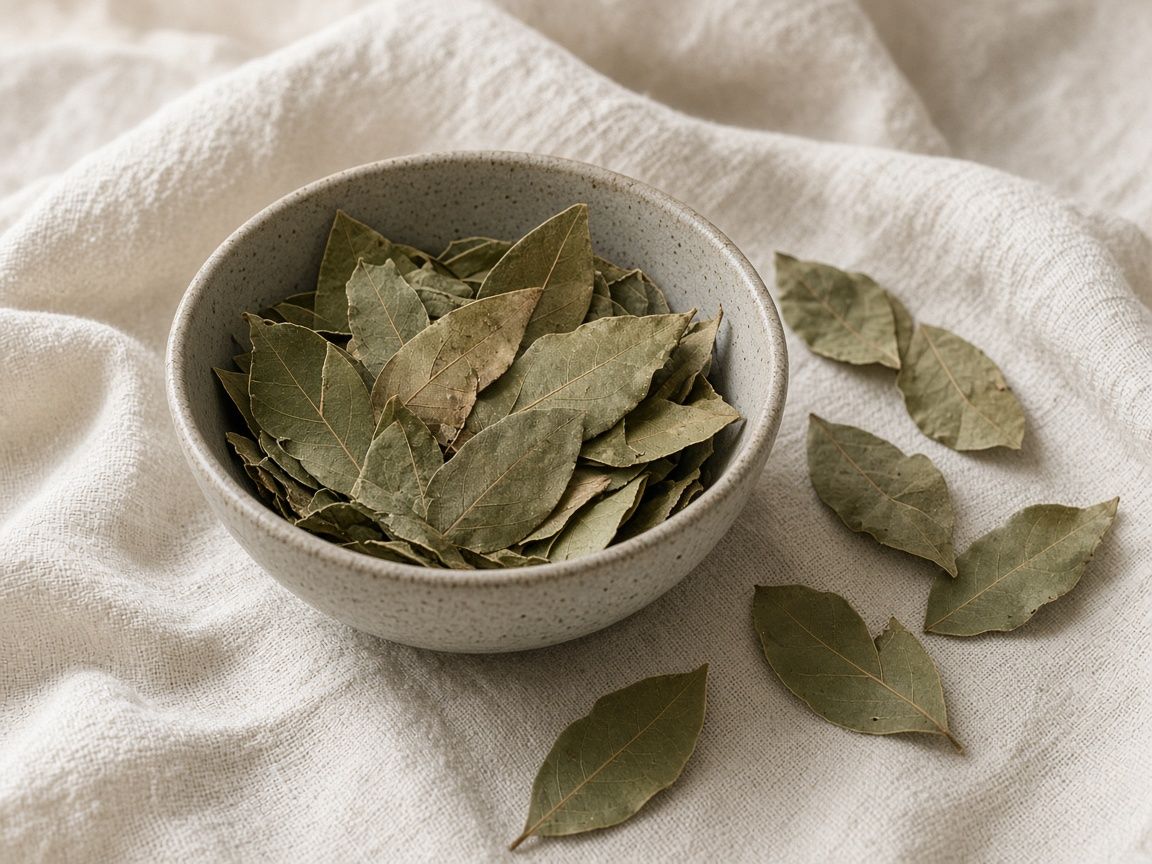
The leaf you never eat and always miss if it is gone: 29 kitchens in the series drop it into a pot and fish it out later.
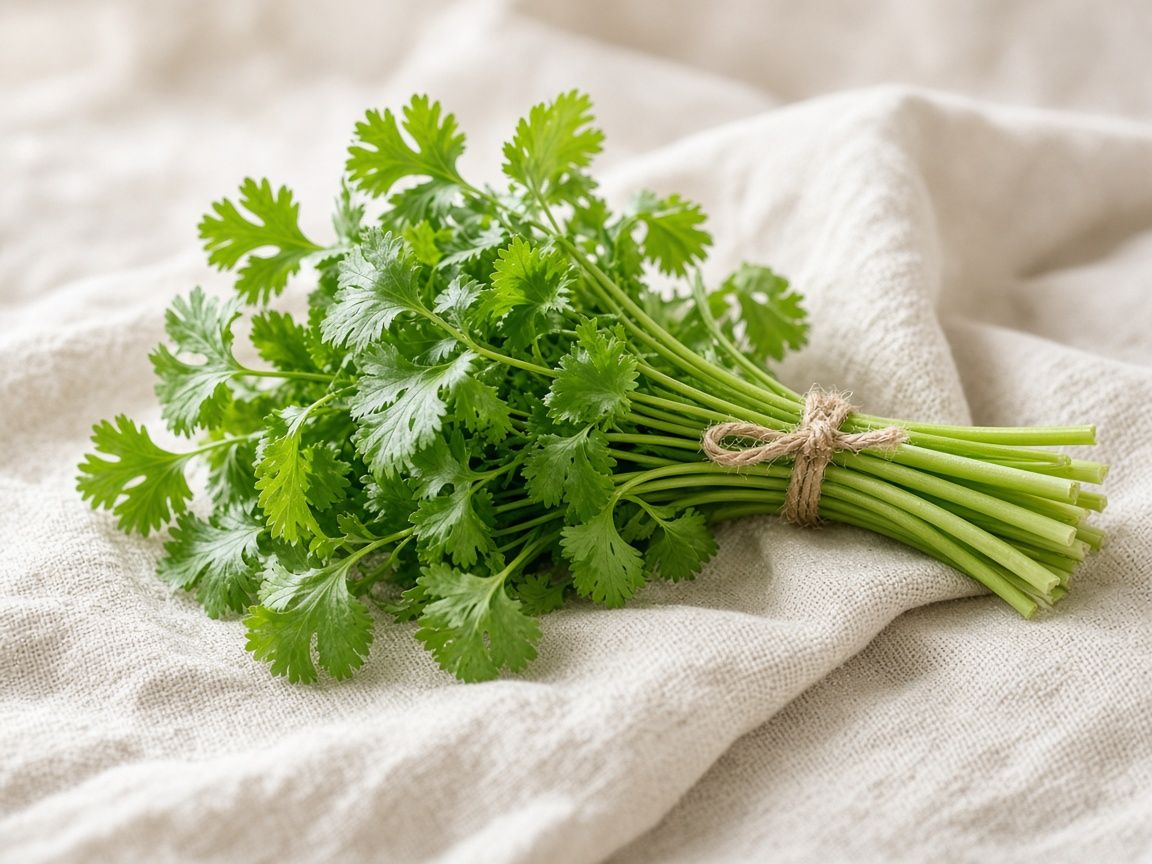
The leaf that divides a table and defines a salsa: bright, soapy to some, indispensable to many of the 30 kitchens.
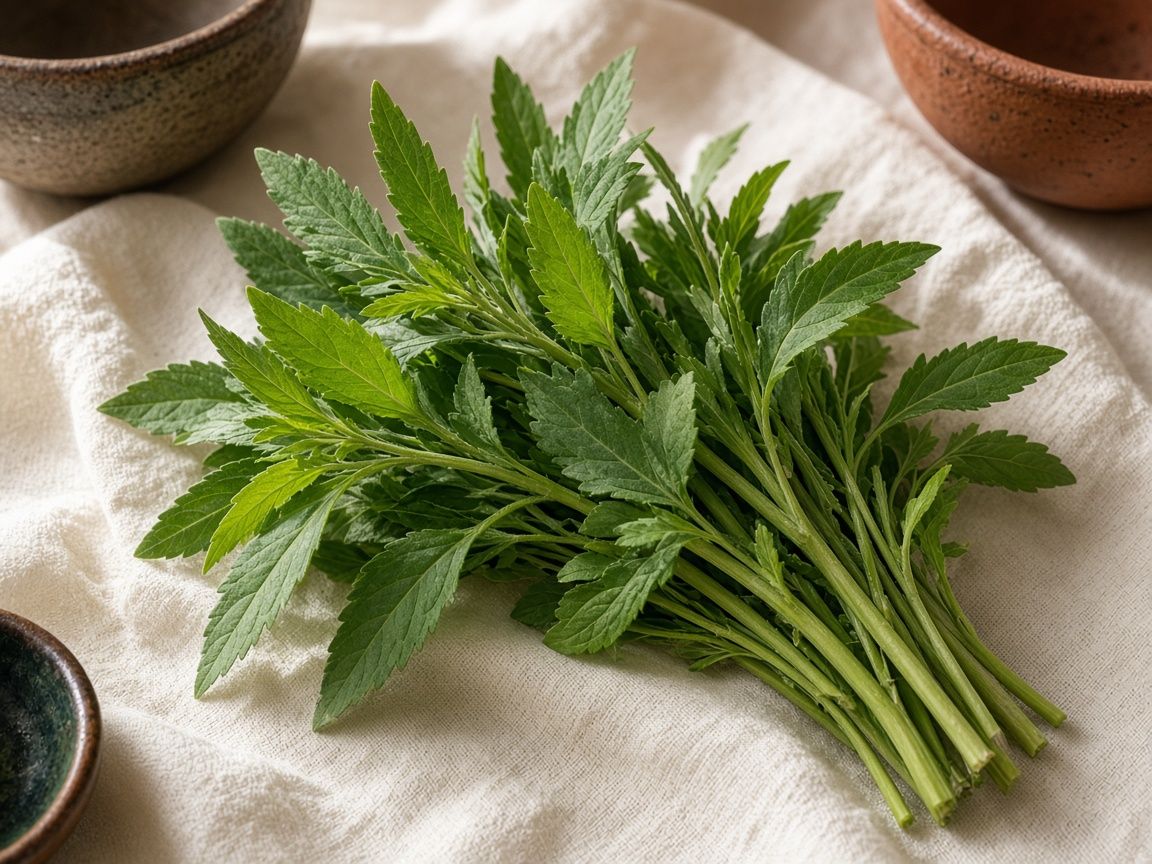
The pungent leaf Mexican bean pots are not themselves without: medicinal, polarizing, and impossible to fake with oregano.
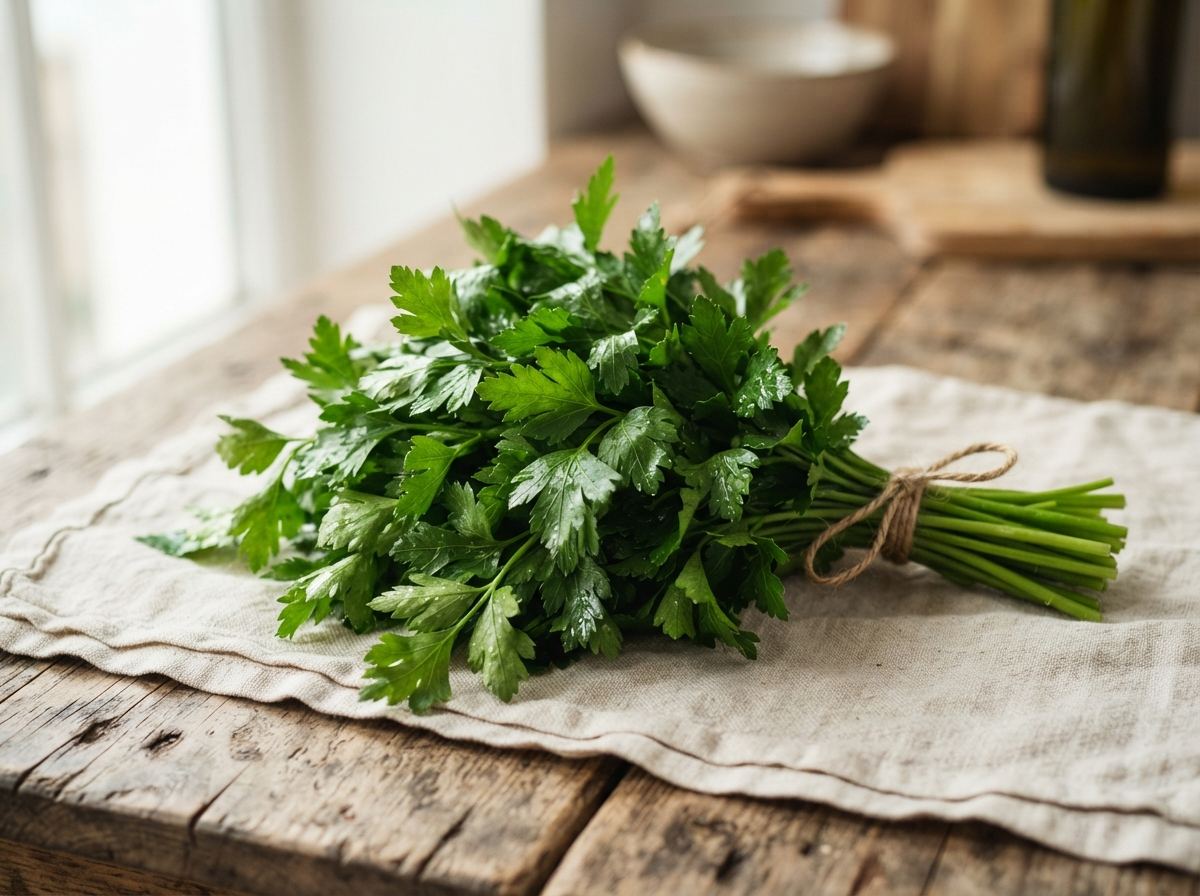
Italian parsley: flatter, louder, the bunch that finishes a tagine and a gremolata.
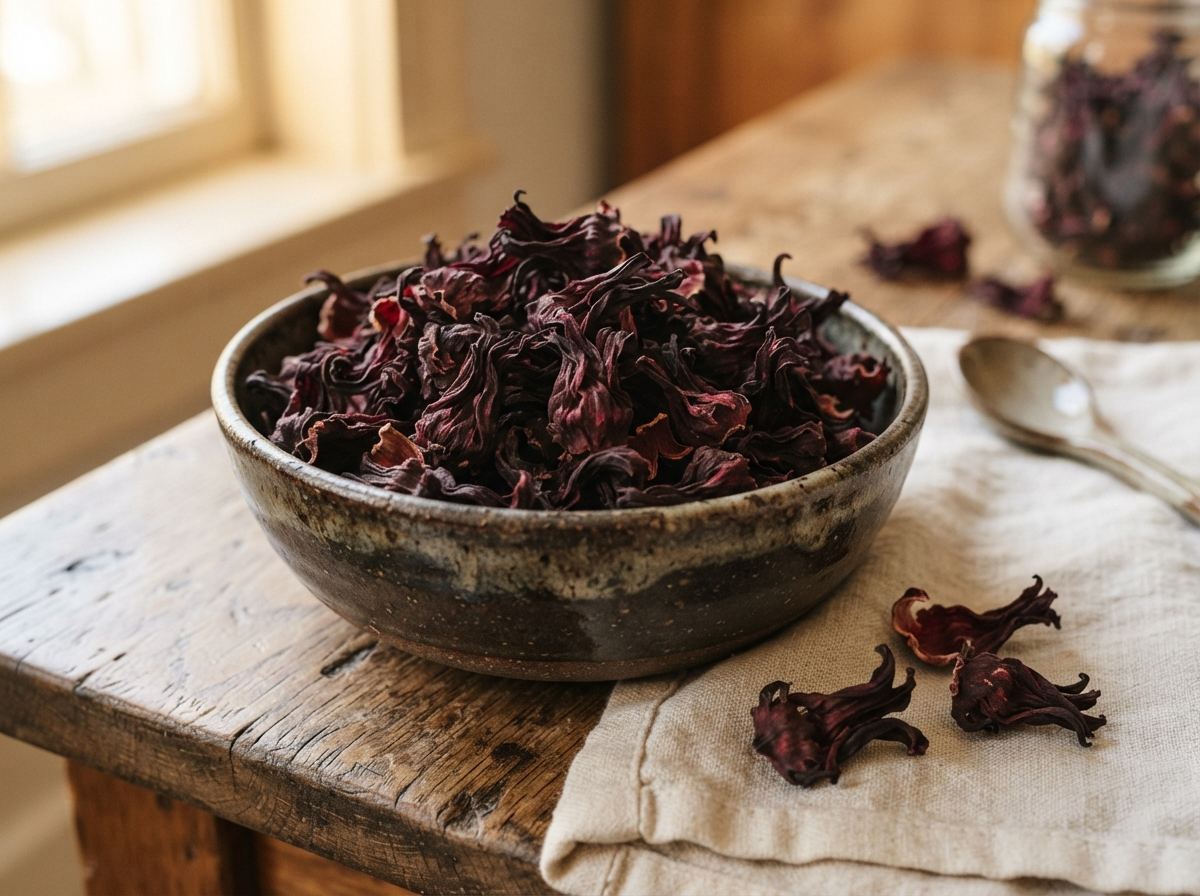
Jamaica, karkadé, sobolo — the calyx that dyes aguas and teas a deep red.
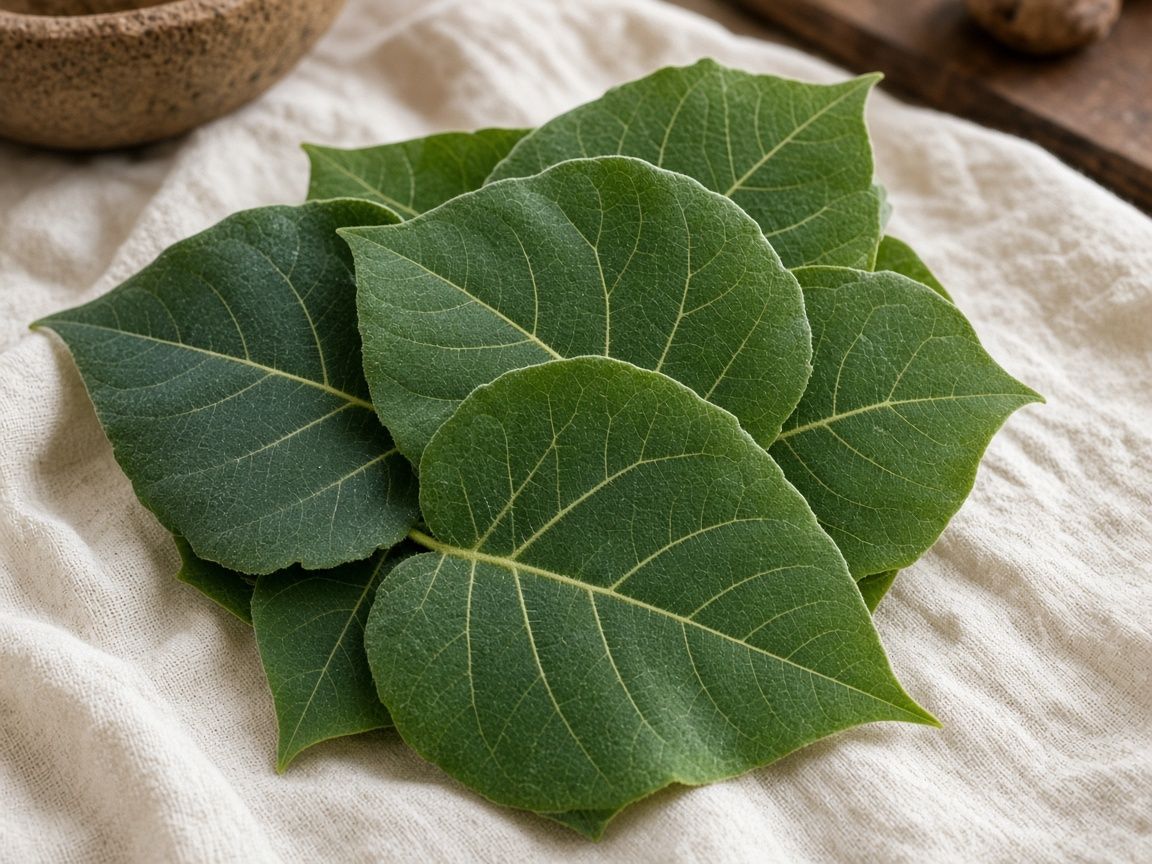
The anise-sassafras leaf Mexican cooks wrap around fish and cheese: a Piper cousin of black pepper, used as a wrapper and a perfume.
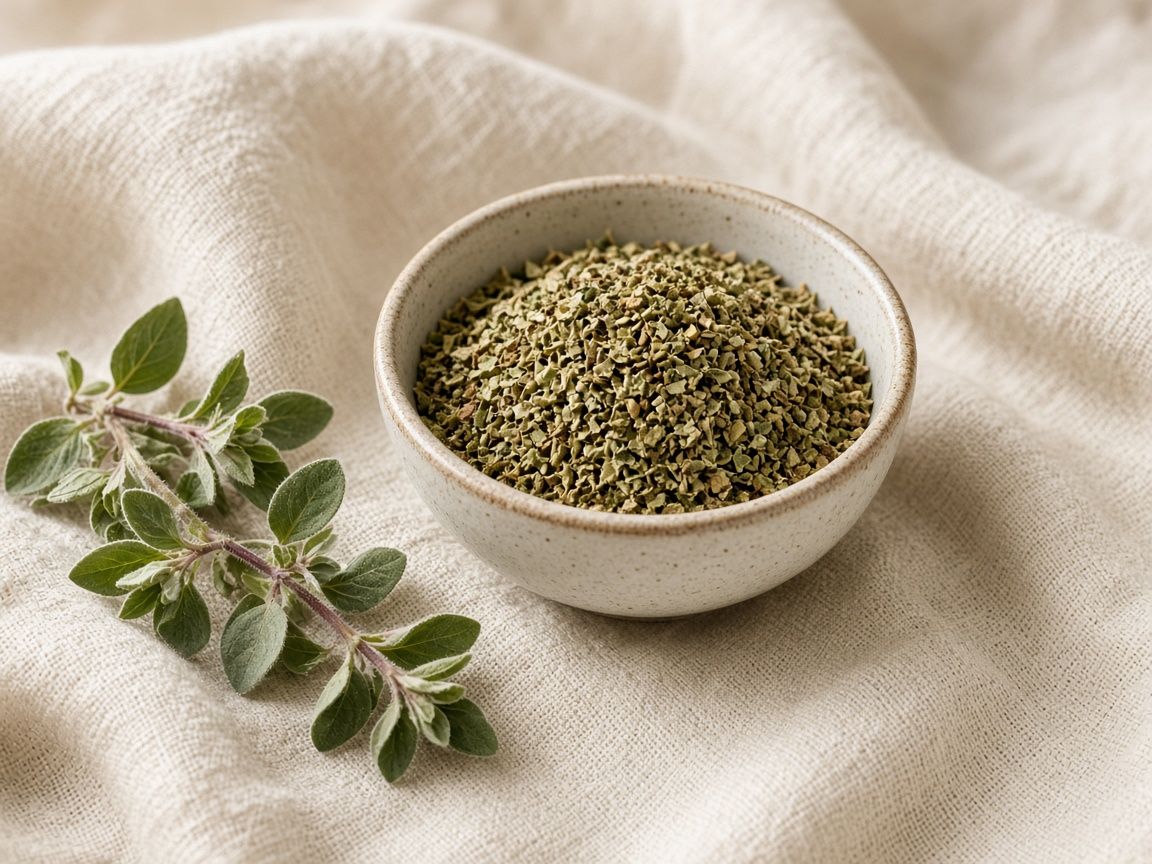
The oregano of moles and pozoles: citrus-strong, related to verbena, and not a substitute for the Greek hill herb.
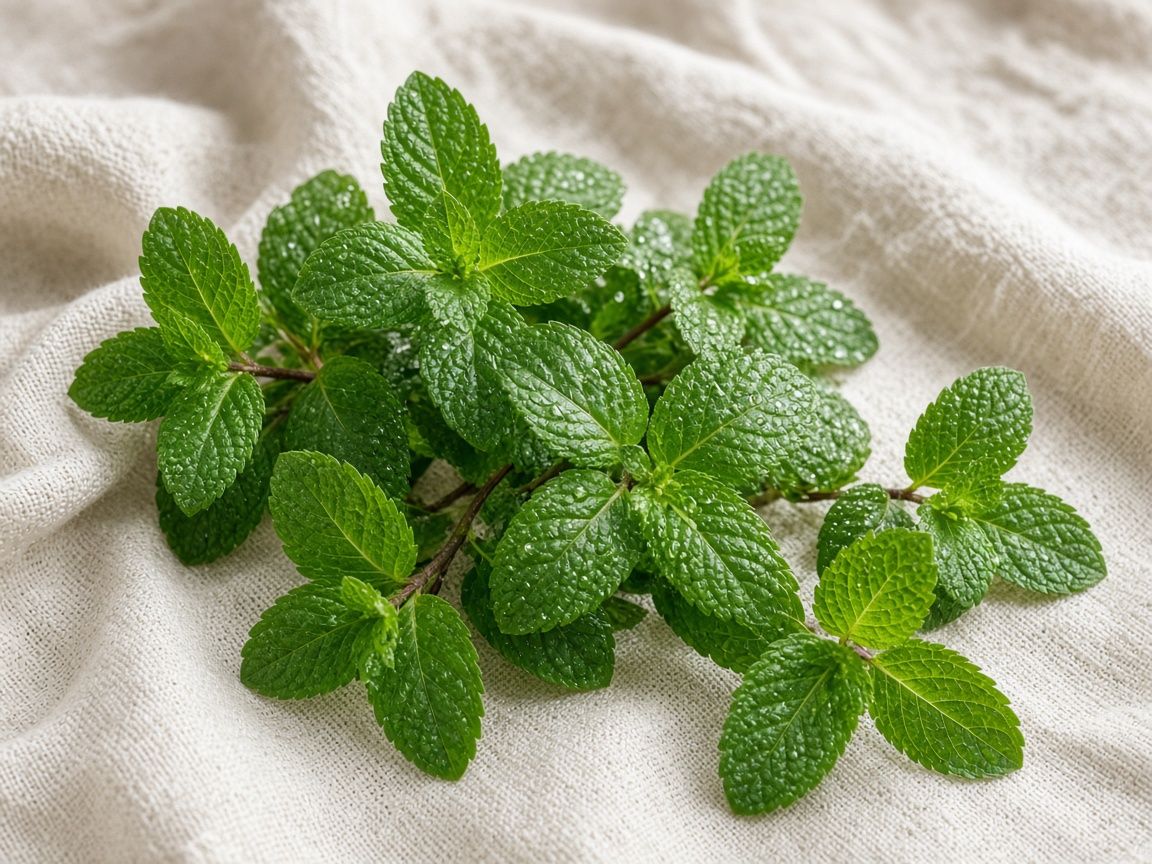
The cool leaf of tea trays, chutneys, and lamb: a plant that refuses to stay in one garden bed or one continent.
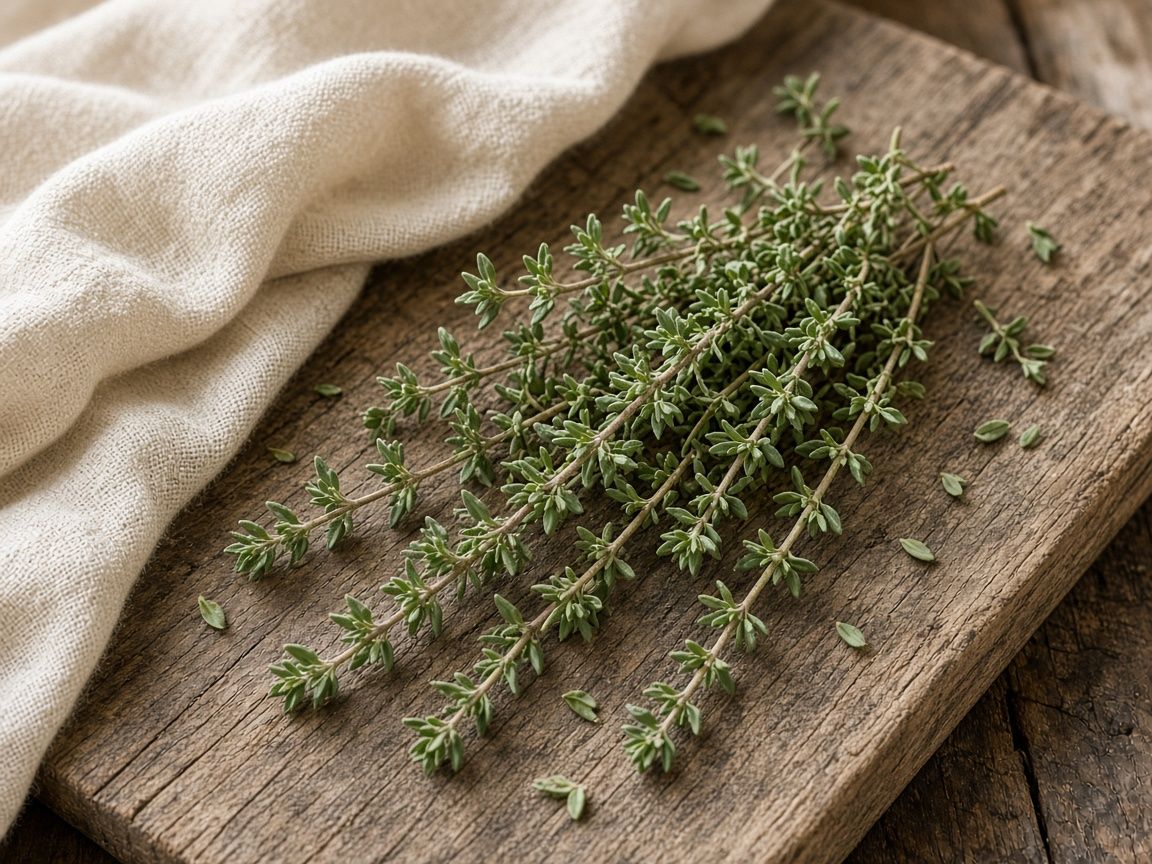
The small leaf that survives a long simmer: bouquet garni's backbone and the scent of a French Sunday pot.
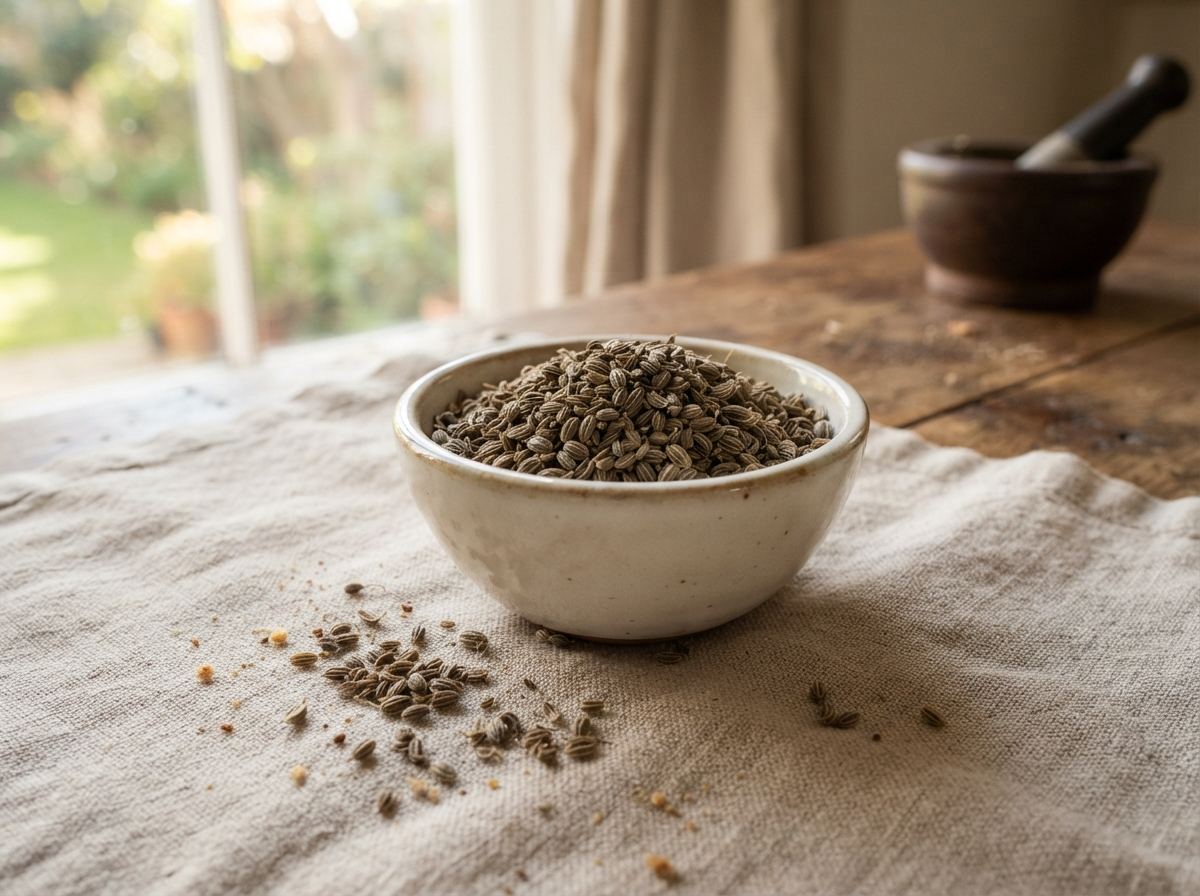
The seed that is not star anise: European baking, Mexican cookies, a glass of pastis.
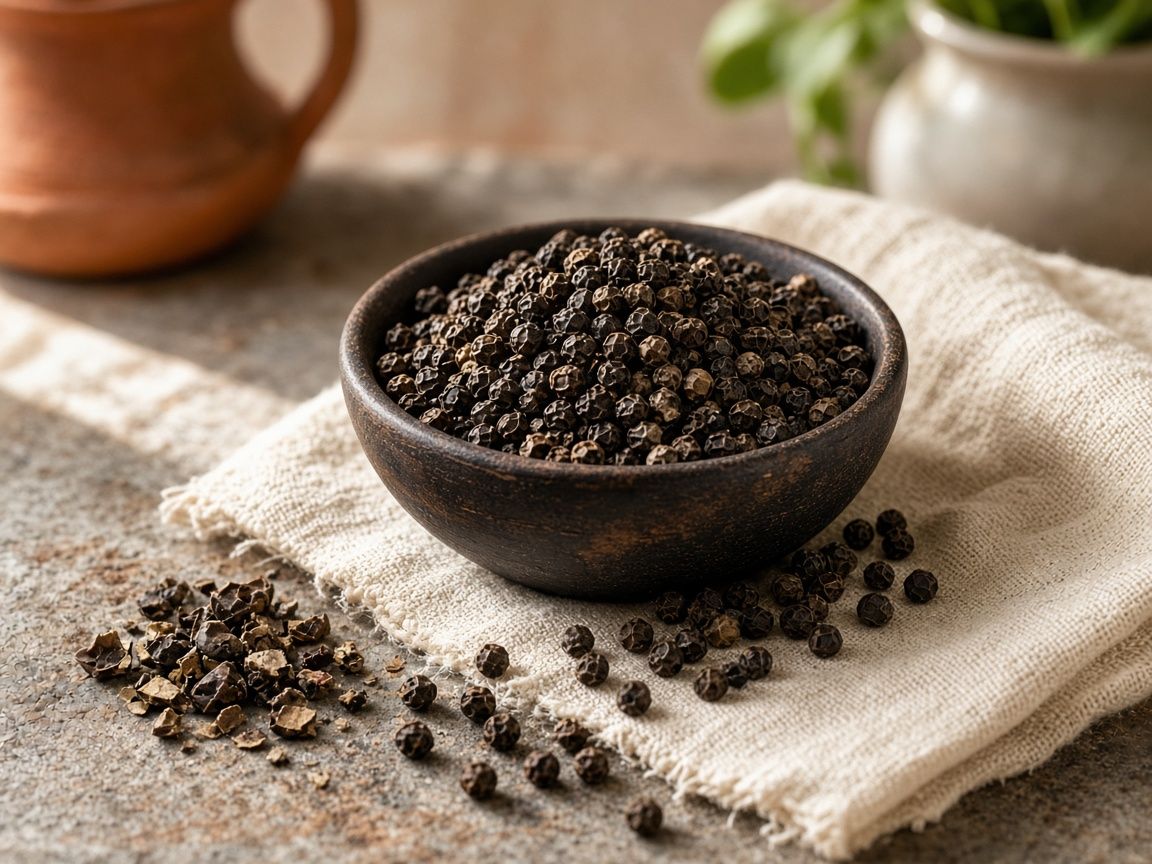
The berry that paid rents, launched fleets, and still sits beside salt on almost every ComidaTime table.
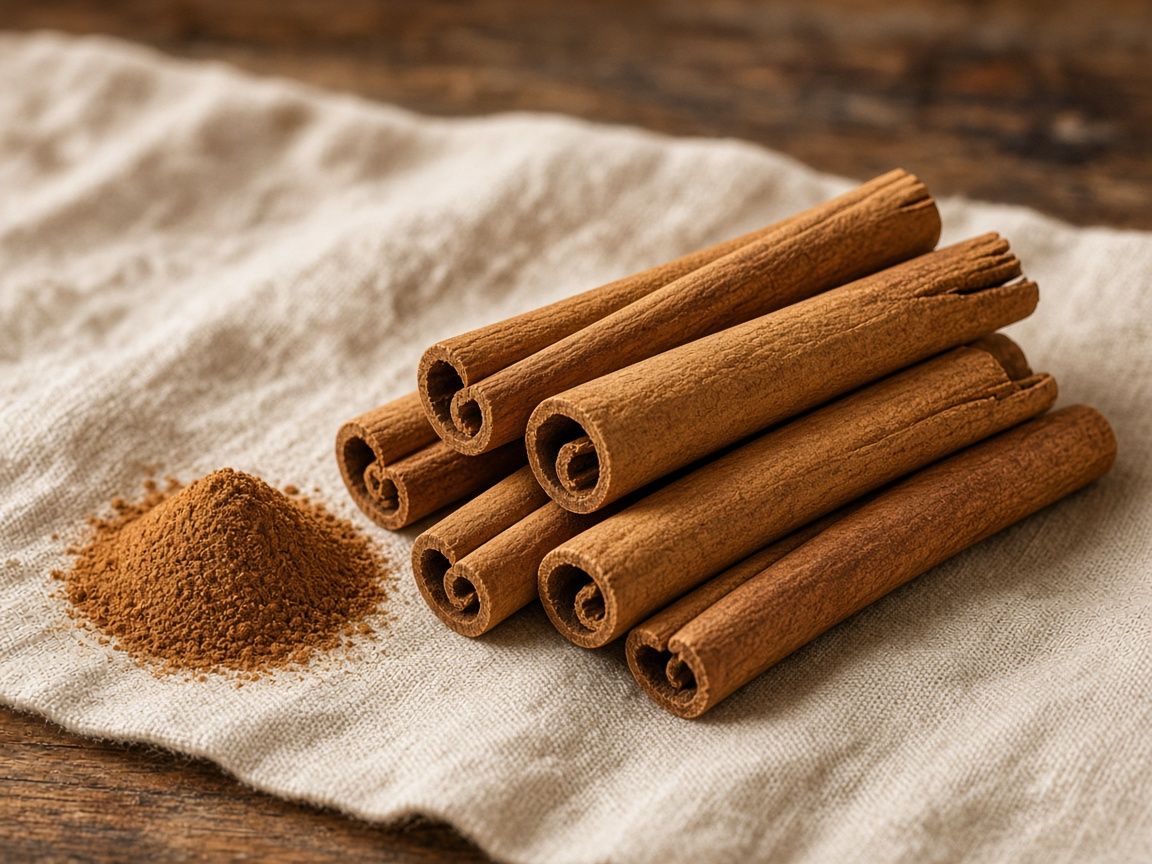
Bark rolled into quills: the sweet wood that traveled with frankincense and still perfumes both pastry and stew.
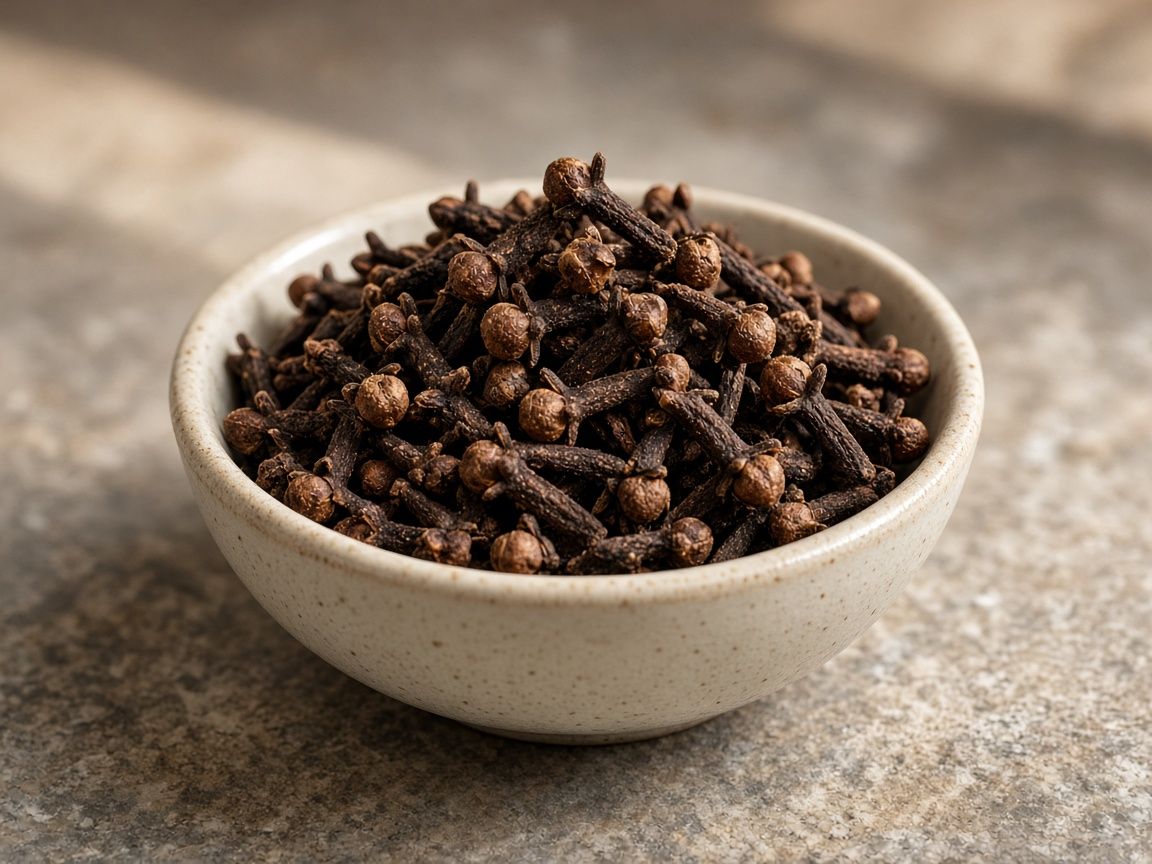
A flower bud that once belonged to a handful of islands — and to every power that wanted those islands.
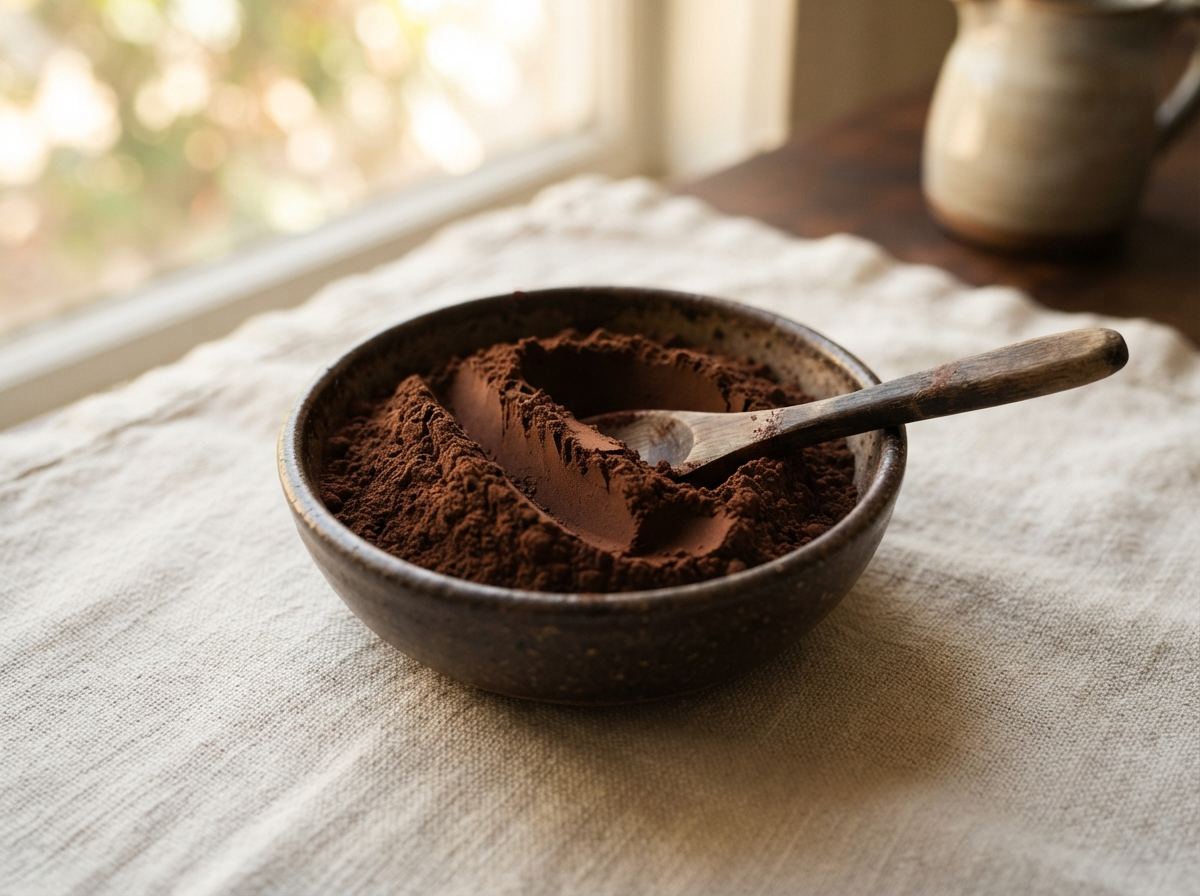
The seed that is a drink, a mole, and a dessert, depending on which coast you stand on.
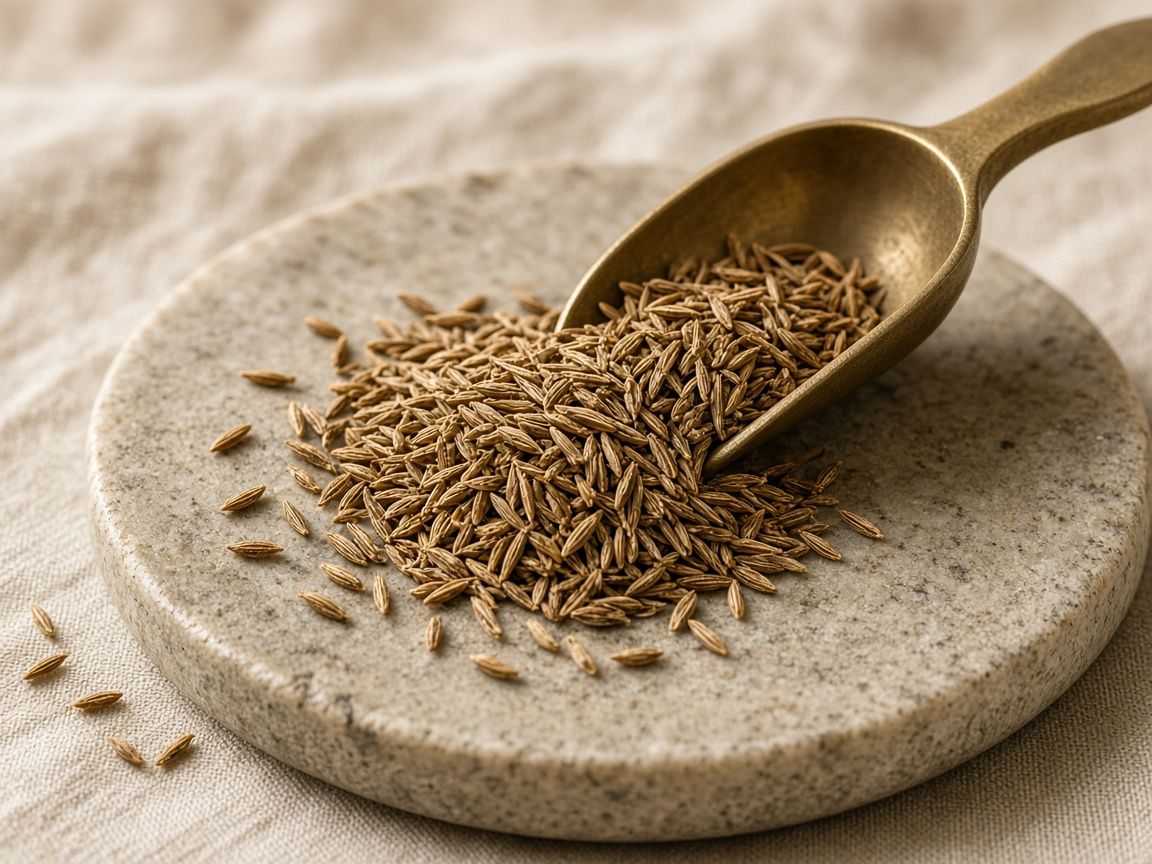
The seed that smells like a courtyard after rain — and the backbone of more ComidaTime recipes than almost any other spice.
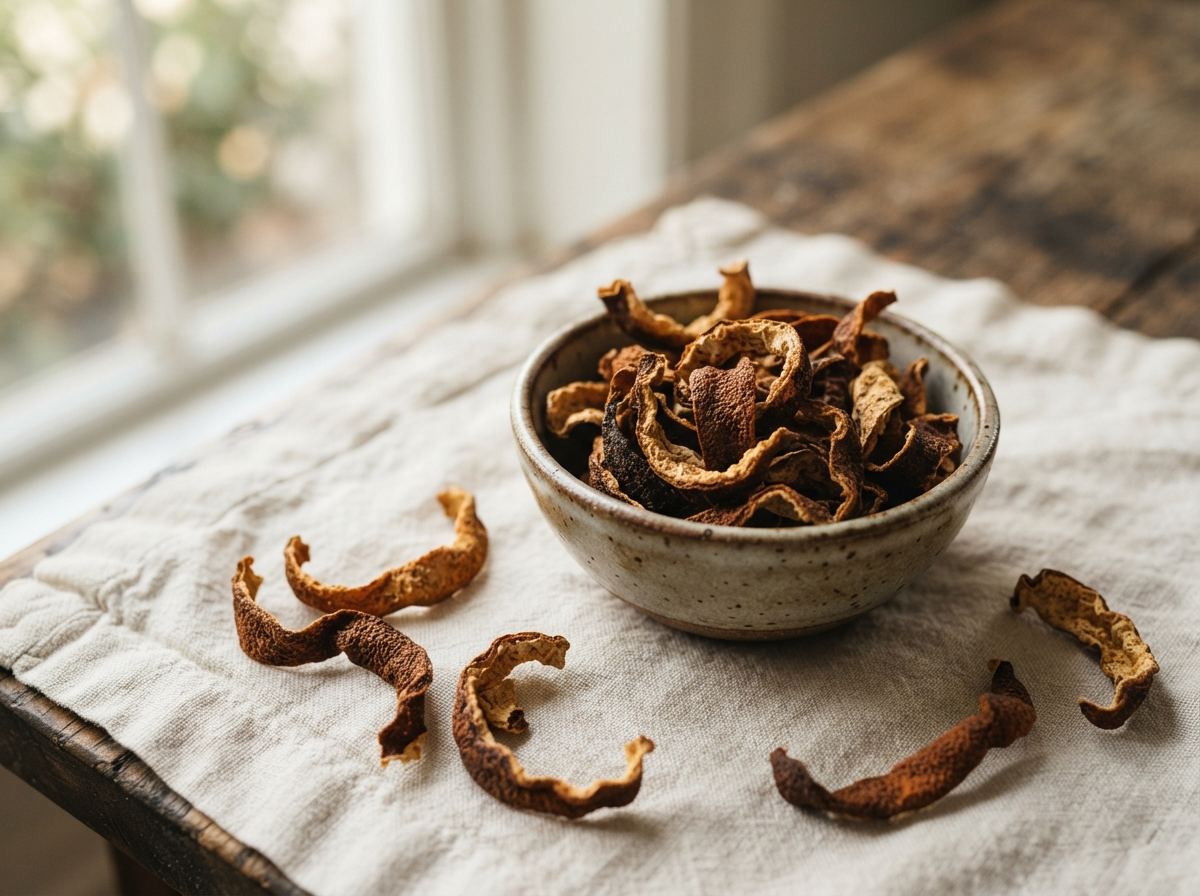
Chen pi and European candied peel — bitter citrus that a braise or a cookie both want.
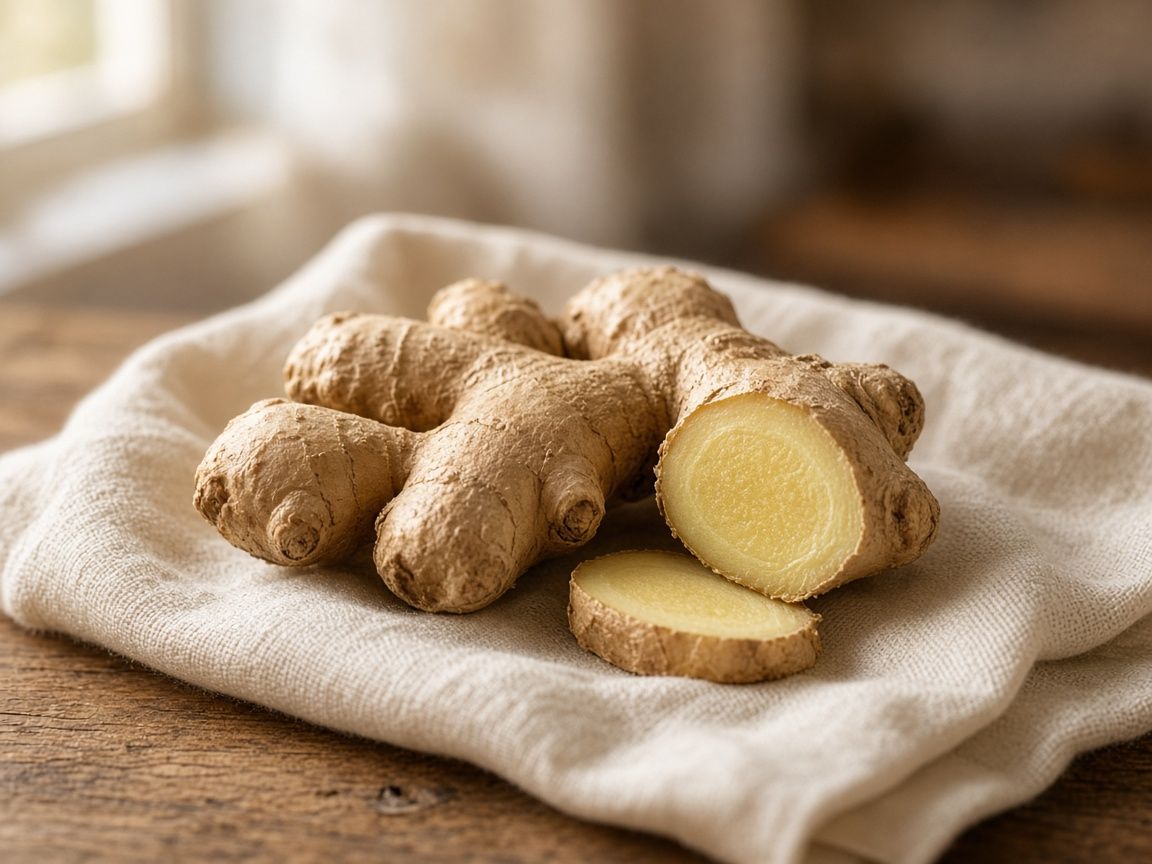
A knobby root that travels better than most kings did — fresh in the wok, dried in the cake, pickled beside sushi.
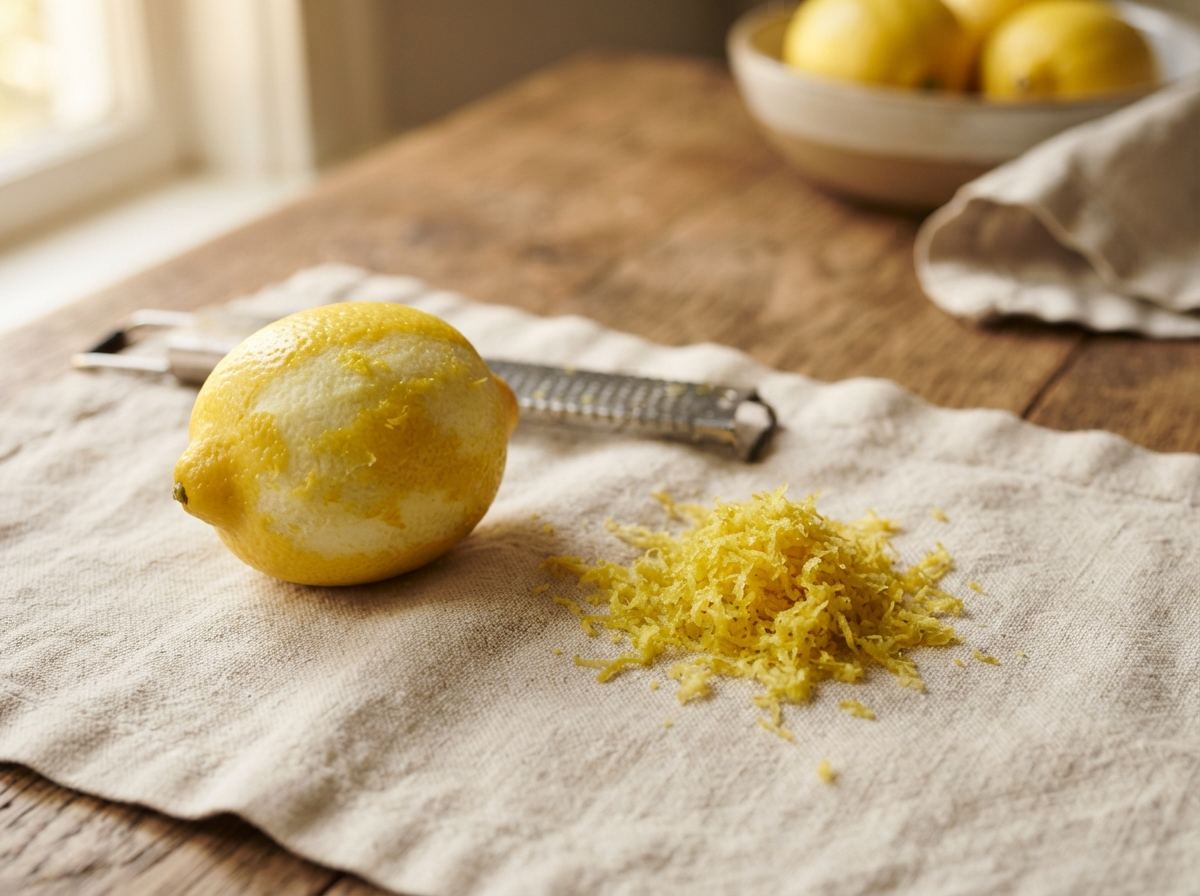
The oil in the skin: the brightest way the books add citrus without juice.
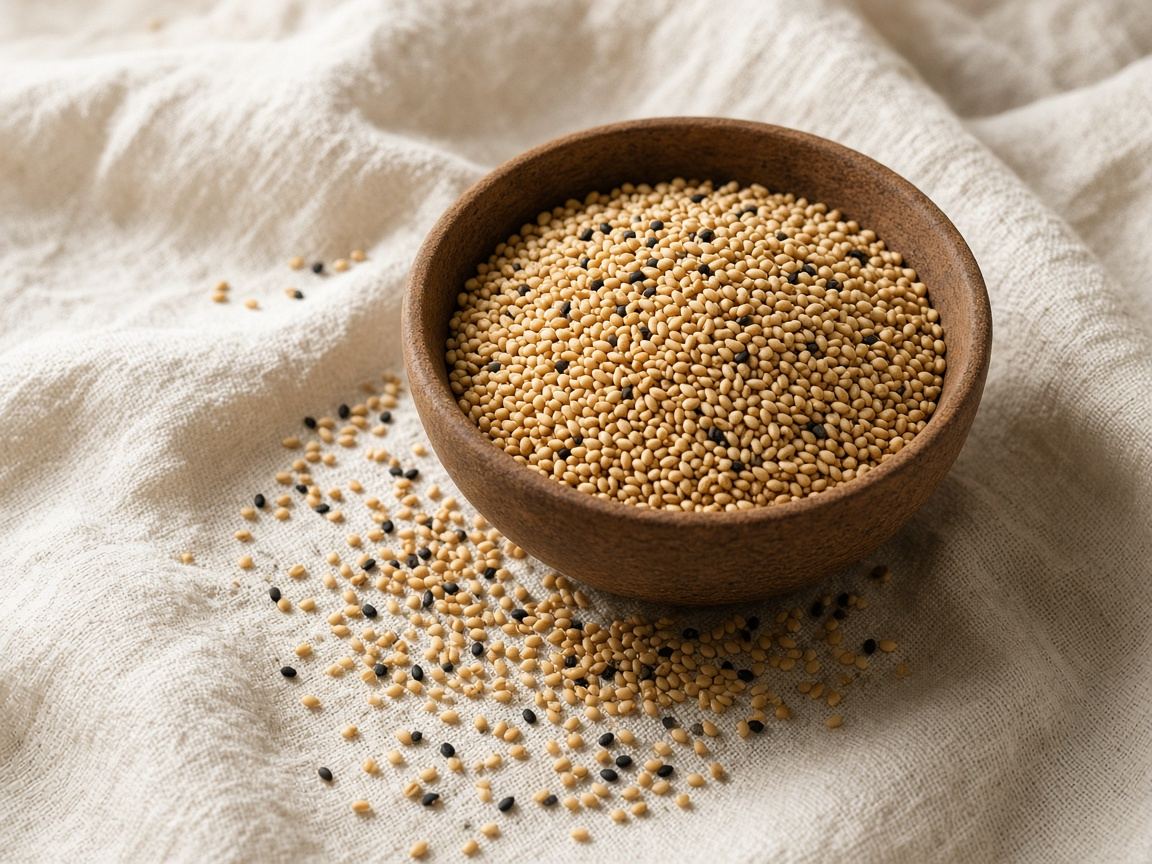
A tiny seed that toasts into a whole aroma: bread, bagels, goma, and the crunch on a Korean banchan.
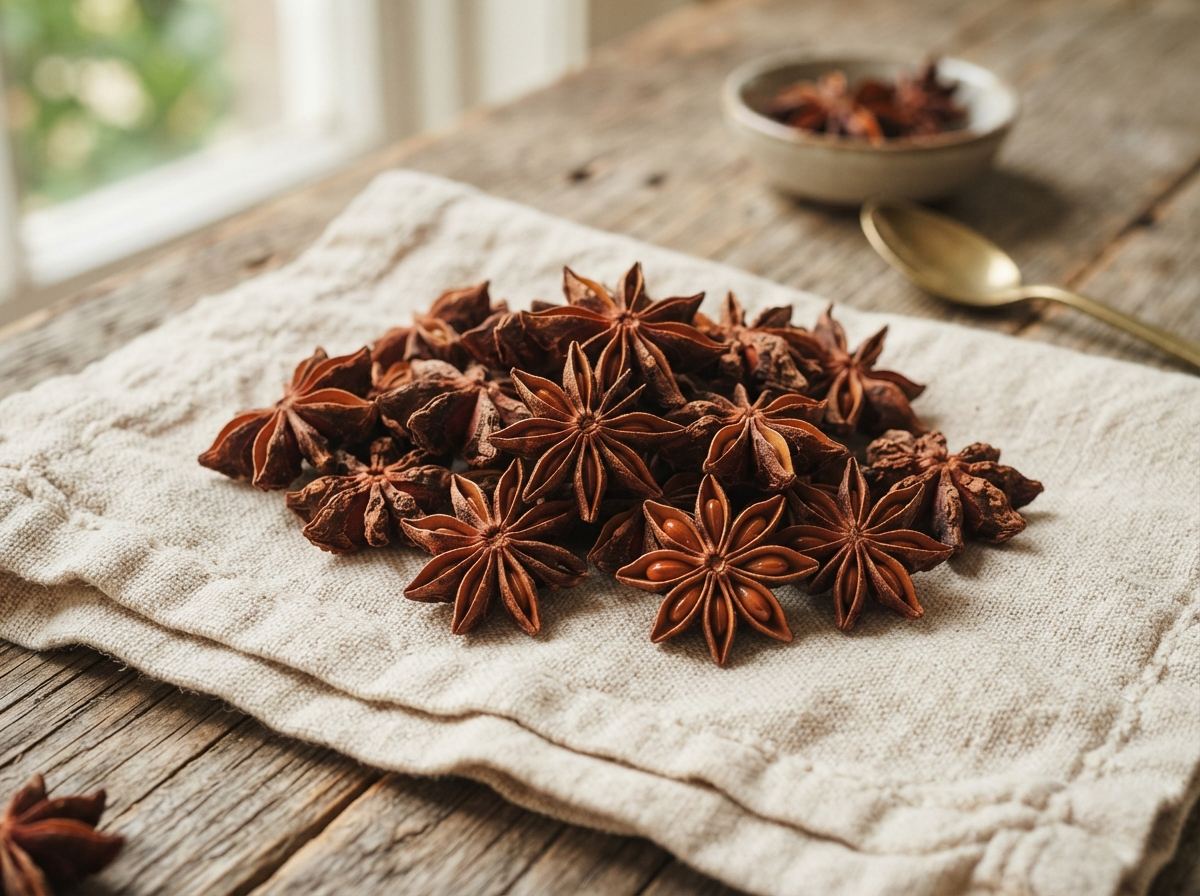
The star that sweetens a broth without sugar.
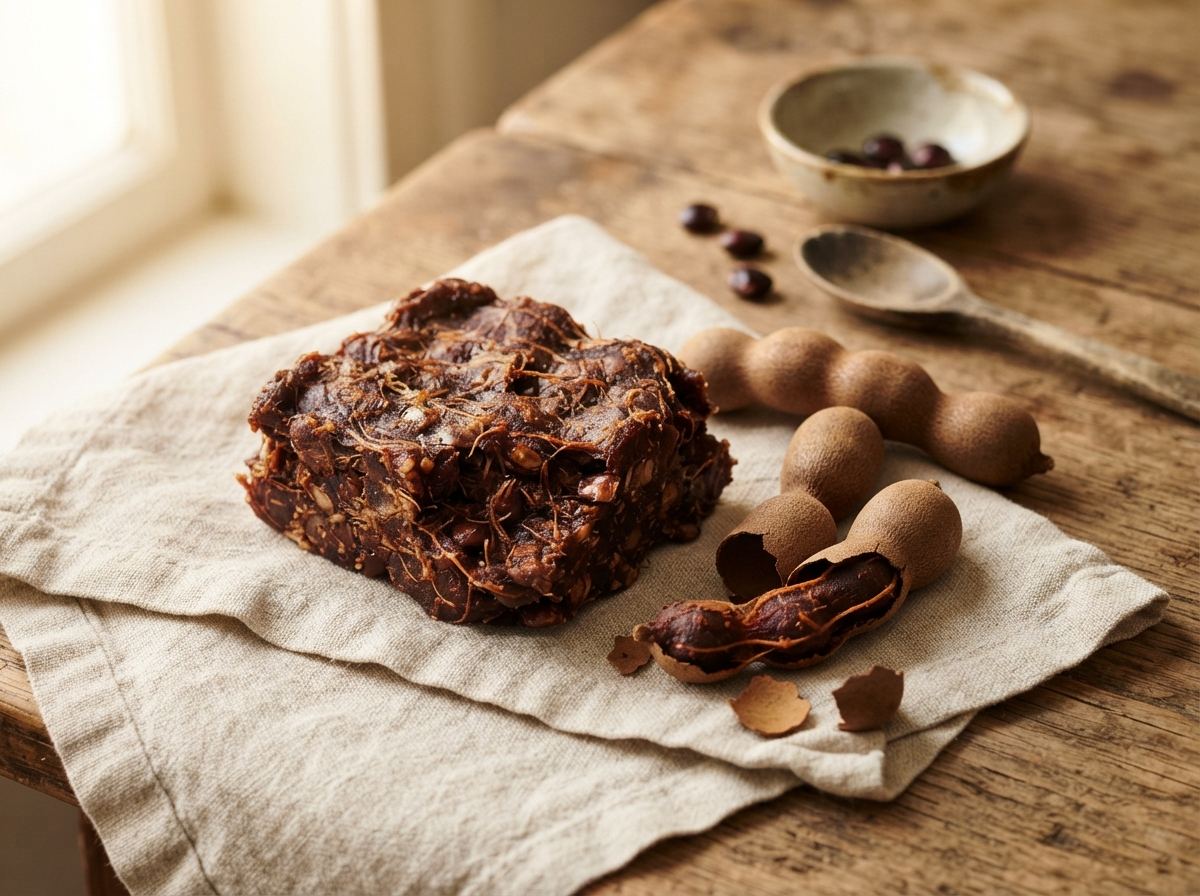
Sour pulp of a shade tree: pad Thai, rasam, agua de tamarindo, and Worcestershire's ghost.
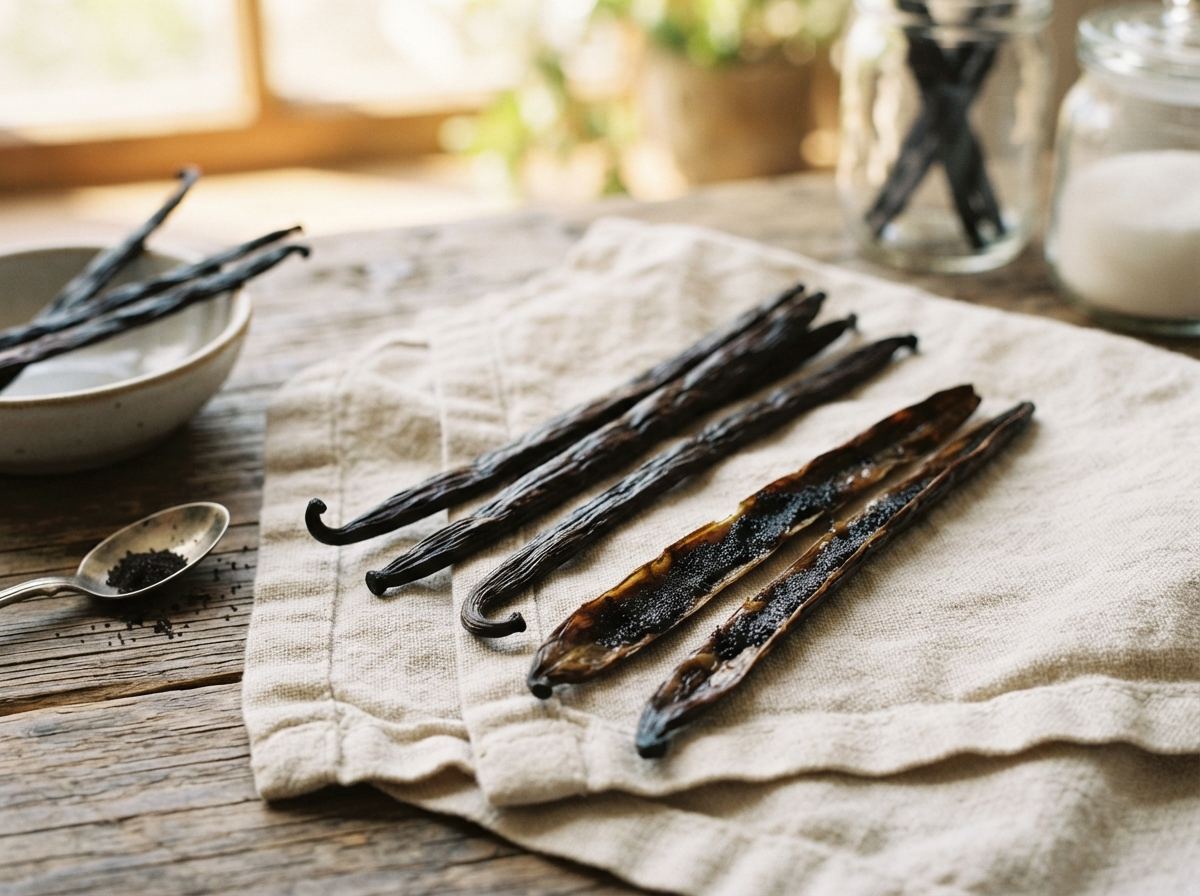
The orchid pod that sweet kitchens treat as air — and savory Mexican moles still remember.
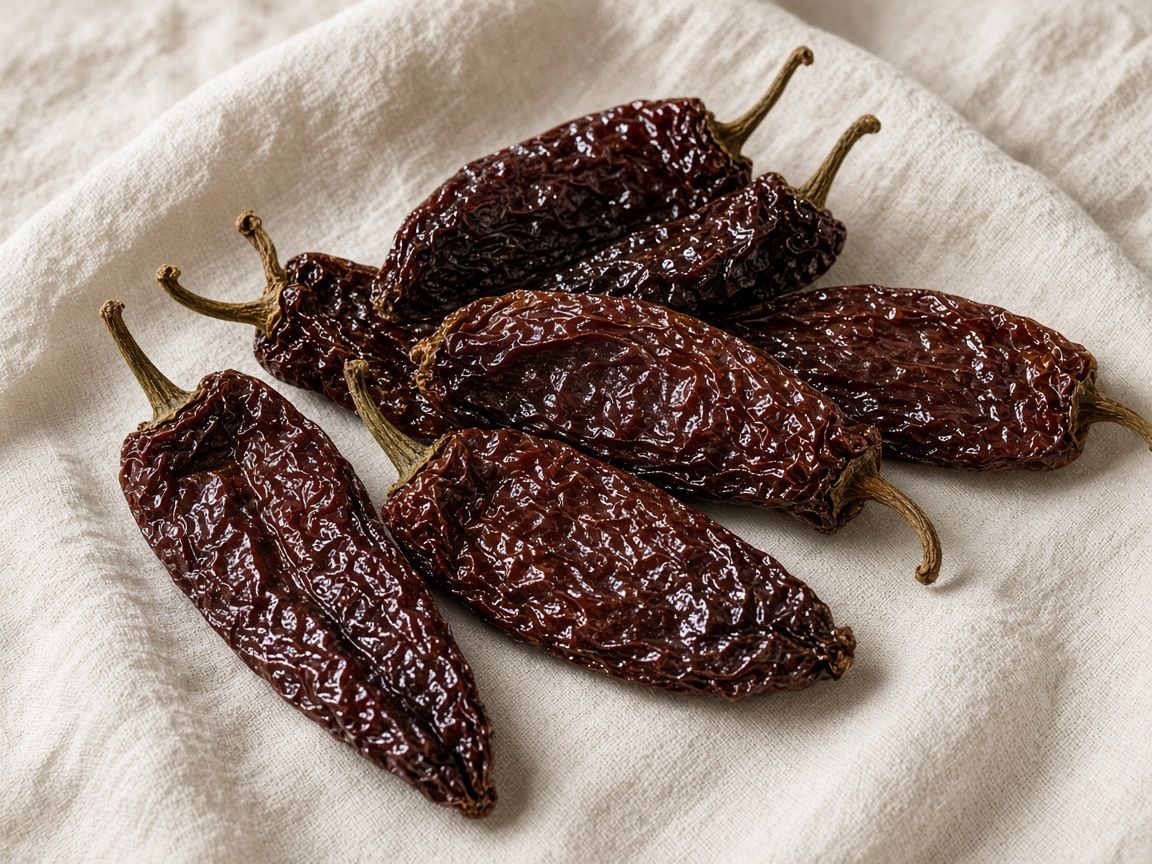
The wide, wrinkled dried chile that smells like raisins and chocolate: the body of many moles before the cacao goes in.
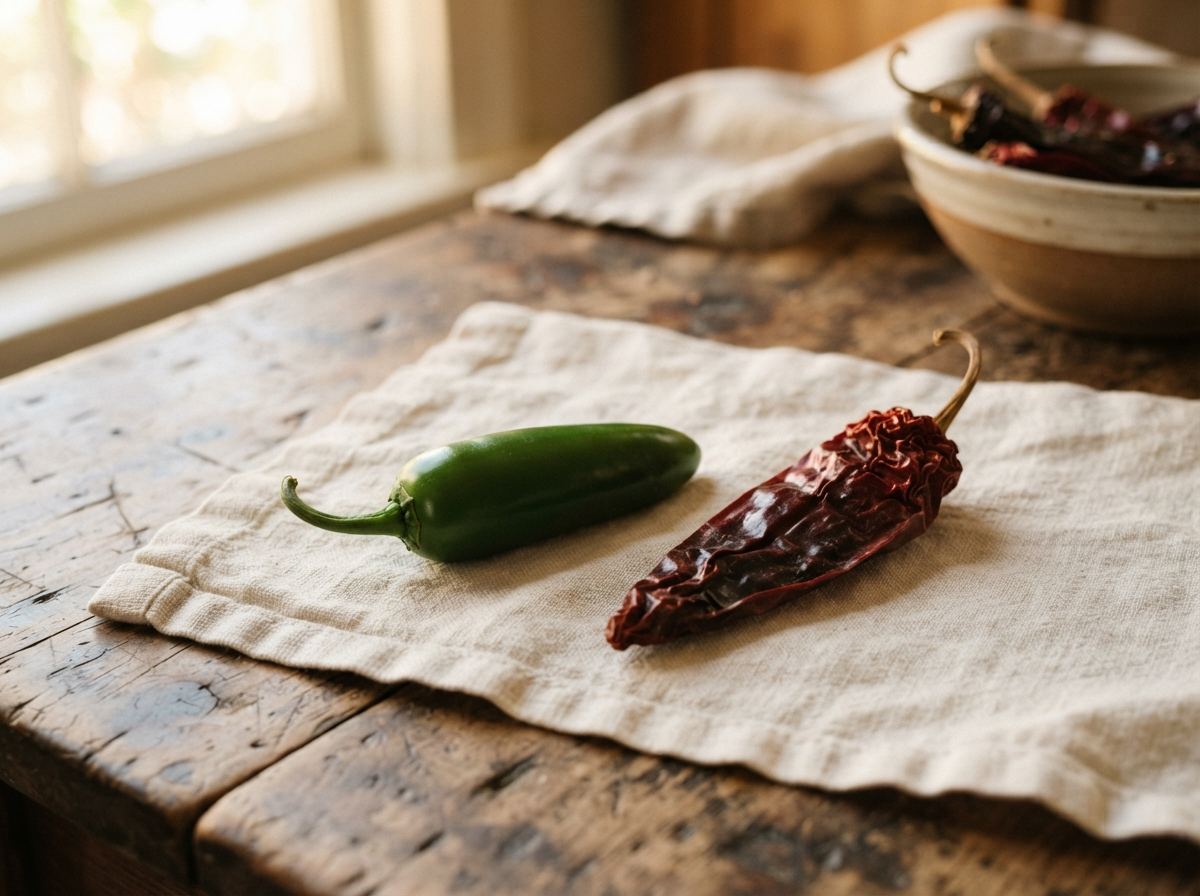
The generic heat the books still write when a kitchen means flakes, powder, or a dried red.
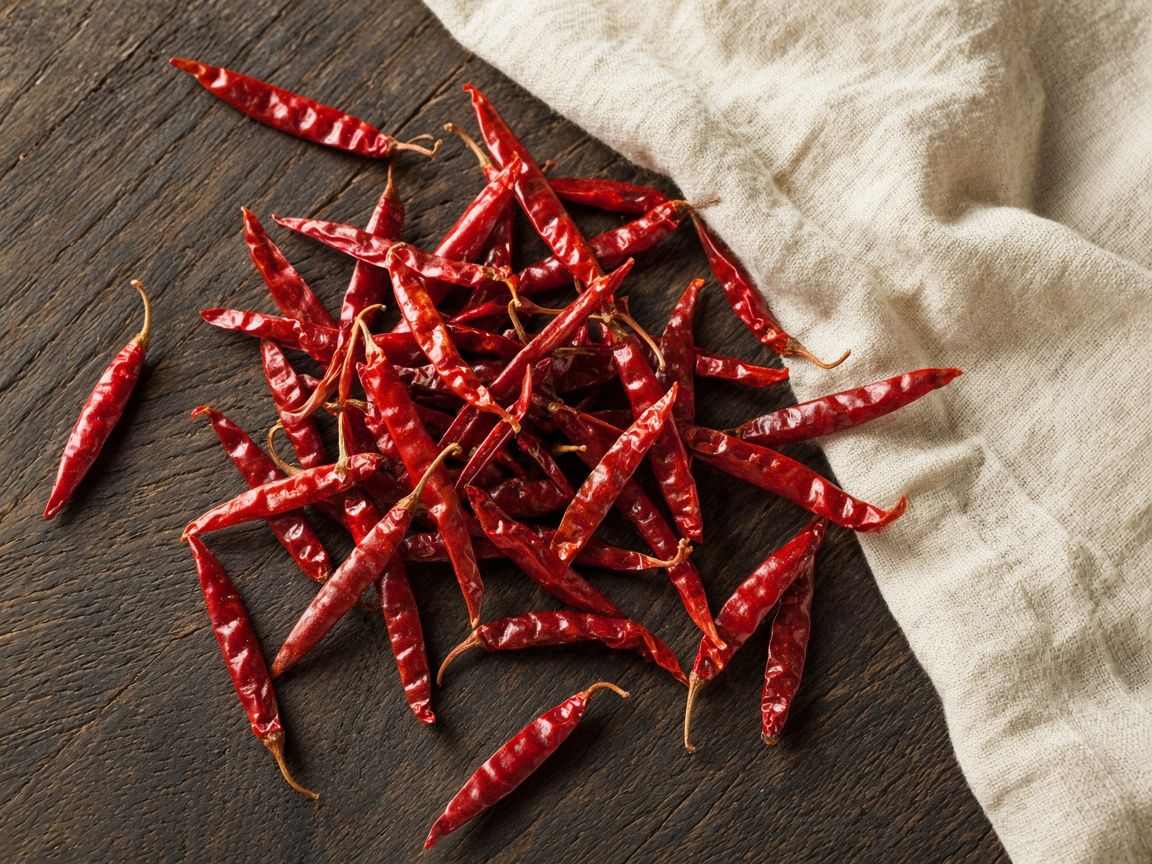
The slender red chile that turns a table salsa into a warning: clean heat, little fruit, no apology.
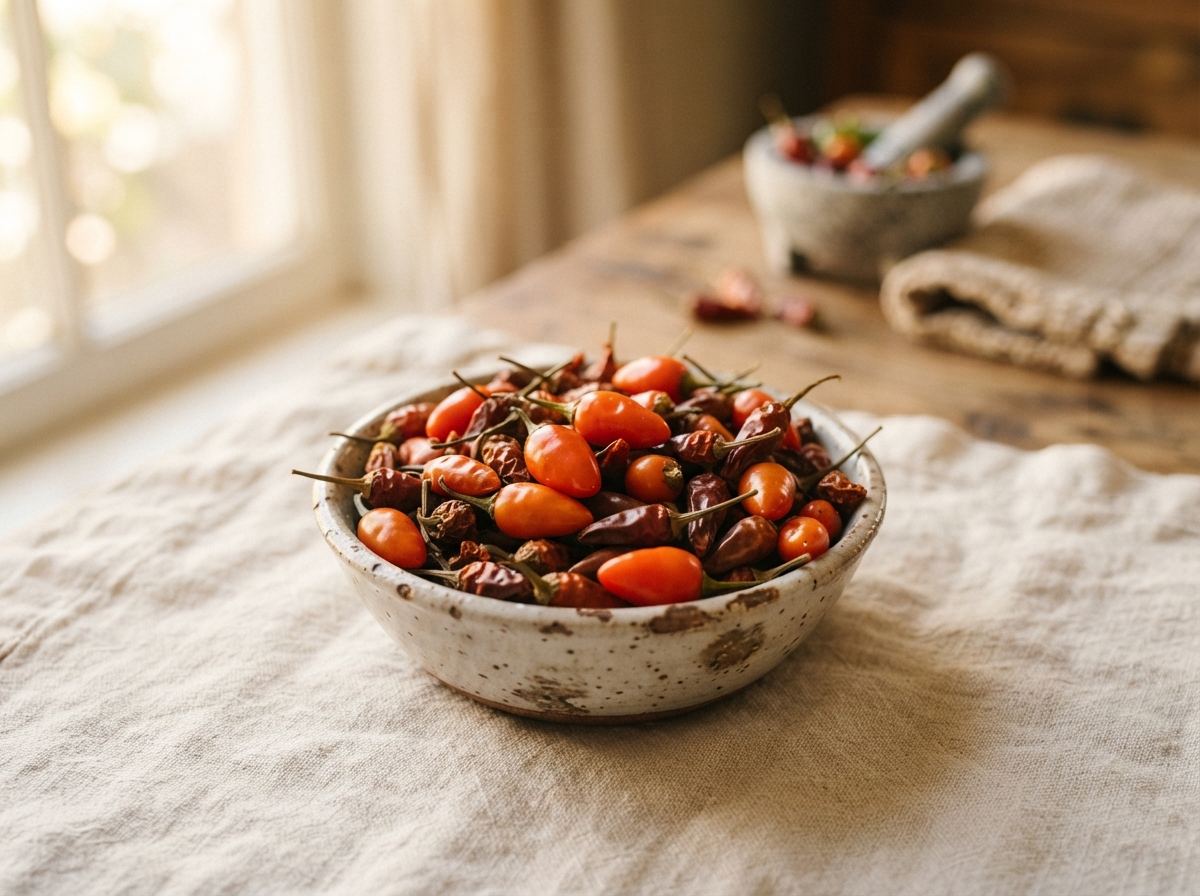
Tiny wild-leaning Mexican chile, sharp and seedy, for salsas and a salt rim.
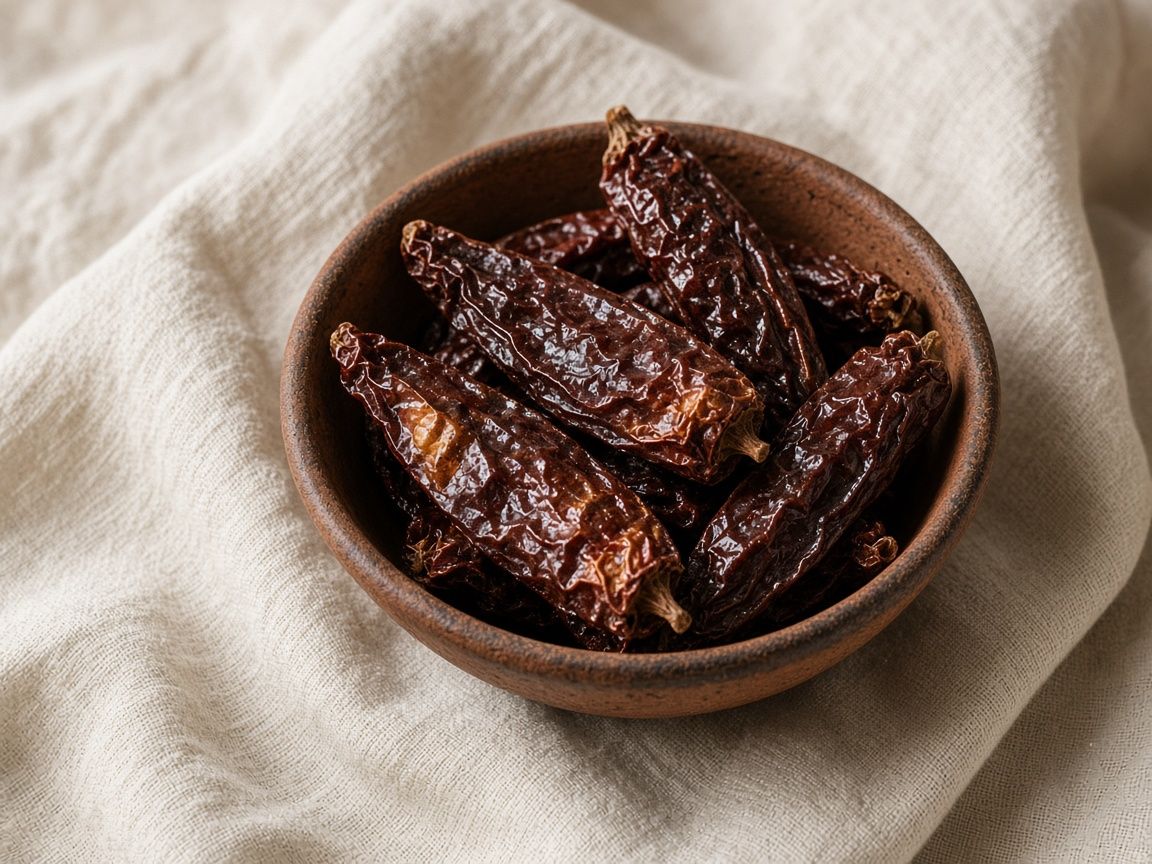
The jalapeño after fire: smoke, sweet heat, and the taste of a salsa that has been thinking overnight.
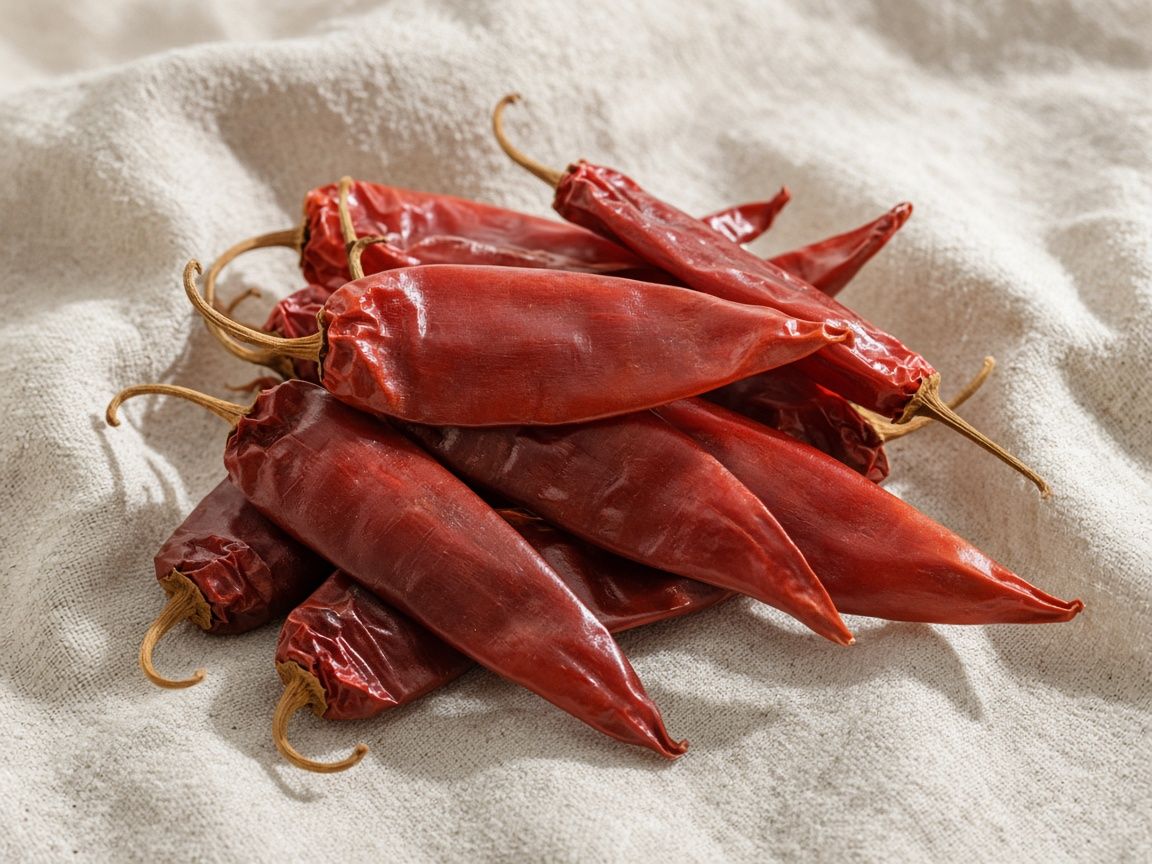
The workhorse dried chile of the Mexican book: brick-red, fruity, and in more recipes than any named pepper in the series.
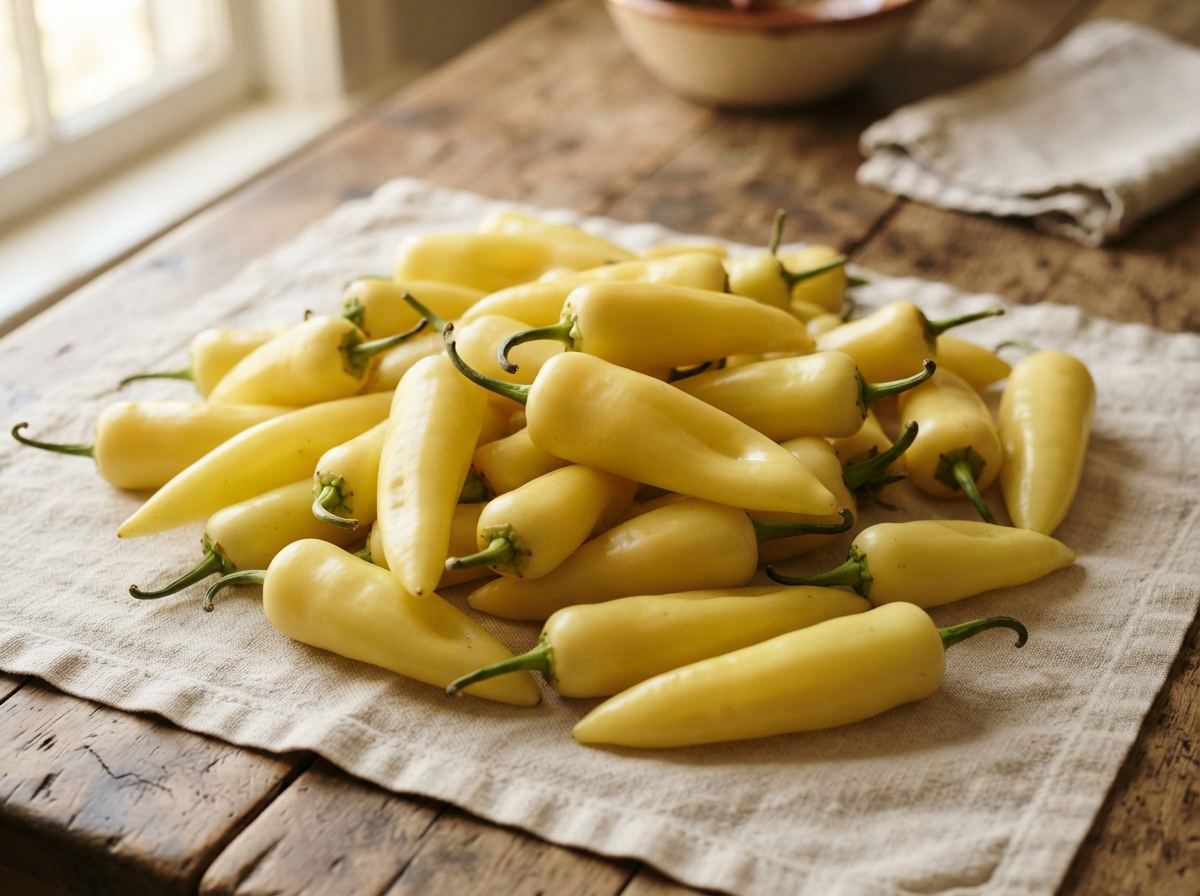
Pale Mexican chile — banana-pepper cousin, mild, for escabeche and rajas.
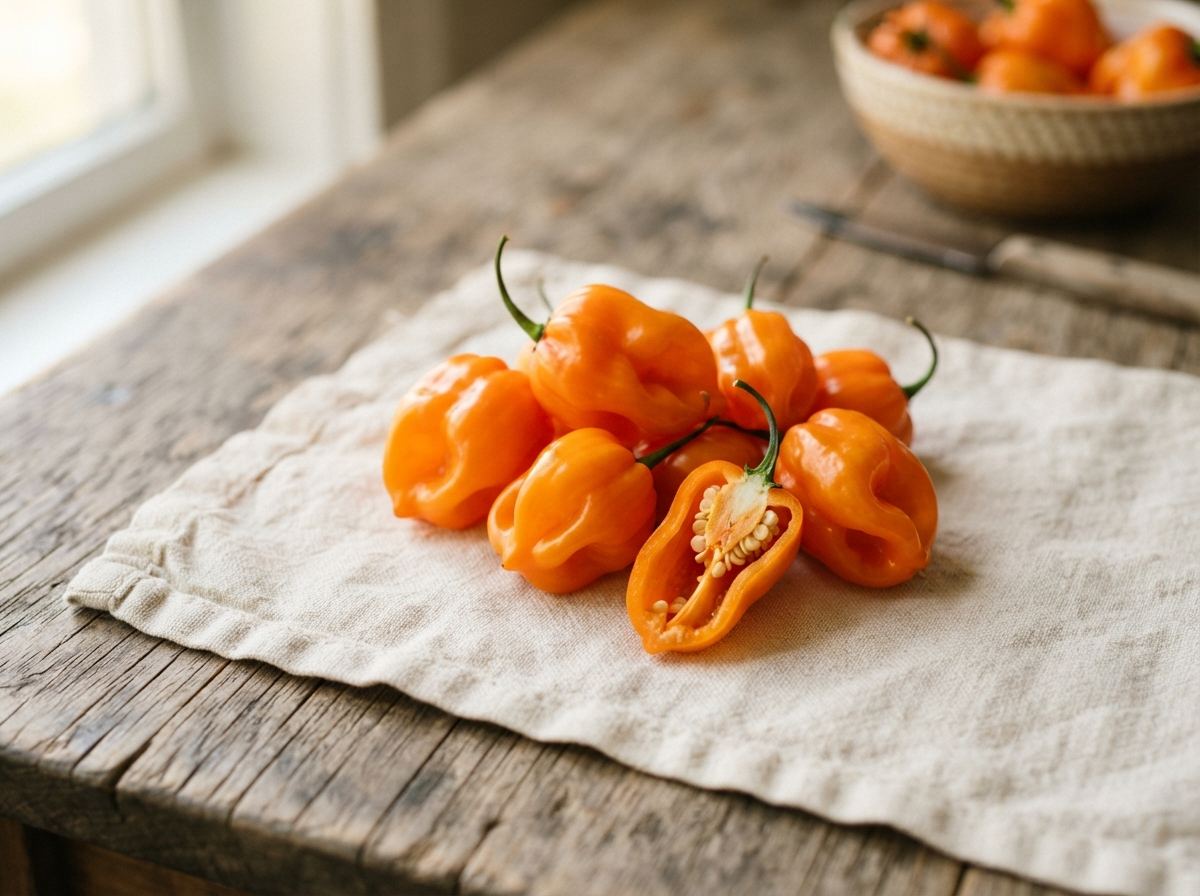
Tropical fruit and a serious burn: the chinense chile of the Yucatán and the Caribbean.
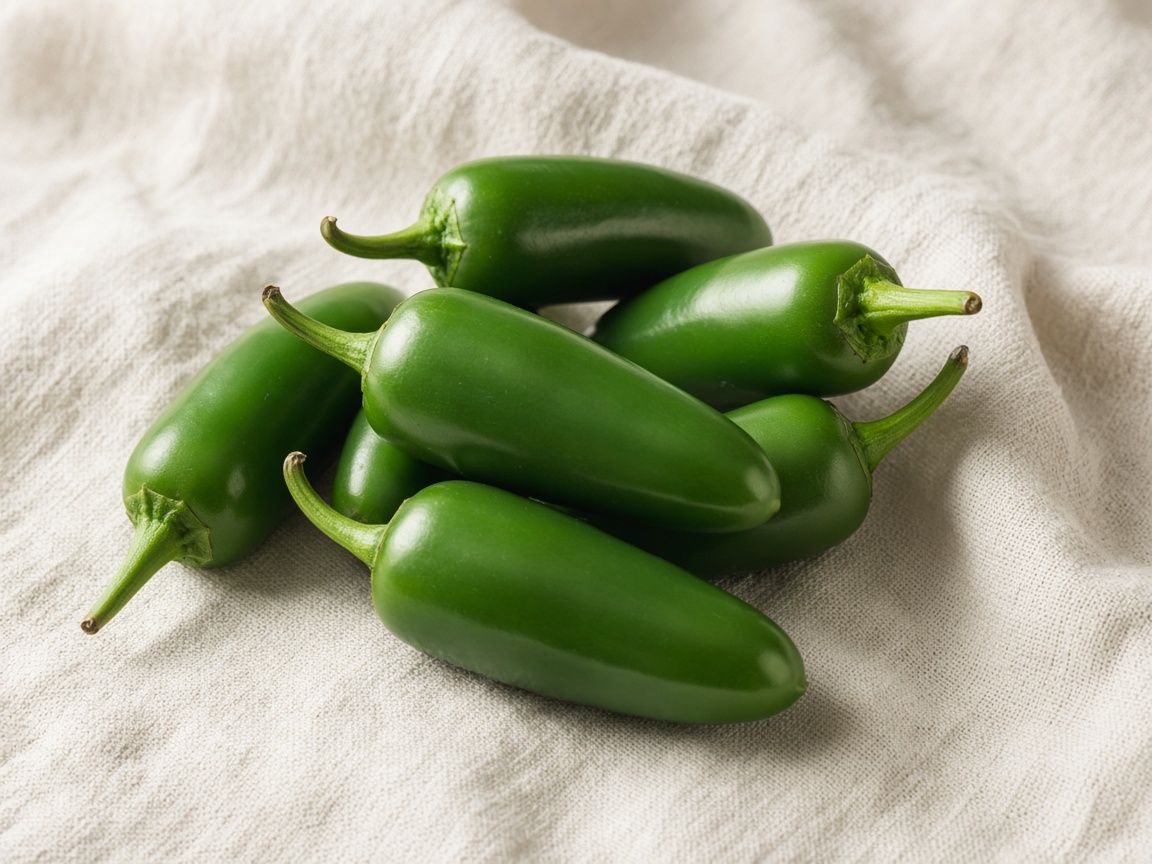
The chile that left home and kept its name: mild enough to pickle, serious enough to smoke into chipotle.
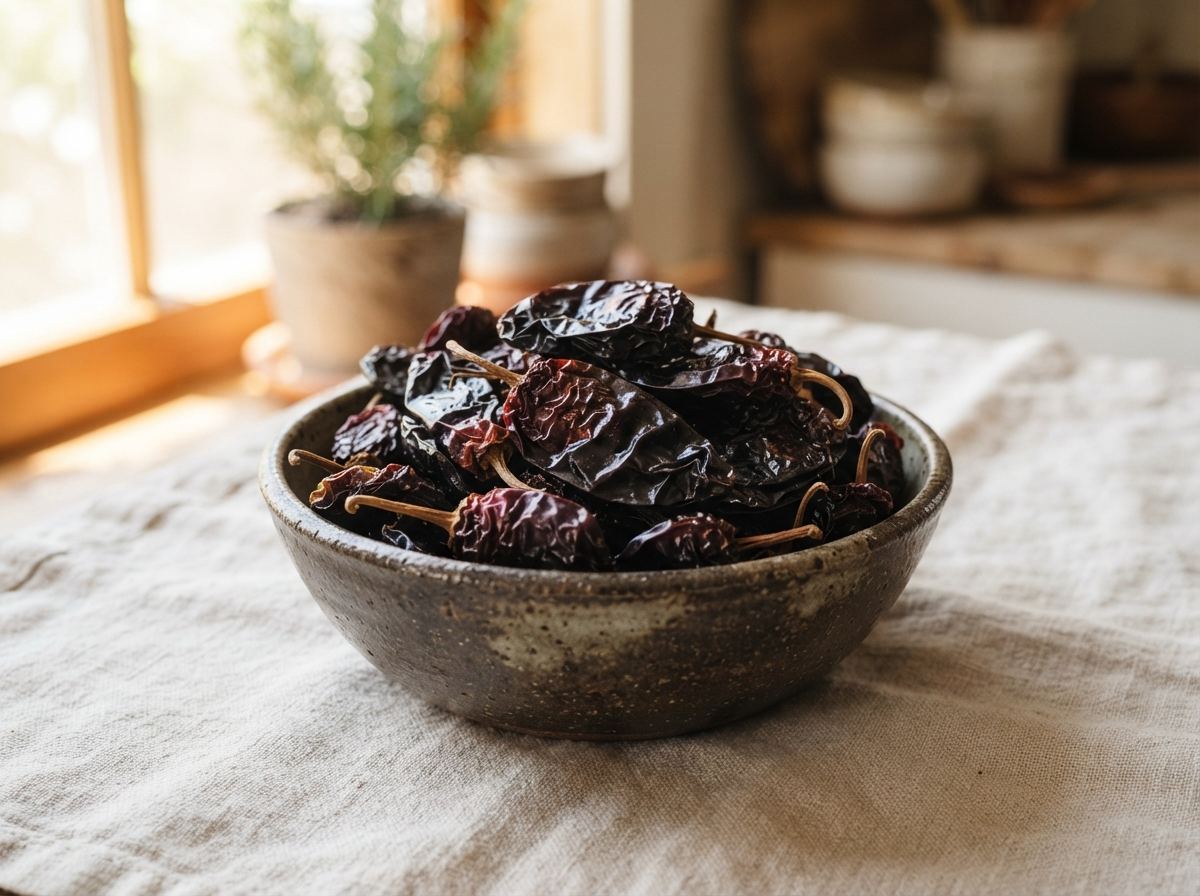
Small smoked jalapeño, fruitier than a long chipotle mora, at home in adobo.
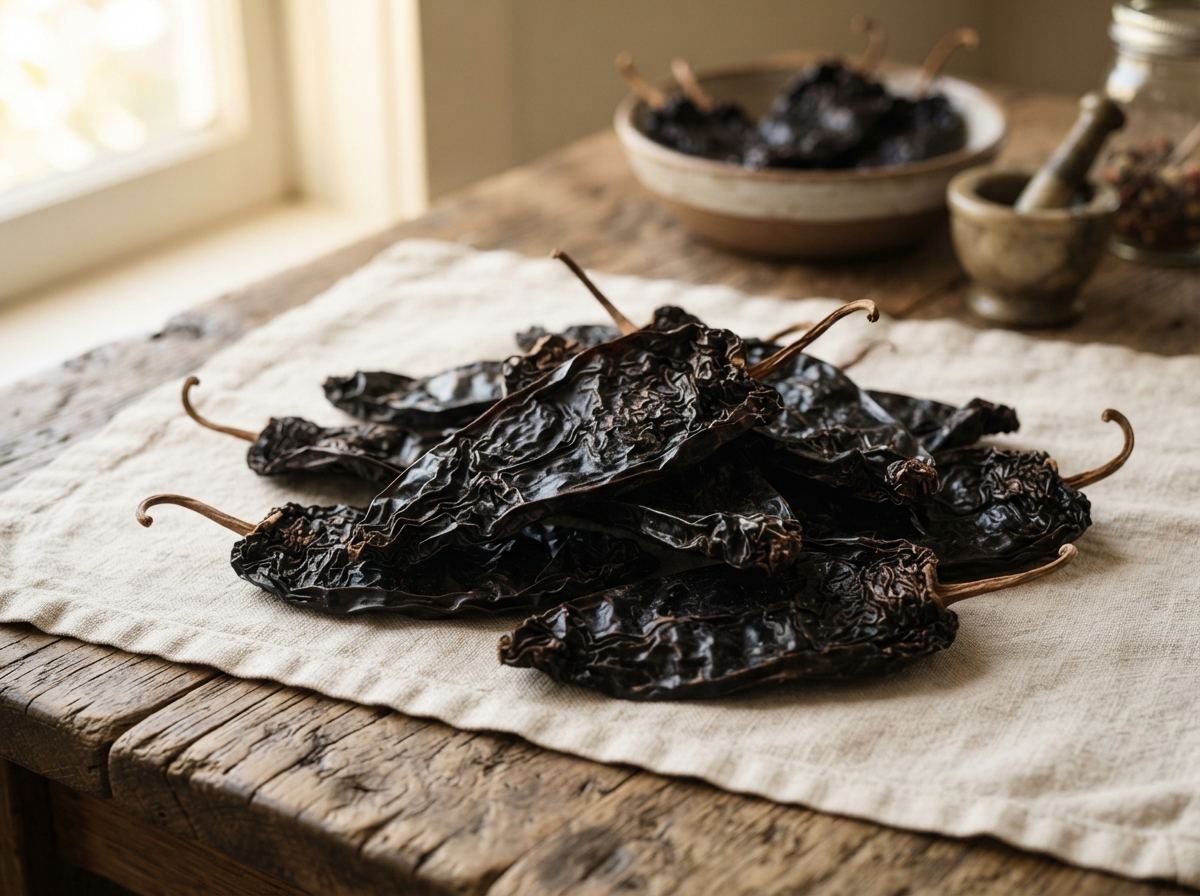
A poblano that ripened and dried into chocolate and dried fruit — mole's dark cousin of ancho.
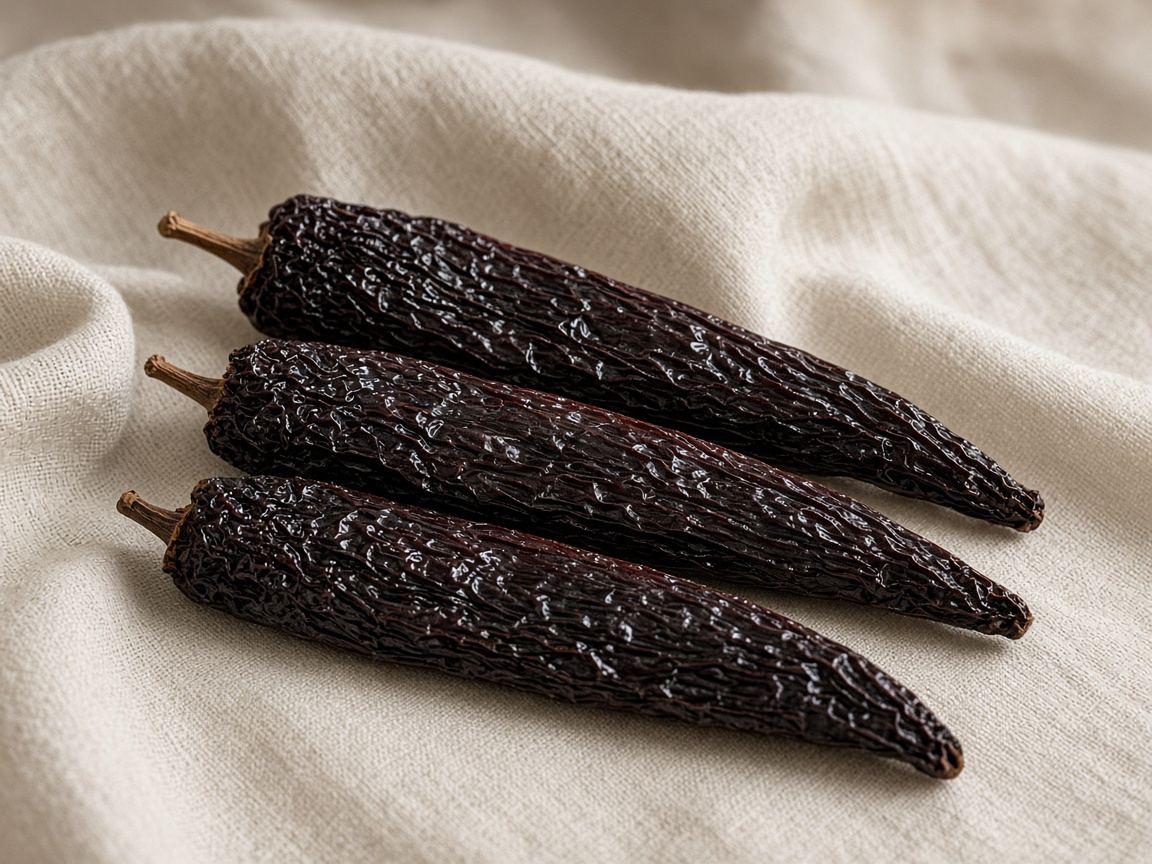
The long, almost black dried chile of a serious mole: fruit, tobacco, and less heat than it looks.
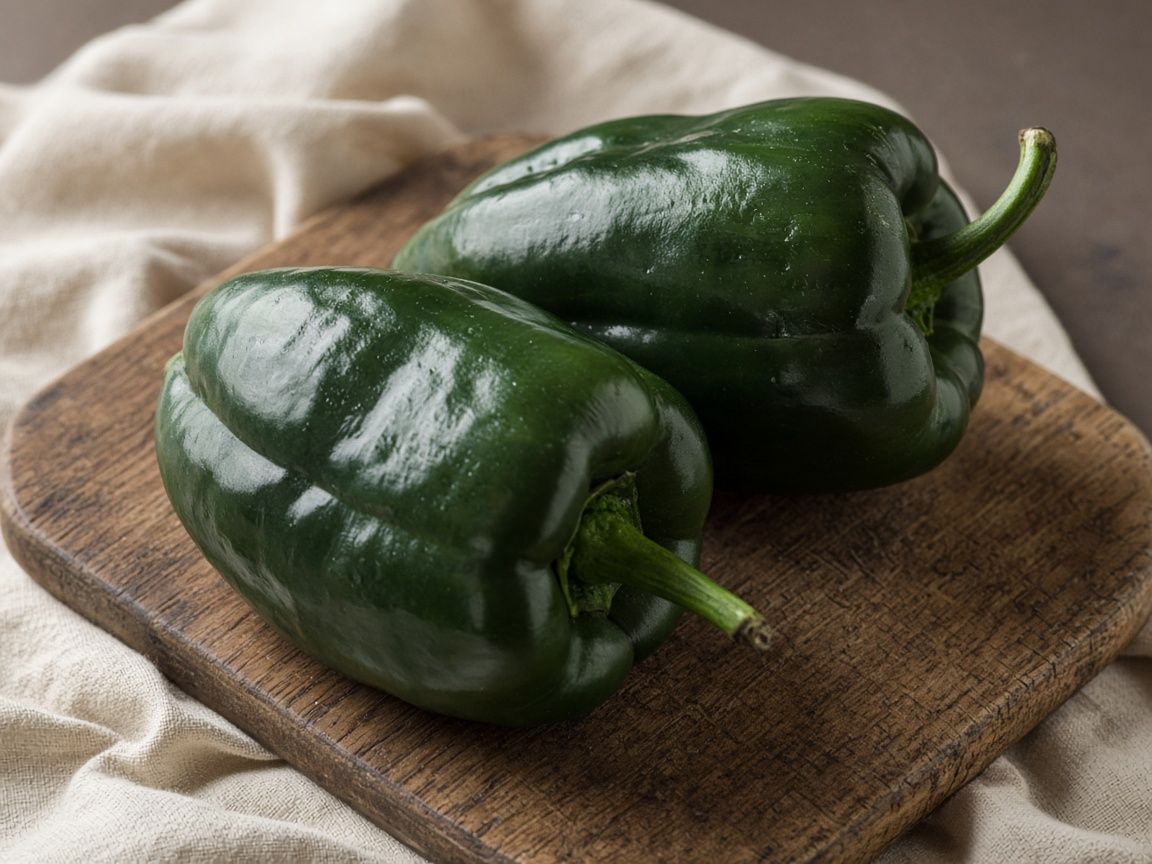
The stuffing chile: wide enough for cheese, mild enough for a child, dark enough to look serious on a plate.
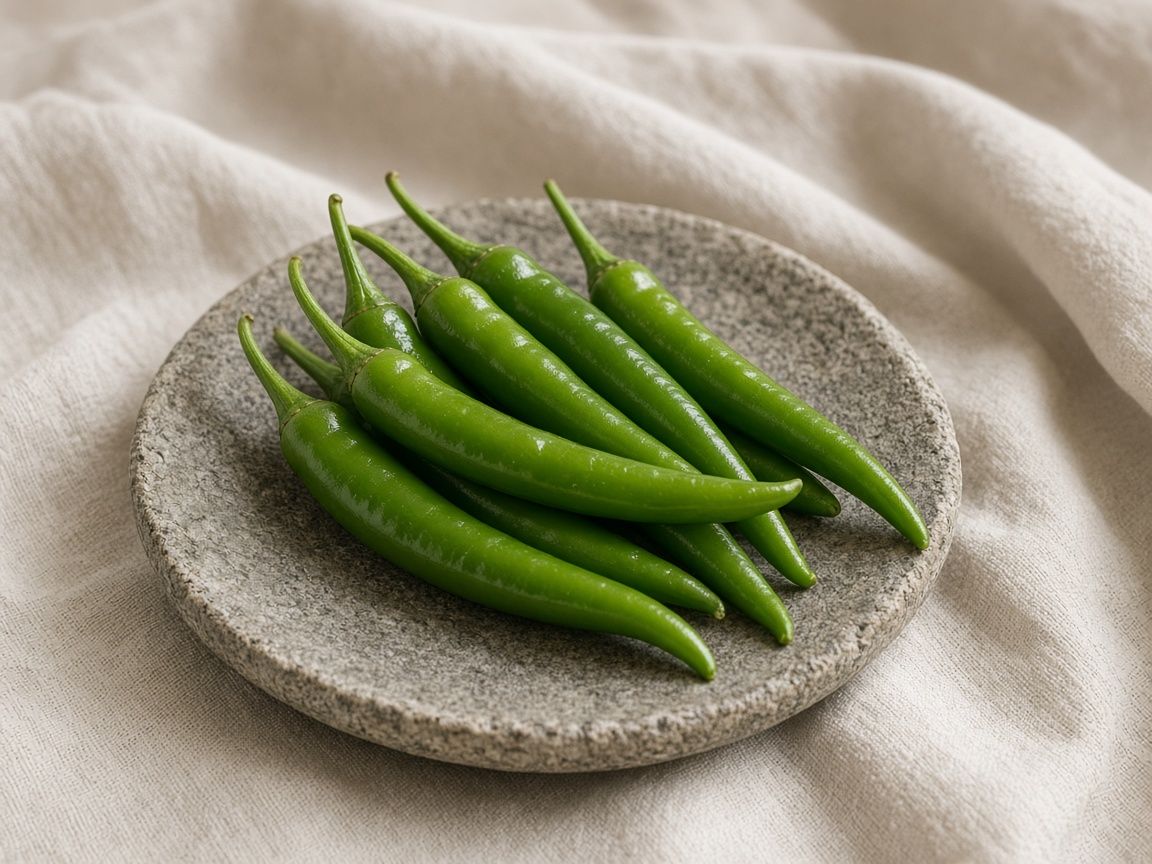
The bright green heat of salsa cruda: thinner than a jalapeño, louder, and the fresh chile the Mexican book reaches for most.
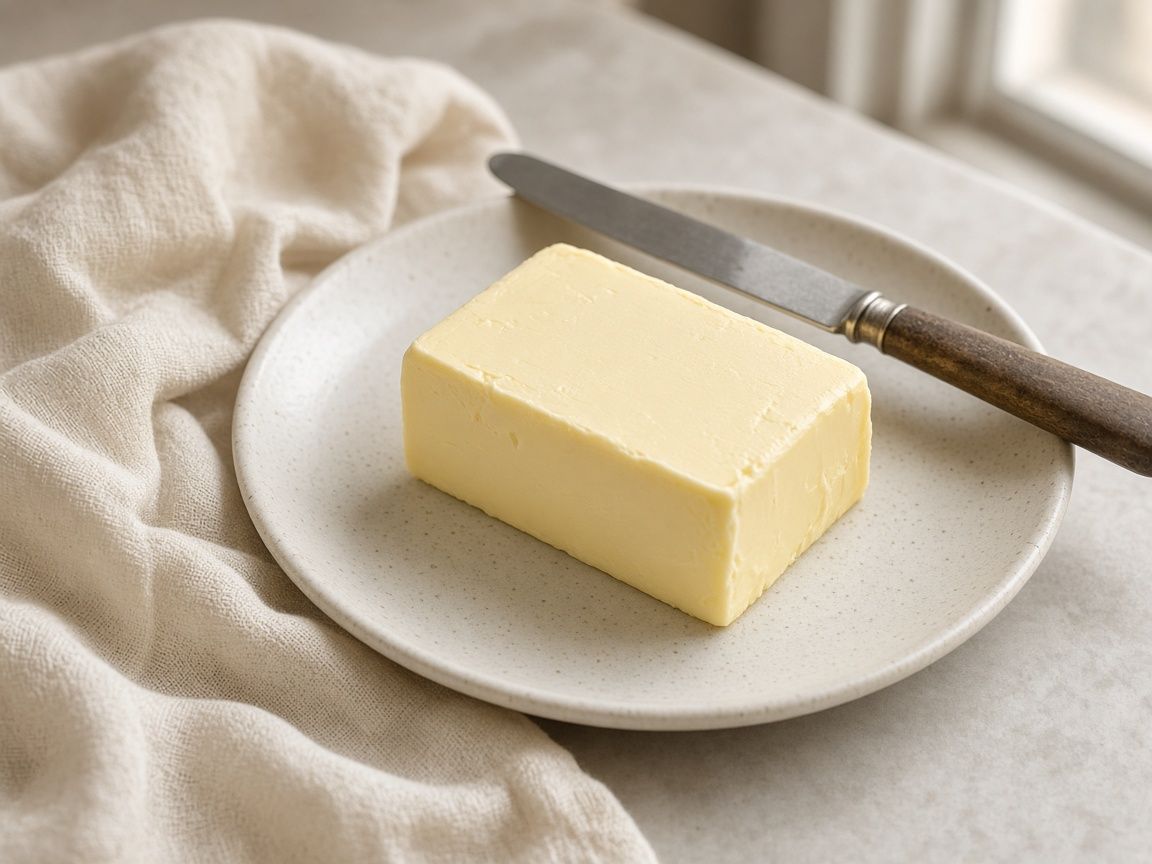
The fat that appears in every volume of the series: pale, sweet, and older than the word cuisine.
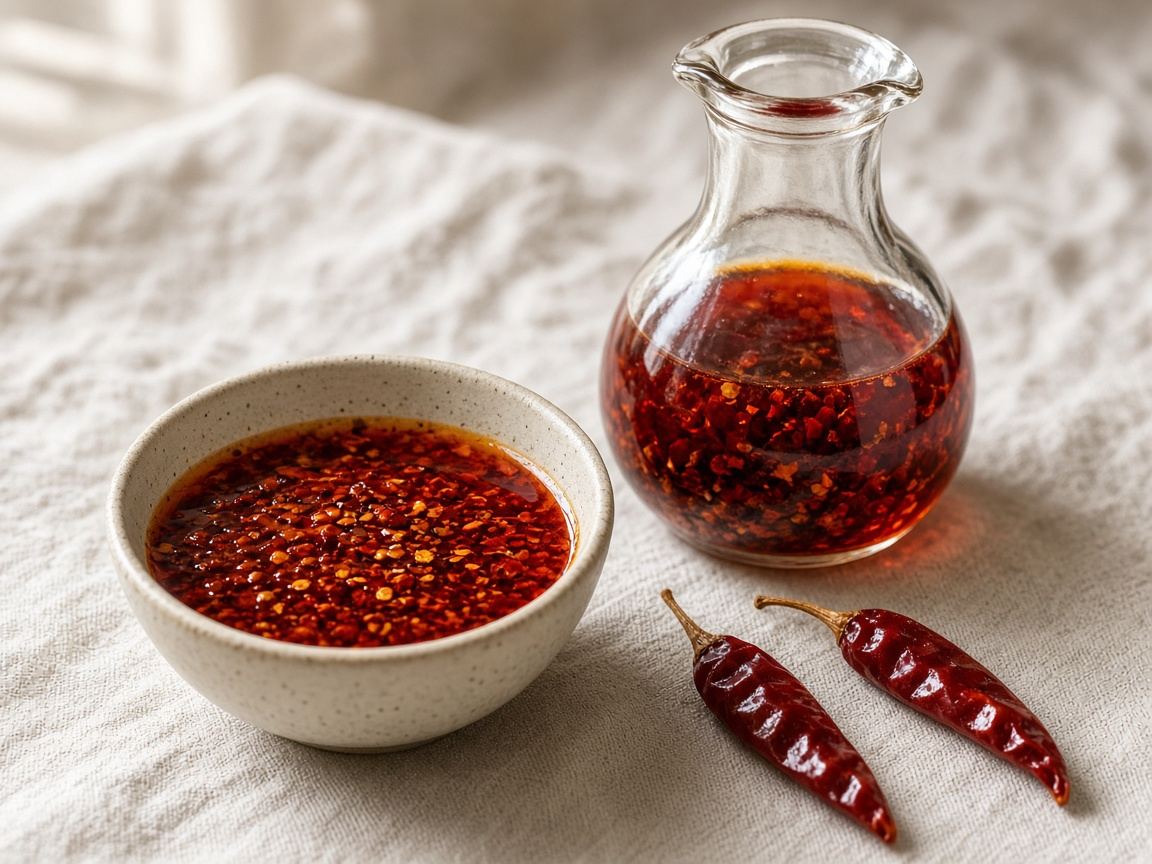
Oil that spent time with dried chile — the red sheen on noodles, dumplings, and a Mexican salsa that wants heat in the fat.
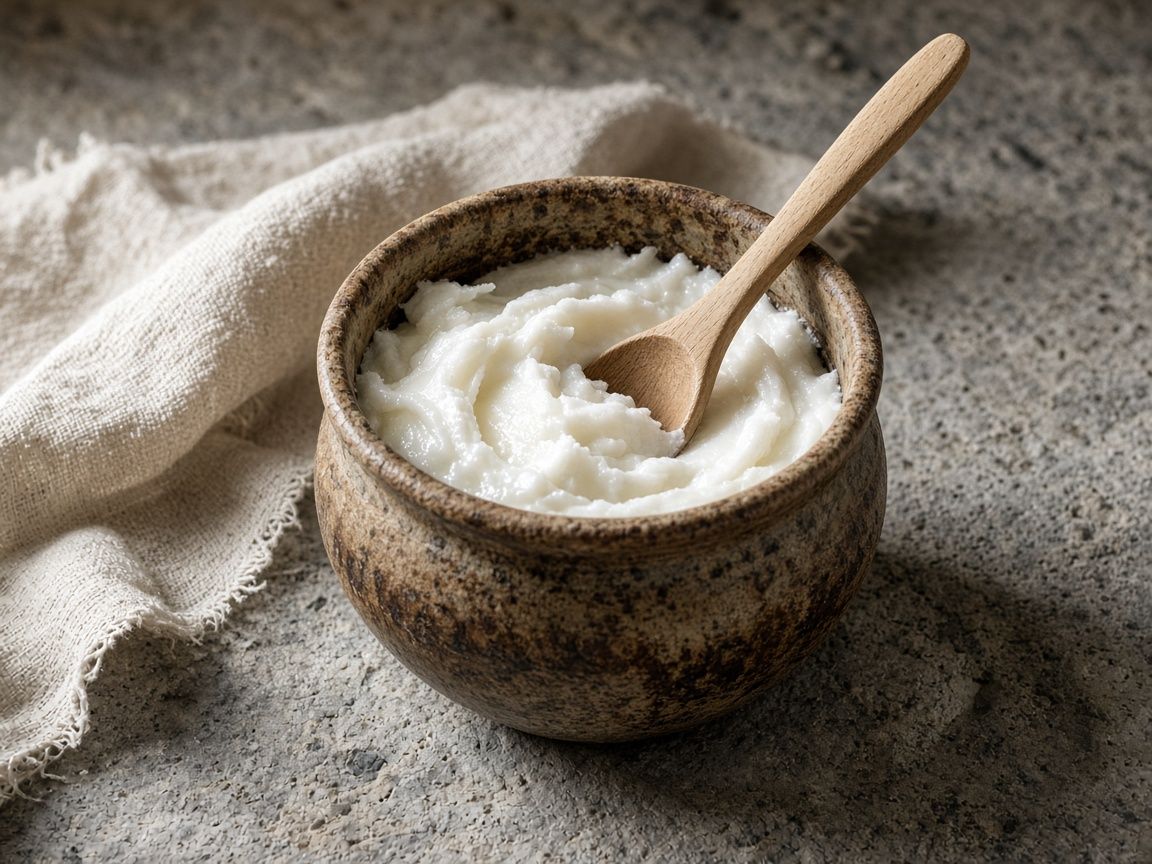
The quiet white fat of tamales, pie crusts, and refried beans — a pantry that industrial kitchens tried to shame, and home cooks never quite abandoned.
The instruction that means: do not let the oil speak louder than the spice.
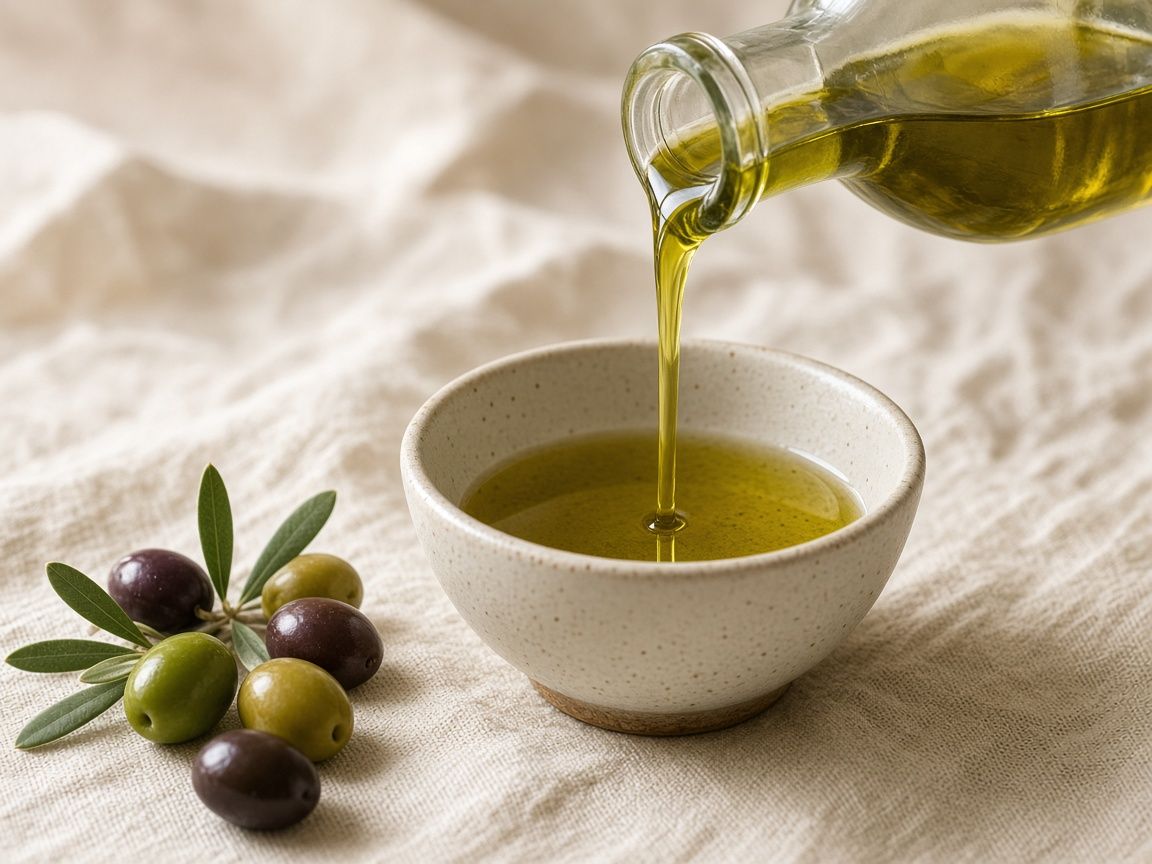
The green-gold fat of 29 kitchens in the series: a fruit juice that learned to travel, and then to stay.
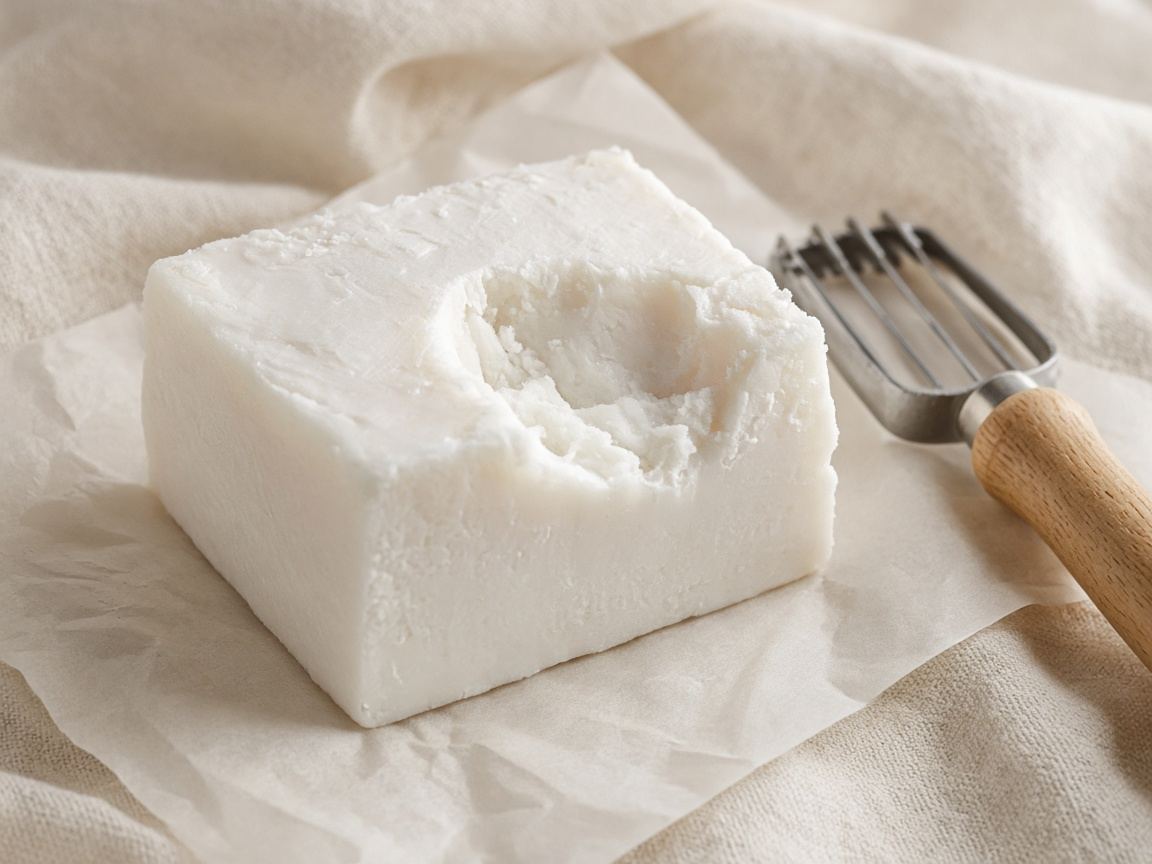
The white fat of a pie crust and a flour tortilla when lard is not in the house.
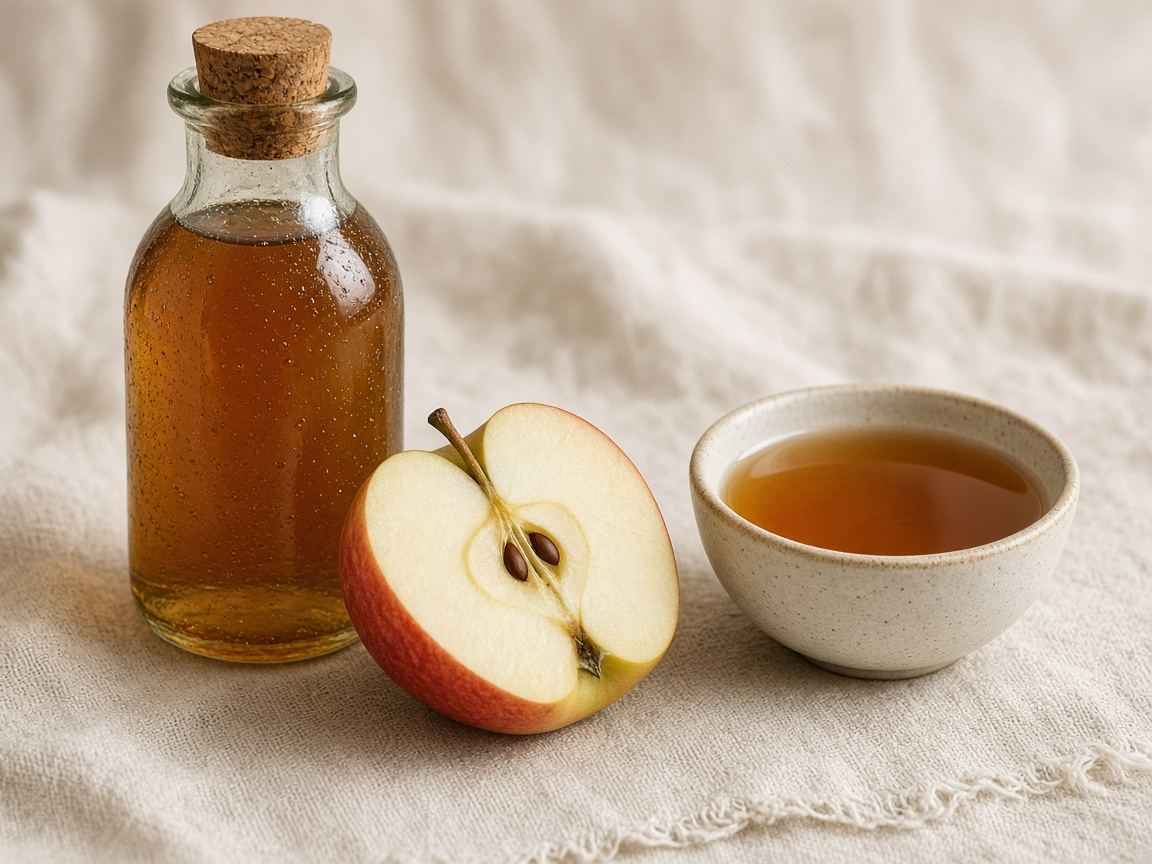
The orchard sour of American and German home kitchens.
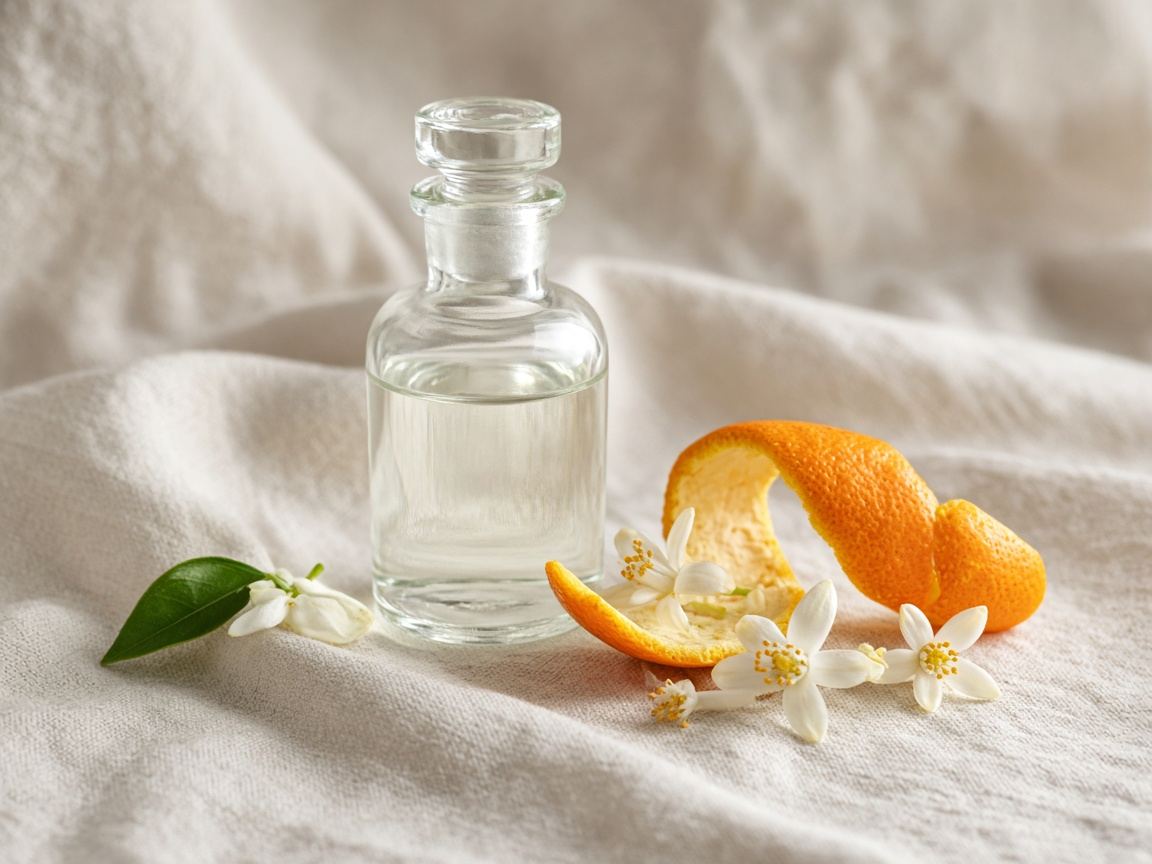
A drop of white flowers in a pastry, a salad, or a glass of water: perfume you can eat if you stay humble.
Sharp, cheap, and honest — the pickle and salsa vinegar.
Anchovy, tamarind, and vinegar in a bottle the weeknight steak still wants.
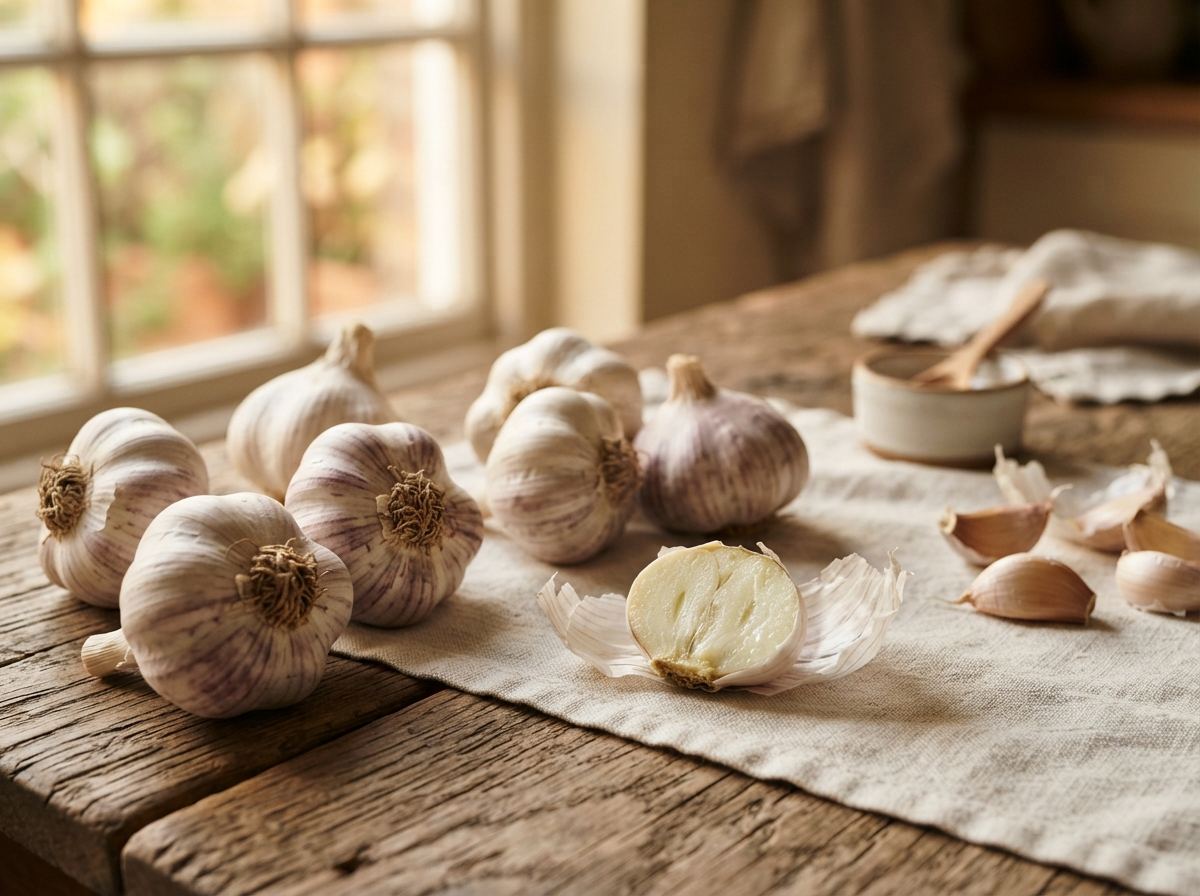
The clove that starts more ComidaTime pots than any other aromatic — smashed, sliced, or left whole in oil.
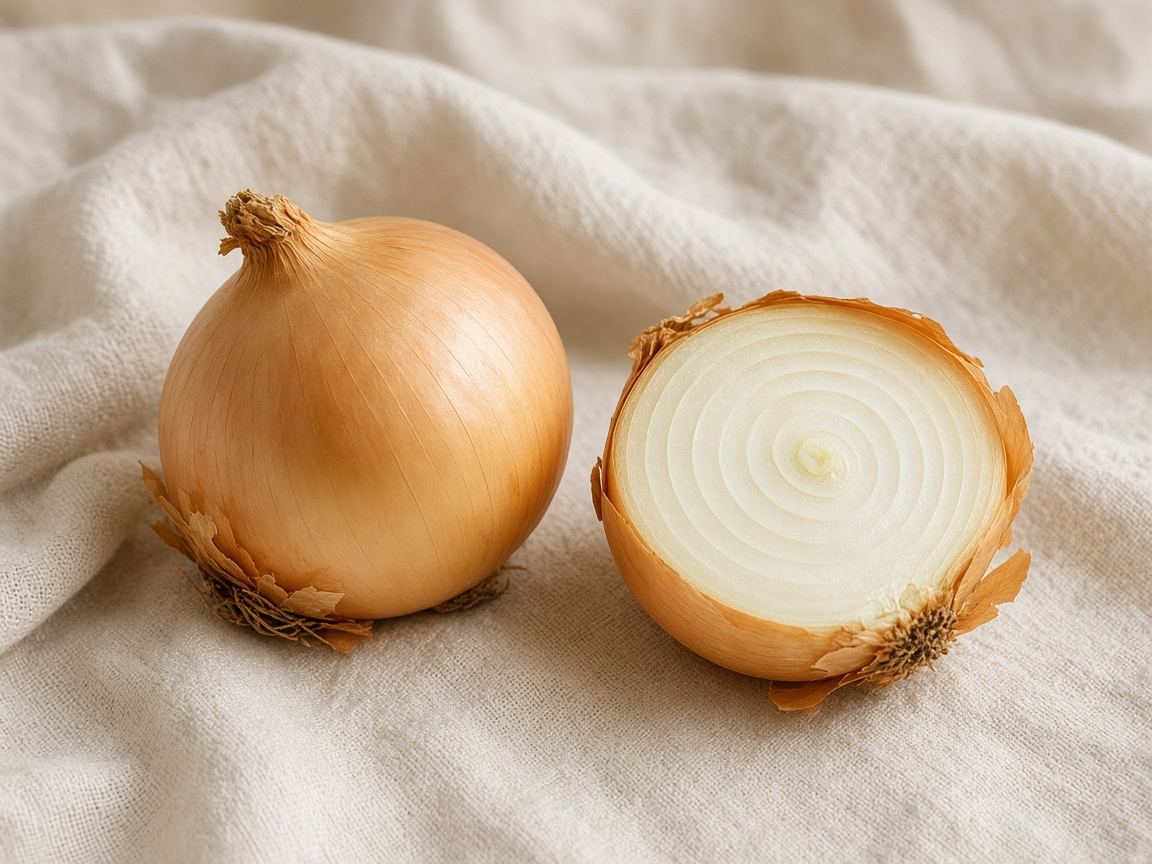
The first cut in almost every ComidaTime pot: sweet when slow, sharp when raw, the aromatic the books assume you already have.
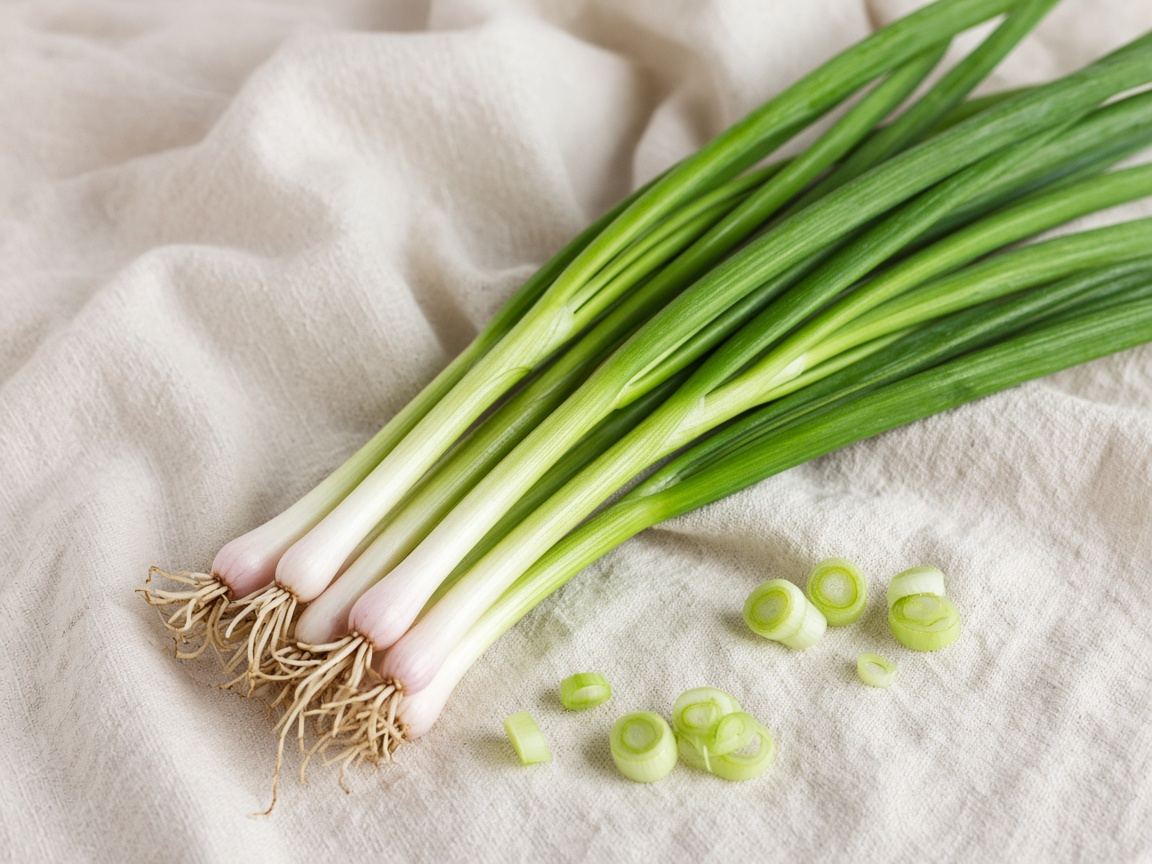
Green onion: the fresh allium you slice at the end, or fry into a pancake.
The spices, mixes, and hearths that belong to Mexican cooking — then the people around them, and the kitchens still joining the table.
Open the Mexican pantry Open Mexican cookware The Mexican table Host a Mexican night Join the community