
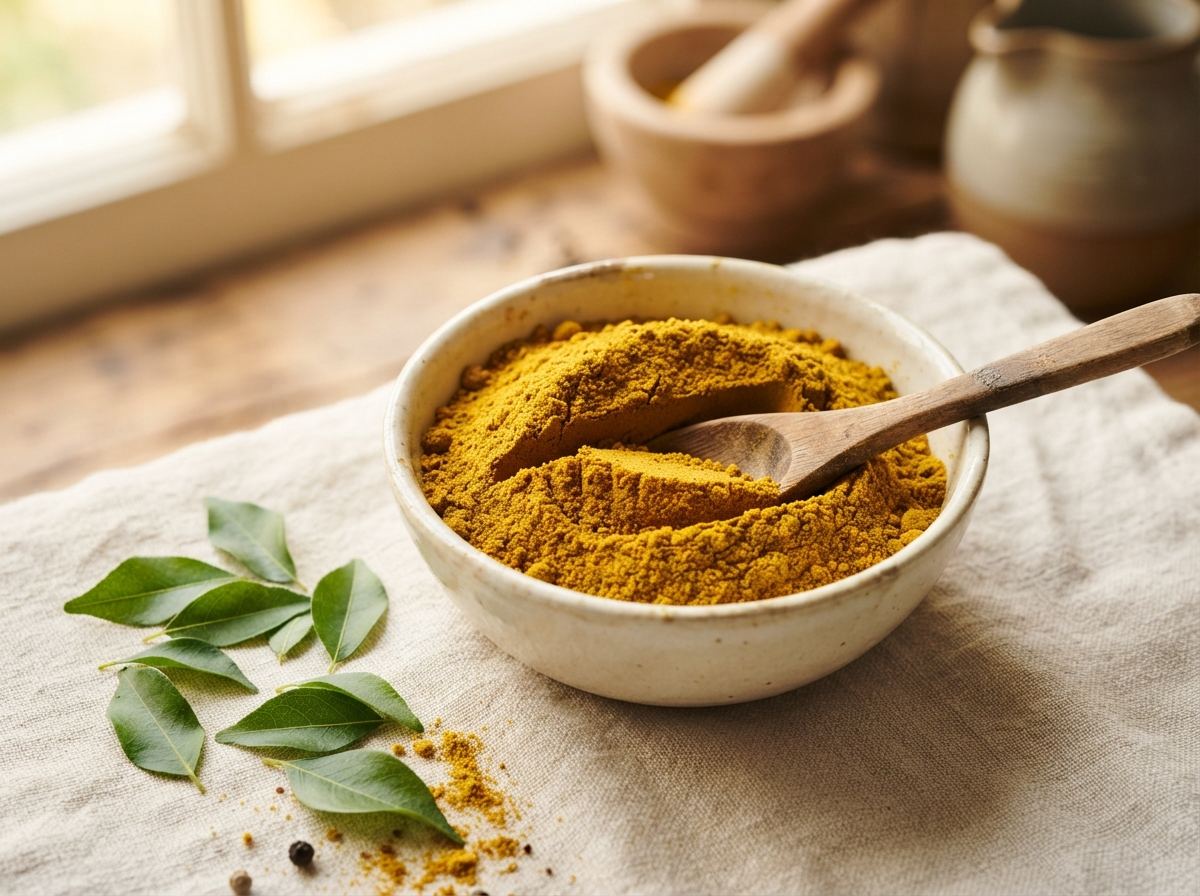
Curry powder
A British-Indian jar that the books still reach for when a kitchen wants turmeric, coriander, and speed.
Every mix, leaf, chile, fat, and spice German cooking names in the International Cuisines series — the full shelf a home cook actually reaches for.
The German shelf from the book: what the recipes assume, what the free pages smell like, and what belongs next to the hearths of this kitchen.
Back to German cooking · Open German cookware · The full pantry
A British-Indian jar that the books still reach for when a kitchen wants turmeric, coriander, and speed.
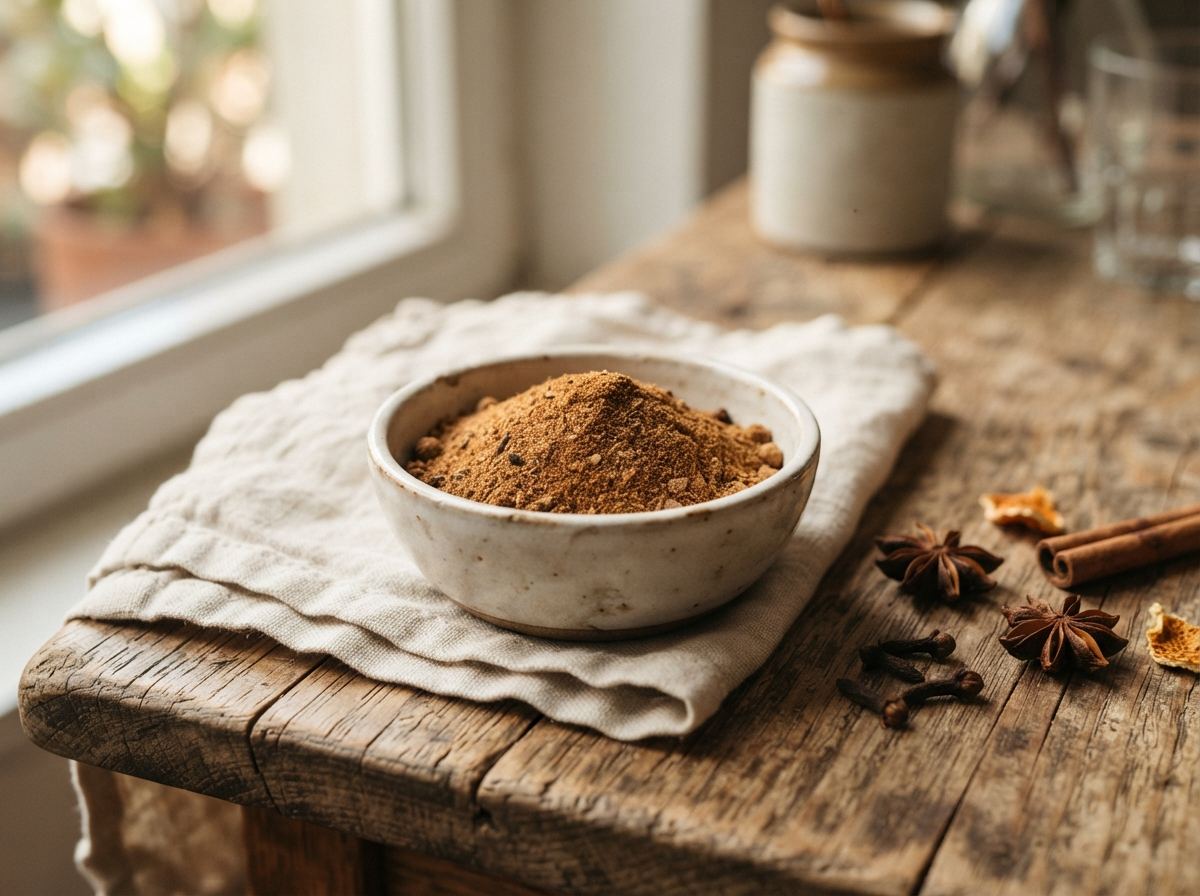
German Christmas in a spoon: cinnamon, clove, coriander, and the Nuremberg bakery air.
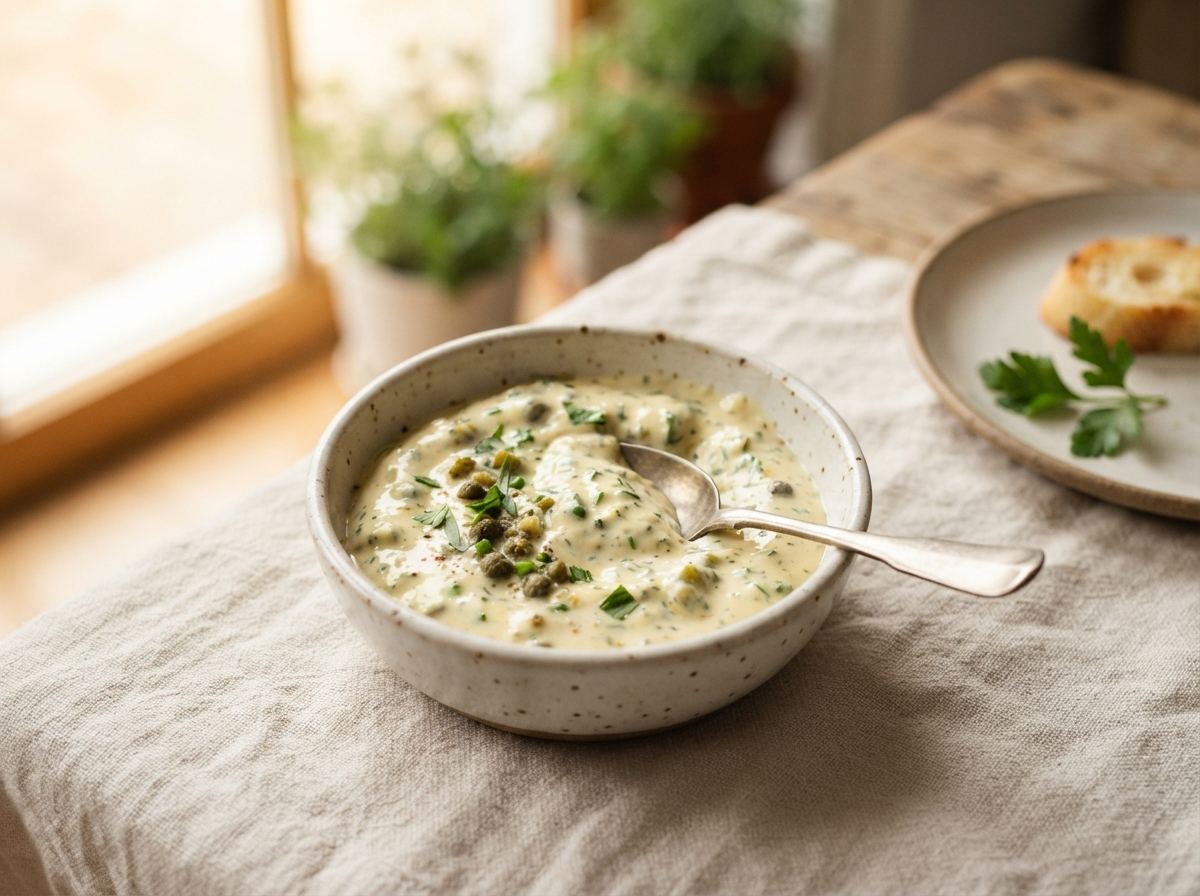
A cold herb-and-pickle sauce German and French tables still write by name.
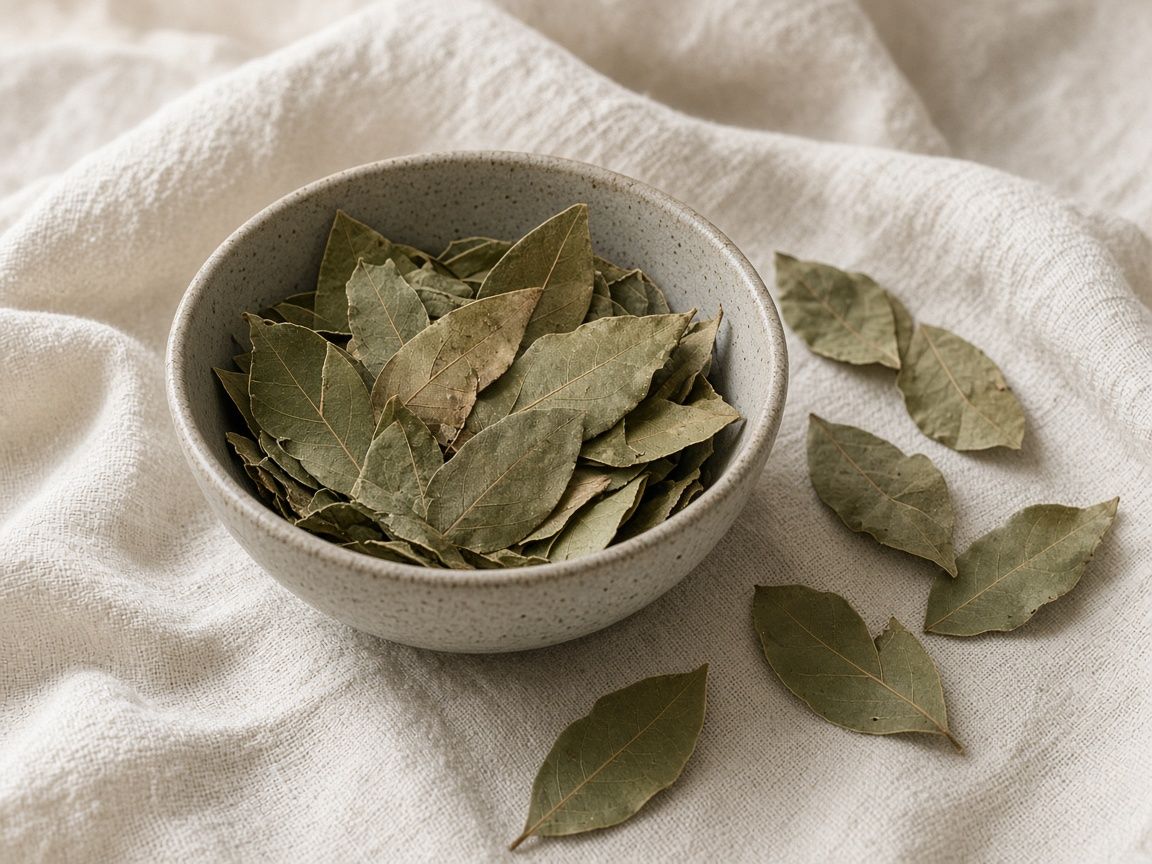
The leaf you never eat and always miss if it is gone: 29 kitchens in the series drop it into a pot and fish it out later.
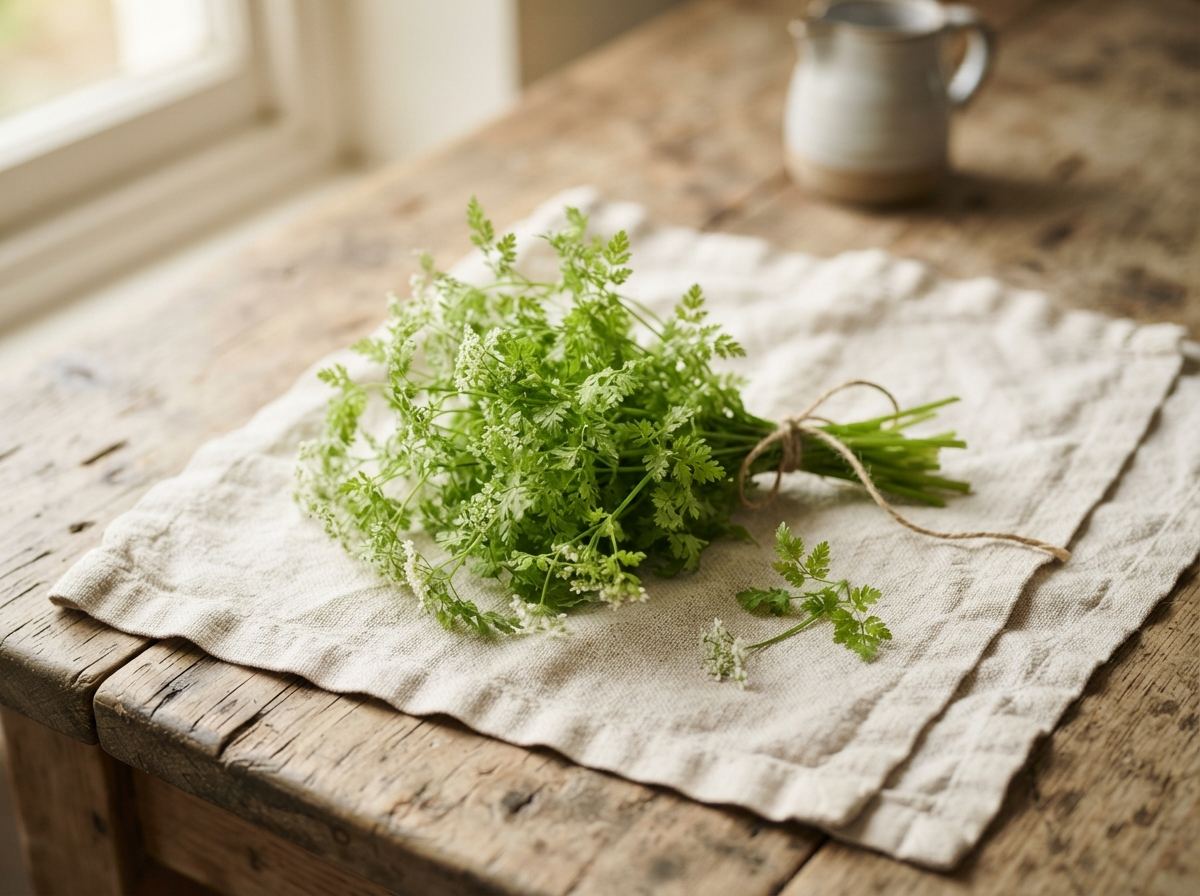
The delicate parsley of spring — a French fines-herbes leaf that hates a long simmer.
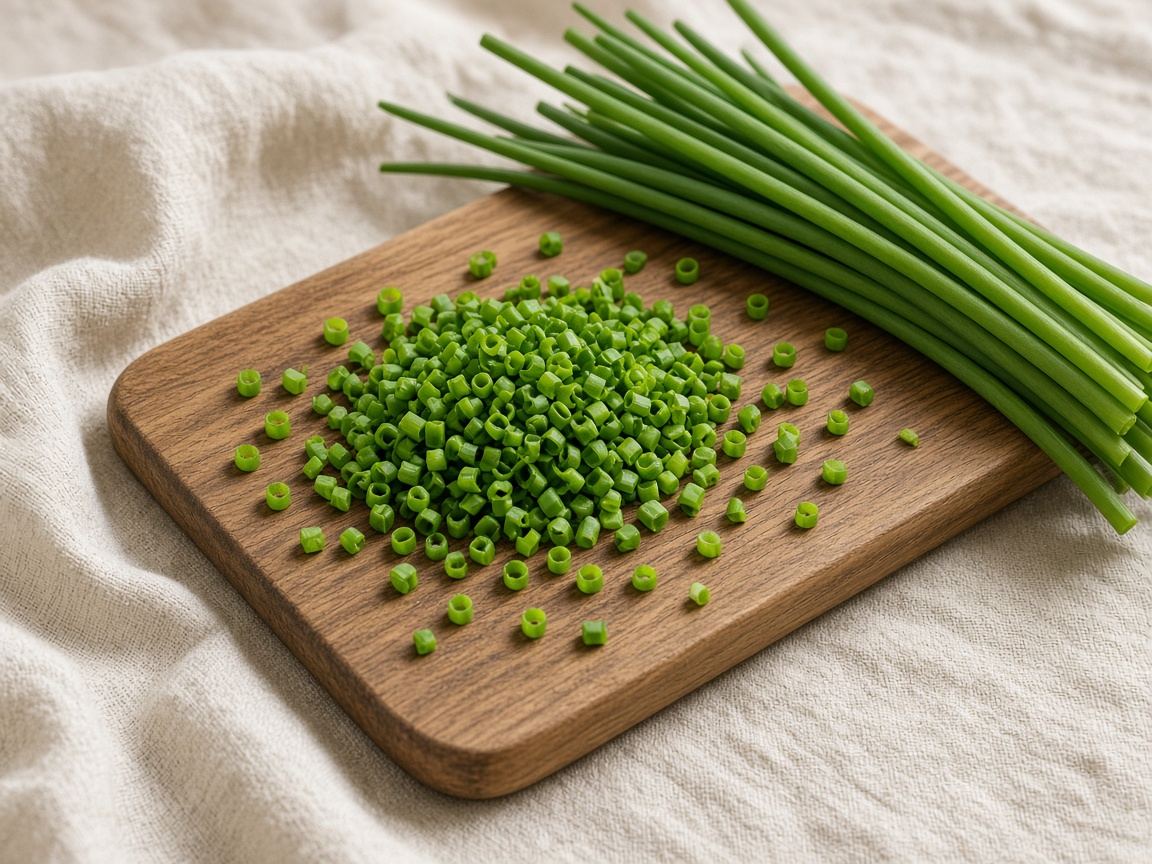
A green onion you do not cook hard: the last snip on eggs, a soup, and a Thai or German plate that wants freshness.
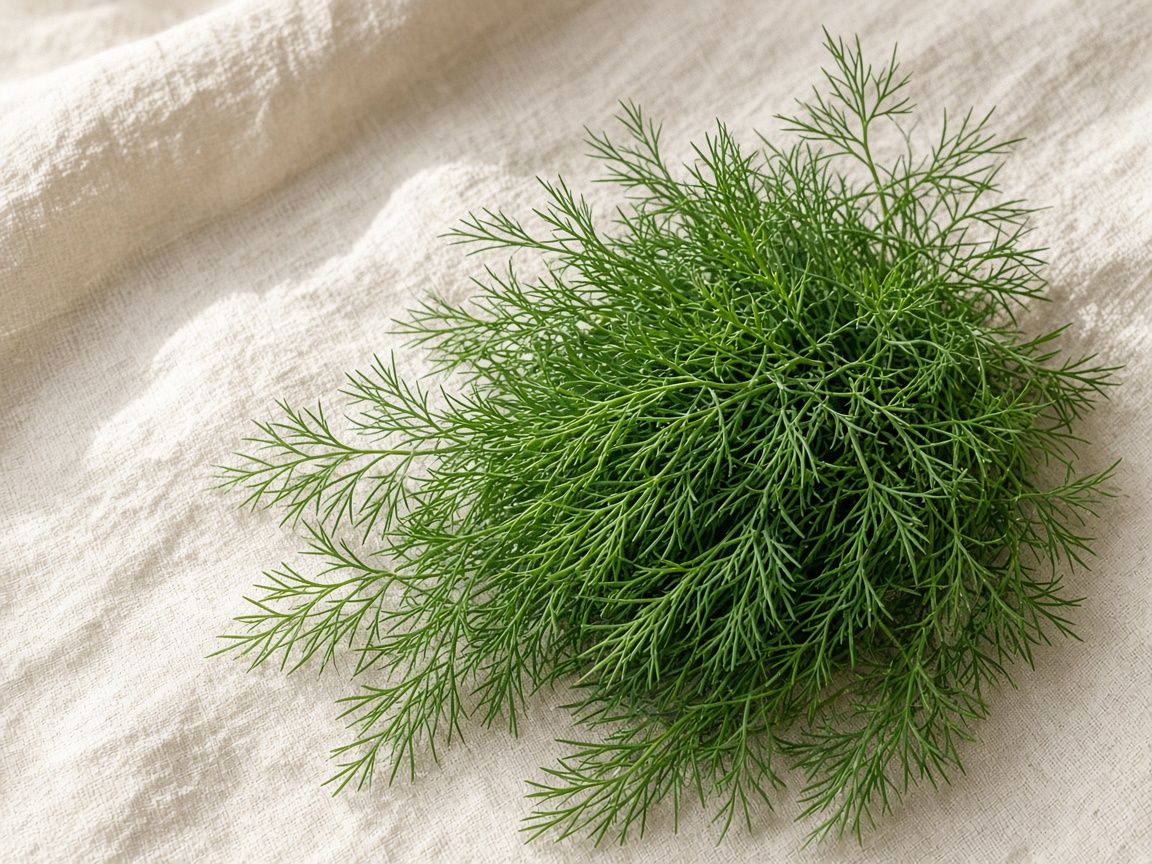
The feathery green of pickles, yogurt, and fish — and, in this series, of 23 kitchens that refuse to treat it as only a Northern herb.
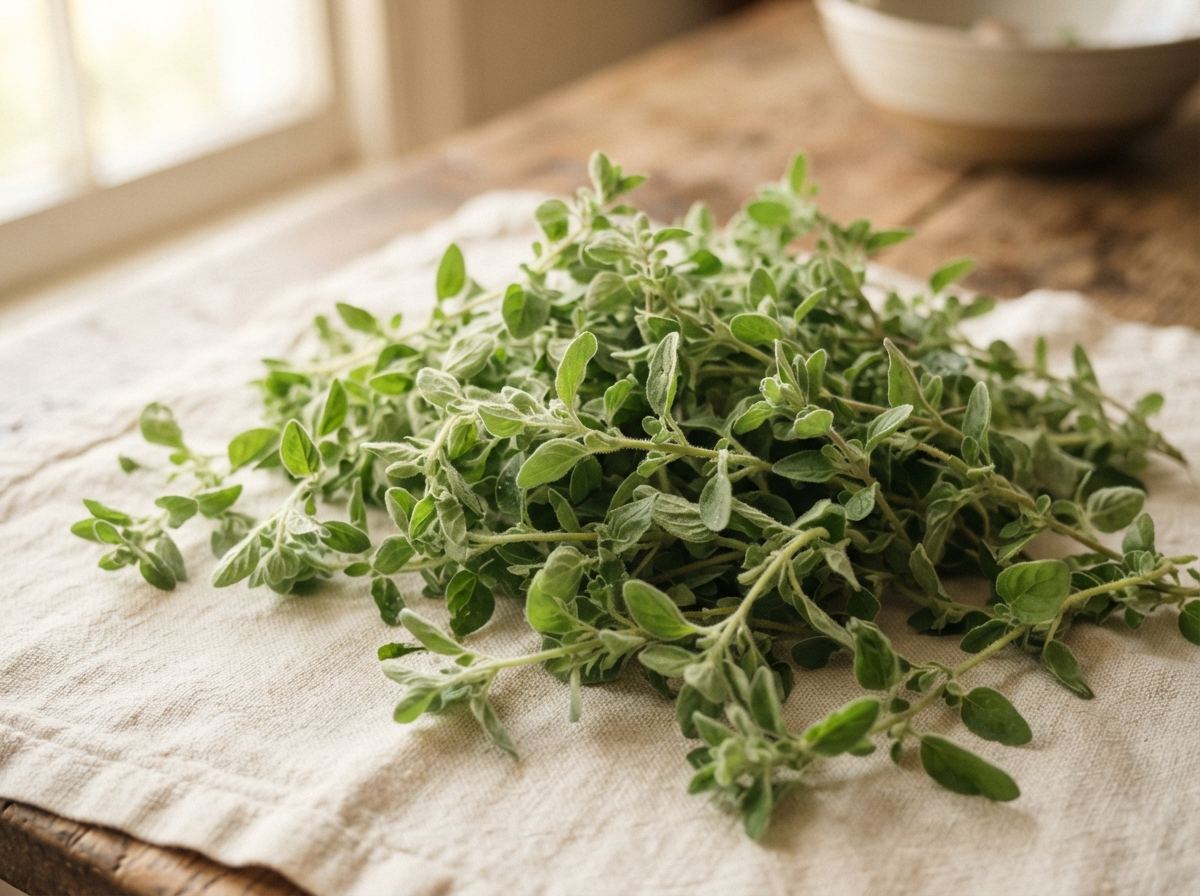
Oregano's gentler sister, sweeter, and at home in German and Polish pots.
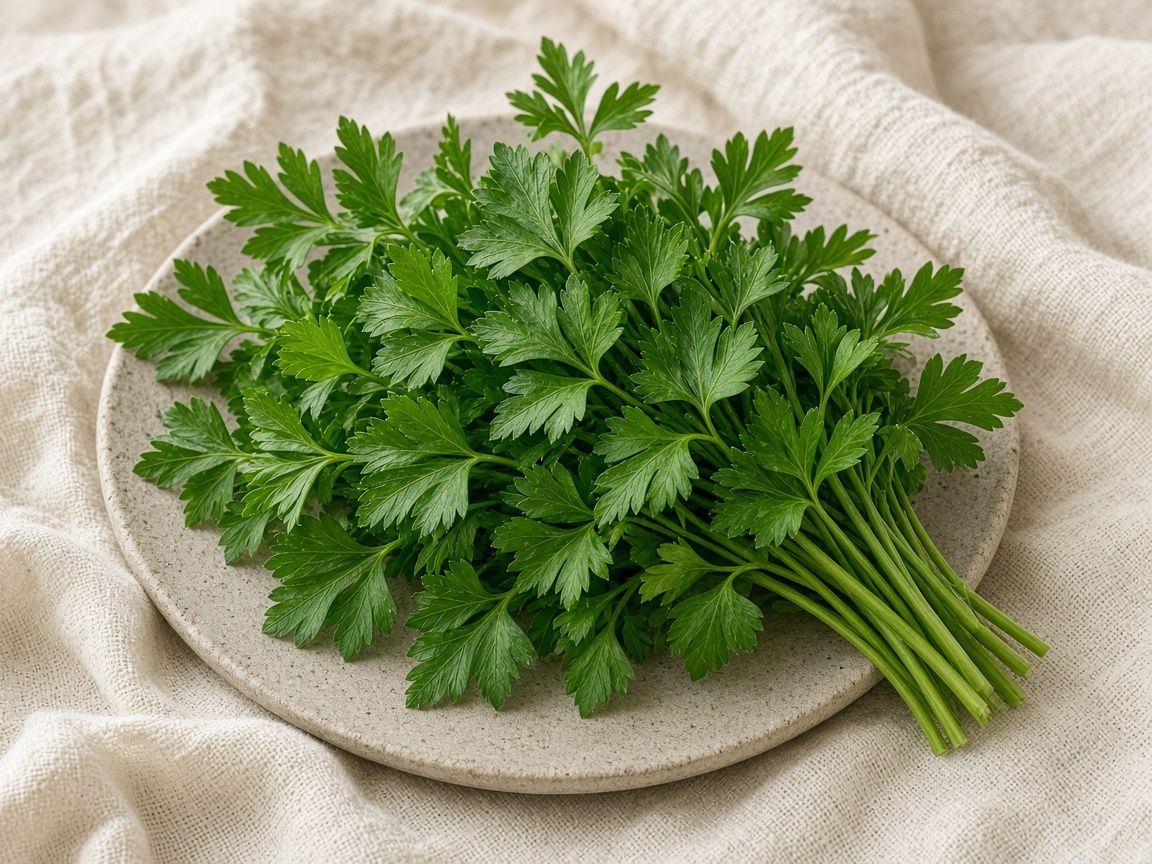
The green that finishes a pot in 27 of the 30 books: not a garnish, a last bright note.
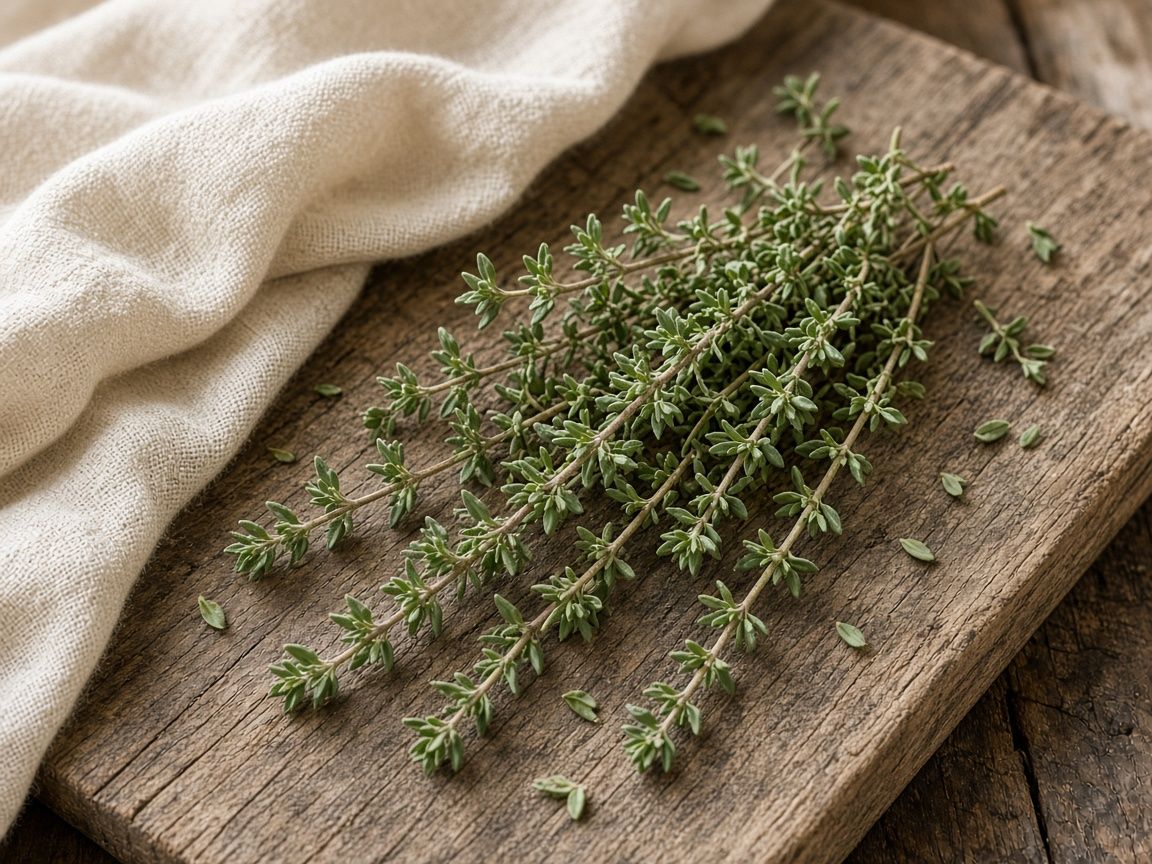
The small leaf that survives a long simmer: bouquet garni's backbone and the scent of a French Sunday pot.
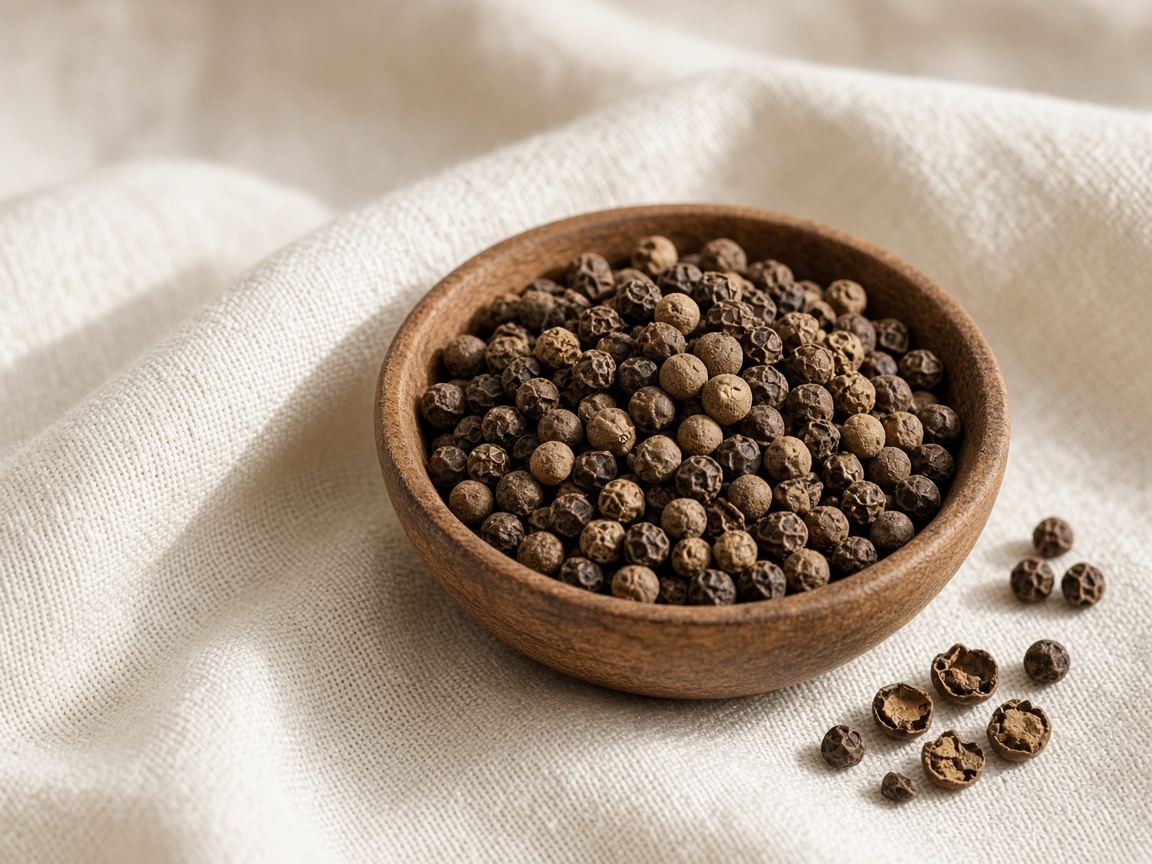
One berry that borrowed cinnamon, clove, and nutmeg: jerk, kibbeh, and a European braise.
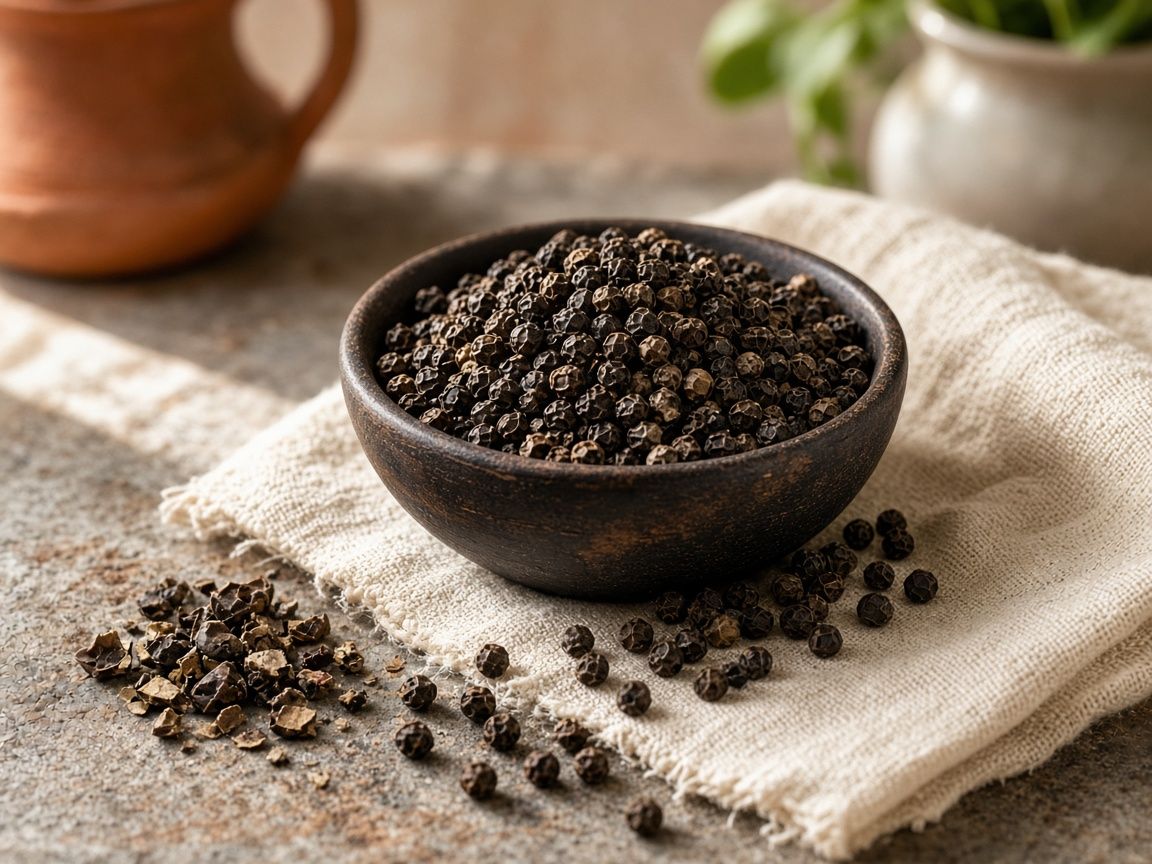
The berry that paid rents, launched fleets, and still sits beside salt on almost every ComidaTime table.
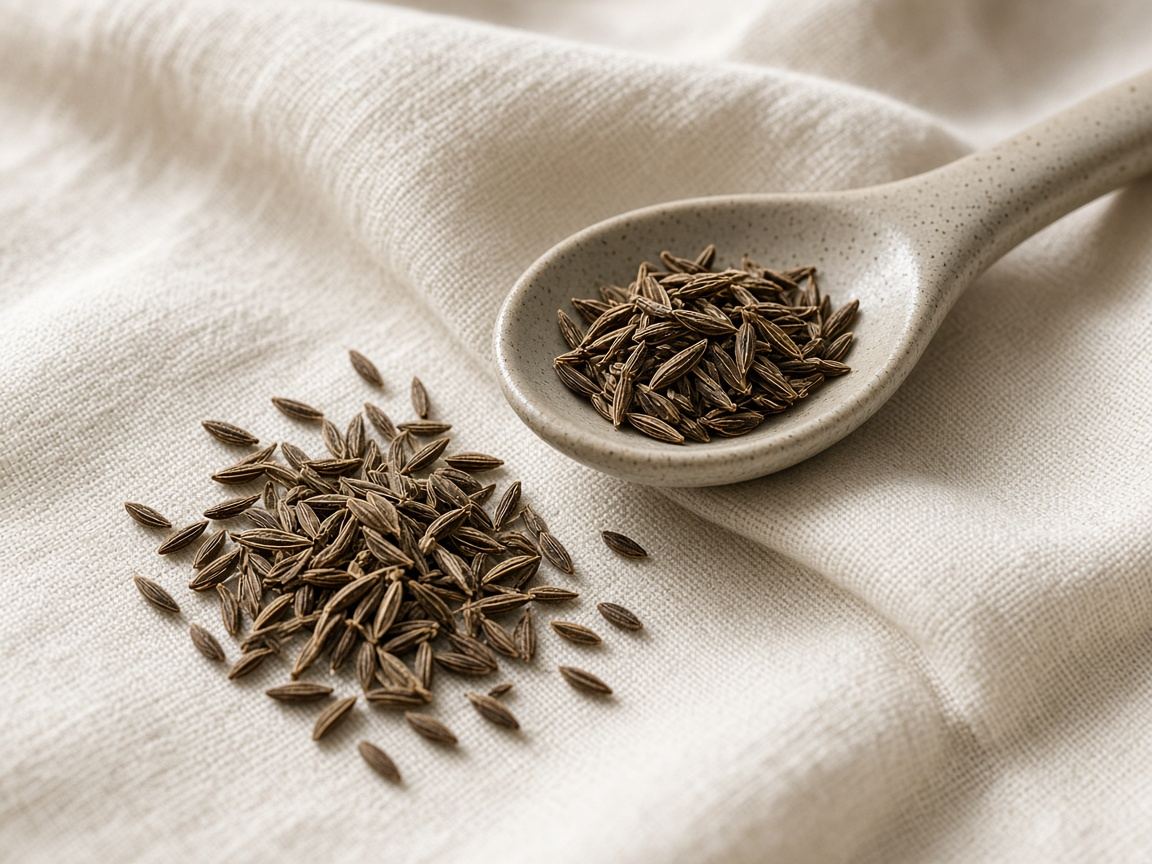
The seed that makes rye taste like rye and cabbage taste like a German winter.
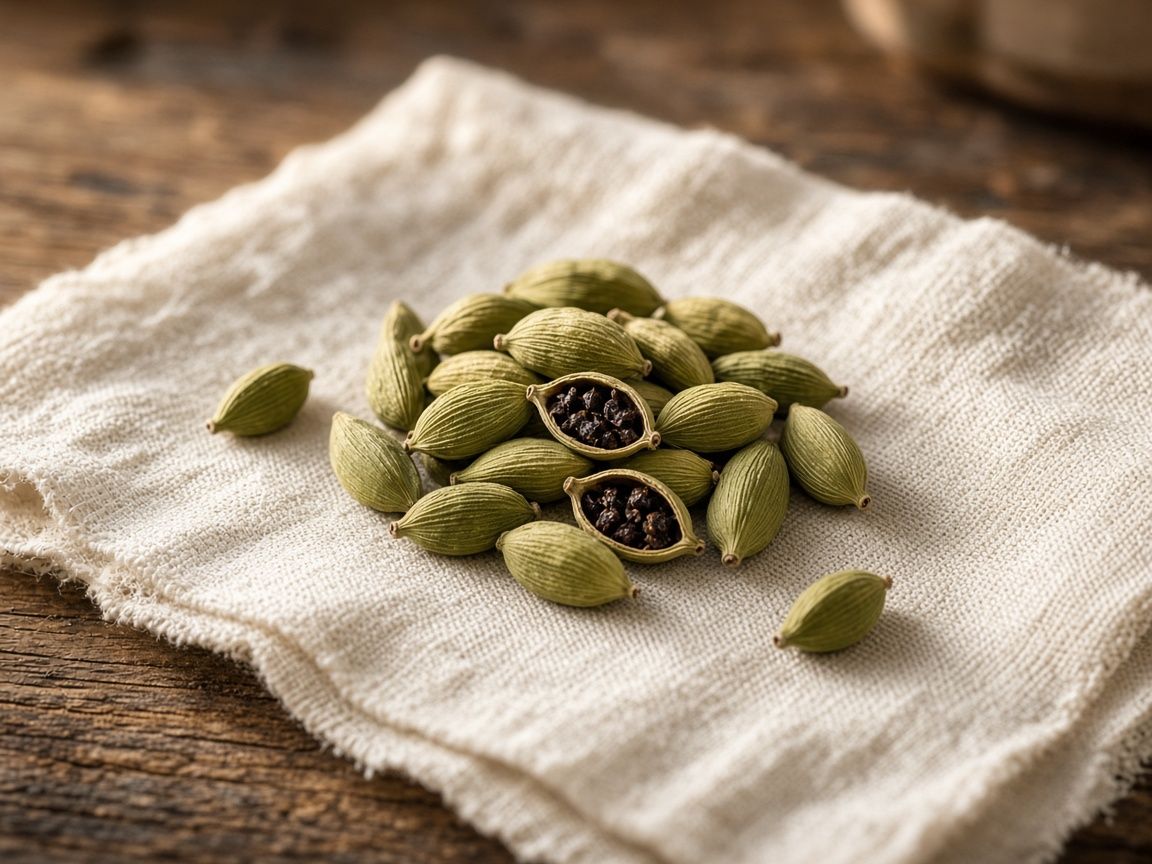
Green pods that smell of eucalyptus and citrus — coffee's companion in the east, pastry's secret in the north.
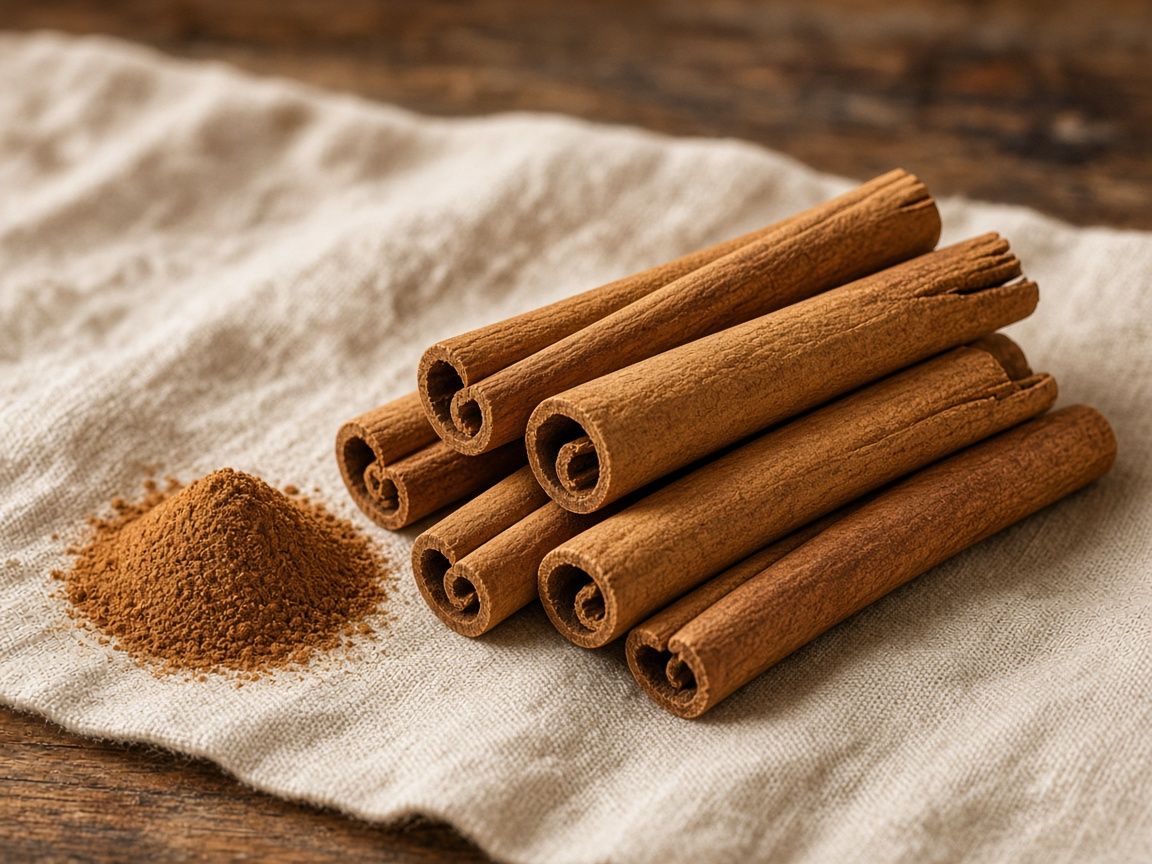
Bark rolled into quills: the sweet wood that traveled with frankincense and still perfumes both pastry and stew.
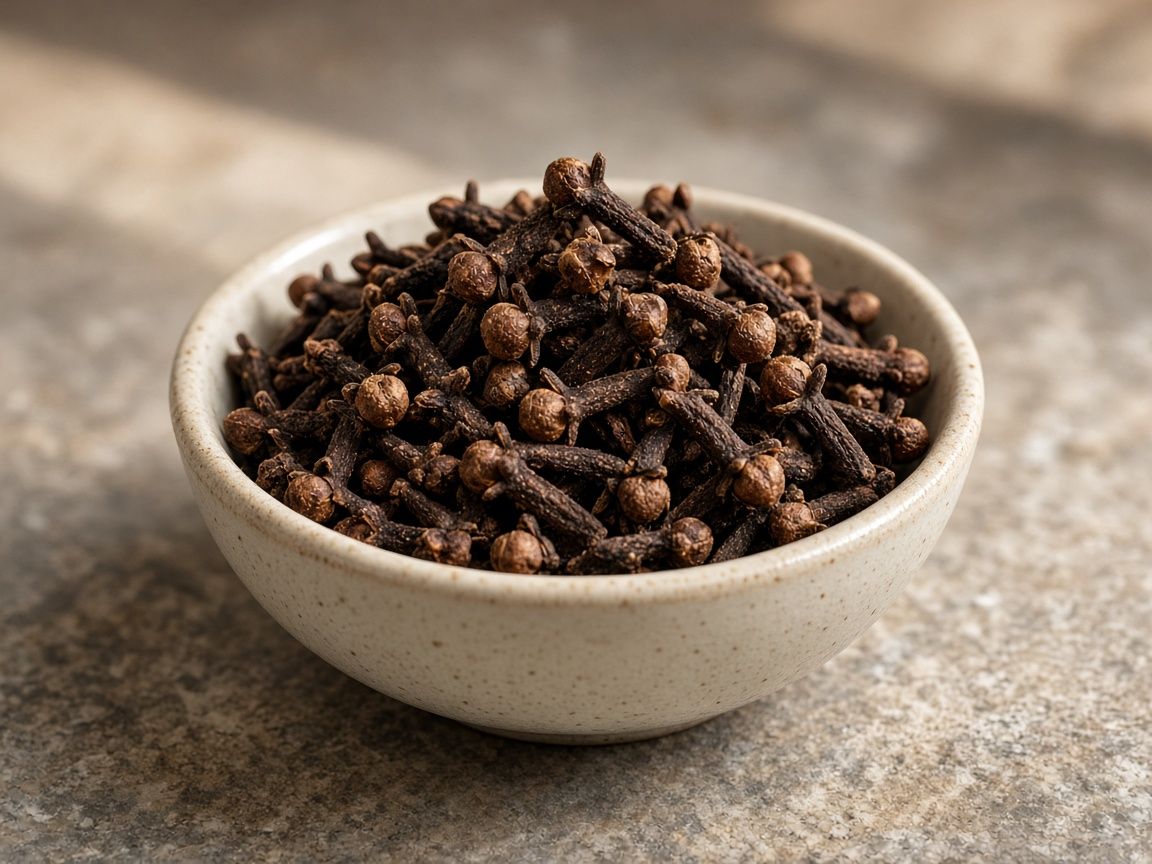
A flower bud that once belonged to a handful of islands — and to every power that wanted those islands.
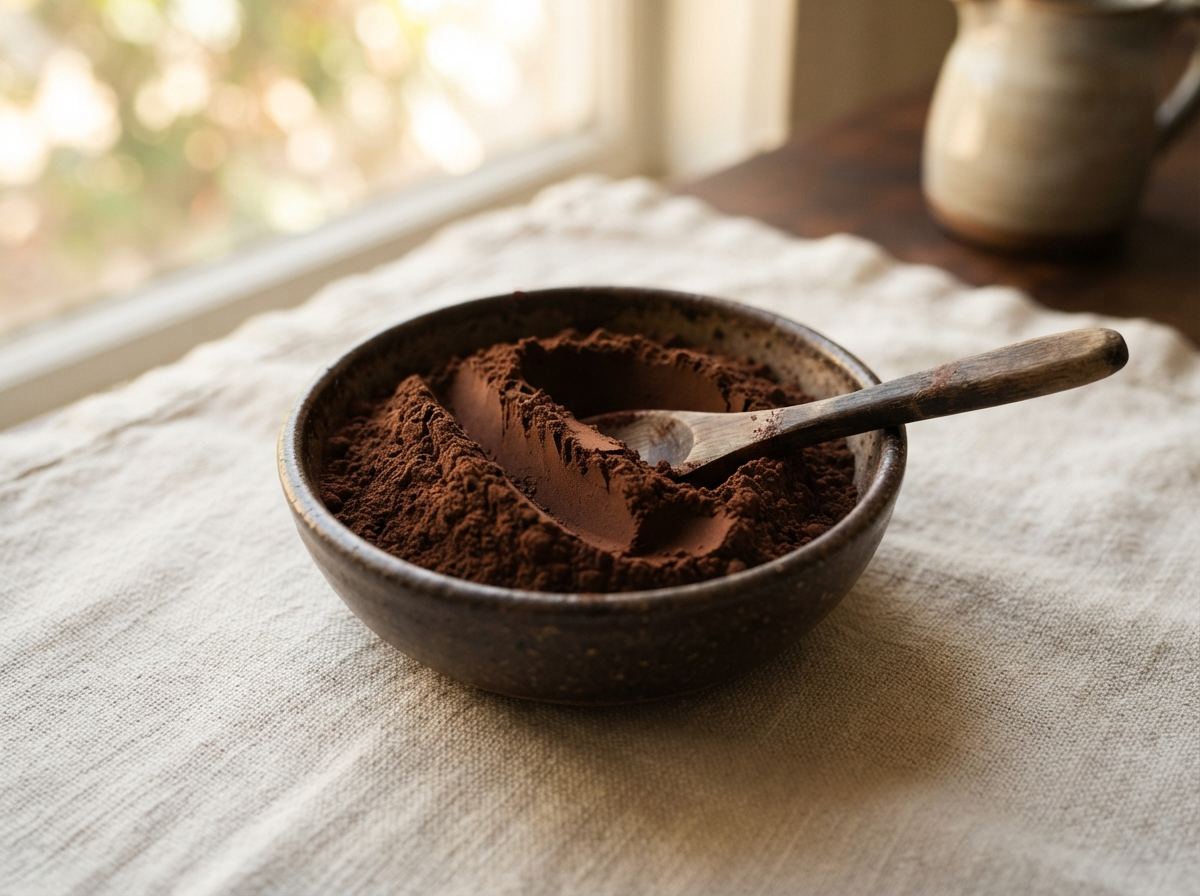
The seed that is a drink, a mole, and a dessert, depending on which coast you stand on.
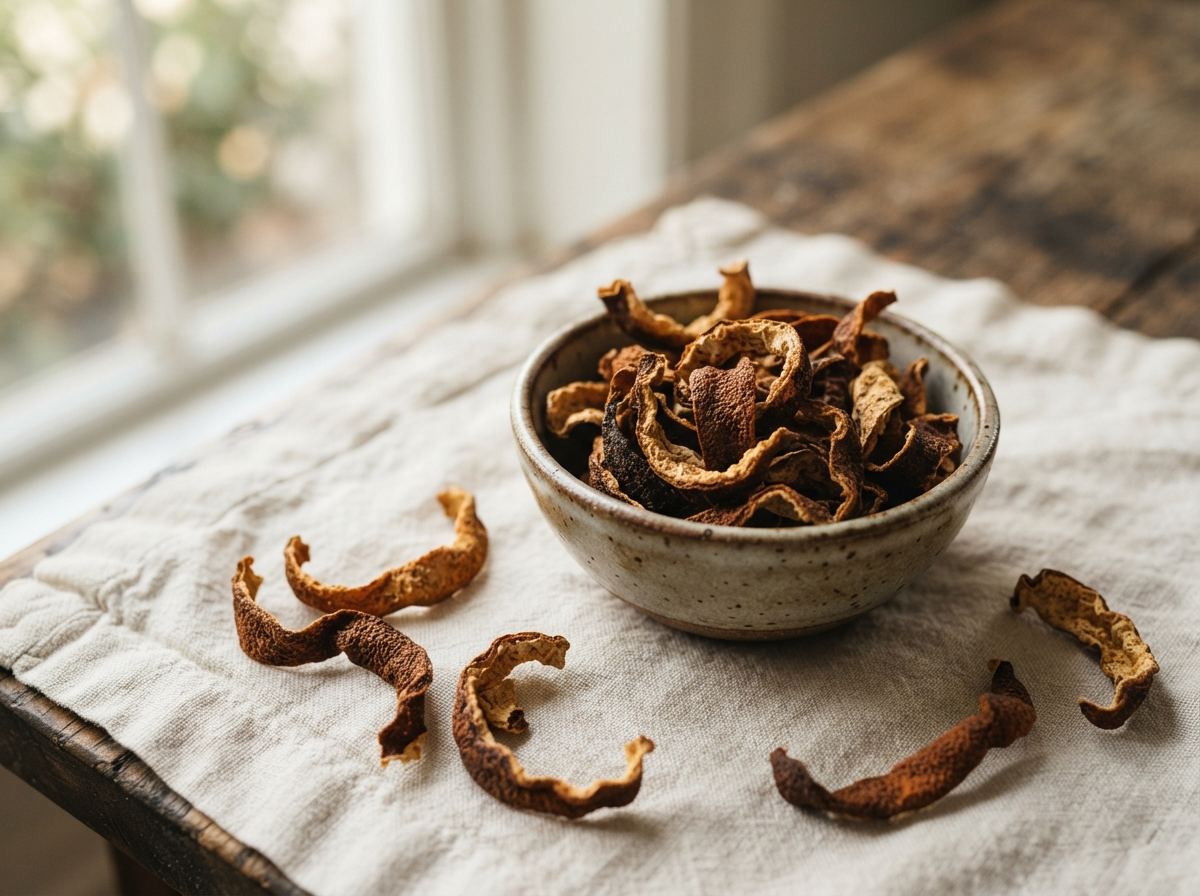
Chen pi and European candied peel — bitter citrus that a braise or a cookie both want.
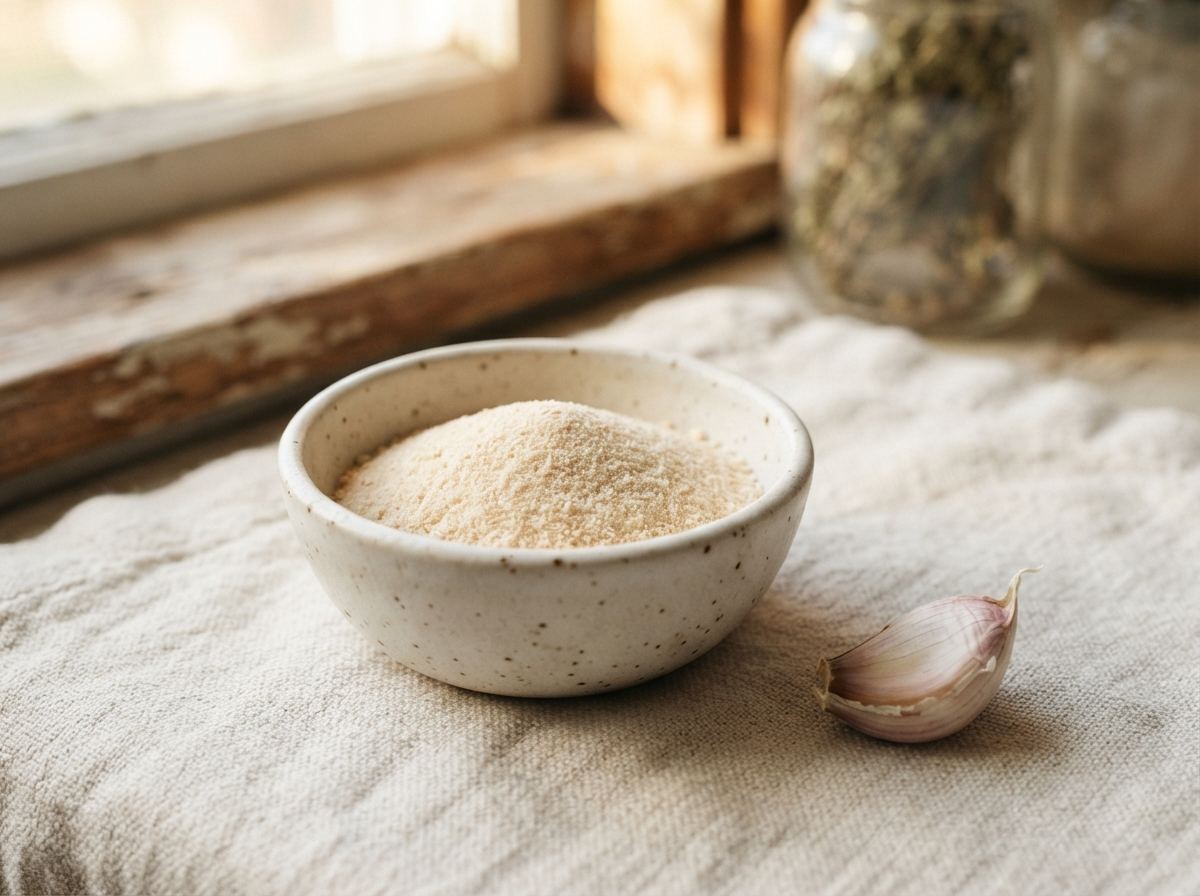
The dry closet version of the clove — useful in a rub, never a substitute for a smashed clove in oil.
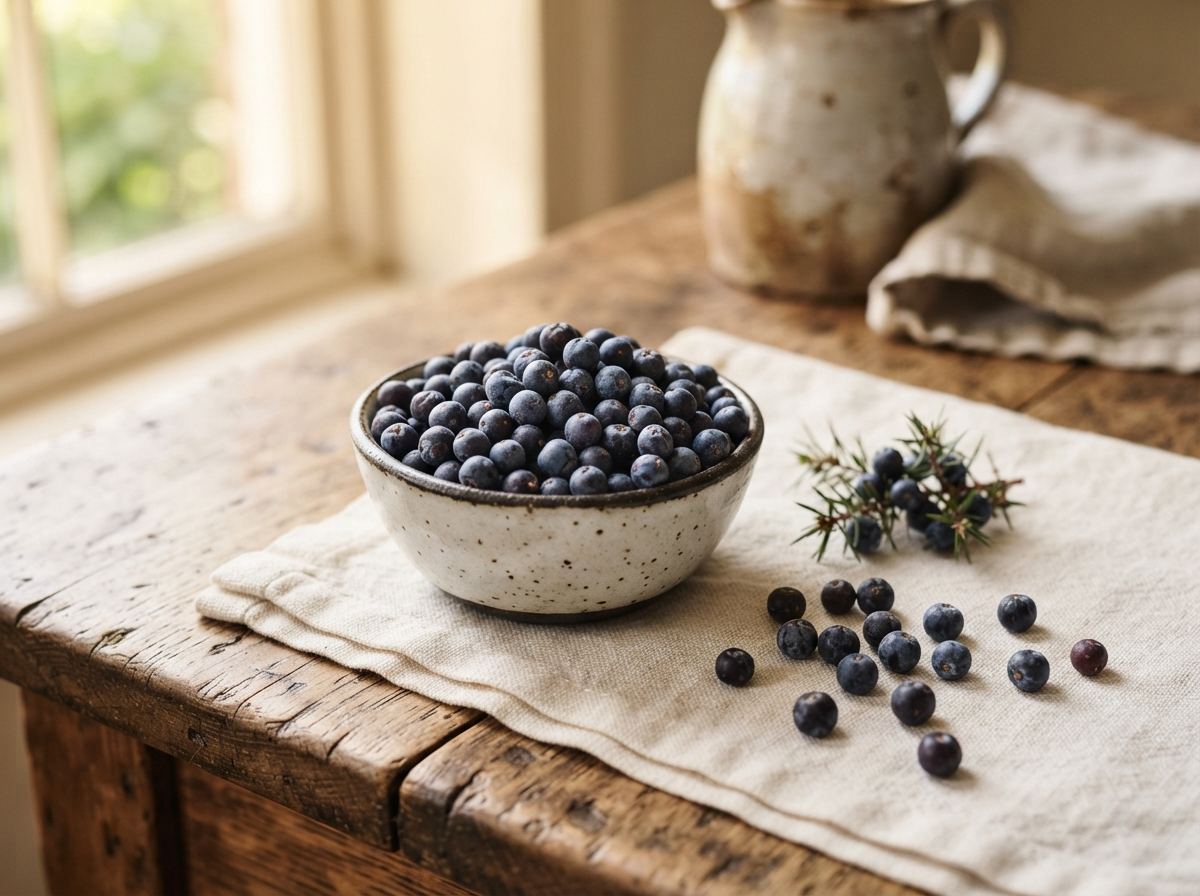
The berry of gin and German game — pine and citrus in a sauerbraten.
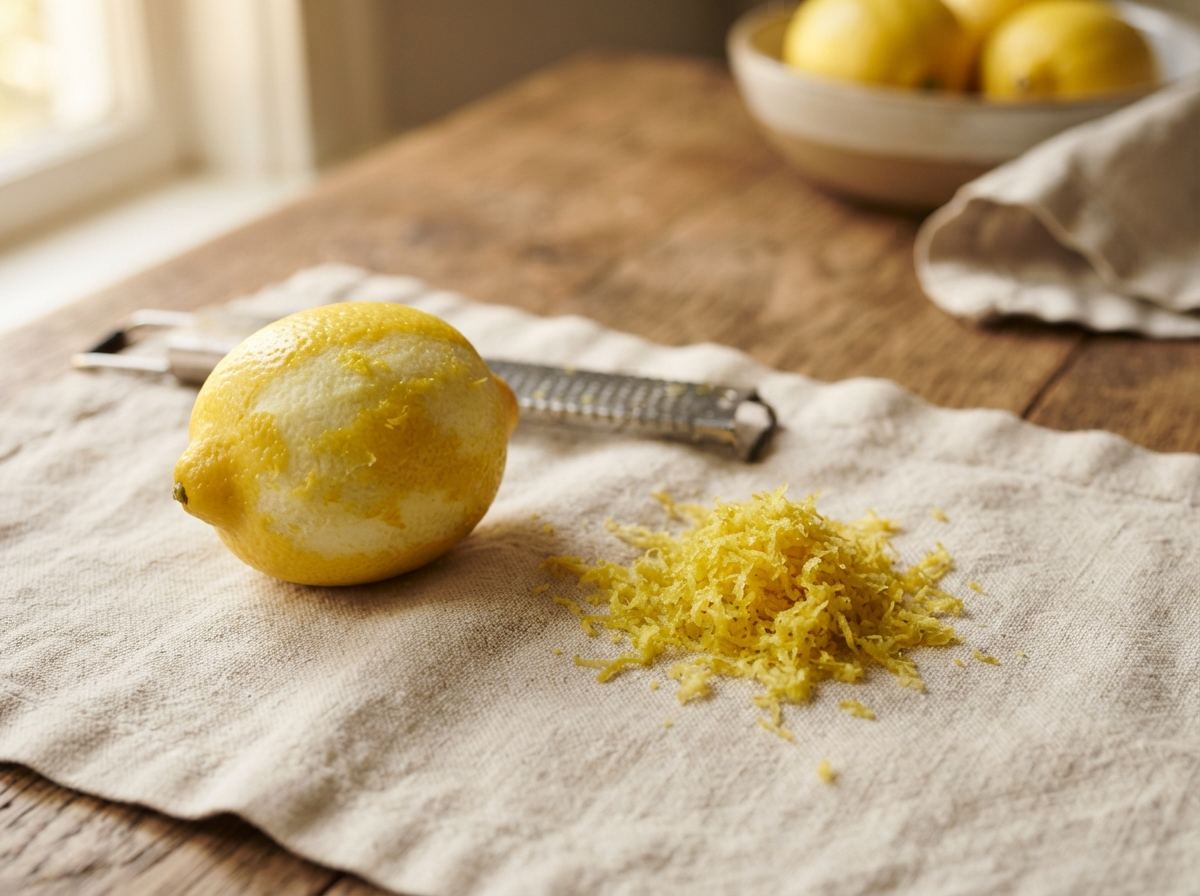
The oil in the skin: the brightest way the books add citrus without juice.
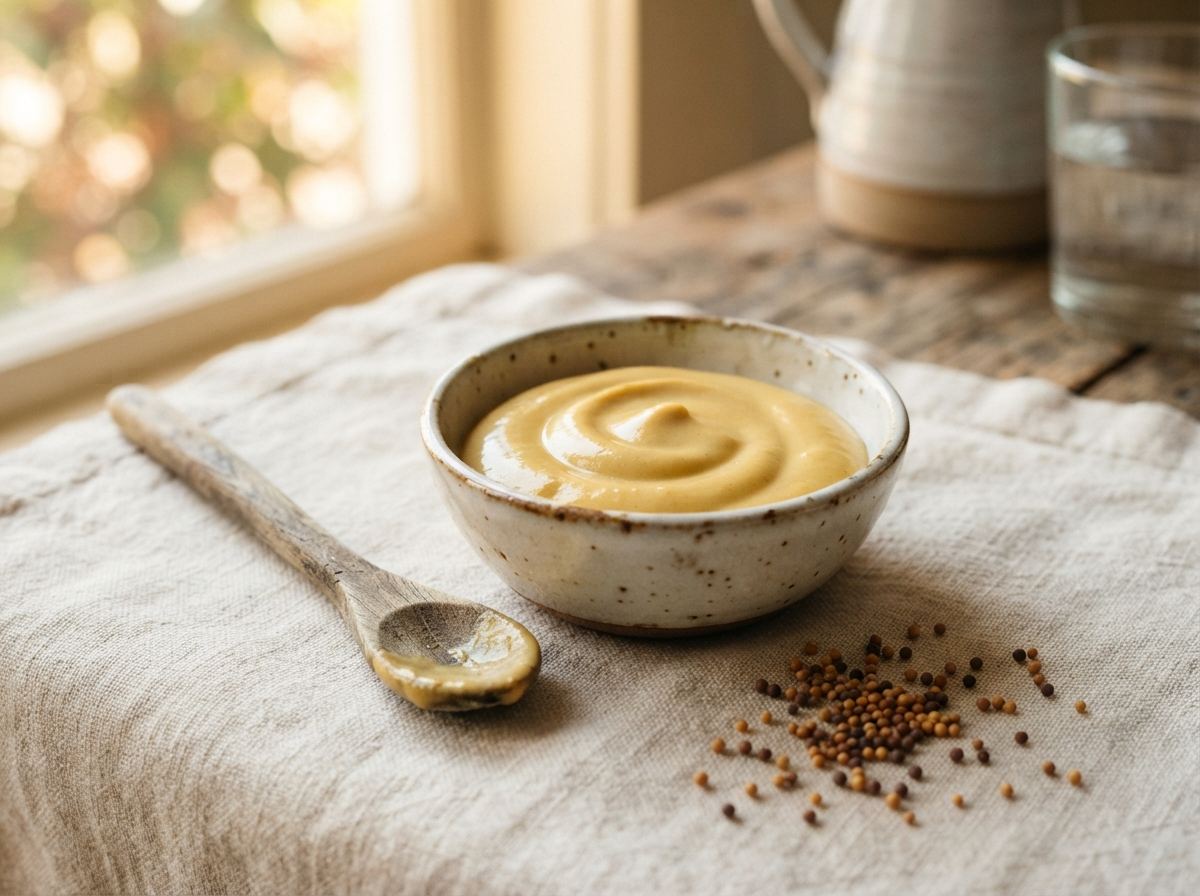
Prepared mustard — Dijon, Bavarian, senafich — the wet heat the books name beside the seed.
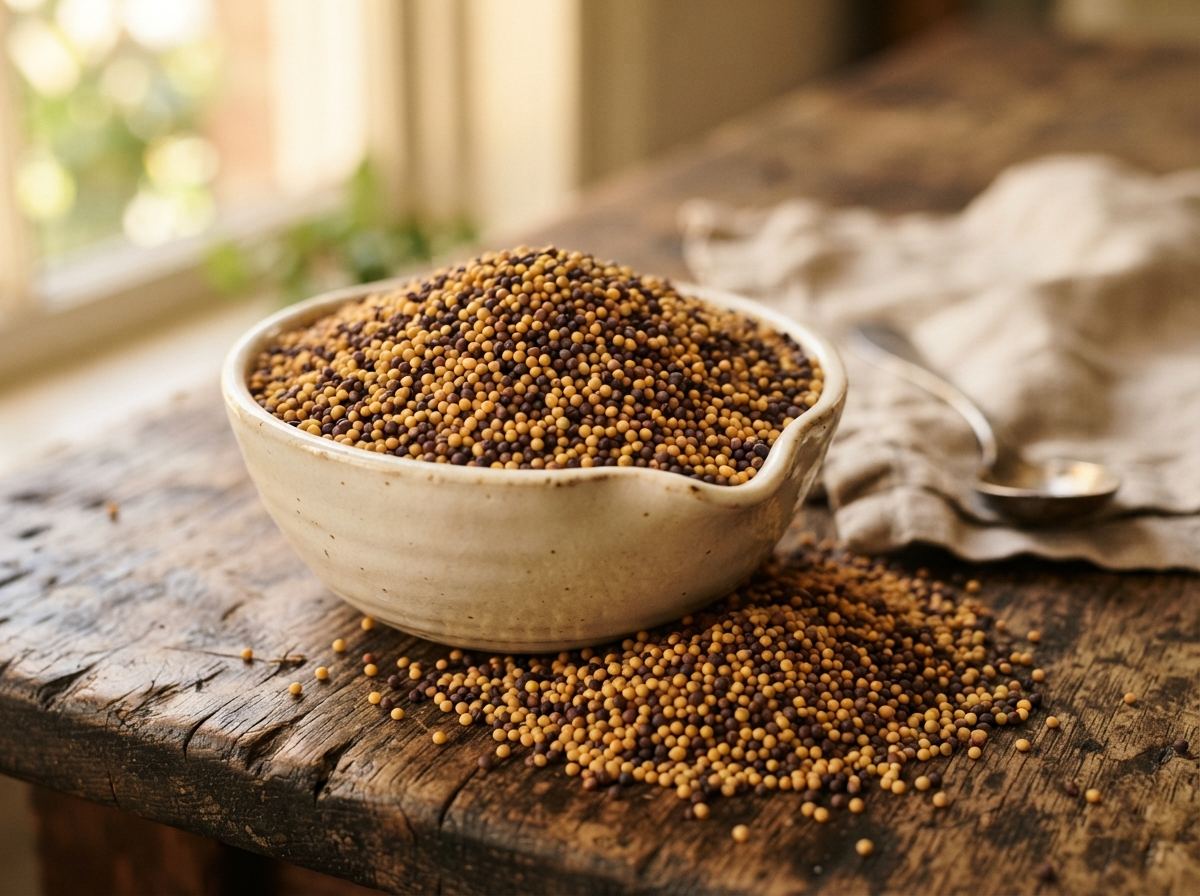
The pop in a tadka and the bite in a pickle.
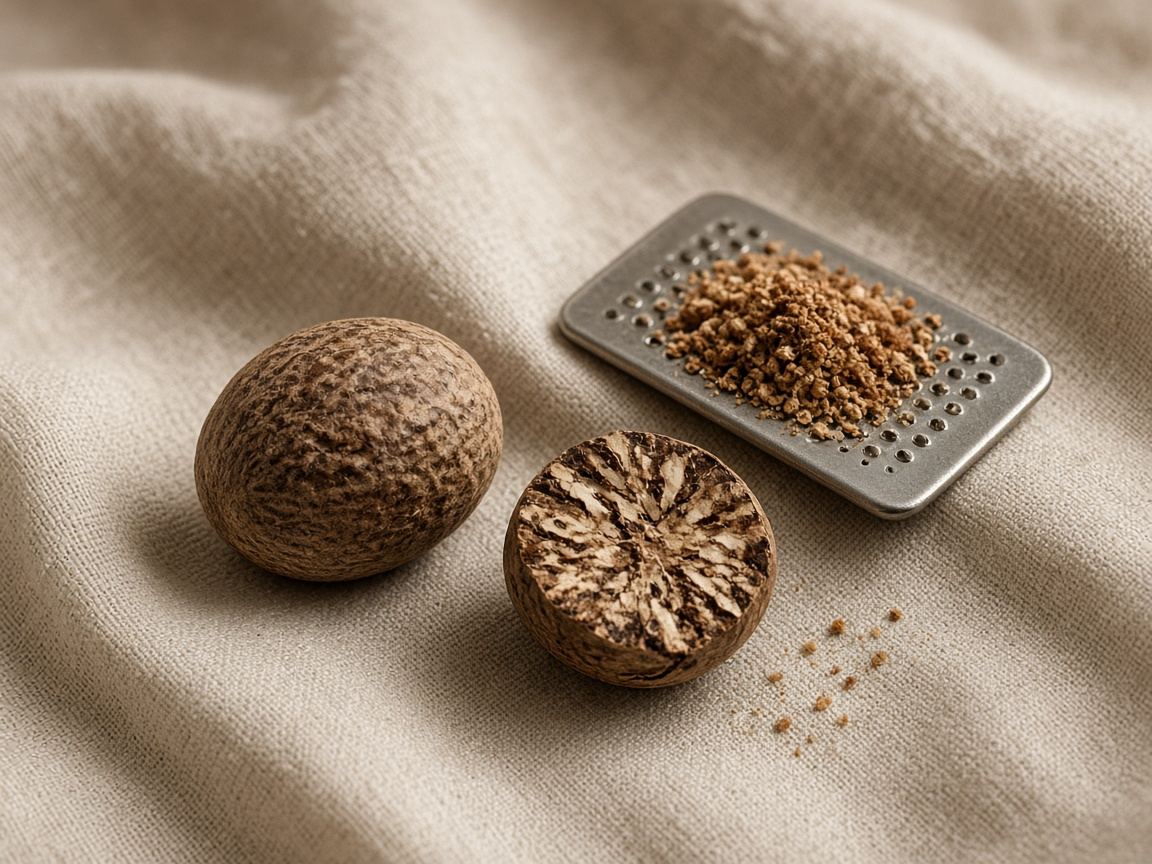
A hard brown seed you grate at the last second: milk sauces, meatballs, and the sweet side of a stew.
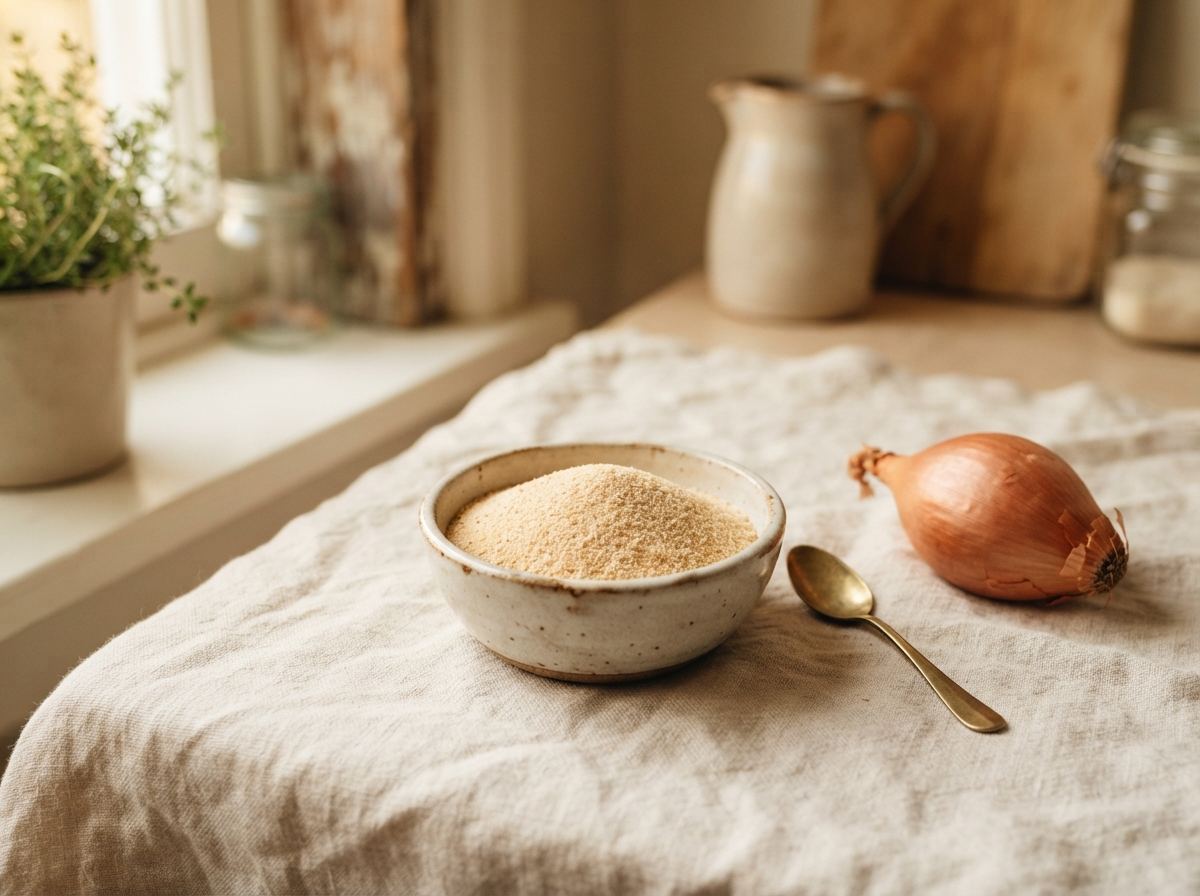
Sweet allium dust for a Cajun shake and a meatloaf the books still write down.
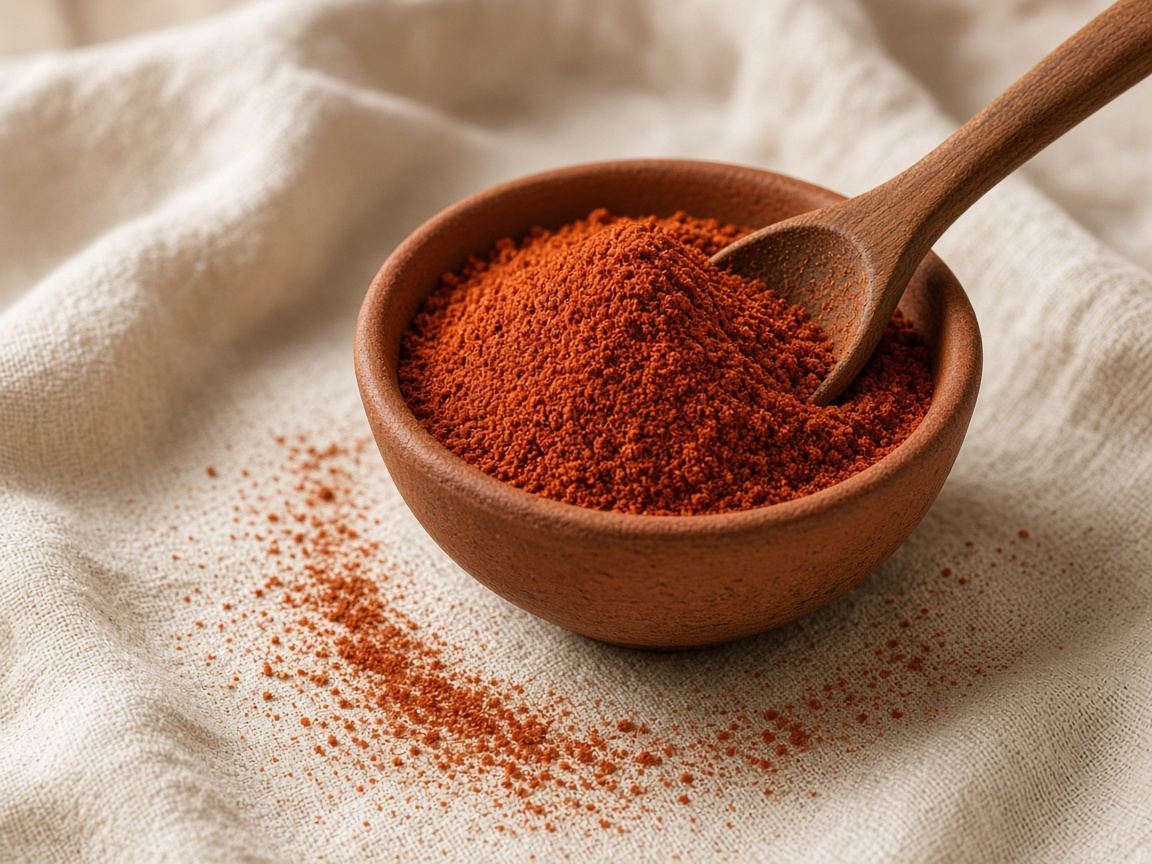
The red powder the 30 books reach for more than any other named spice after salt and pepper: color, sweetness, and a little smoke.
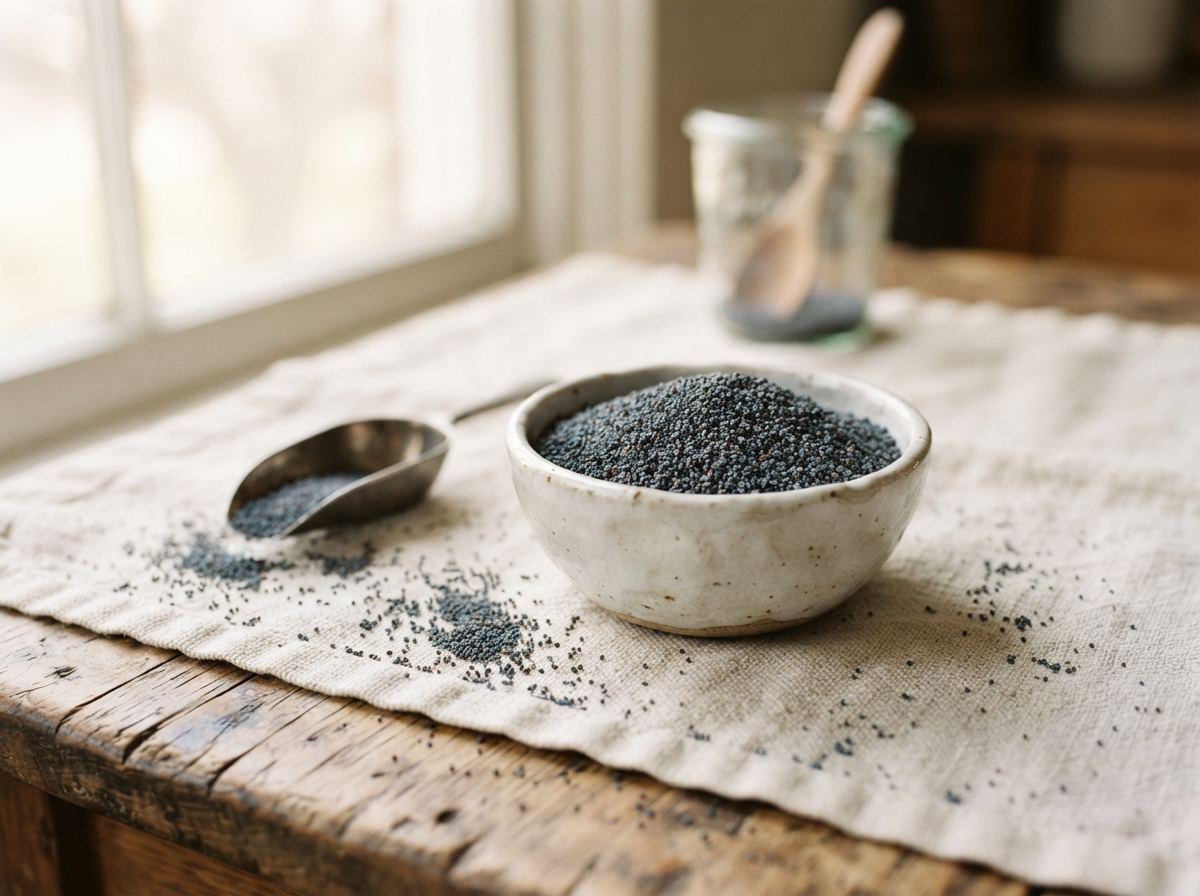
Blue or white: filling for a German roll, thickener for a Bengali curry.
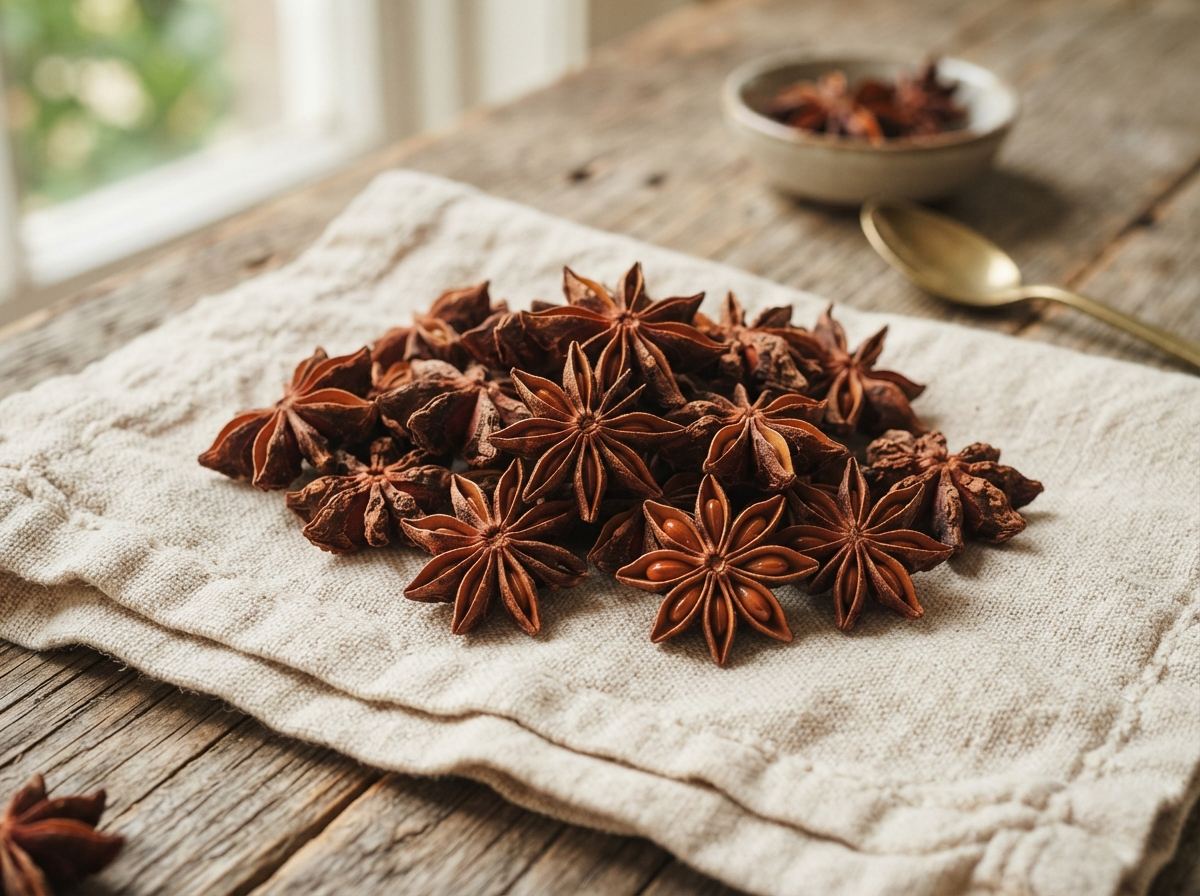
The star that sweetens a broth without sugar.
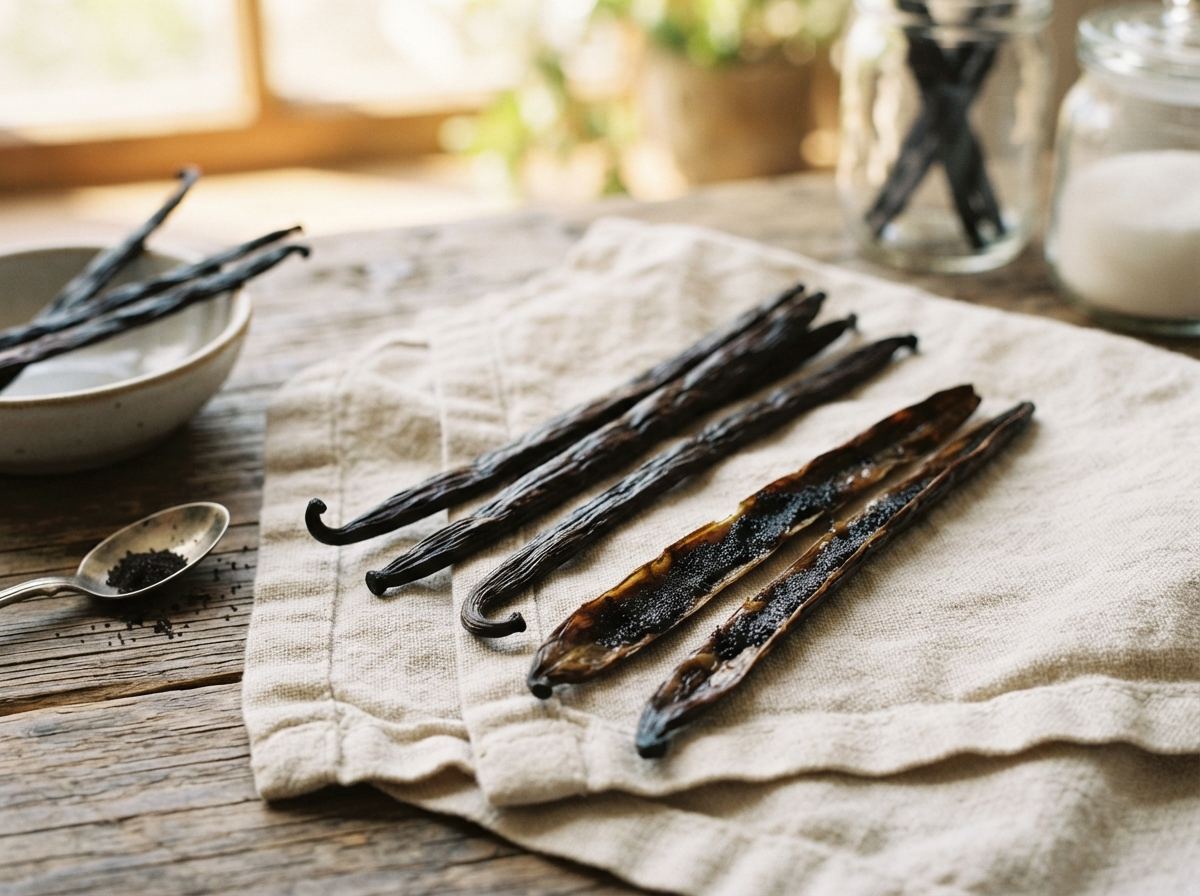
The orchid pod that sweet kitchens treat as air — and savory Mexican moles still remember.
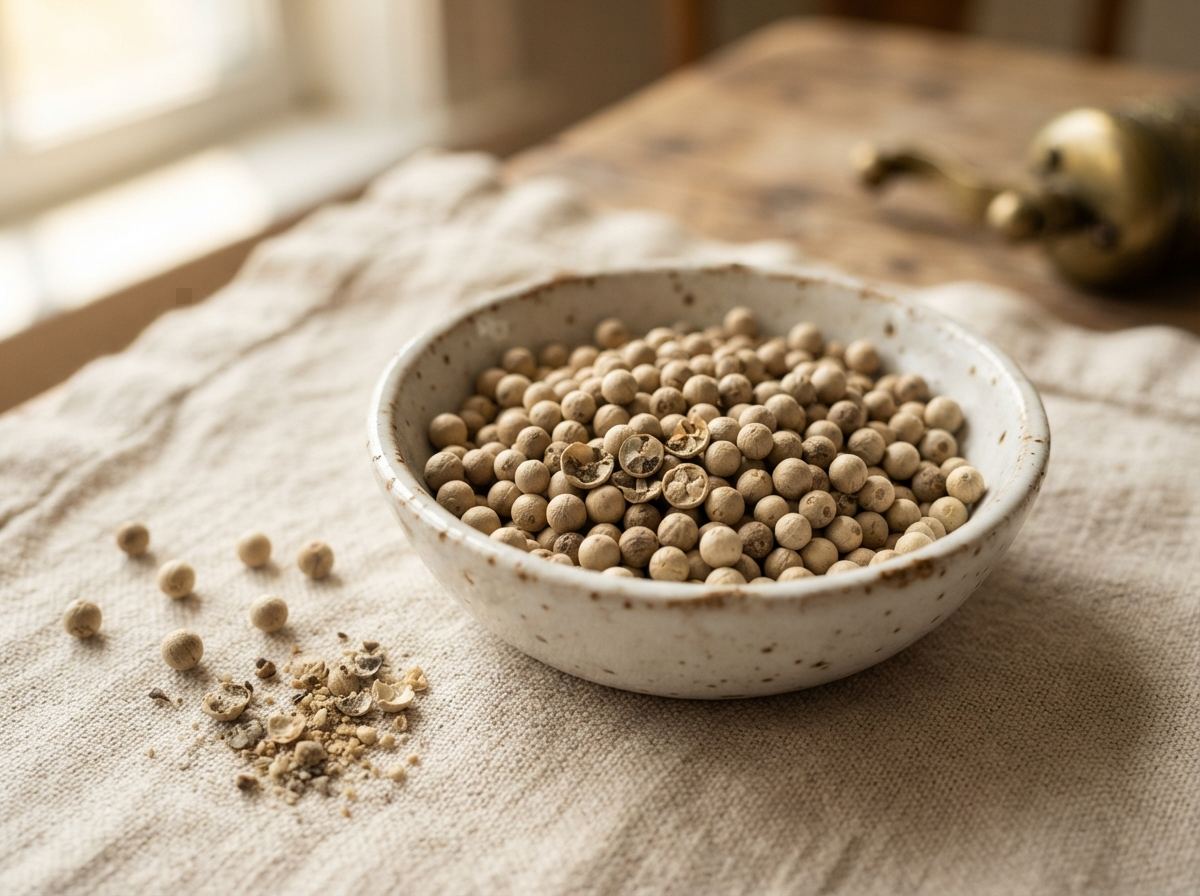
The same vine as black, soaked and hulled — heat without the dark specks, a Chinese and French habit.
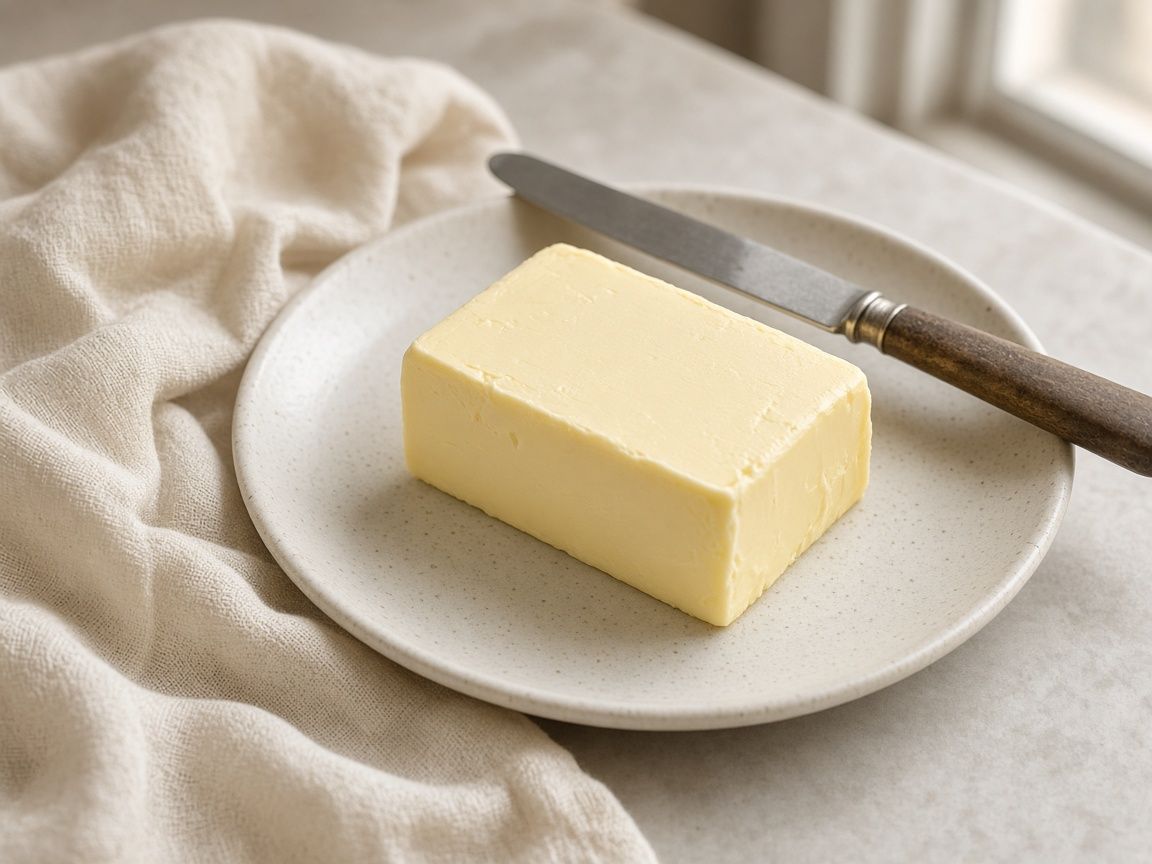
The fat that appears in every volume of the series: pale, sweet, and older than the word cuisine.
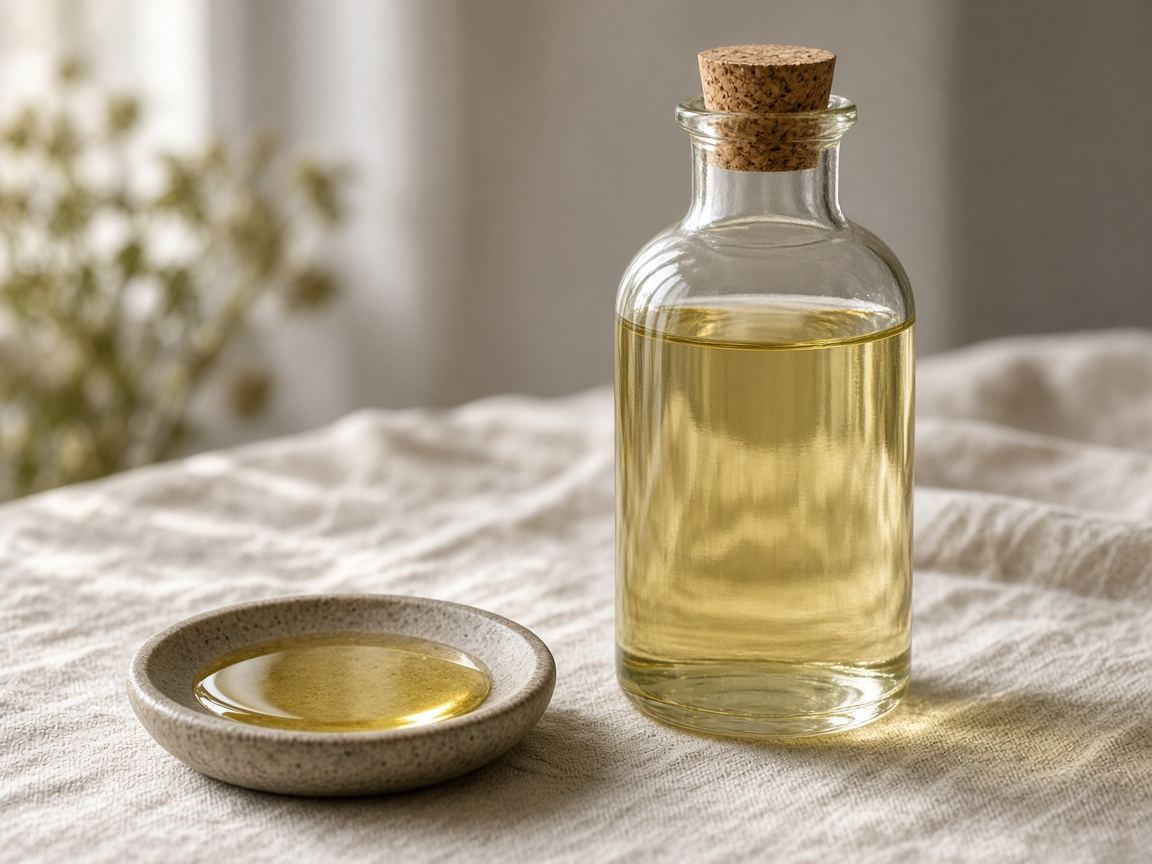
The unnamed bottle the books reach for when the fat should stay quiet: fry, coat, and get out of the spice's way.
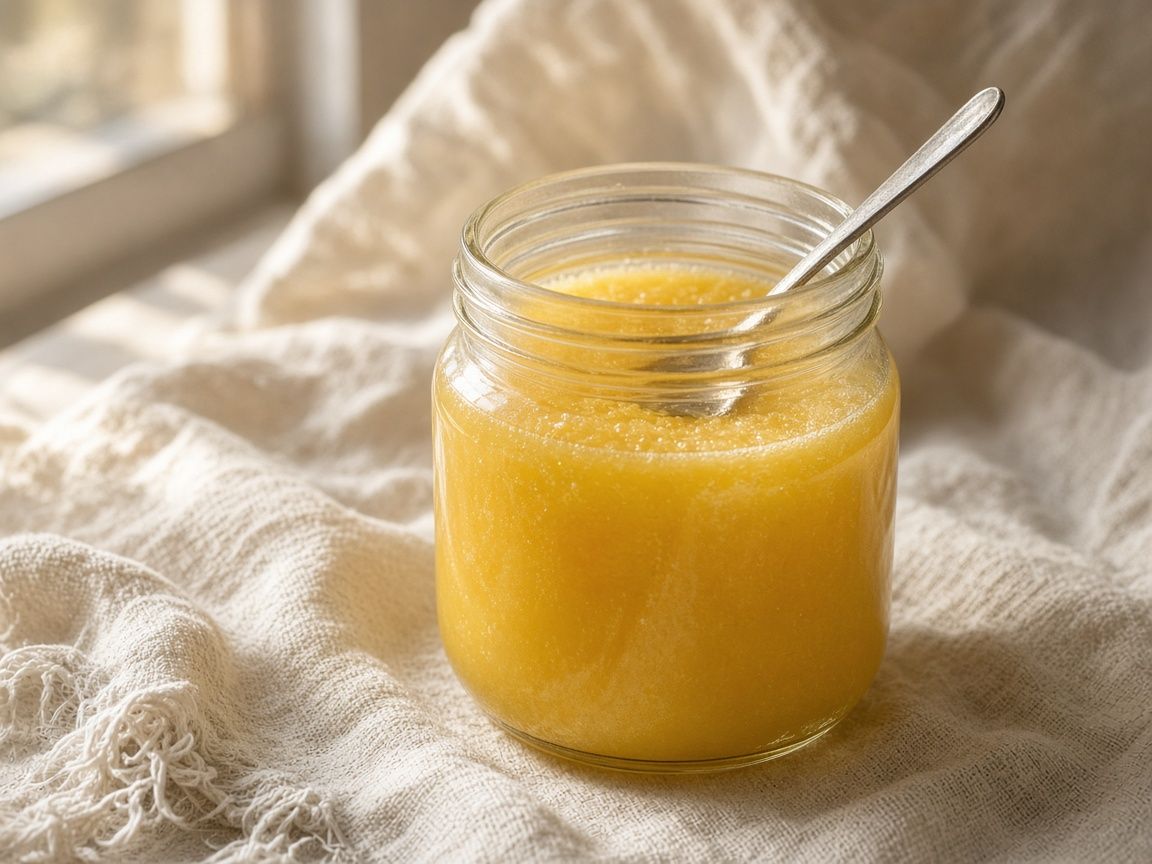
Butter that learned to live without a cellar: the gold of dals, sweets, and a ladle over rice.
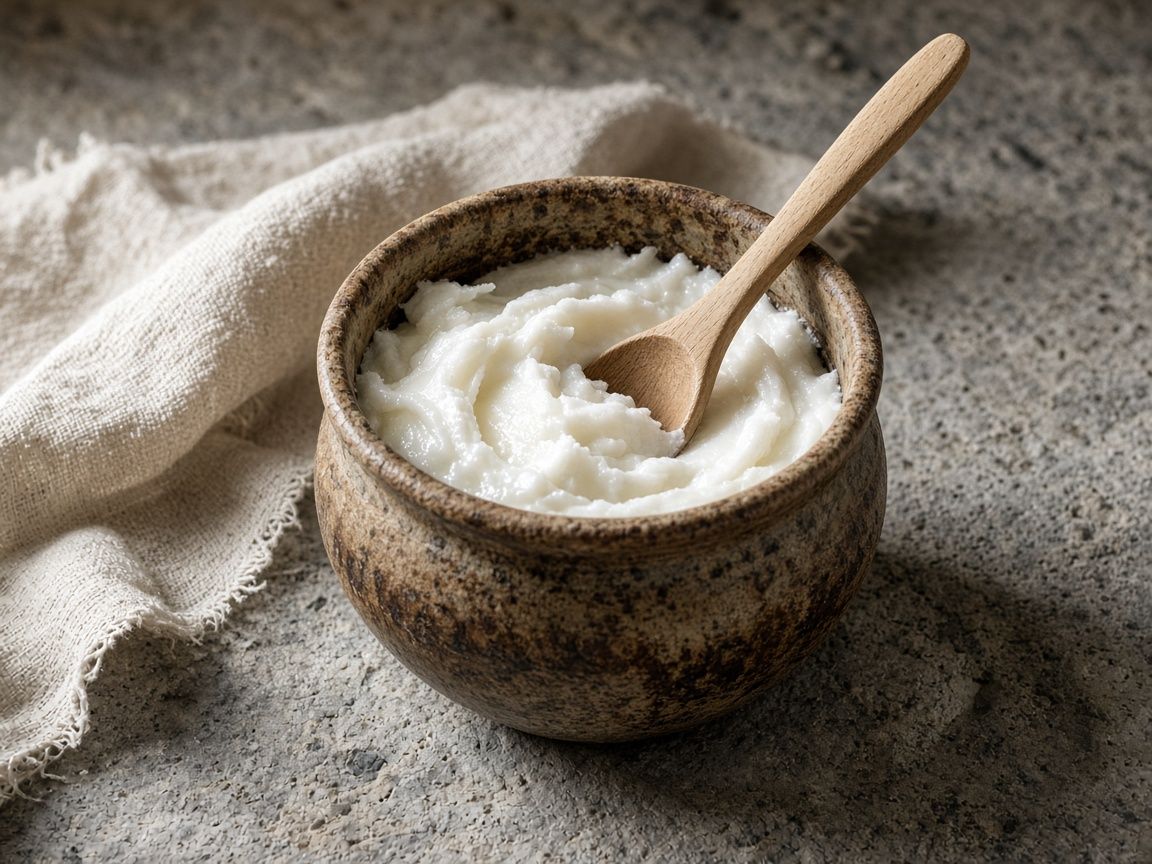
The quiet white fat of tamales, pie crusts, and refried beans — a pantry that industrial kitchens tried to shame, and home cooks never quite abandoned.
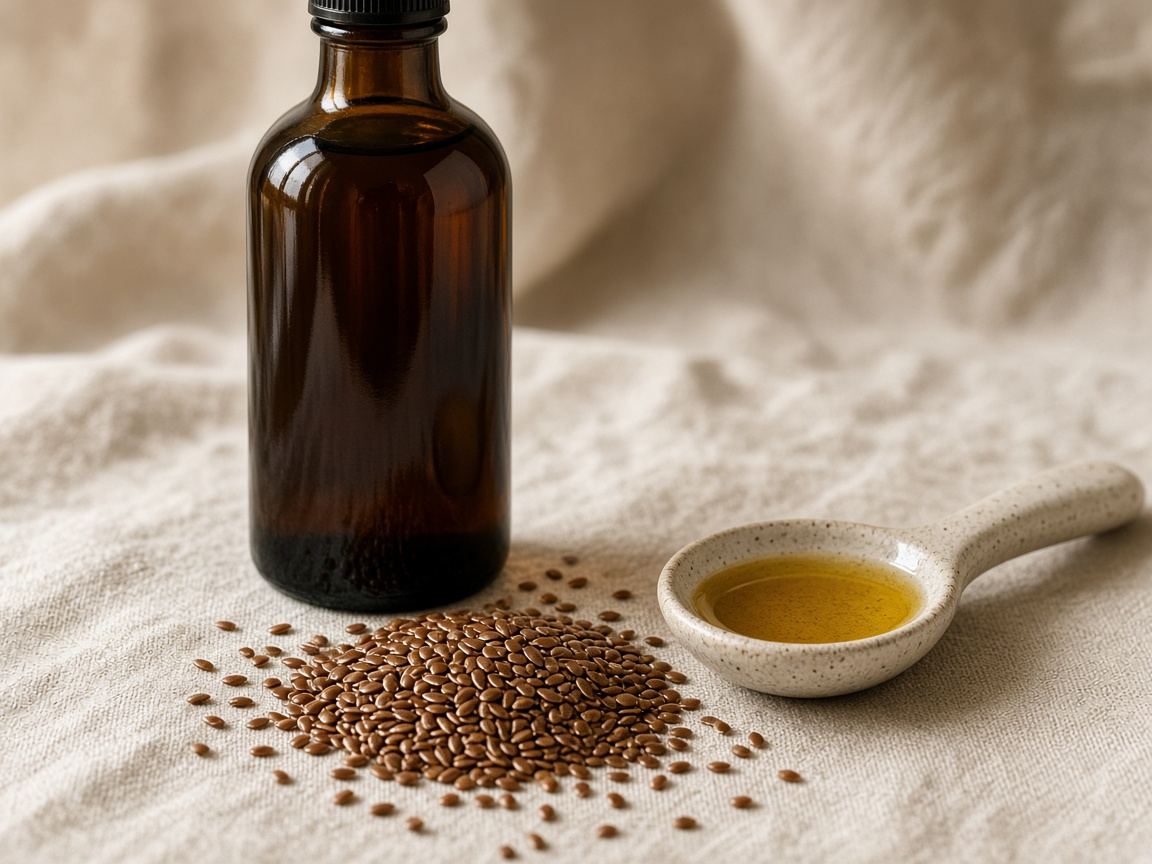
Flax oil, rare in a hot pan, present when a Central European recipe still writes it.
The instruction that means: do not let the oil speak louder than the spice.
Rendered pork — dripping, lard's cousin, the shine on a Portuguese or German roast.
The orchard sour of American and German home kitchens.
A splash for a stew, a risotto, a fish pot — the cook's glass and the pot's glass.
The first sweetener: Ethiopian raw honey, Spanish orange-blossom, a glaze on chicken.
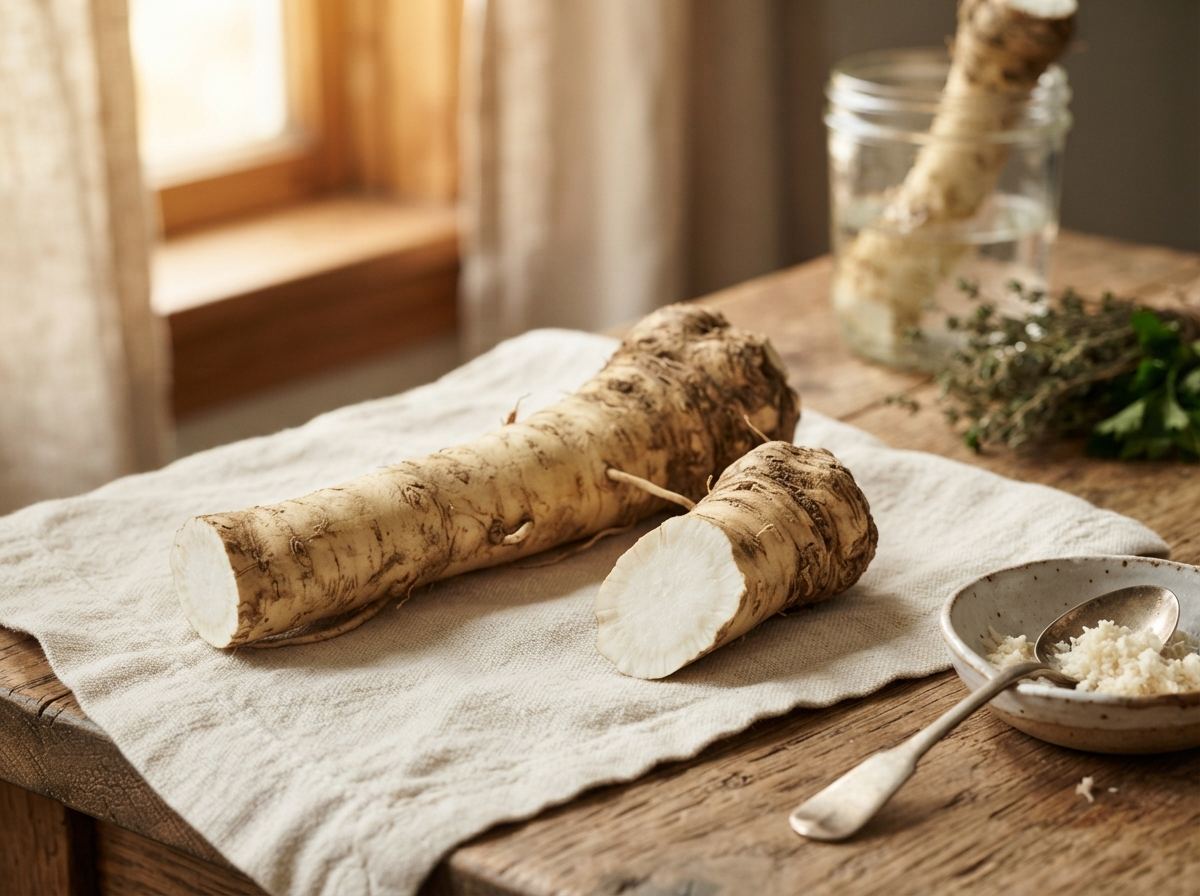
A root that burns the sinuses and belongs next to roast beef, gefilte, and a Bloody Mary.
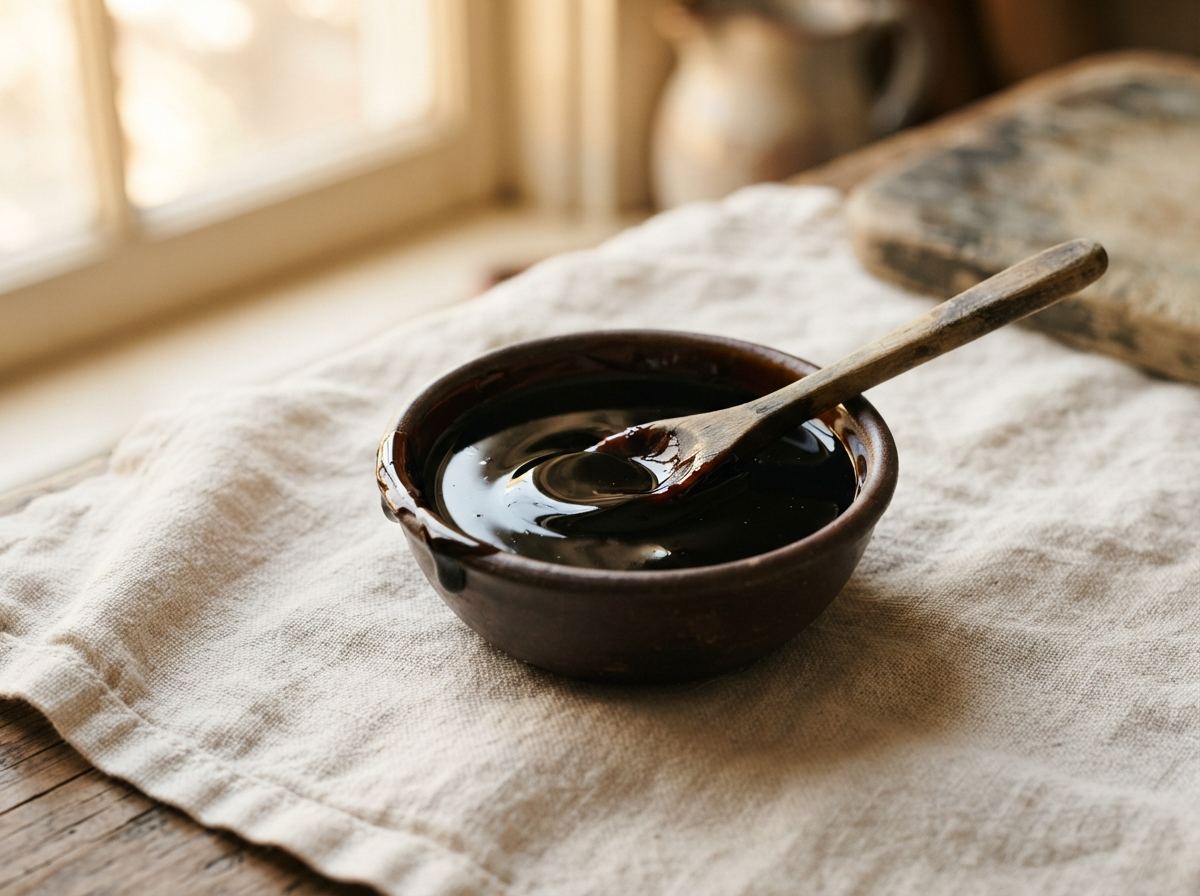
Boiled cane: the dark sweet of American baking, Caribbean stews, and a glaze.
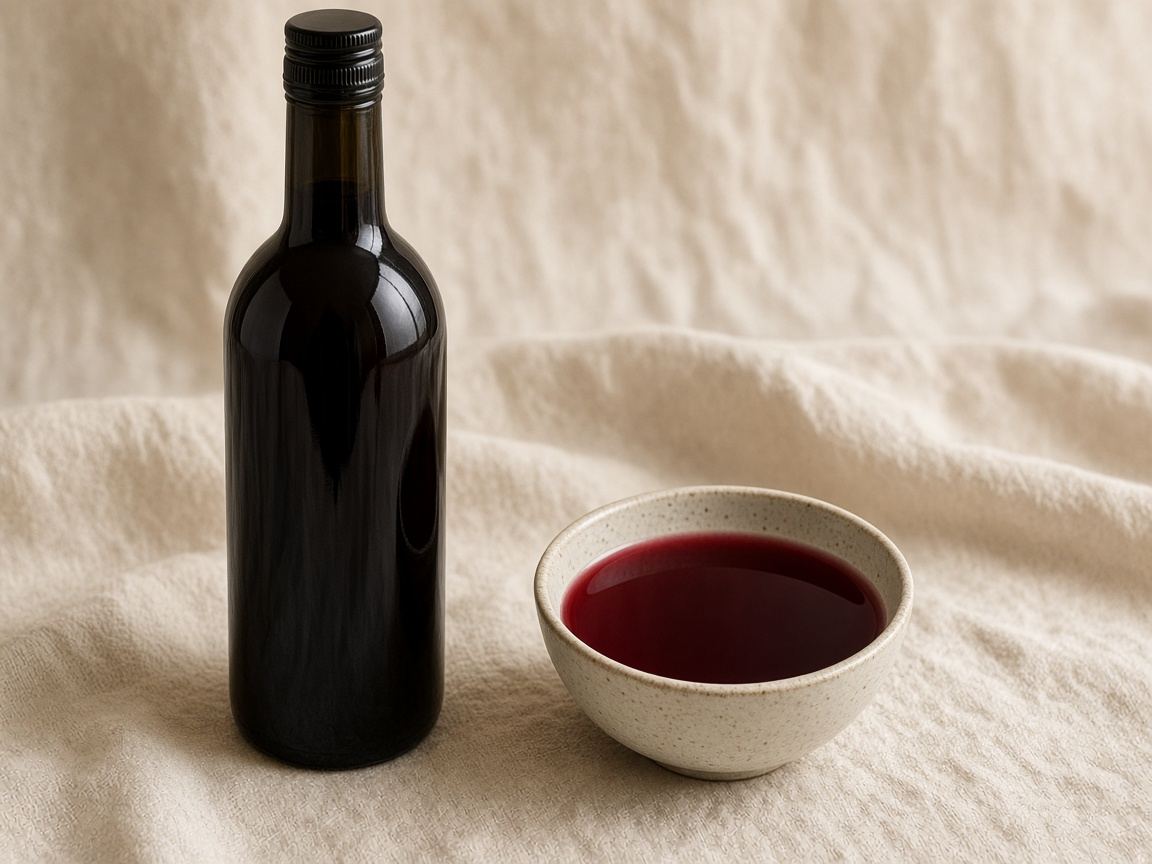
The braise wine: daube, estofado, and a Portuguese roast.
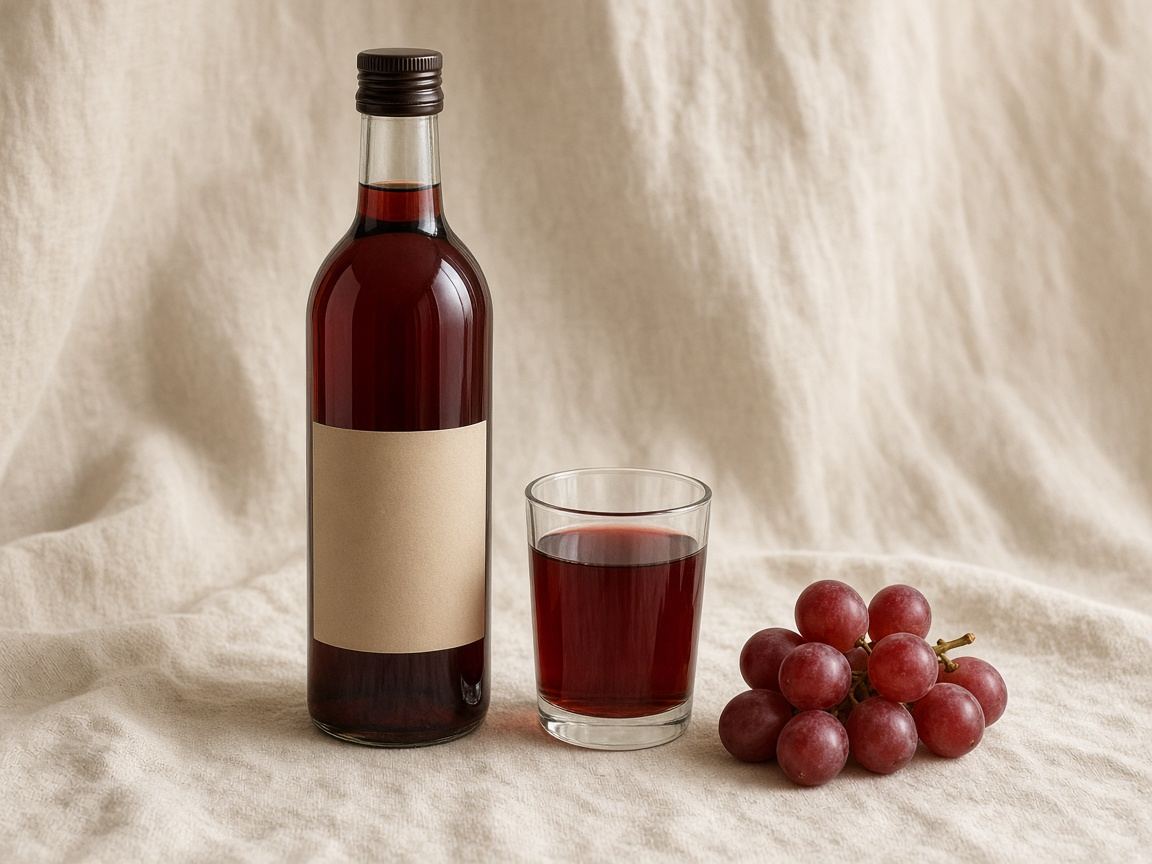
The salad and marinade acid of Europe and the Southern Cone.
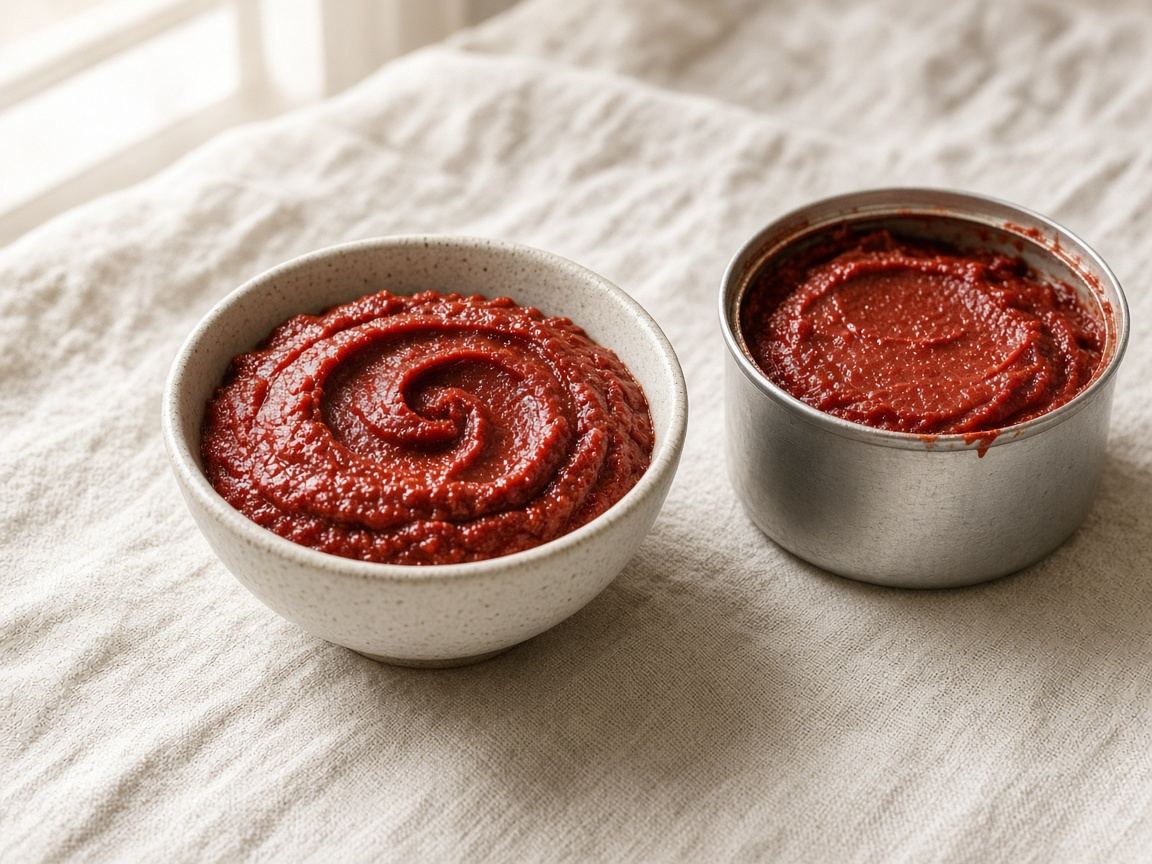
The spoon of cooked tomato that turns a thin pot into a sauce — 28 kitchens in the series keep a tin.
The unnamed sour the books reach for when lemon is not on the board.
A cleaner sour for a pickle or a beurre blanc.
Anchovy, tamarind, and vinegar in a bottle the weeknight steak still wants.
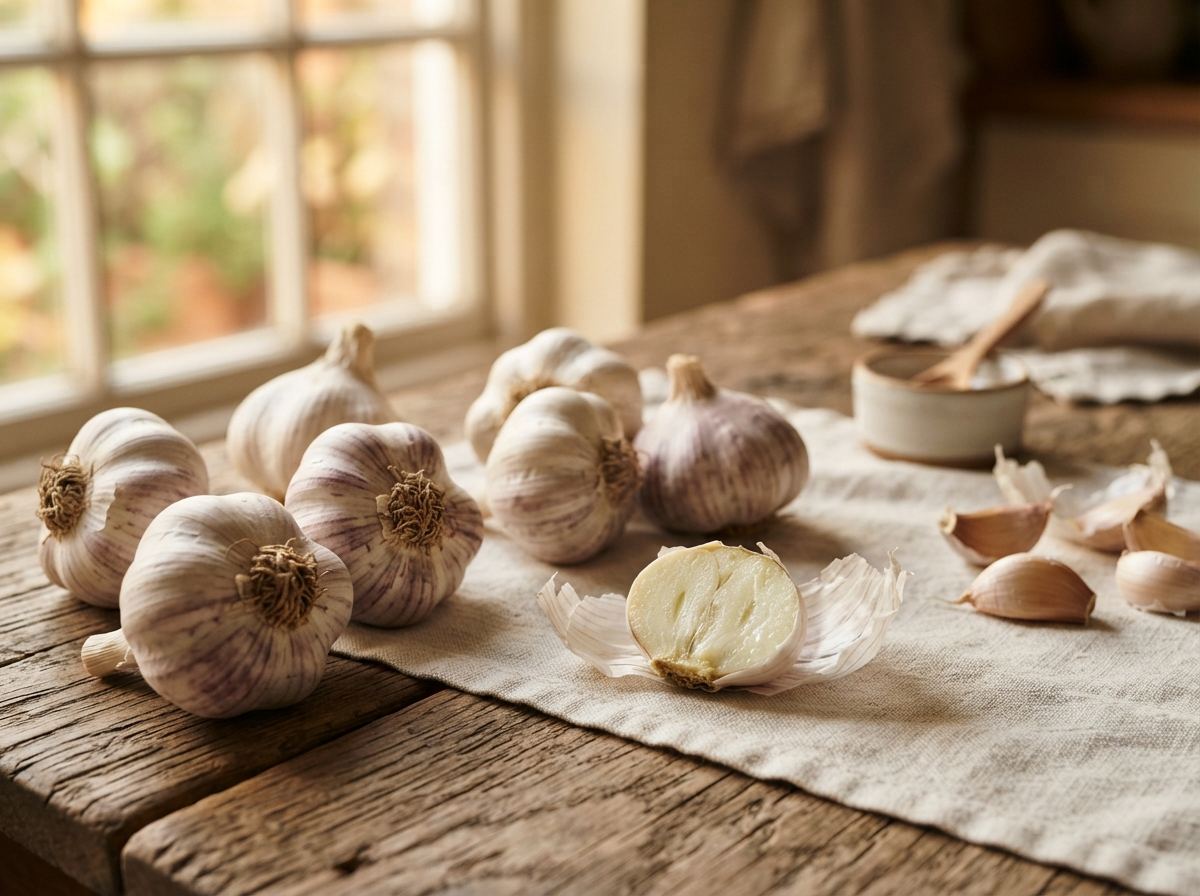
The clove that starts more ComidaTime pots than any other aromatic — smashed, sliced, or left whole in oil.
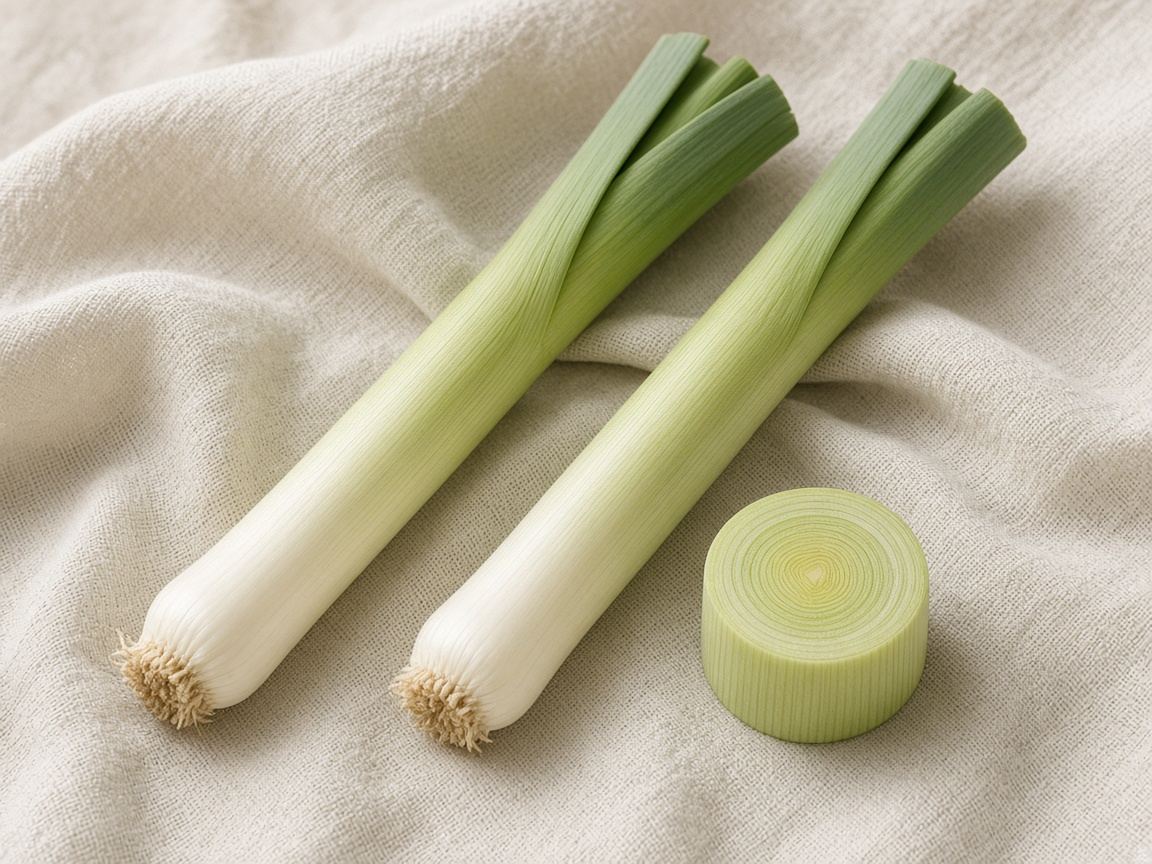
The long allium of soups and tarts — wash the grit, keep the pale green.
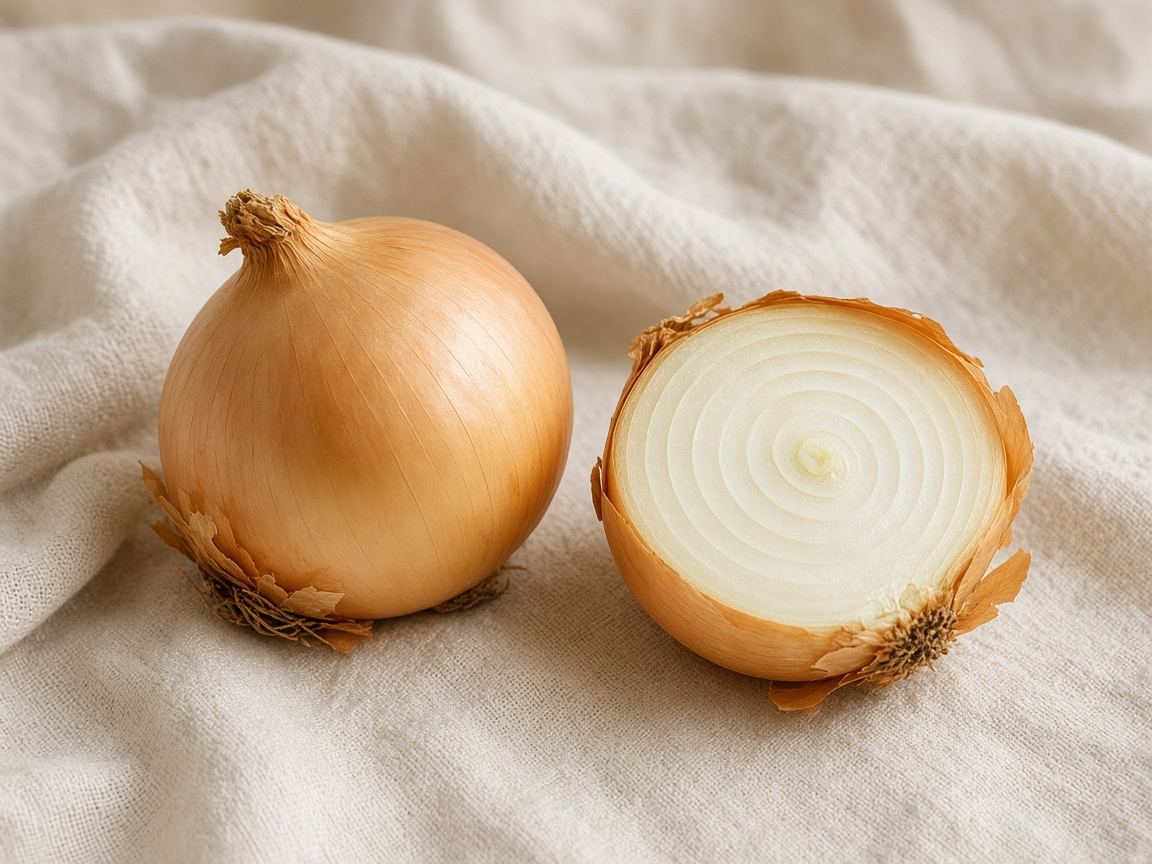
The first cut in almost every ComidaTime pot: sweet when slow, sharp when raw, the aromatic the books assume you already have.
The spices, mixes, and hearths that belong to German cooking — then the people around them, and the kitchens still joining the table.
Open the German pantry Open German cookware The German table Host a German night Join the community