Home Cook Together. Celebrate Life.

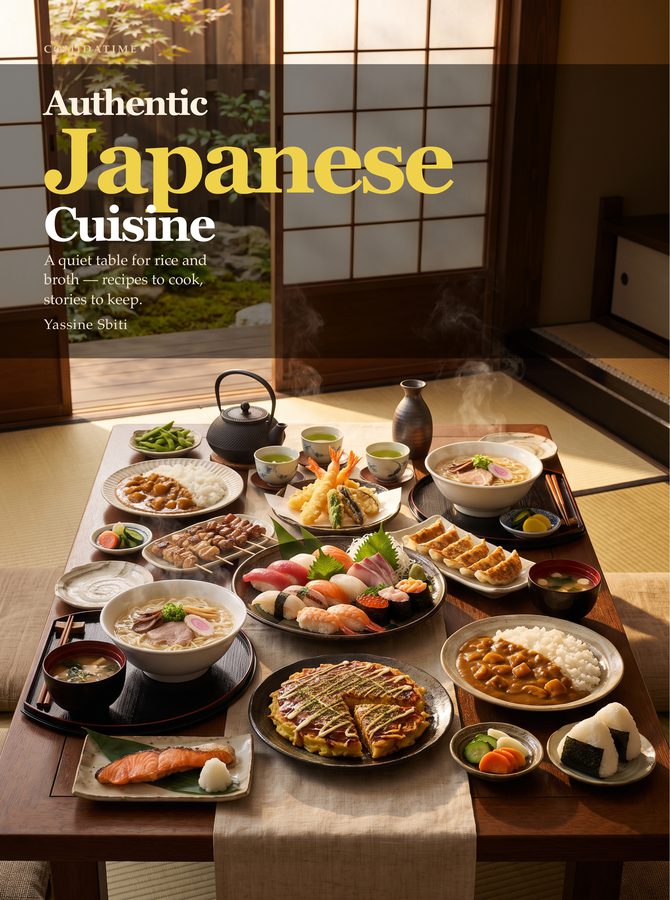
JapaneseAuthentic Cuisine

Nabe

Serves 4 to 6 chicken

Nabe

Nabe, a comforting staple in Japanese households, is often enjoyed during the colder months when warmth and heartiness are most welcome. This dish captures the essence of home cooking, where ingredients are added with a practiced hand, and flavors meld into a cohesive whole. It's not a recipe bound by strict measurements, but rather a tradition passed from one family cook to another, each pot unique to its maker.

The taste of nabe is a delicate balance of savory dashi, tender chicken, and the subtle sweetness of napa cabbage, all enriched by the creamy texture of tofu. A generous splash of ponzu adds a citrusy brightness. It's a dish meant to be shared, inviting diners to gather around the table and savor each steaming bowlful, seasoned perfectly to personal taste.

Ingredients

  • 400 gchicken
  • 1 Ldashi
  • 1 handfulnapa
  • 1 blocktofu
  • ponzu — to serve
  • to tastefine sea salt

Method

  1. Begin by patting the 400 g chicken dry with paper towels. Season it generously with fine sea salt, ensuring an even coating on all sides. Heat a large, heavy-bottomed pot over medium-high heat and add a tablespoon of oil. Once the oil is shimmering, add the chicken pieces and brown them on all sides. You are looking for a golden-brown crust to form, which should take about 5-7 minutes per side. This step locks in the juices and adds depth of flavor.
  2. While the chicken is browning, prepare your aromatics. Although the ingredient list doesn't specify, common aromatics for nabe include thinly sliced onions or leeks. Once the chicken is browned, add these aromatics to the pot. Stir them around, allowing them to cook in the rendered chicken fat until they become translucent and tender, which should take about 3-5 minutes. The aroma should be fragrant and inviting.
  3. Pour in 1 liter of dashi into the pot with the chicken and aromatics. Bring the mixture to a gentle simmer over medium heat. This will meld the flavors together and cook the chicken through. Allow the chicken to simmer until it's fully cooked and tender, which you can check by cutting into a piece to ensure there is no pink remaining.
  4. While the chicken is simmering, prepare the remaining ingredients. Cut the block of tofu into bite-sized cubes and roughly chop a handful of napa cabbage. Once the chicken is cooked, add the tofu and napa cabbage to the pot. Let them simmer gently until the tofu is heated through and the napa cabbage is wilted but still vibrant green.
  5. Taste the broth and adjust the seasoning with more fine sea salt if needed. If the broth seems too thin, allow it to simmer a bit longer to reduce slightly, concentrating the flavors. The broth should be savory and well-balanced, complementing the chicken and vegetables.
  6. Finish the nabe by adding a splash of ponzu to taste, which will add a citrusy brightness to the dish. Stir gently to incorporate. Serve the nabe directly from the pot at the table, encouraging everyone to help themselves. This communal style of serving is traditional and enhances the shared dining experience.

You may need

From the ComidaTime pantry and cookware — the jars and hearths this kitchen actually cooks with.

Cover of Authentic Japanese Cuisine Preview the cookbookBrowse the dishes inside
From the cookbook

Authentic Japanese Cuisine

This recipe is from Authentic Japanese Cuisine by Yassine Sbiti — the Japanese volume in the ComidaTime International Cuisines series.