Home Cook Together. Celebrate Life.

JapaneseAuthentic Cuisine

Nasu Dengaku

Serves 4 to 6 vegan

Nasu Dengaku

Nasu Dengaku is a beloved staple in Japanese home kitchens, often prepared during the cooler months when the warmth of roasted eggplant and the rich, savory miso glaze are most comforting. It is a dish that finds its place at family tables, where the simplicity of its ingredients is celebrated. The preparation involves a careful balance of flavors, honed over generations, with the salt measured by instinct and the use of fat generous enough to ensure each bite is luscious and satisfying.

The appeal of Nasu Dengaku lies in its rich, umami depths, where the creamy texture of the eggplant contrasts with the deeply flavored miso glaze. The subtle sweetness of mirin and sugar enhances the earthy notes, while a whisper of sesame adds a nutty finish. Each bite is a harmonious blend of flavors, meant to be savored slowly, allowing the complexity to unfold on the palate. Enjoy it warm, as part of a shared meal, where its comforting presence is as much about tradition as it is about taste.

Ingredients

  • 2eggplants
  • 3 tbspmiso
  • 1 tbspmirin
  • 1 tbspsugar
  • 1 tspsesame
  • to tastefine sea salt

Method

  1. Begin by washing the 2 eggplants thoroughly under cold water. Pat them dry with a clean kitchen towel. Slice each eggplant in half lengthwise, then score the flesh in a crosshatch pattern without cutting through the skin. This will help the eggplant cook evenly and absorb the sauce more effectively.
  2. In a small bowl, combine 3 tablespoons of miso, 1 tablespoon of mirin, and 1 tablespoon of sugar. Stir until the sugar dissolves and the mixture becomes smooth. This will be your dengaku sauce, which will provide a rich, savory glaze for the eggplant.
  3. Heat a large non-stick frying pan over medium heat and add enough oil to generously coat the bottom. Once the oil is shimmering, place the eggplant halves cut side down in the pan. Cook for about 5 minutes, pressing gently with a spatula to ensure even browning.
  4. Flip the eggplants over and reduce the heat to medium-low. Cover the pan with a lid and allow the eggplants to cook for another 5 to 7 minutes, or until the flesh becomes tender and easily pierced with a fork. The skin should be slightly wrinkled and the flesh should have a creamy texture.
  5. Remove the lid and carefully spread the prepared miso mixture over the cut side of each eggplant half. Increase the heat to medium and cook uncovered for an additional 2 to 3 minutes. The sauce should bubble slightly and develop a glossy finish without burning.
  6. Sprinkle 1 teaspoon of sesame seeds evenly over the glazed eggplants. Taste a small piece of the eggplant and season with fine sea salt to your preference, keeping in mind that the miso already adds some saltiness.
  7. Transfer the eggplants to a serving platter, ensuring they remain intact. Serve warm, allowing everyone at the table to enjoy the rich flavors and tender texture of this classic Japanese dish.

You may need

From the ComidaTime pantry and cookware — the jars and hearths this kitchen actually cooks with.

Cover of Authentic Japanese Cuisine Preview the cookbookBrowse the dishes inside
From the cookbook

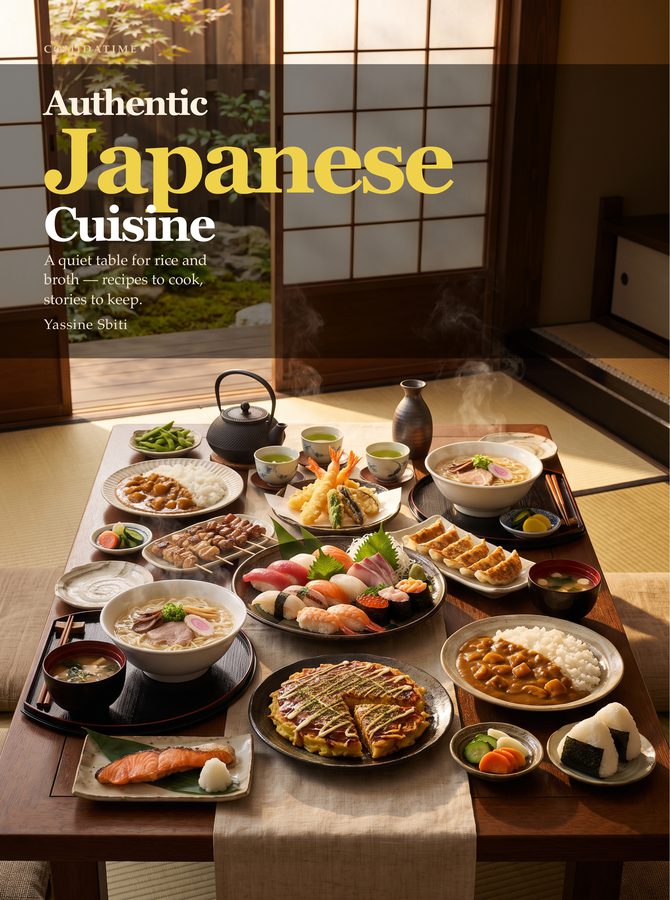
Authentic Japanese Cuisine

This recipe is from Authentic Japanese Cuisine by Yassine Sbiti — the Japanese volume in the ComidaTime International Cuisines series.