Home Cook Together. Celebrate Life.

KoreanAuthentic Cuisine

Mandu Guk

Serves 4 to 6 meat

Mandu Guk

Mandu Guk, a cherished dish of Korean New Year celebrations, brings warmth and comfort to the table. Traditionally, it's a dish that symbolizes the ushering in of good fortune, with each dumpling representing prosperity and wealth. This home-style recipe, passed down through generations, captures the essence of family cooking, where salt is judged by hand and fat is used with generosity.

The soup should be a soothing blend of flavors—rich beef broth cradling tender kimchi mandu, enlivened by the freshness of scallions and the silkiness of a gently swirled egg. Each spoonful is a harmonious balance of savory and tangy notes, a simple yet profound reflection of Korean culinary tradition.
Ingredients

  • 12kimchi mandu
  • 1 Lbeef broth
  • 1egg
  • 2scallions
  • to tastefine sea salt

Method

  1. Begin by preparing your aromatics. Thinly slice 2 scallions, separating the white and green parts. In a large pot, pour in 1 liter of beef broth and bring it to a gentle simmer over medium heat. Add the white parts of the scallions to the broth, allowing them to soften and release their aroma without burning. This will create a fragrant base for your Mandu Guk.
  2. Once the broth is fragrant, gently place 12 kimchi mandu into the pot. Ensure they are spaced out to prevent sticking. The mandu will need time to cook through, so let them simmer gently. You'll know they are ready when they float to the surface and the wrappers become translucent, indicating that the filling is cooked.
  3. While the mandu are cooking, crack 1 egg into a small bowl and beat it lightly. Once the mandu are floating, slowly drizzle the beaten egg into the simmering broth, creating delicate ribbons. Stir gently with a spoon to distribute the egg evenly throughout the soup.
  4. Taste the broth and adjust the seasoning with fine sea salt to your preference. Remember, the broth should be savory and well-balanced, enhancing the flavors of the mandu without overpowering them.
  5. Finish the dish by adding the green parts of the scallions to the pot. They will add a fresh, vibrant touch to the soup. Serve the Mandu Guk hot, allowing the flavors to meld together, and enjoy it as a comforting meal shared with family or friends.

You may need

From the ComidaTime pantry and cookware — the jars and hearths this kitchen actually cooks with.

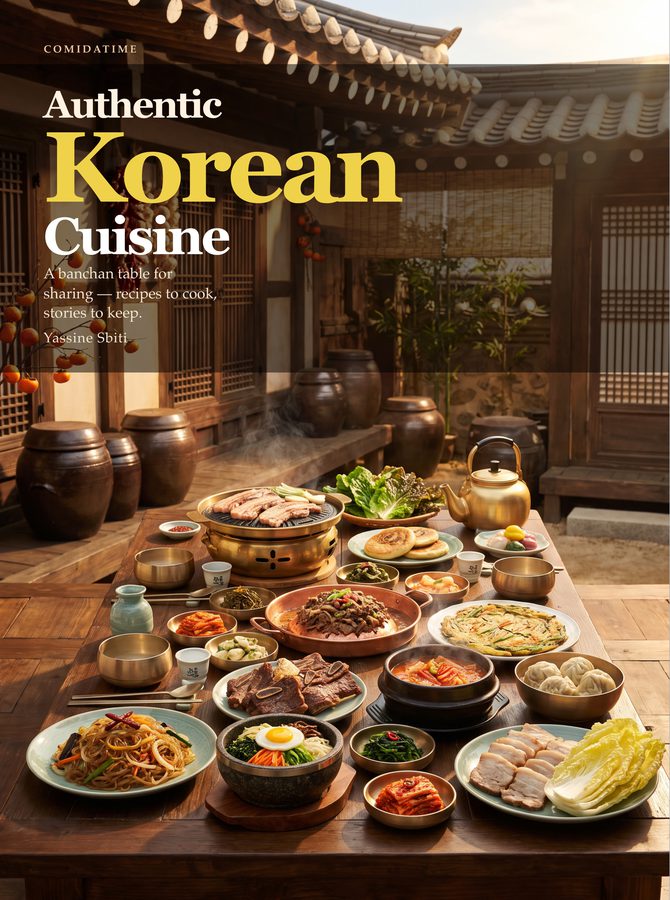
Cover of Authentic Korean Cuisine Preview the cookbookBrowse the dishes inside
From the cookbook

Authentic Korean Cuisine

This recipe is from Authentic Korean Cuisine by Yassine Sbiti — the Korean volume in the ComidaTime International Cuisines series.