Home Cook Together. Celebrate Life.

KoreanAuthentic Cuisine

Seolleongtang

Serves 4 to 6 meat

Seolleongtang

Seolleongtang hails from the bustling ox-bone houses of Seoul, where it's often savored as a comforting meal after a long day. Traditionally prepared by simmering ox bones for hours, this dish represents the essence of Korean home cooking, with recipes passed down through generations. In local households, it's a staple that finds its way to the table for both casual family dinners and special occasions alike.

The broth should be rich and milky, its depth of flavor accentuated by the generous use of beef and the subtle kick of scallions. Each spoonful offers a silky mouthfeel, intertwined with the tender bite of noodles. Salt is added to taste, allowing each diner to tailor their bowl, emphasizing the dish’s communal and personal nature.
Ingredients

  • 1.5 Lox bone broth
  • 200 gsliced beef
  • 200 gnoodles
  • 2scallions
  • 1 tspfine sea salt

Method

  1. Start by preparing the fragrant base for your Seolleongtang. In a large pot, add 1.5 L of ox bone broth and bring it to a gentle simmer over medium heat. While it heats, slice 2 scallions thinly, separating the white and green parts. Add the white parts of the scallions to the broth to infuse their flavor, allowing them to soften without browning.
  2. Once the broth is gently simmering and the scallion whites have softened, add 200 g of sliced beef to the pot. Stir gently to separate the slices, ensuring they cook evenly. The beef will begin to turn a light brown color, indicating it's cooking through.
  3. Next, incorporate 200 g of noodles into the broth. Use a pair of chopsticks or a fork to gently separate the noodles as they cook. Allow them to simmer until they become tender but still slightly firm to the bite, which is typically when they appear translucent and pliable.
  4. As the noodles reach the desired texture, taste the broth and adjust the seasoning with 1 tsp of fine sea salt. Stir well to ensure the salt is evenly distributed. The broth should taste balanced, with a subtle depth from the beef and scallions.
  5. Finish the dish by adding the green parts of the scallions. Stir them into the soup and allow them to wilt slightly from the residual heat. This final touch adds a fresh, aromatic layer to the Seolleongtang, enhancing its overall flavor profile.

You may need

From the ComidaTime pantry and cookware — the jars and hearths this kitchen actually cooks with.

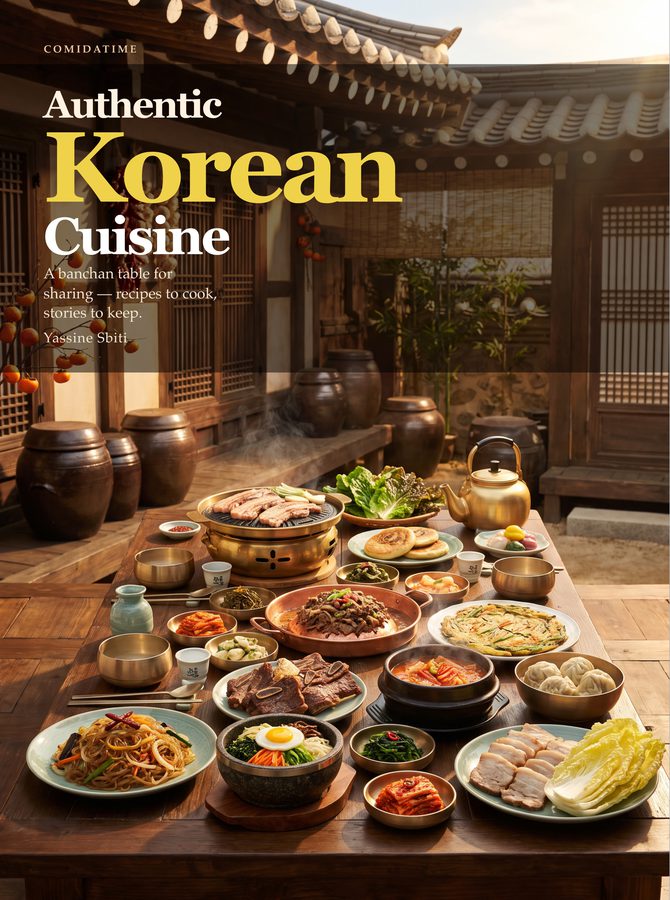
Cover of Authentic Korean Cuisine Preview the cookbookBrowse the dishes inside
From the cookbook

Authentic Korean Cuisine

This recipe is from Authentic Korean Cuisine by Yassine Sbiti — the Korean volume in the ComidaTime International Cuisines series.