Home Cook Together. Celebrate Life.

KoreanAuthentic Cuisine

Daeji Bulgogi

Serves 4 to 6 meat

Daeji Bulgogi

Daeji Bulgogi, a beloved Korean dish, takes its roots from the spicy pork BBQ tradition, where the art of seasoning is done by hand, and the richness of fat is celebrated. It's a staple in Korean homes, often prepared for casual gatherings or family dinners, bringing a sense of comfort and warmth to the table. This recipe captures the essence of home cooking, passed down through generations, and is crafted the way a Korean family cook would prepare it.

Expect a vibrant burst of flavors with each bite, as the savory heat of gochujang and gochugaru melds with tender slices of pork. The onion adds a sweet undertone, while soy sauce deepens the savory notes. This dish offers a satisfying balance of spicy, salty, and umami, making it a perfect centerpiece for any shared meal.
Ingredients

  • 600 gsliced pork
  • 3 tbspgochujang
  • 1 tbspgochugaru
  • 1onion
  • 1 tbspsoy sauce
  • to tastefine sea salt

Method

  1. Begin by placing 600 g of sliced pork in a large mixing bowl. Add 3 tbsp of gochujang and 1 tbsp of gochugaru to the pork. Mix thoroughly using your hands or a spoon, ensuring each piece of pork is evenly coated with the spicy paste. This step ensures the flavors penetrate the meat, creating a rich and spicy base for your Daeji Bulgogi.
  2. Peel and thinly slice 1 onion. Add the sliced onion to the pork mixture along with 1 tbsp of soy sauce. Toss everything together until the onion is well distributed and coated with the marinade. Allow the mixture to sit for at least 10 minutes to let the flavors meld.
  3. Heat a large, heavy-bottomed skillet over medium-high heat. Add a generous amount of oil to the pan, enough to coat the bottom. Once the oil is shimmering, add the marinated pork and onions in a single layer. Avoid overcrowding the pan to ensure even browning.
  4. Cook the pork without stirring for a few minutes until the edges begin to caramelize and develop a deep, rich color. Stir occasionally to brown all sides evenly. The goal is to achieve a deep color that indicates the sugars in the marinade have caramelized, enhancing the dish's flavor.
  5. Once the pork is browned, reduce the heat to medium and continue cooking until the pork is tender and the onions are soft. The pork should be cooked through, with no pink remaining, and the onions should be translucent and slightly caramelized.
  6. Taste a piece of pork and adjust the seasoning with fine sea salt if necessary. The flavors should be balanced, with a noticeable kick from the gochujang and gochugaru.
  7. Serve the Daeji Bulgogi hot, accompanied by steamed rice, bread, or a fresh salad. The dish is best enjoyed immediately, with the spicy, savory pork as the centerpiece of a shared meal.

You may need

From the ComidaTime pantry and cookware — the jars and hearths this kitchen actually cooks with.

Cover of Authentic Korean Cuisine Preview the cookbookBrowse the dishes inside
From the cookbook

Authentic Korean Cuisine

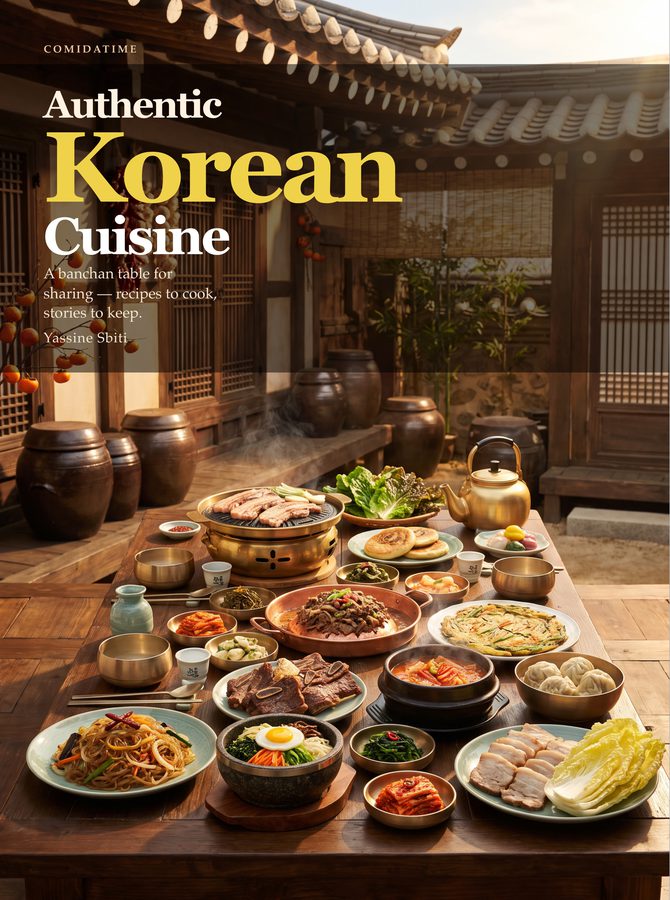
This recipe is from Authentic Korean Cuisine by Yassine Sbiti — the Korean volume in the ComidaTime International Cuisines series.