
Home Cook Together. Celebrate Life.

JapaneseAuthentic Cuisine

Japanese Shrimp Pan

Serves 4 to 6 Entree seafood, Fish

Japanese Shrimp Pan

Japanese Shrimp Pan, a beloved home-cooked dish, shines at informal gatherings and family dinners across Japan. It captures the essence of casual yet flavorful dining, where the focus is on the quality of ingredients and the warmth of shared moments. This is the version that finds its way to the table in Japanese homes, with salt judged by hand and fat used generously, reflecting a cook's intuitive touch.

The dish offers a vibrant play of flavors, with juicy shrimp enveloped in the warmth of garlic and a gentle kick of chili. Olive oil lends richness, while a squeeze of lemon brightens each bite. It's a simple yet satisfying meal, perfect for sharing, and invites diners to savor the harmonious balance of savory and zesty notes.
Ingredients

  • 600 gshrimp
  • 4 clovesgarlic
  • 80 mlolive oil
  • lemonjuiced
  • to tastechili
  • to tastefine sea salt

Method

  1. Start by cleaning the shrimp. Remove the shells and devein them by making a shallow cut along the back and pulling out the dark vein. Rinse the shrimp under cold water and pat them dry with a paper towel to ensure they cook evenly and absorb flavors better.
  2. In a large skillet, preferably non-stick or cast iron, heat 80 ml of olive oil over medium heat. While the oil is warming, finely mince 4 cloves of garlic. Add the garlic to the oil and stir gently, allowing it to infuse the oil with its aroma. You'll know it's ready when the garlic becomes golden and fragrant, but be careful not to let it brown too much, as this can make it bitter.
  3. Increase the heat to medium-high and add the shrimp to the skillet in a single layer. This ensures even cooking and prevents overcrowding, which can lead to steaming rather than searing. Cook the shrimp for about 2 minutes on one side until they start to turn pink and opaque around the edges.
  4. Flip the shrimp over and continue cooking for another 1-2 minutes. The shrimp are done when they are fully opaque and have a slight curl, forming a 'C' shape. Avoid overcooking, as this can make them rubbery.
  5. Remove the skillet from the heat and squeeze the juice of one lemon over the shrimp. Add chili to taste, adjusting the amount based on your preference for heat. Sprinkle fine sea salt over the shrimp, tasting as you go to ensure the seasoning is to your liking.
  6. Transfer the shrimp to a serving platter immediately to prevent them from continuing to cook in the residual heat of the pan. Serve the Japanese Shrimp Pan hot, encouraging diners to enjoy the dish while the flavors are fresh and vibrant.
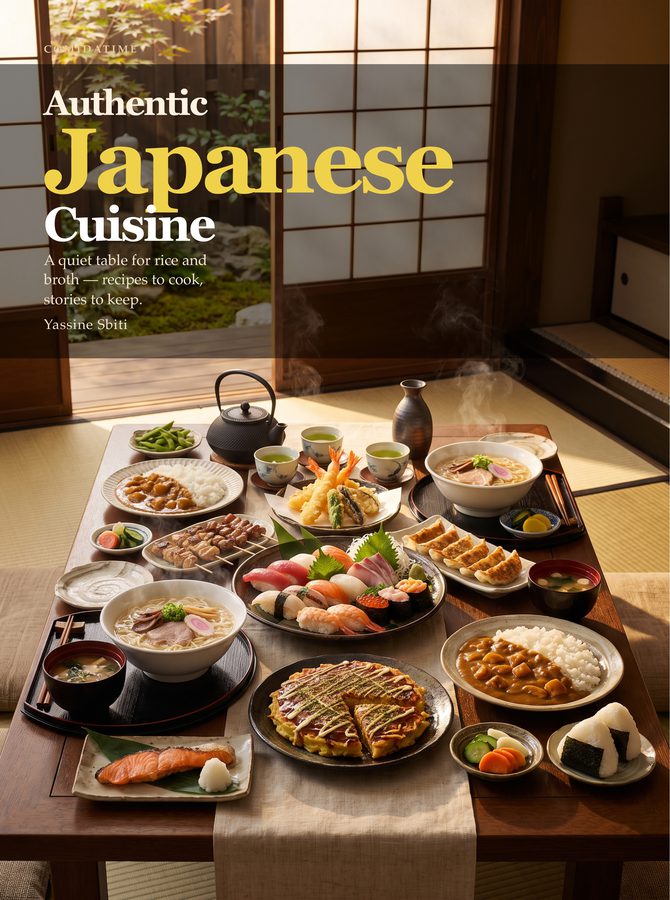
Cover of Authentic Japanese Cuisine
From the cookbook

Authentic Japanese Cuisine

This recipe is from Authentic Japanese Cuisine by Yassine Sbiti — the Japanese volume in the ComidaTime International Cuisines series.

Available soon on Amazon…

Explore Japanese cuisine