
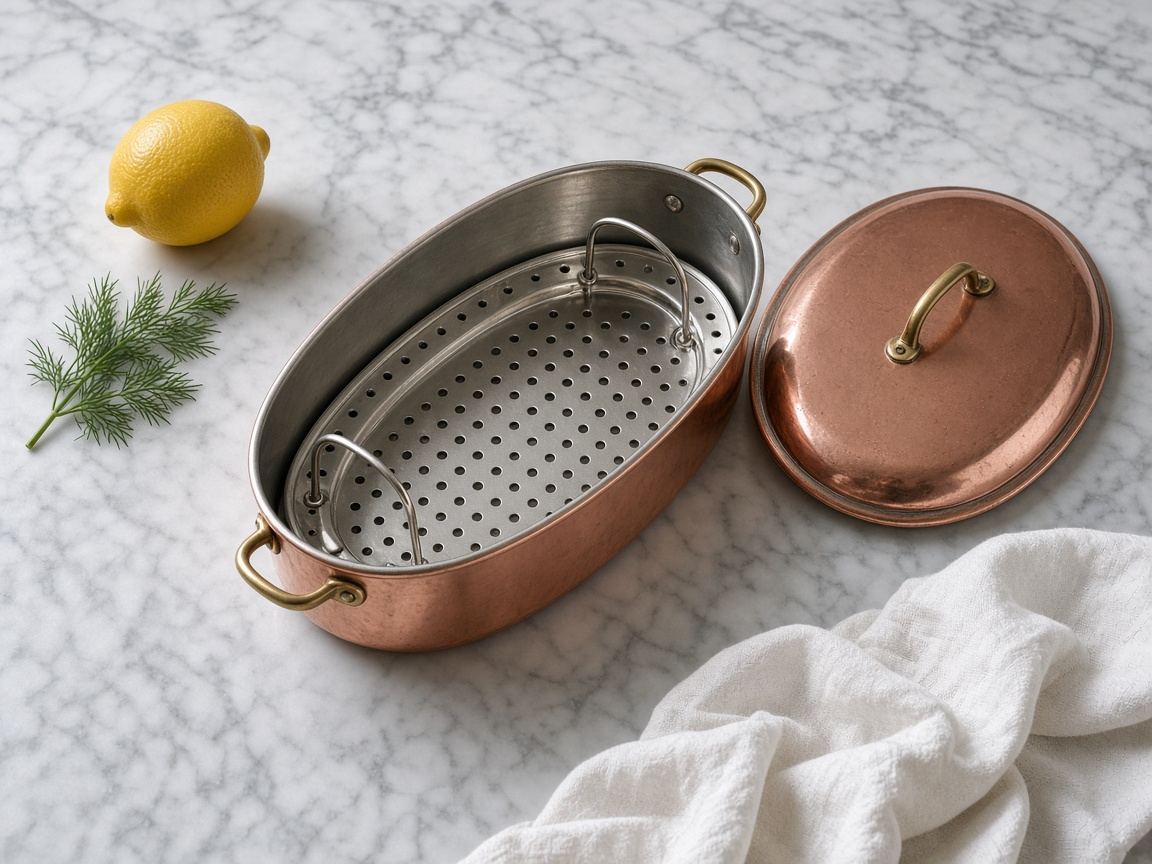
Fish kettle
A long, narrow pot with a rack: a whole fish poached in court-bouillon and lifted out in one piece.
Cookware · Page 2
Page 2 of 5 — more hearths and tools from the thirty kitchens.
Page 2 of 5. Start with the one your grandmother would recognize, then cook from the book that belongs to it.
A long, narrow pot with a rack: a whole fish poached in court-bouillon and lifted out in one piece.
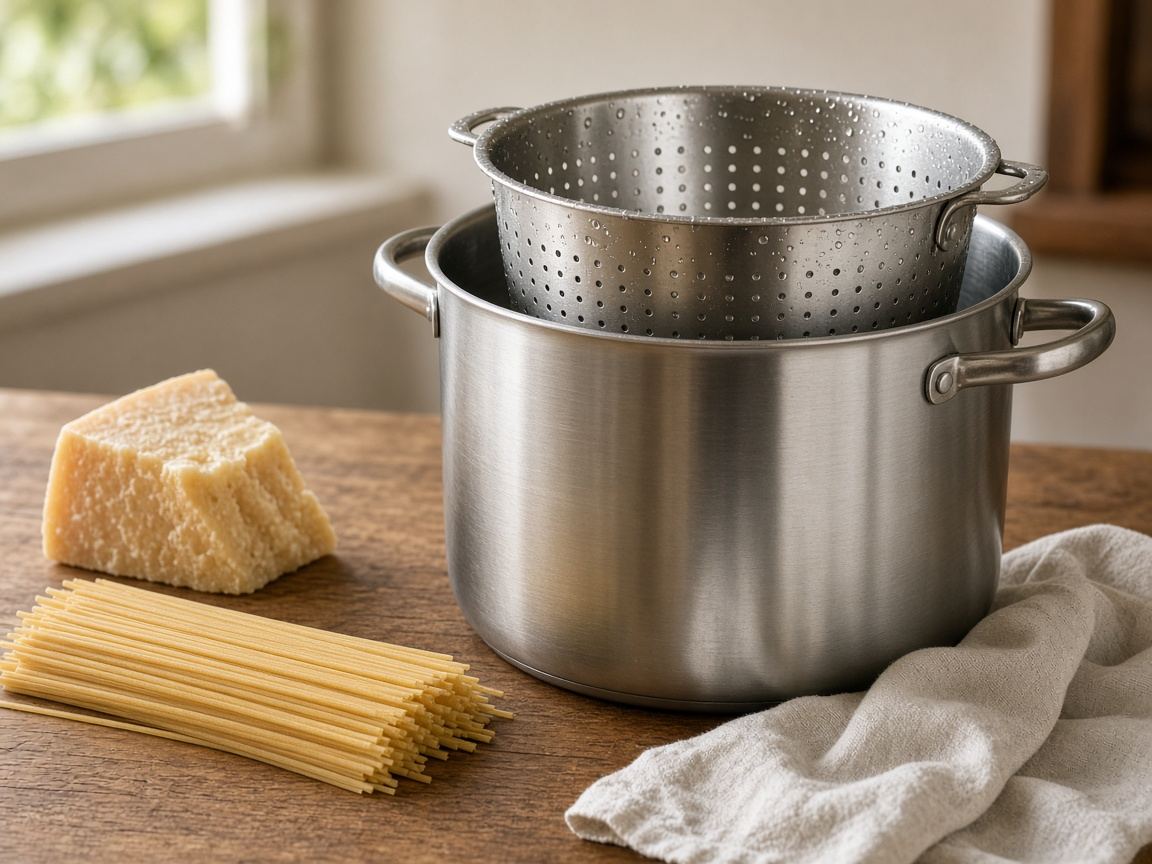
A tall pot of fierce salted water: the other half of every Italian sauce that finishes in the tegame.
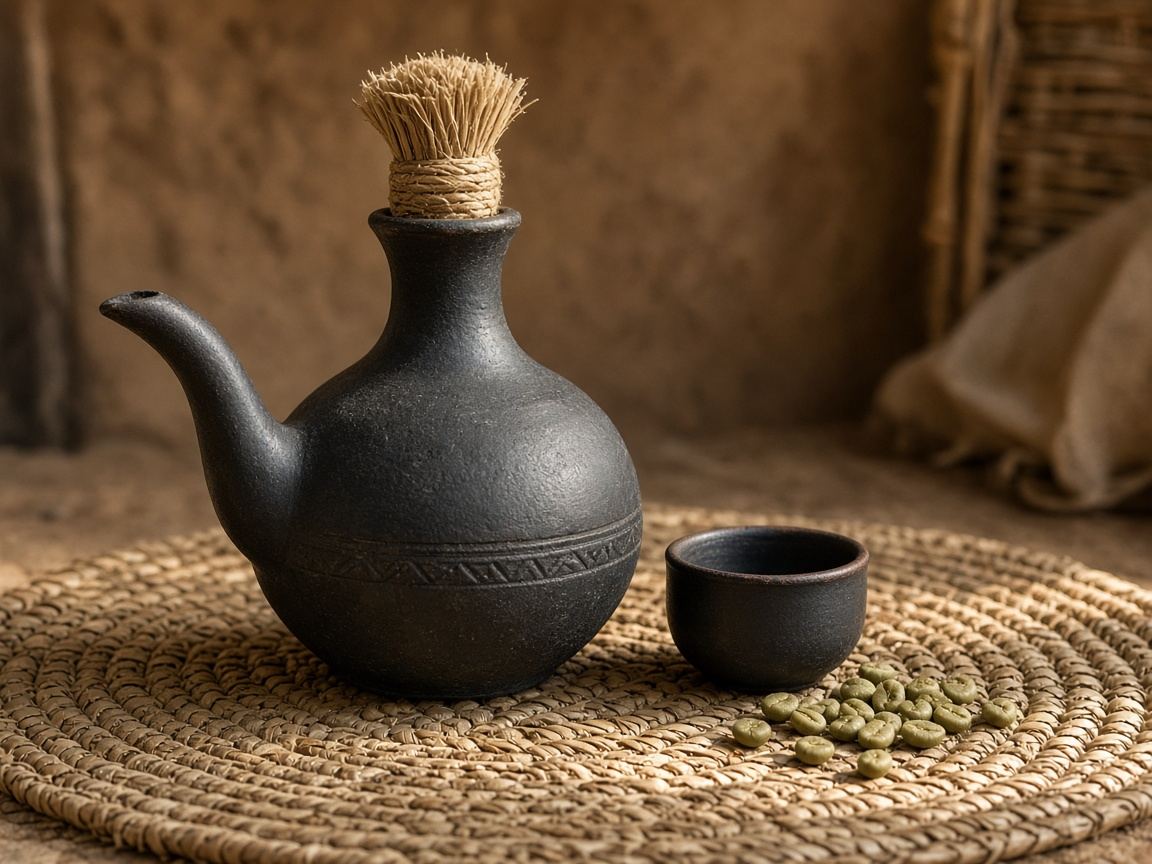
A round-bellied clay pot with a long neck: coffee roasted, ground, and poured as a ceremony, not a caffeine errand.
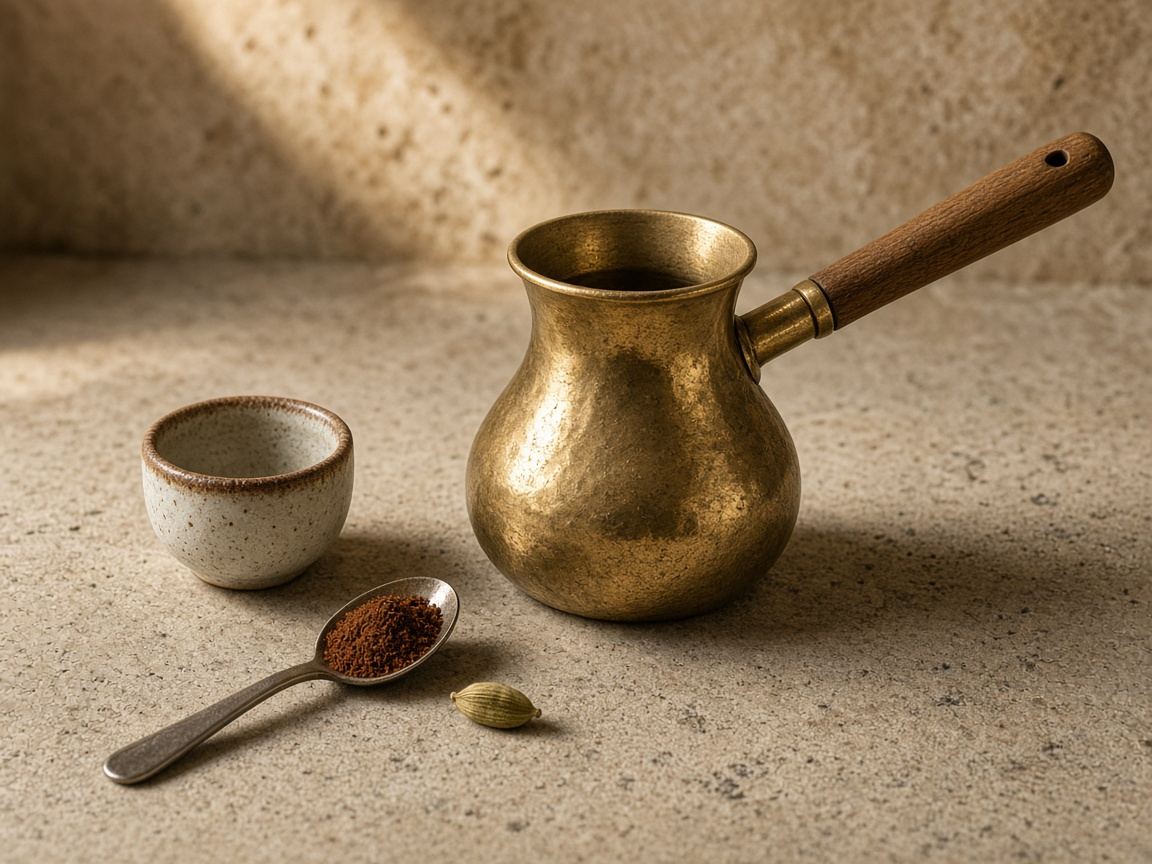
A small copper pot with a long handle: coffee boiled with the grounds until the foam is the whole point.
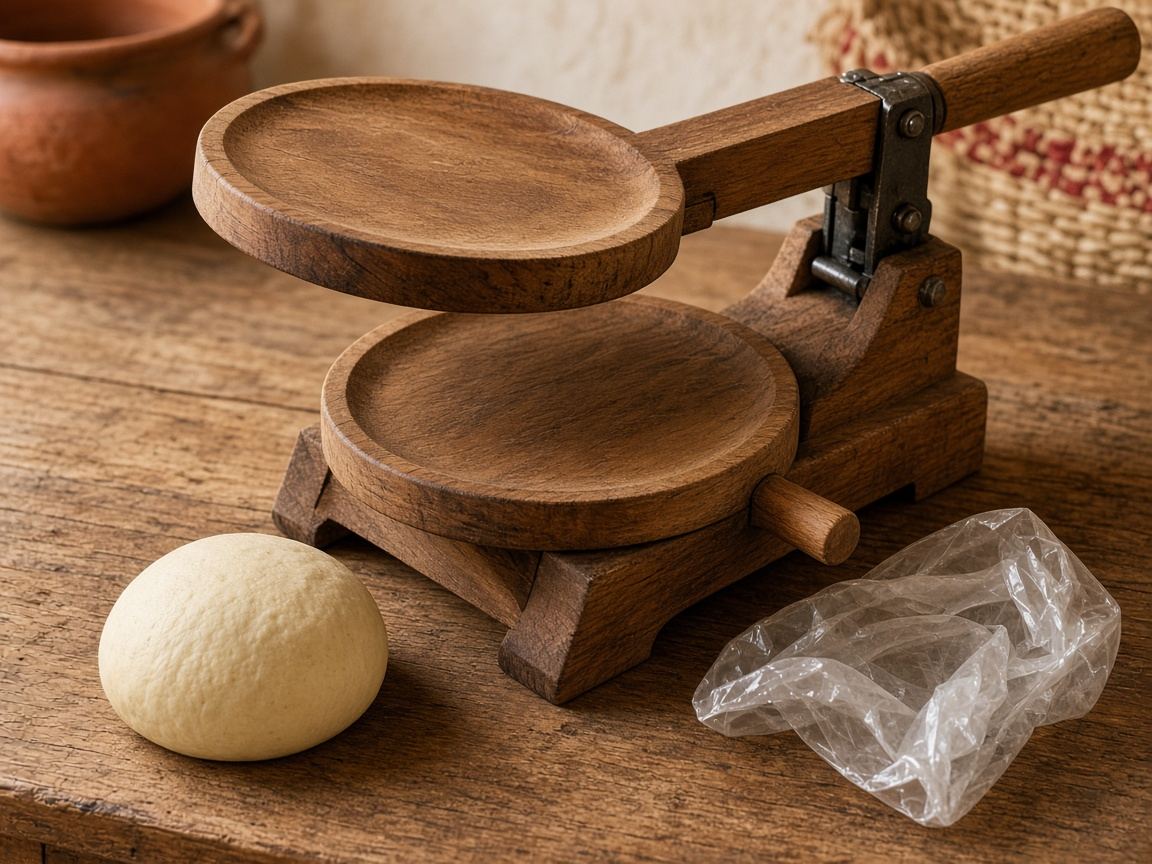
Two plates and a lever: nixtamal dough becomes a round you can cook on the comal in one motion.
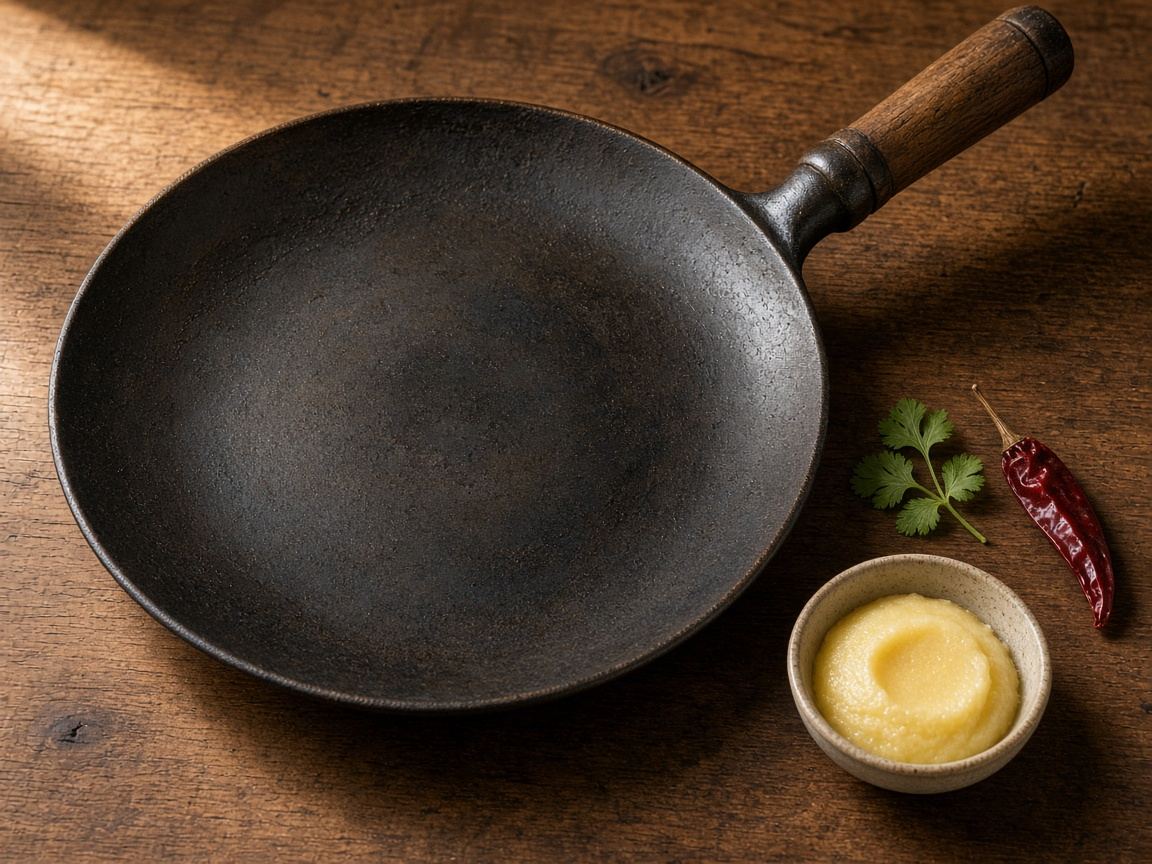
A slightly concave iron disk: roti, paratha, and the dry heat that makes a bread puff instead of toast.
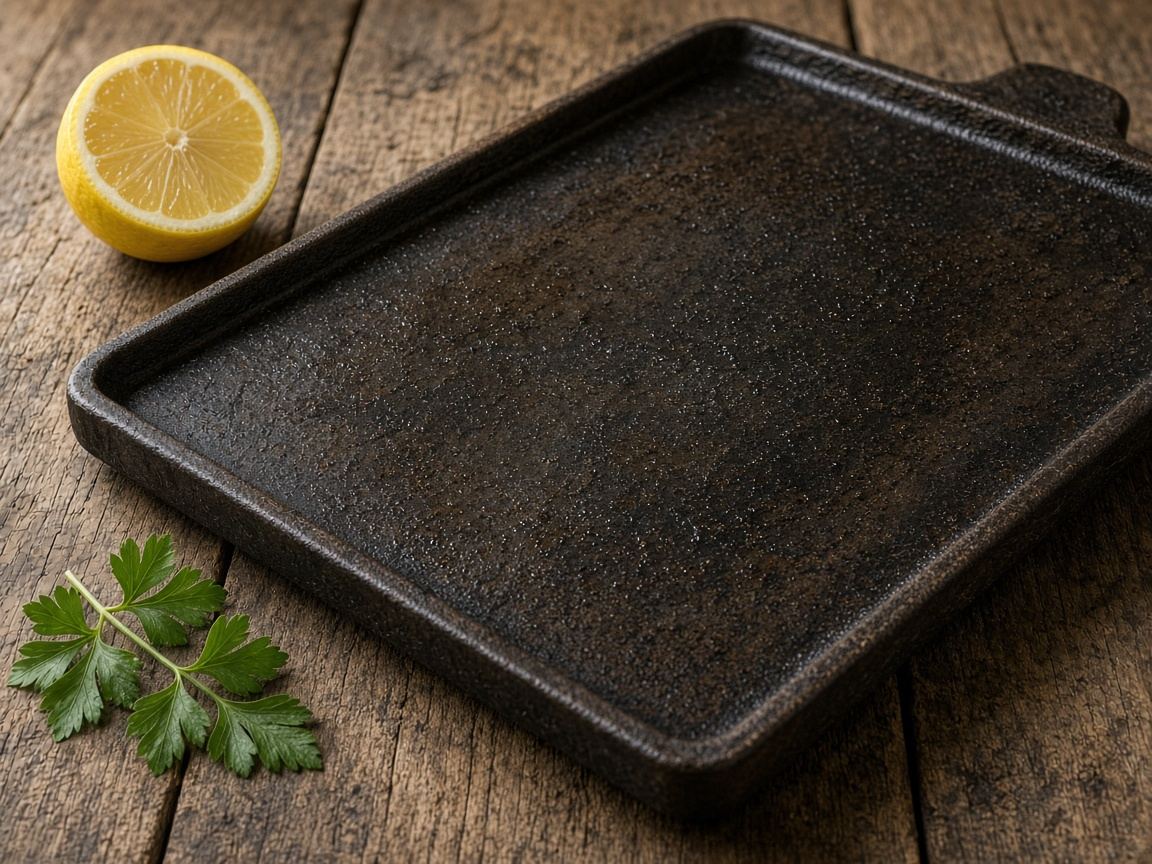
A thick flat iron: seafood, a steak, or a vegetable that wants a hard sear without falling through a grate.
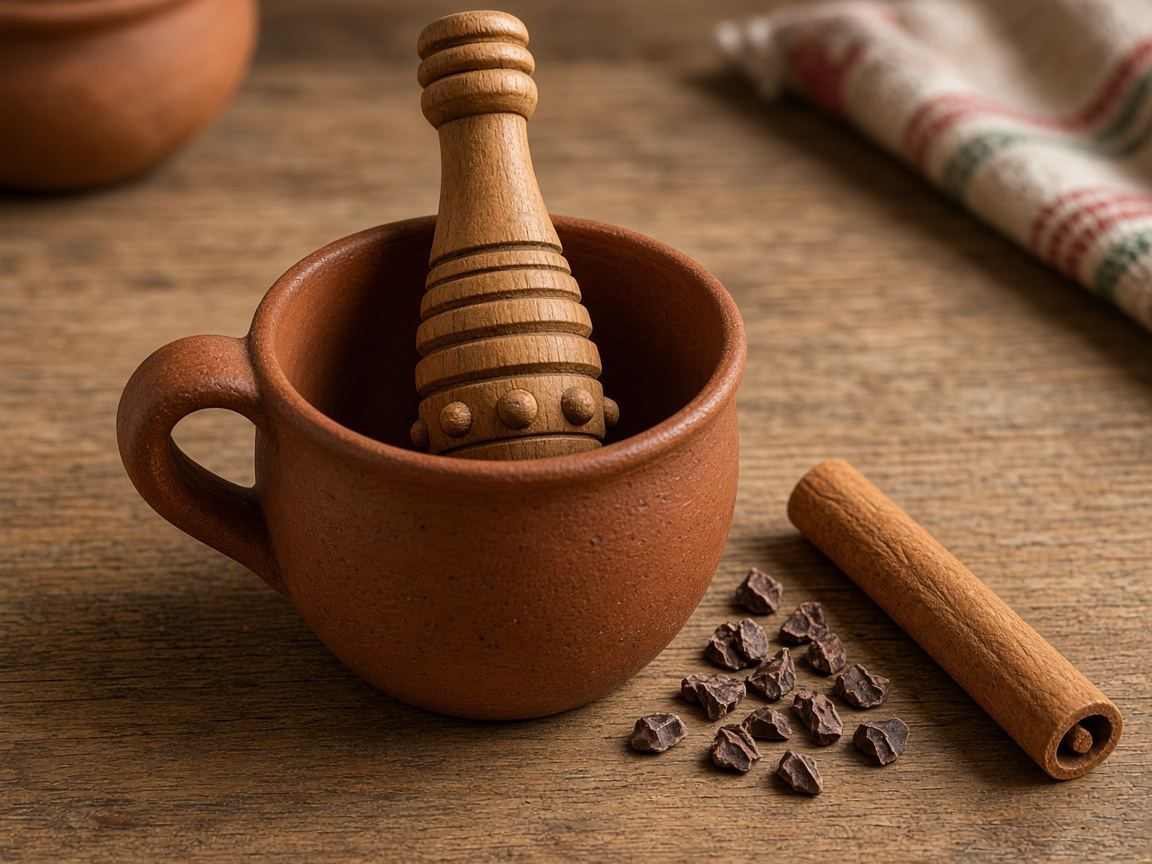
A carved wooden whisk you spin between your palms: chocolate that foams instead of sitting in the pot.
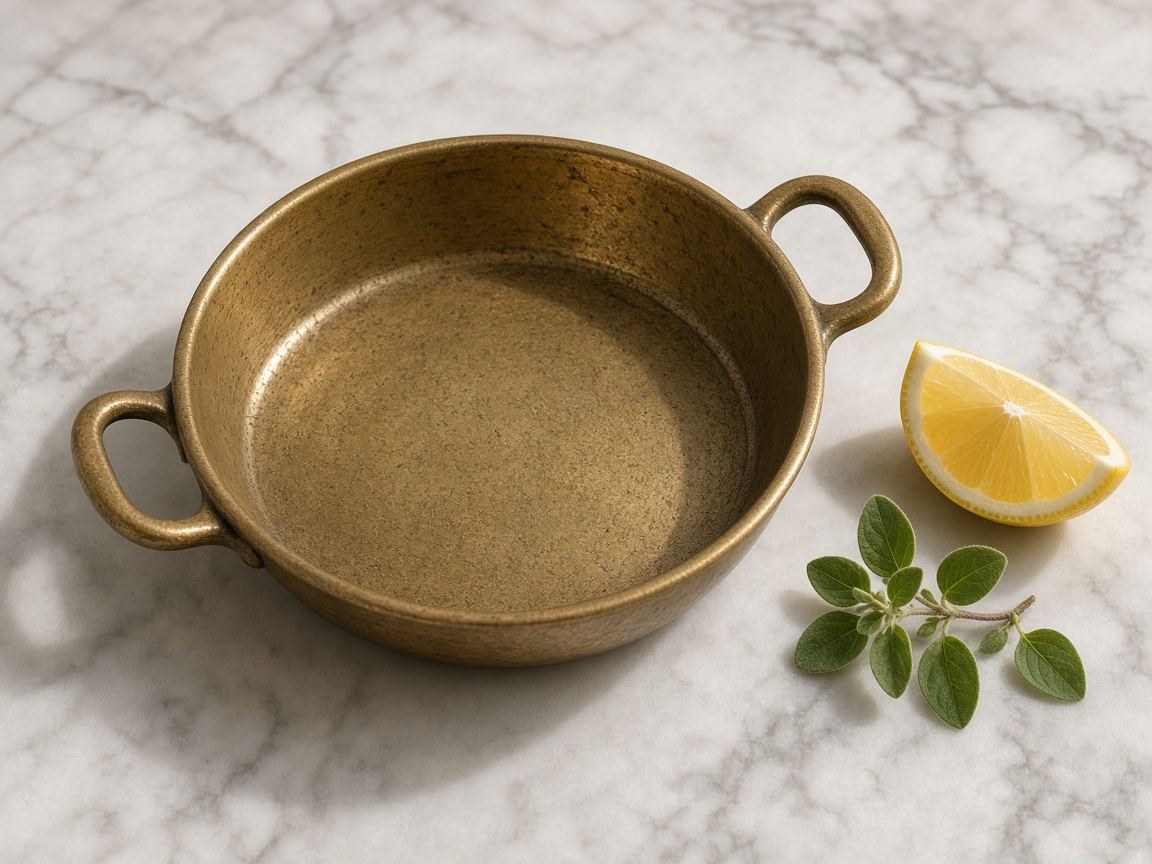
A small, two-handled pan: cheese that fries, shrimp that sizzle, and a dish named after the vessel.
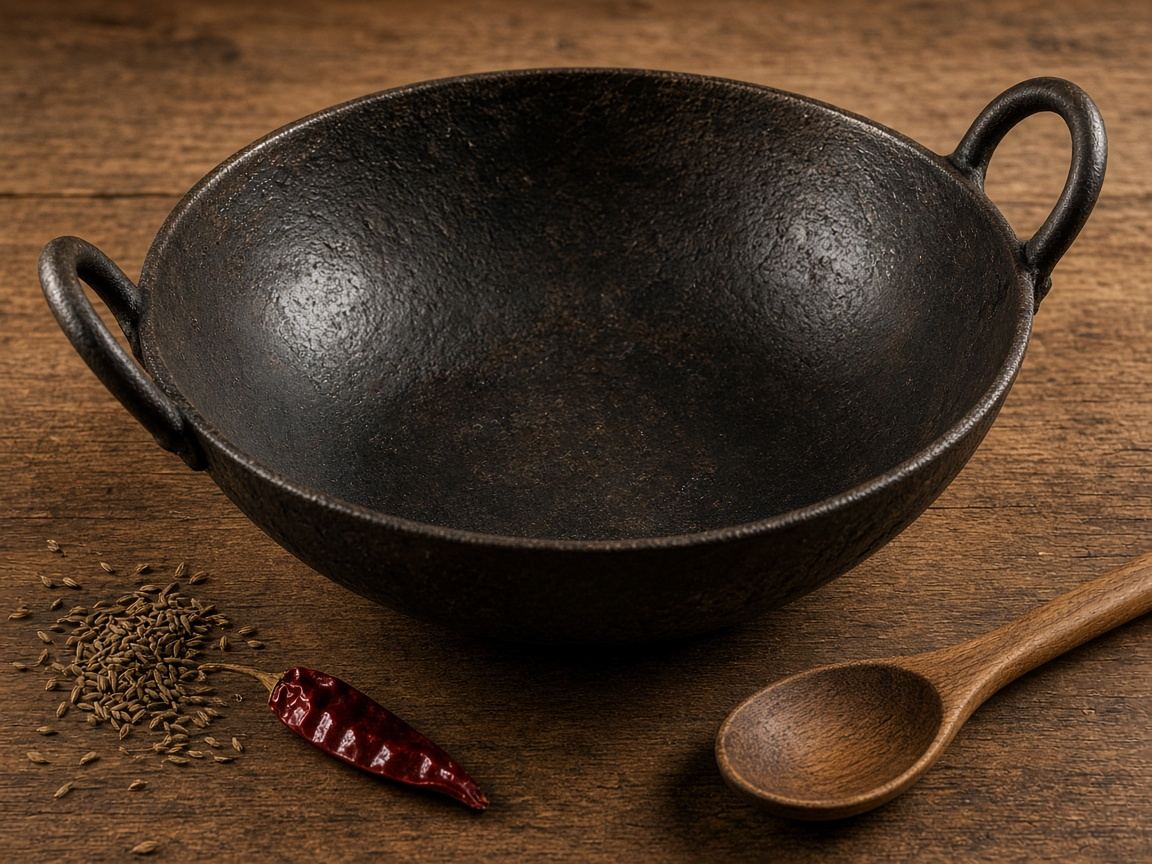
A deep, steep-sided iron wok: balti, a dry curry, and the toss that keeps a karahi dish from becoming a stew.
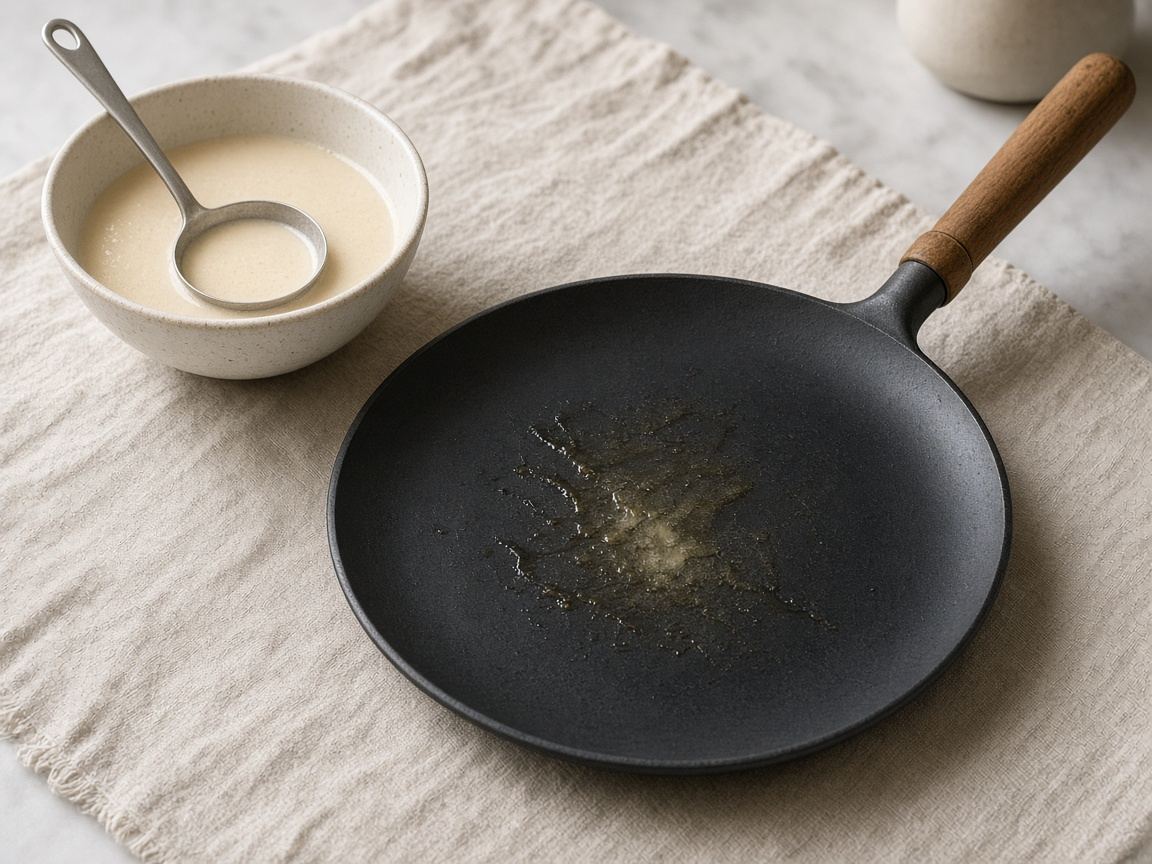
A low-sided flat pan: batter so thin it is a lace, and a wrist flick that is half the recipe.
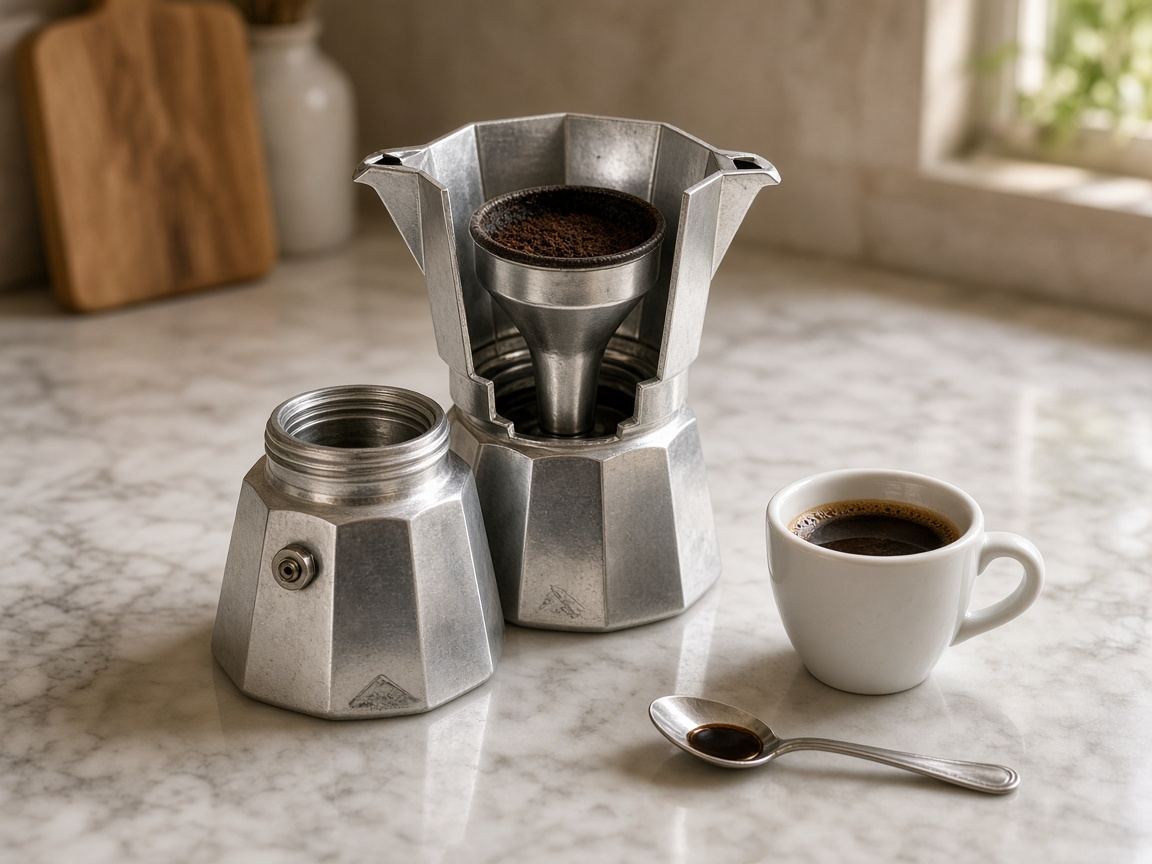
A three-chamber aluminum pot: stove espresso for a house that does not own a machine.
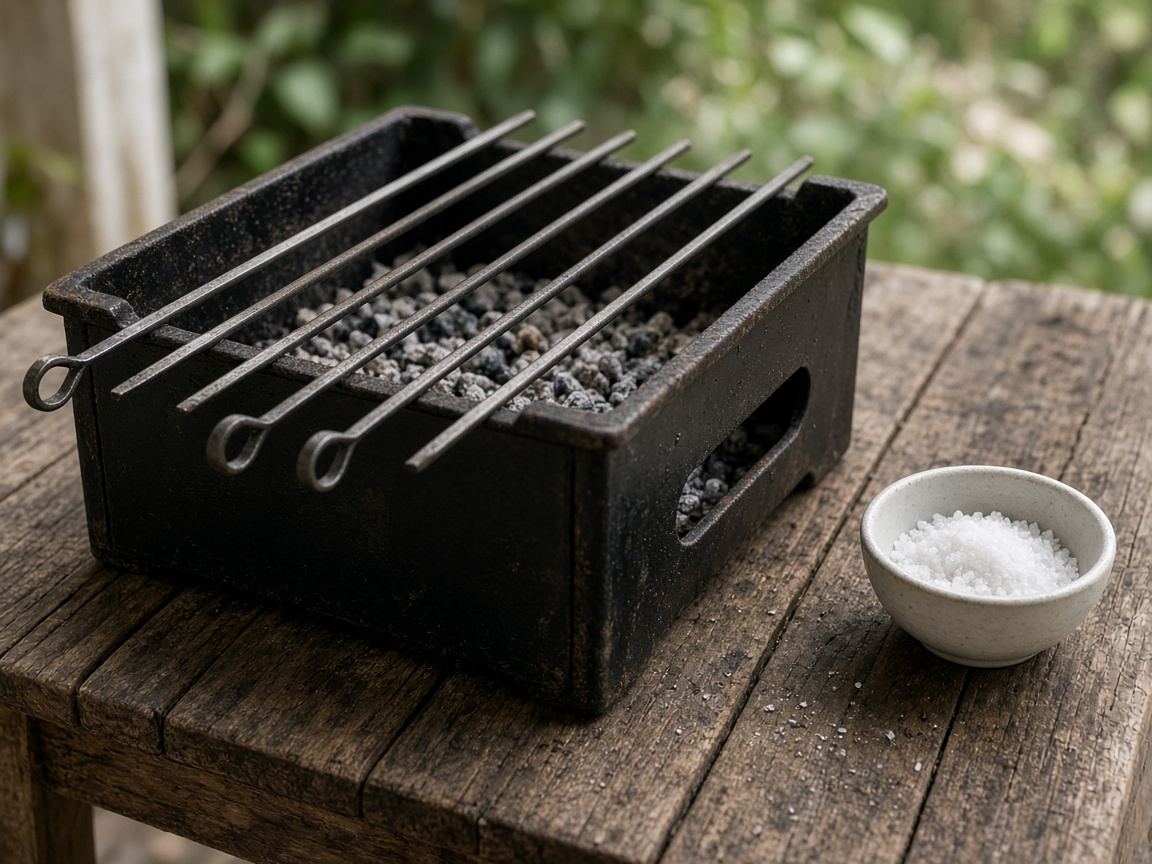
A grill for churrasco: skewers, a fat cap, and a fire you manage like an Argentine parrilla with a different accent.
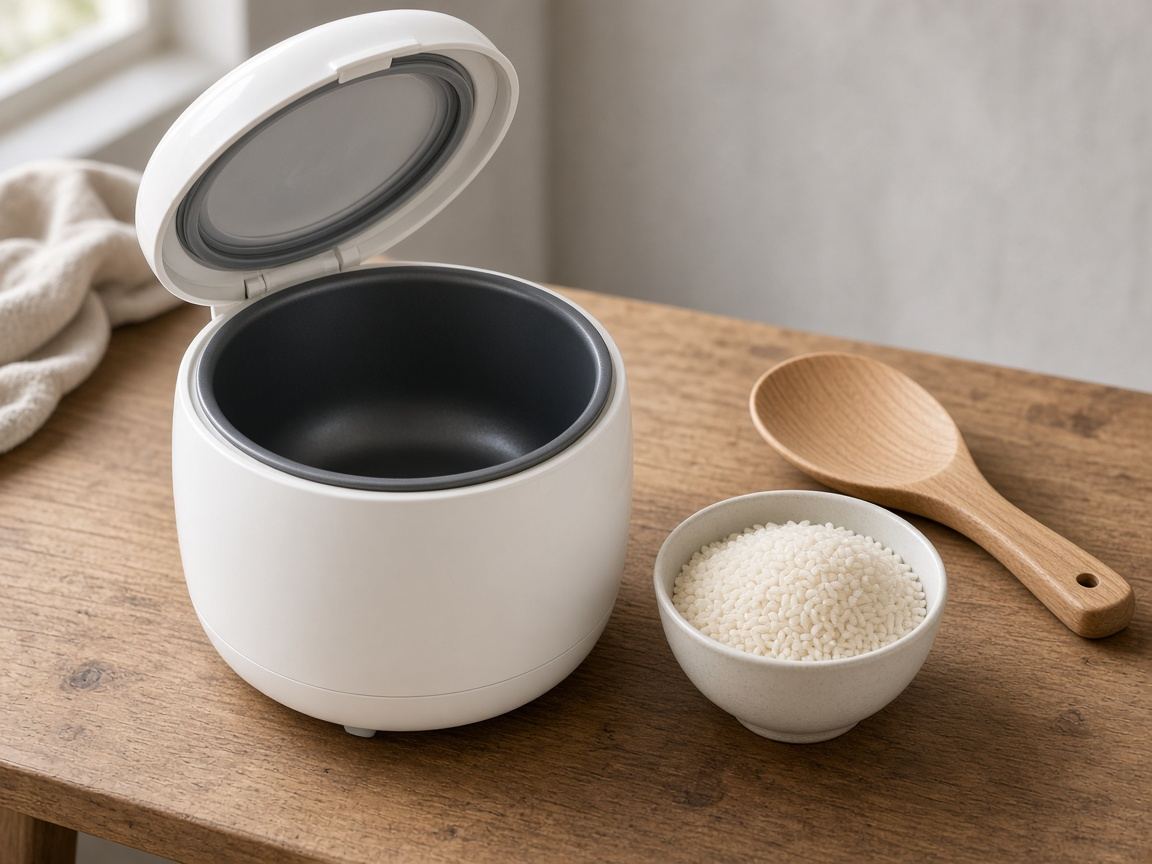
A pot that knows when the rice is done: the weekday hearth of Japanese, Korean, and Vietnamese houses in the series.
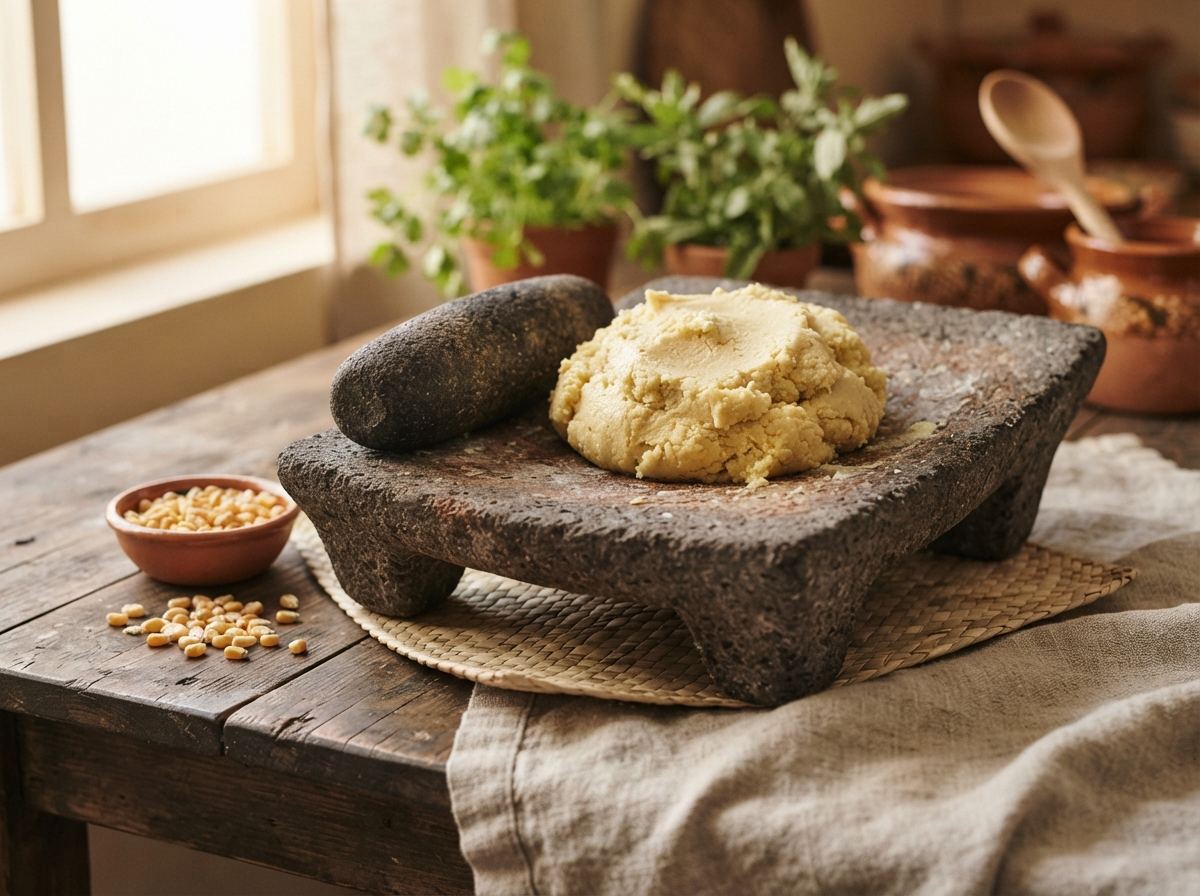
A three-legged grinding stone: nixtamal becomes masa the way a Mexican kitchen still remembers it.
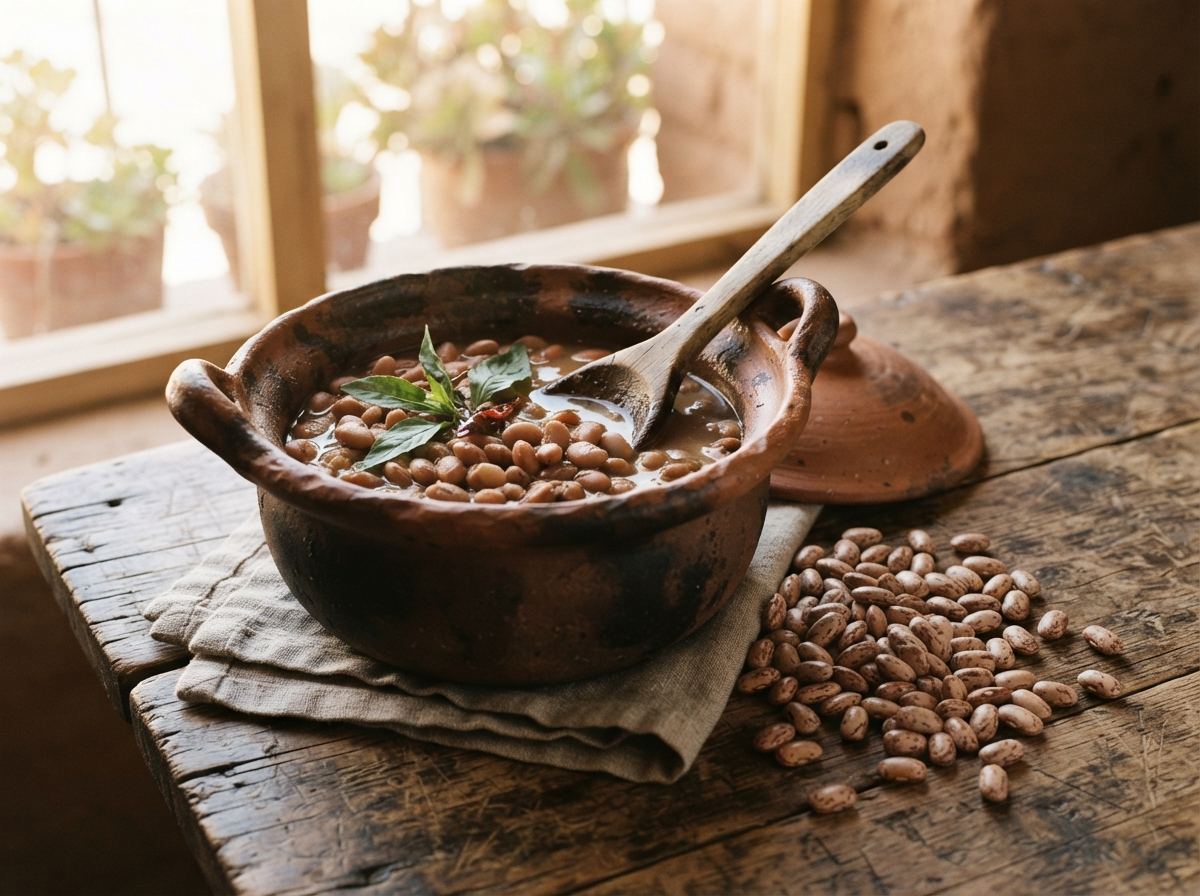
An unglazed clay pot: beans, soups, and stews that taste of the earth they cooked in.
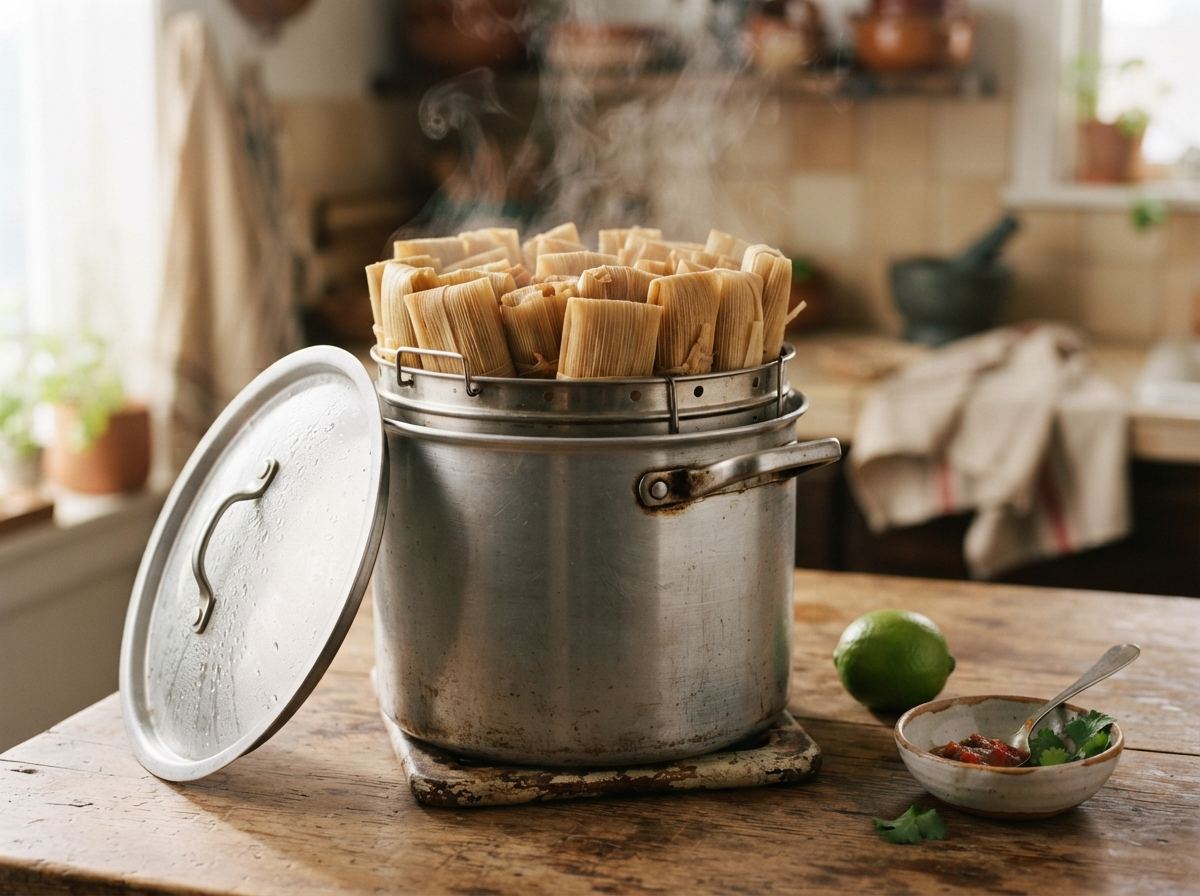
A tall pot with a rack: corn husks stand in steam until a tamal is a meal you can unwrap.
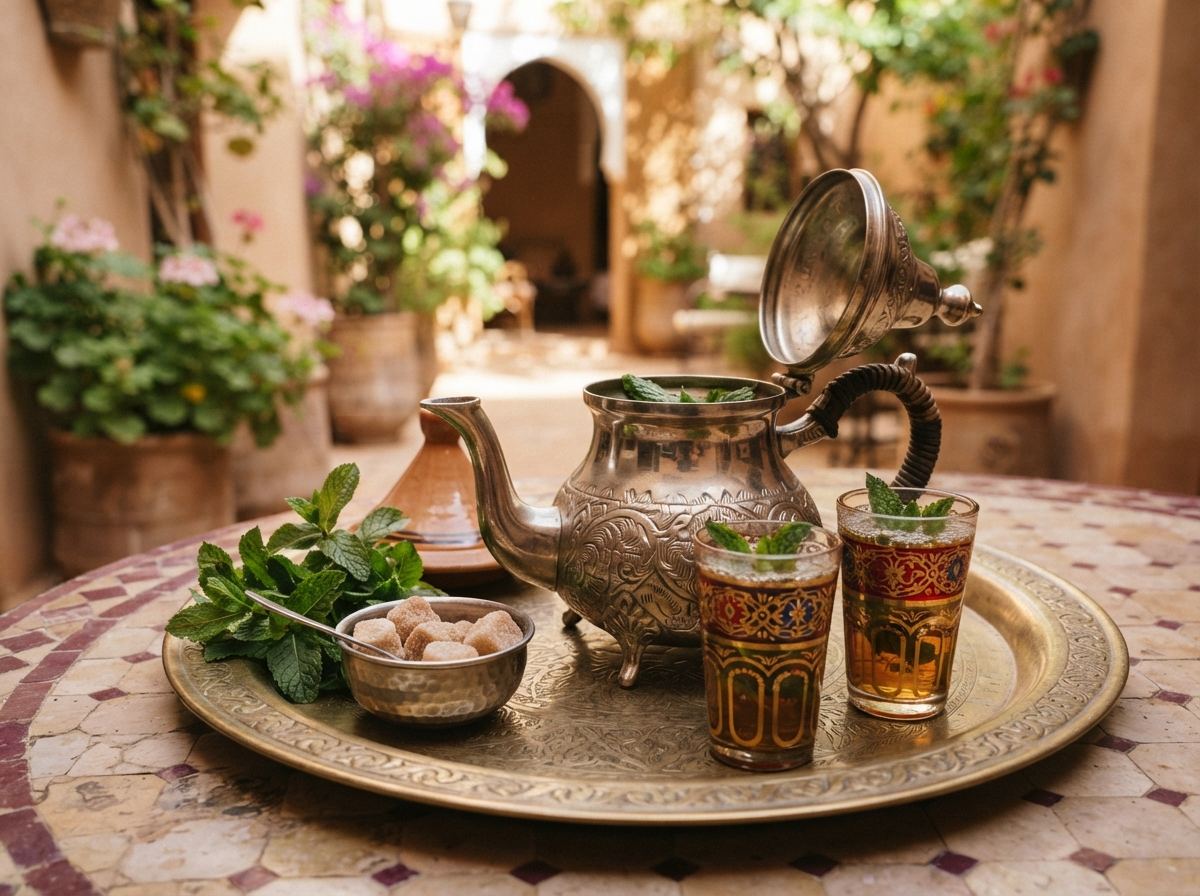
A swan-necked teapot: gunpowder tea, mint, and the pour that is a Moroccan welcome.
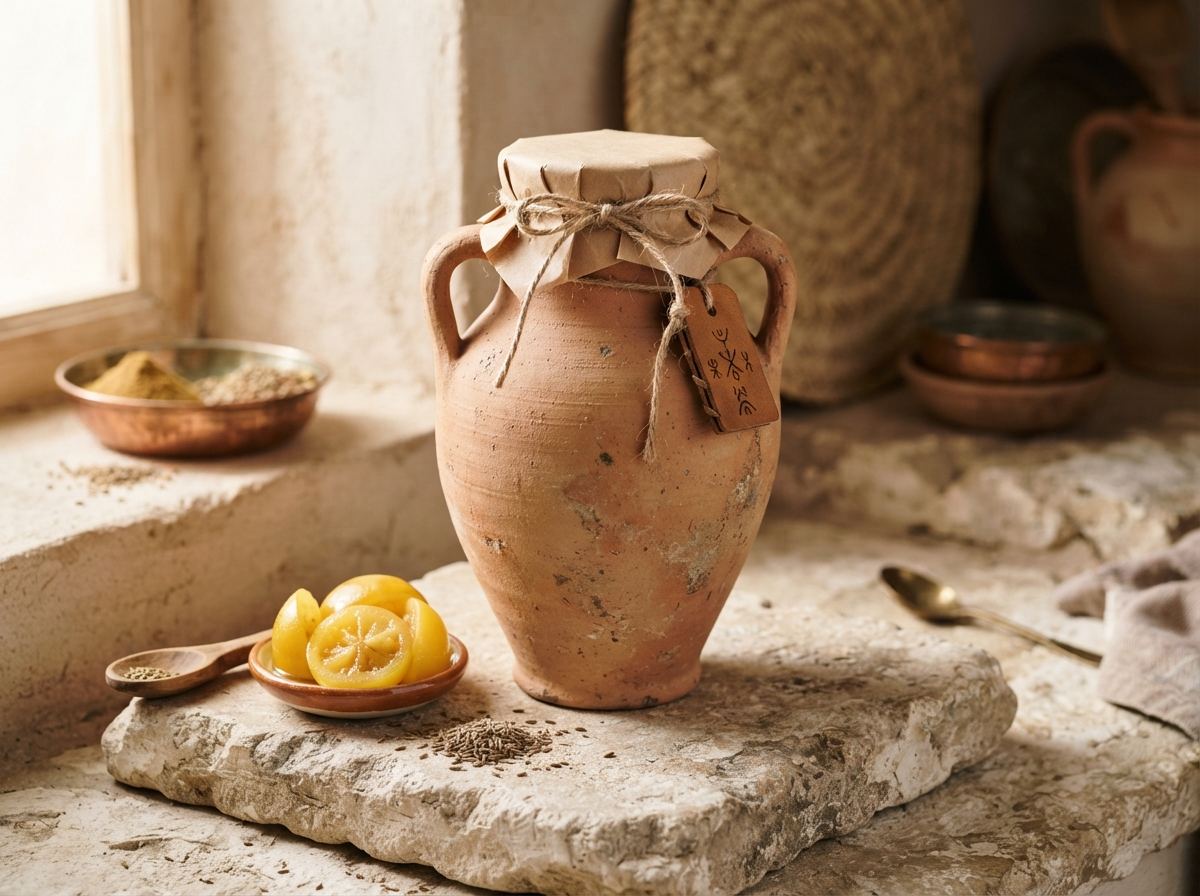
An urn of clay left in the ashes of a hammam furnace: Marrakech's overnight stew.
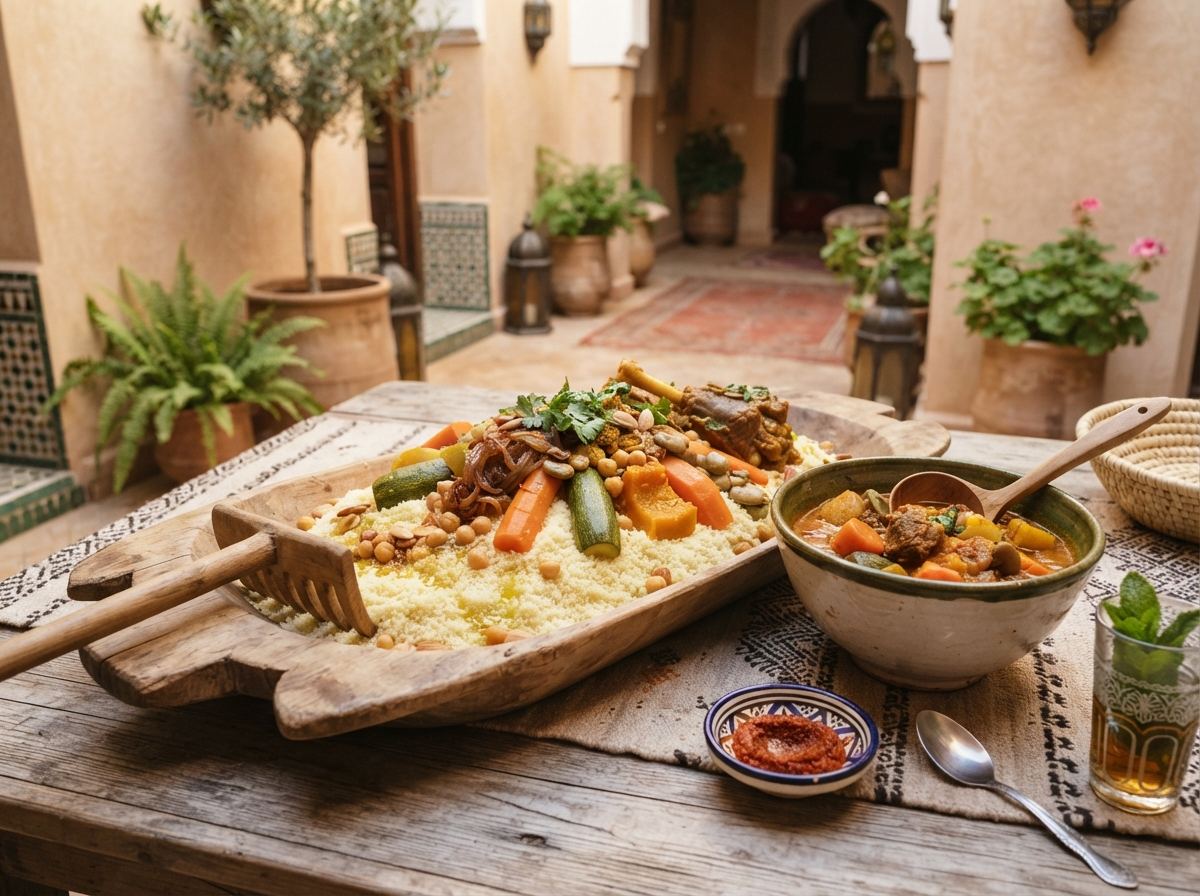
A wide wooden platter: couscous is steamed, then raked and buttered in the bowl it will be eaten from.
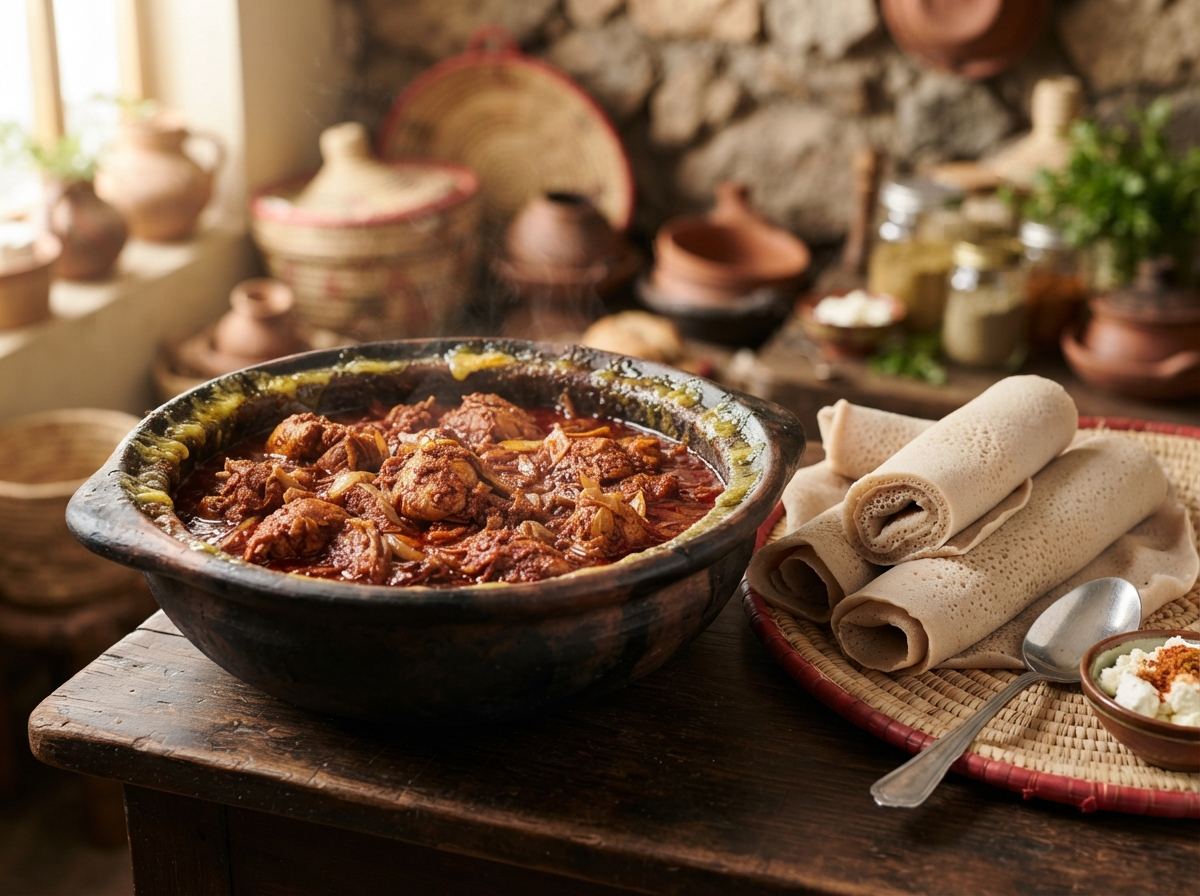
A wide, shallow stew pot: wat reduces in a circle while injera waits on the mitad.
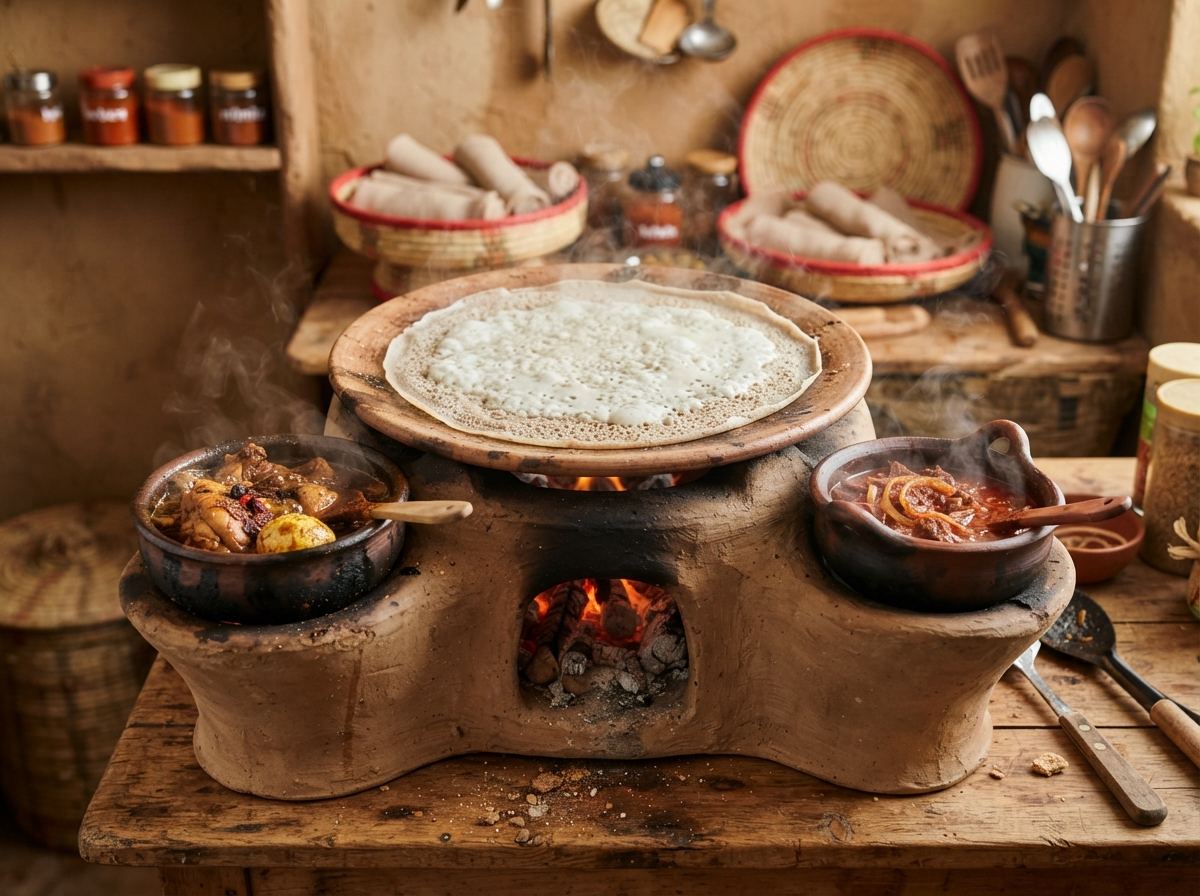
The clay stand under a mitad: three mouths of fire, and injera baked in a circle.
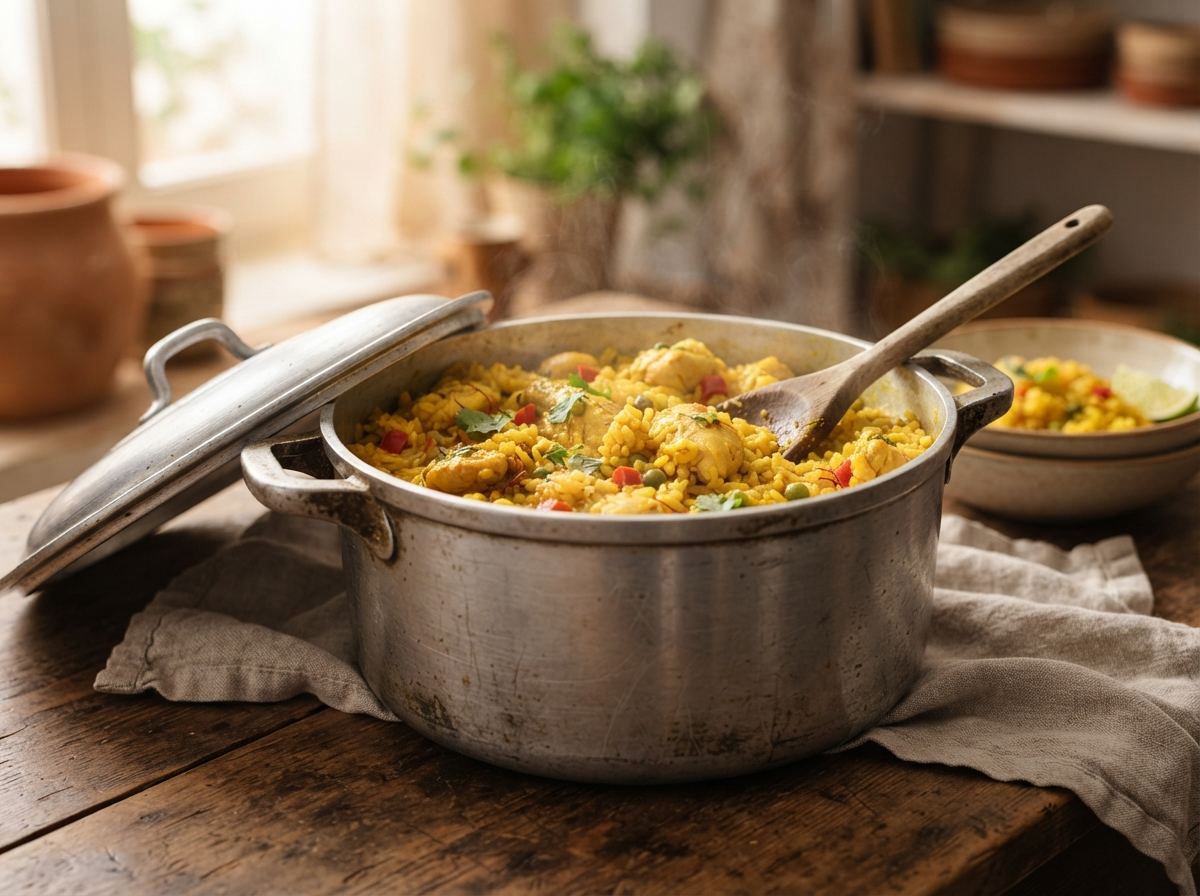
A heavy pot with a tight lid: rice, beans, and island stews that want a seal more than a show.
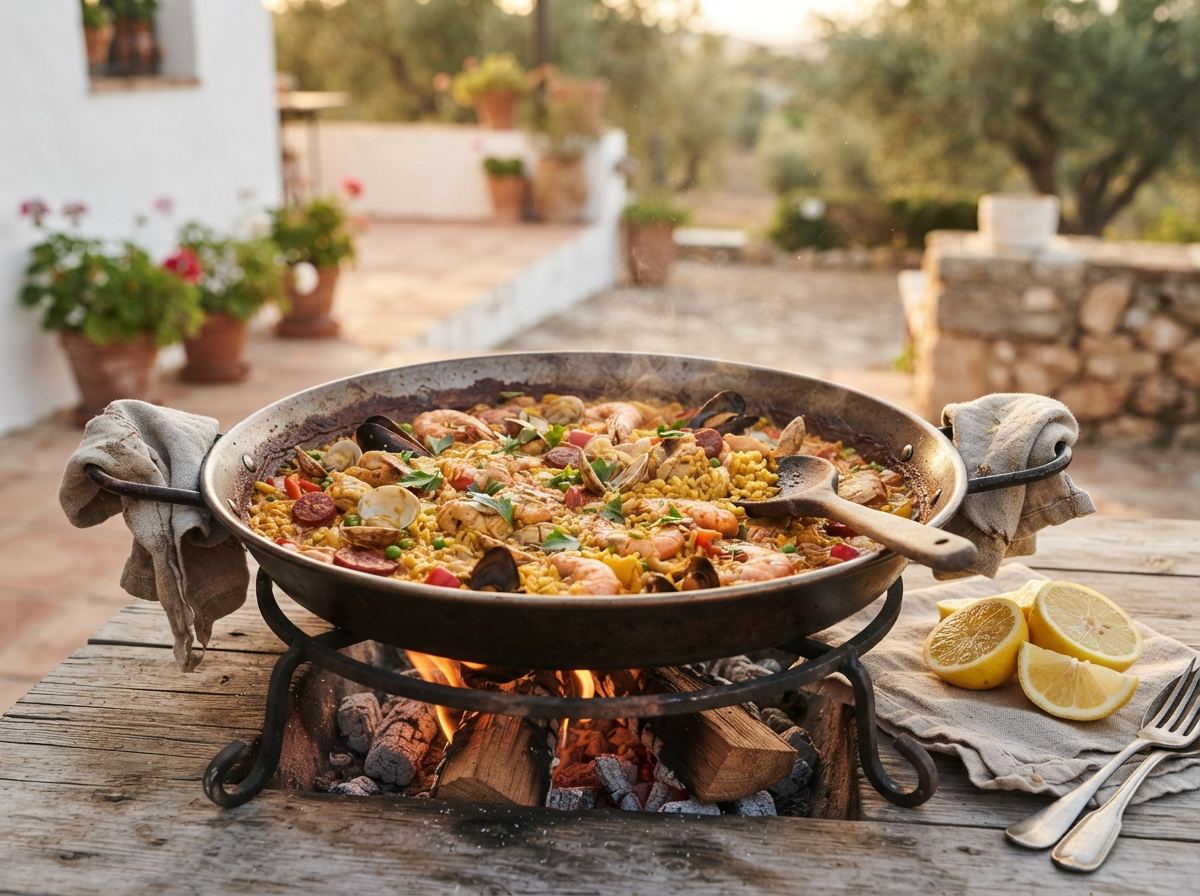
A wide, two-handled iron pot: festival rice cooked over a fire for a crowd.