
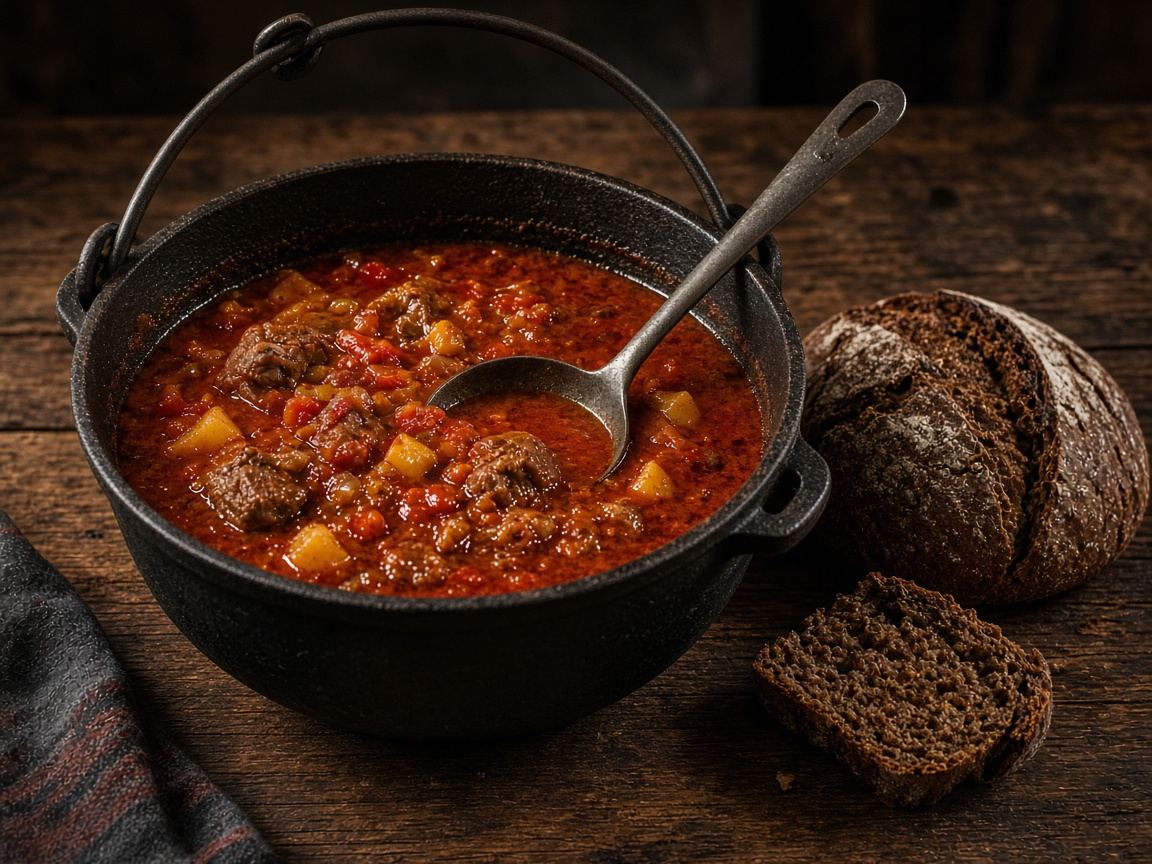
Cauldron
A deep iron pot over a fire: goulash, bigos, borscht, and enough soup to feed whoever came in from the cold.
The pots, disks, and ovens that make Eastern European food sound like itself — not a substitute skillet with the same recipe printed on top.
A cuisine is a shape of fire as much as a spice drawer. These are the vessels this kitchen still cooks in — the hearths of the country, with an Amazon search if you want to bring one home.
Back to Eastern European cooking · Open the Eastern European pantry · All cookware
A deep iron pot over a fire: goulash, bigos, borscht, and enough soup to feed whoever came in from the cold.
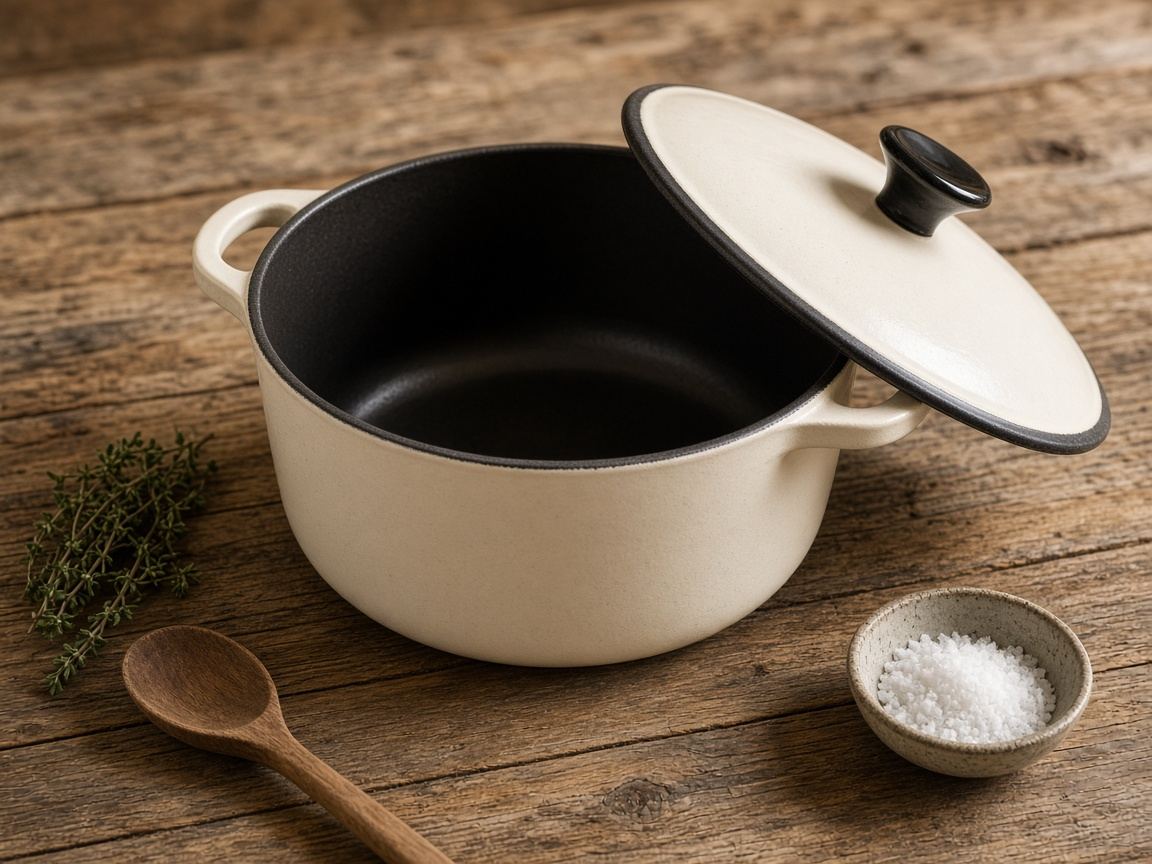
A heavy pot with a tight lid: the one the 30 books reach for when they do not name a country-specific hearth.
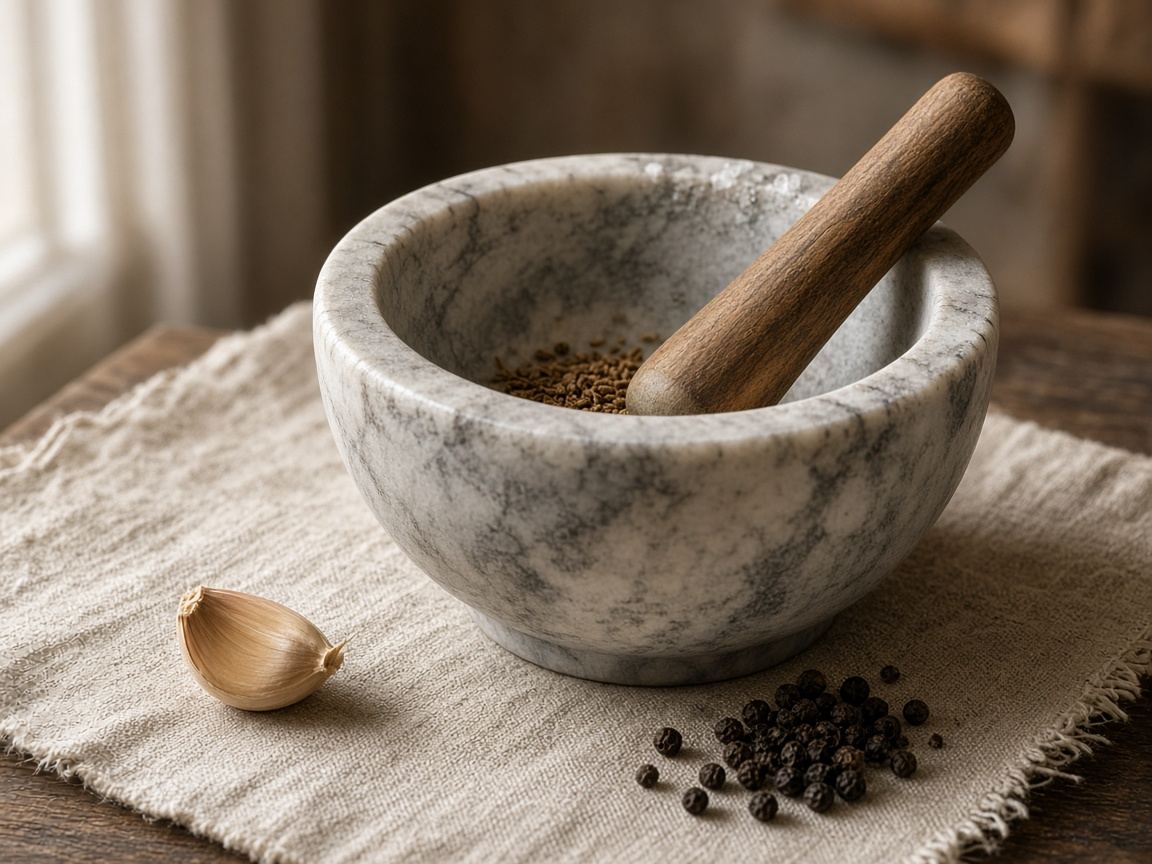
A bowl and a weight: salsa, pesto, and spice pastes that still taste of the stone they were born in.
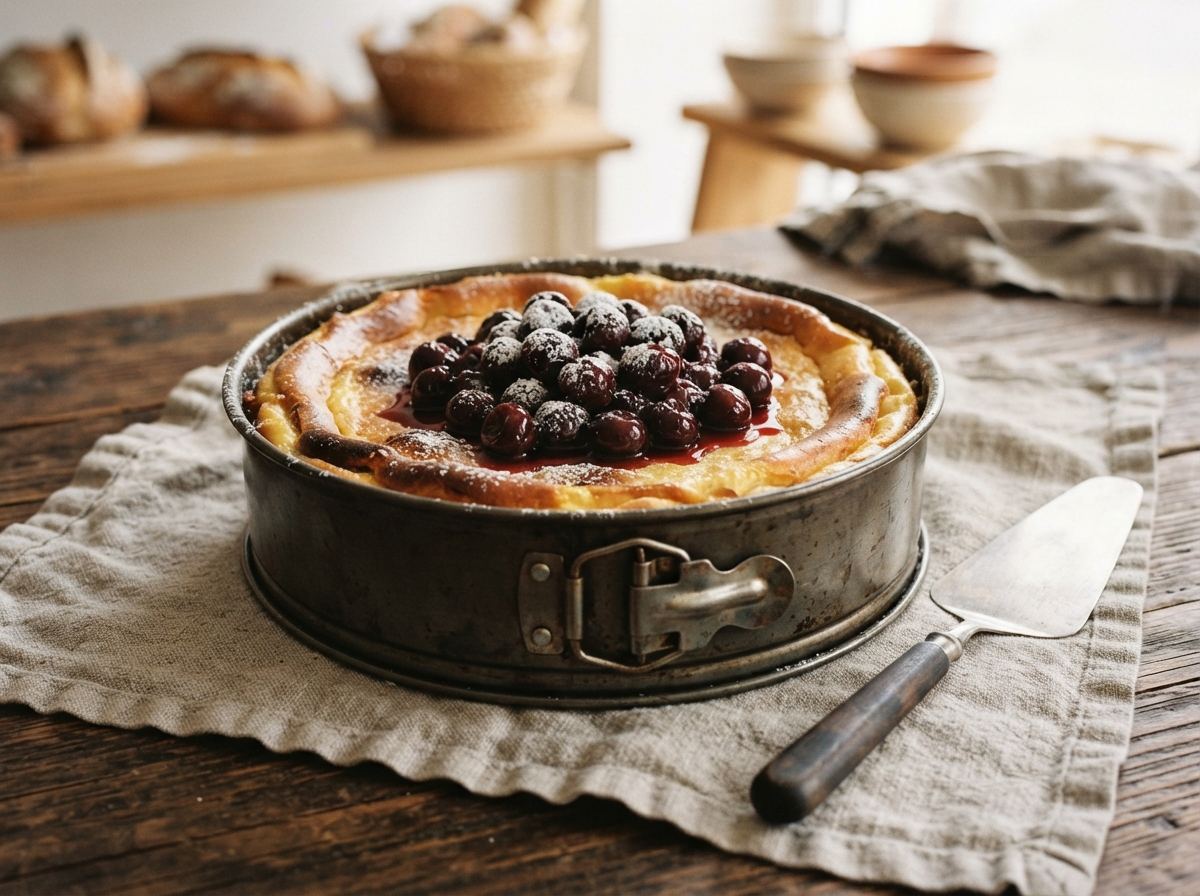
A cake tin with a latch: cheesecakes and tortes that leave the pan without breaking.
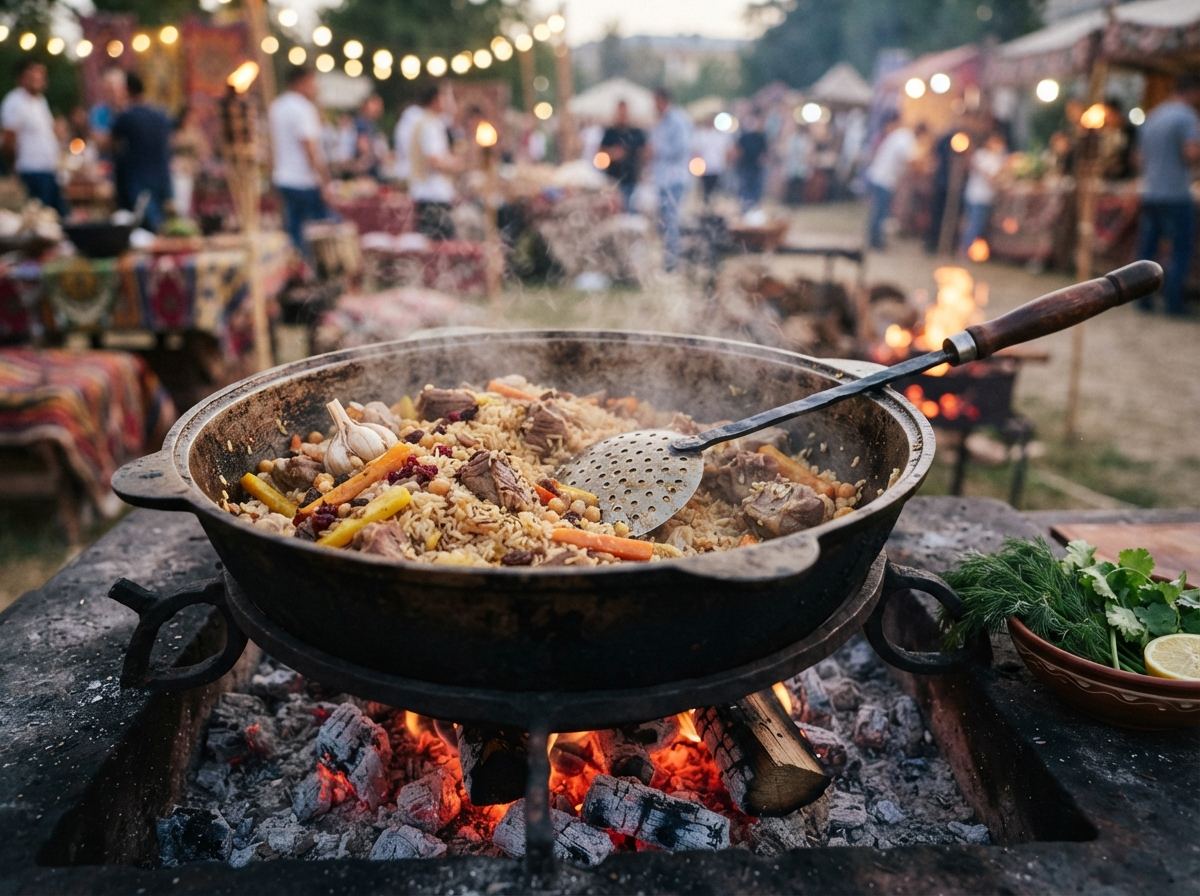
A wide, rounded iron pot: pilaf and festival stews cooked over an open fire.
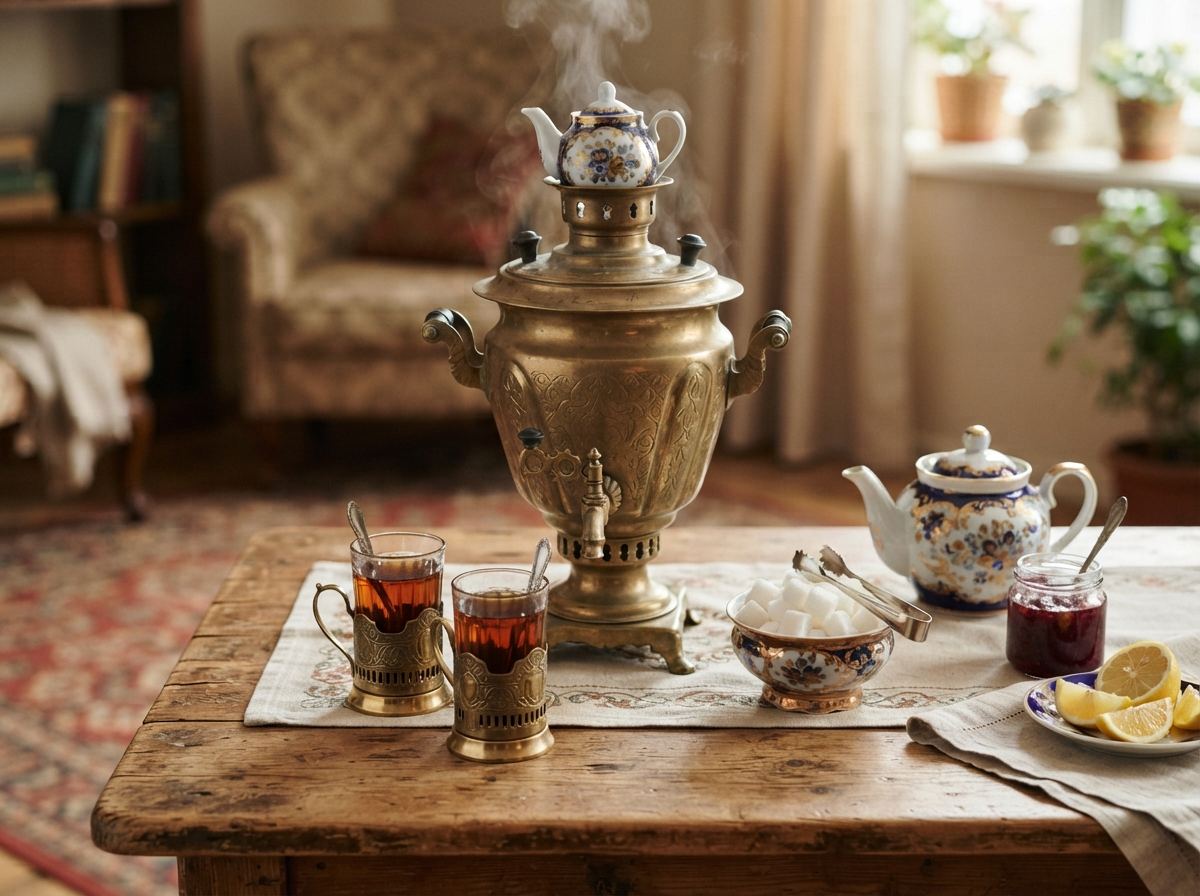
A self-boiling urn: tea concentrate kept hot while a whole afternoon pours from the same fire.
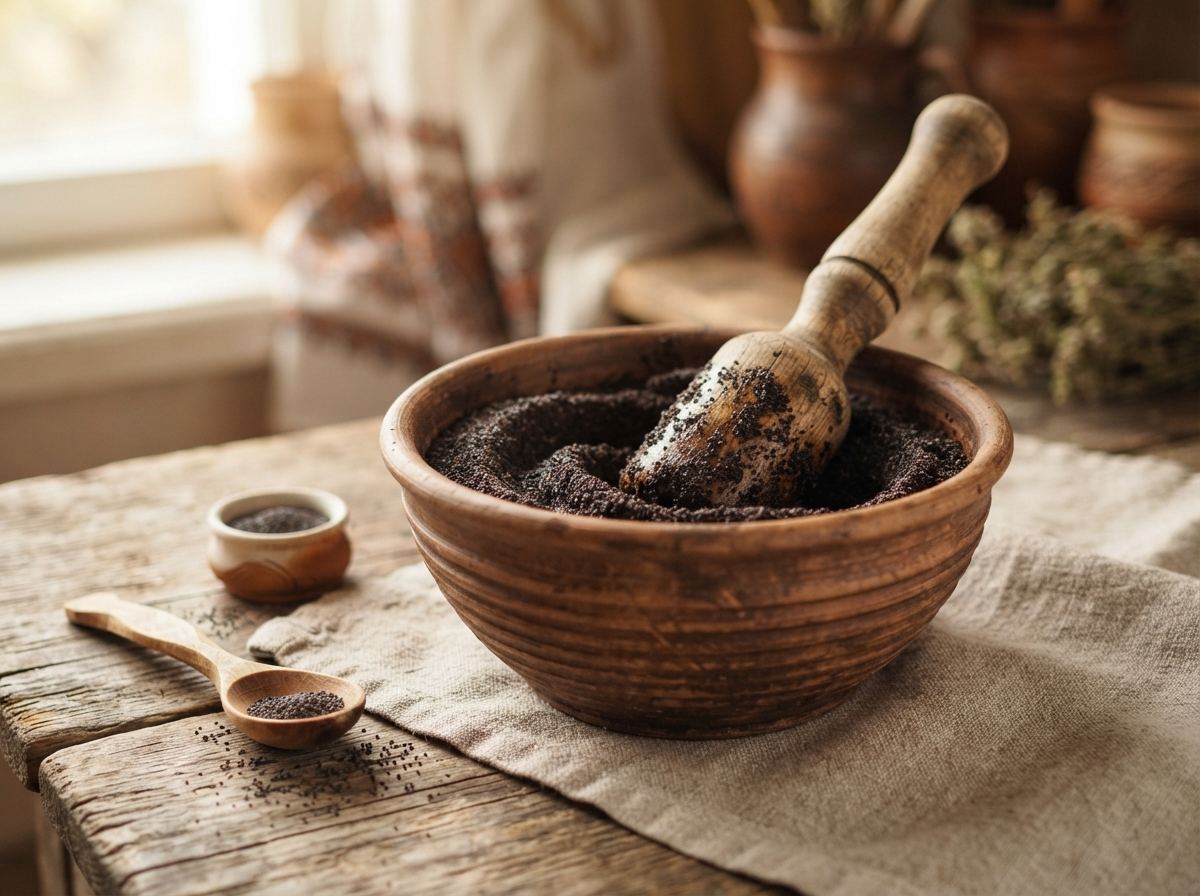
A ridged clay bowl: poppy seed, garlic, and holiday pastes ground for an Eastern European table.
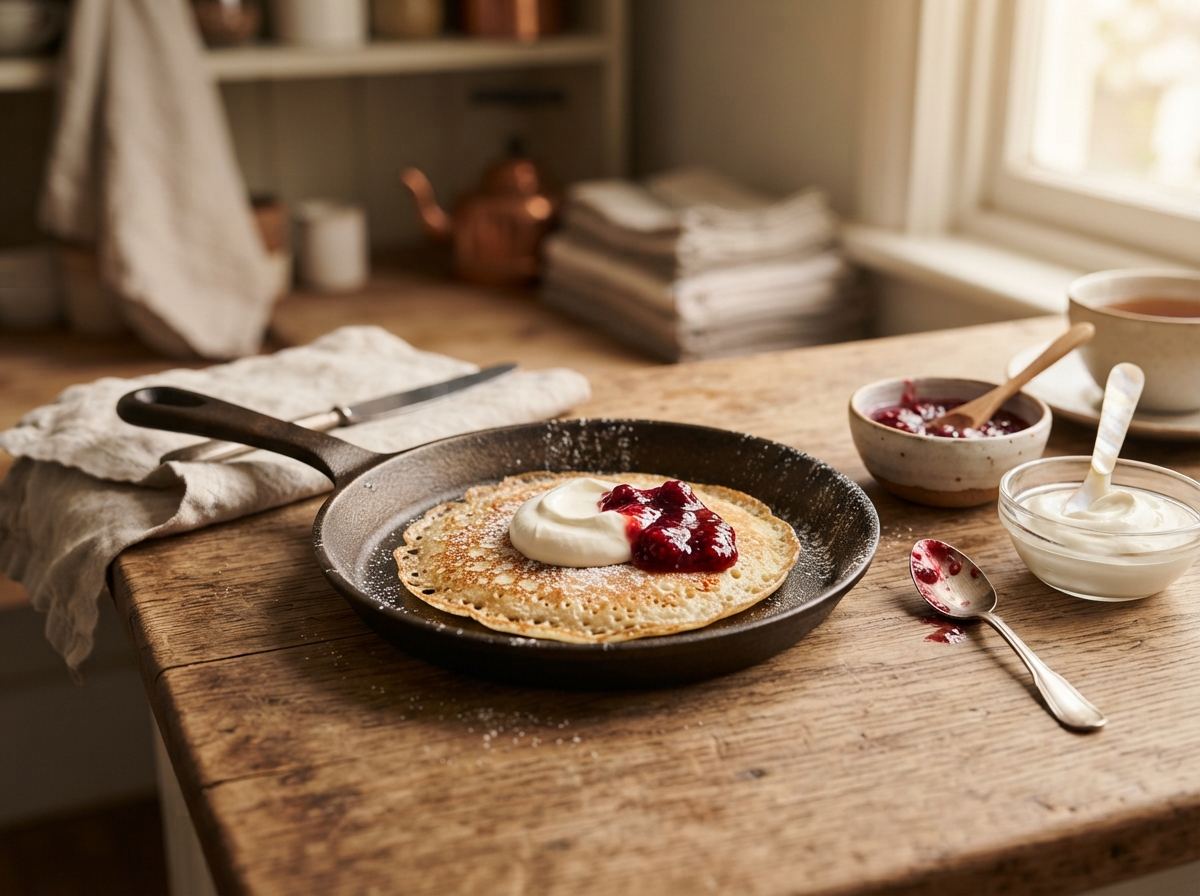
A small, low-sided pan: yeasted pancakes the size of a palm, cooked one or two at a time.
The spices, mixes, and hearths that belong to Eastern European cooking — then the people around them, and the kitchens still joining the table.
Open the Eastern European pantry Open Eastern European cookware The Eastern European table Host an Eastern European night Join the community