
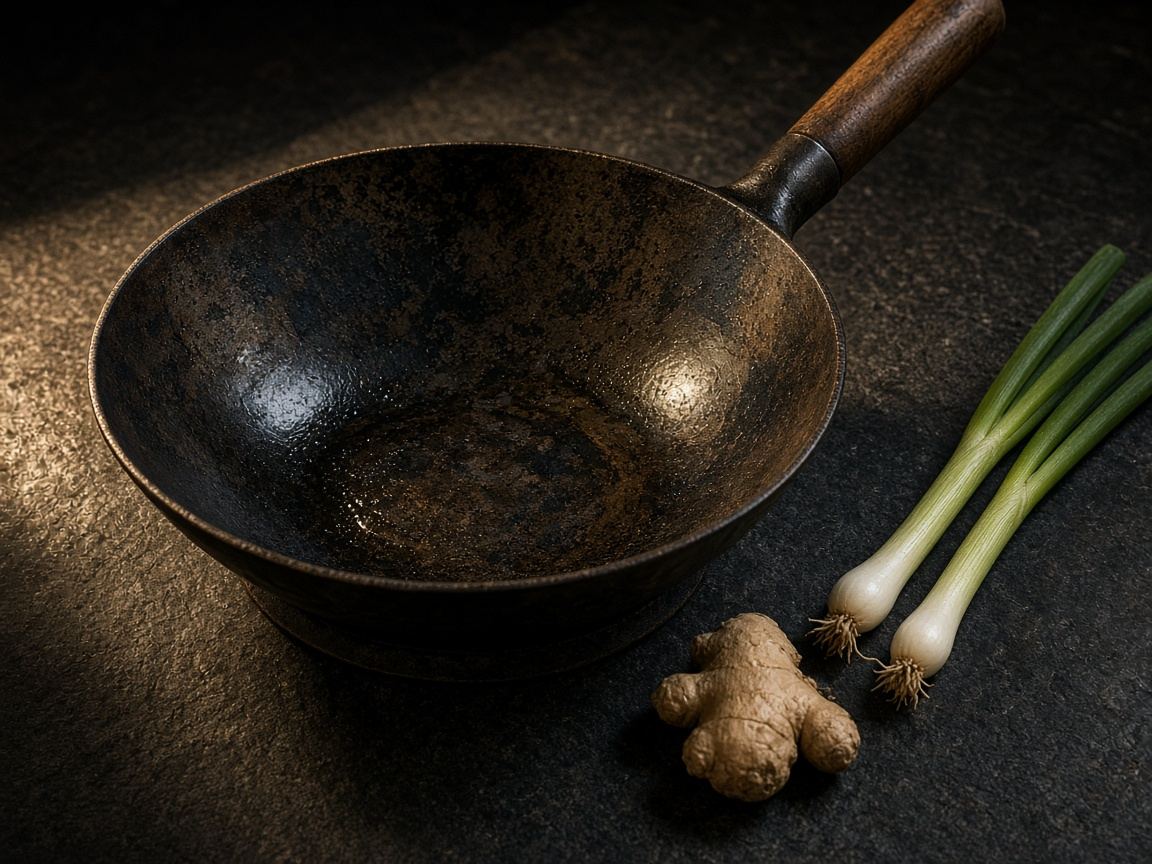
Wok
A round bowl of carbon steel: one pan for fire, steam, fry, and the toss that keeps a weeknight honest.
The pots, disks, and ovens that make Japanese food sound like itself — not a substitute skillet with the same recipe printed on top.
A cuisine is a shape of fire as much as a spice drawer. These are the vessels this kitchen still cooks in — the hearths of the country, with an Amazon search if you want to bring one home.
Back to Japanese cooking · Open the Japanese pantry · All cookware
A round bowl of carbon steel: one pan for fire, steam, fry, and the toss that keeps a weeknight honest.
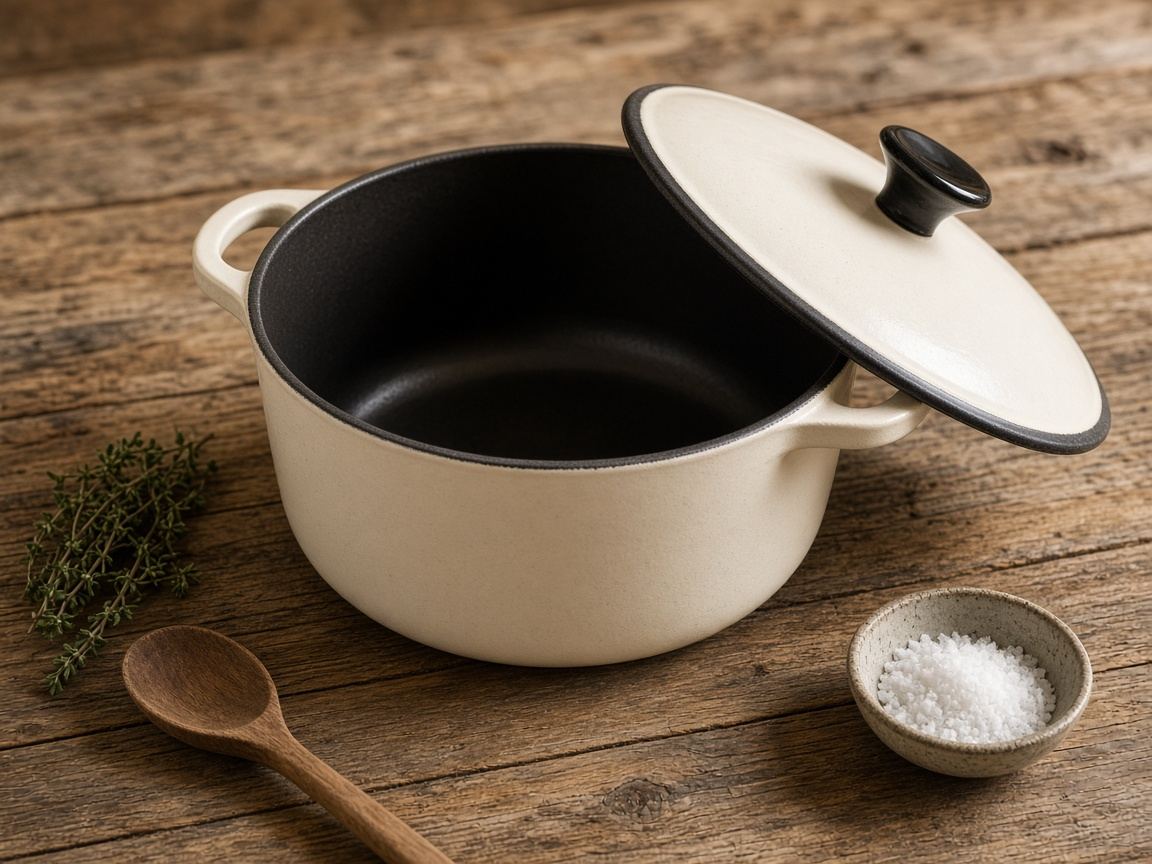
A heavy pot with a tight lid: the one the 30 books reach for when they do not name a country-specific hearth.
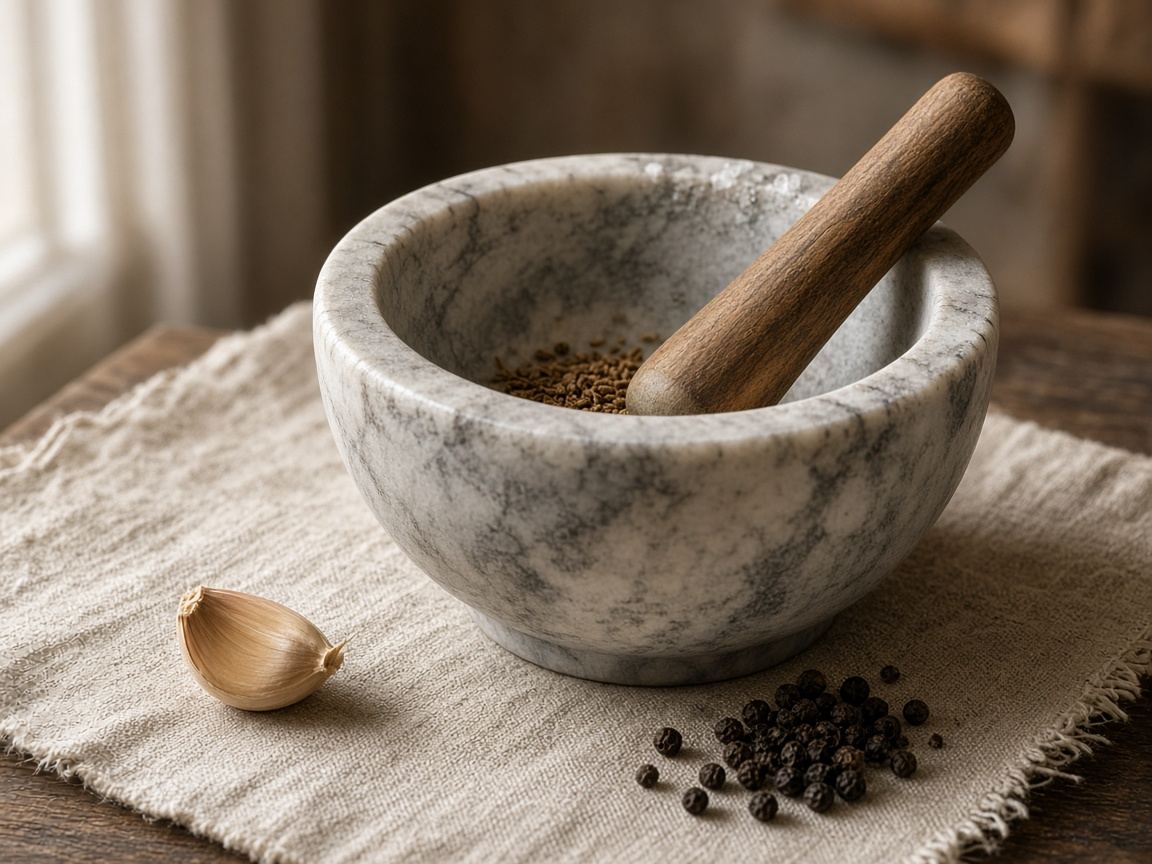
A bowl and a weight: salsa, pesto, and spice pastes that still taste of the stone they were born in.
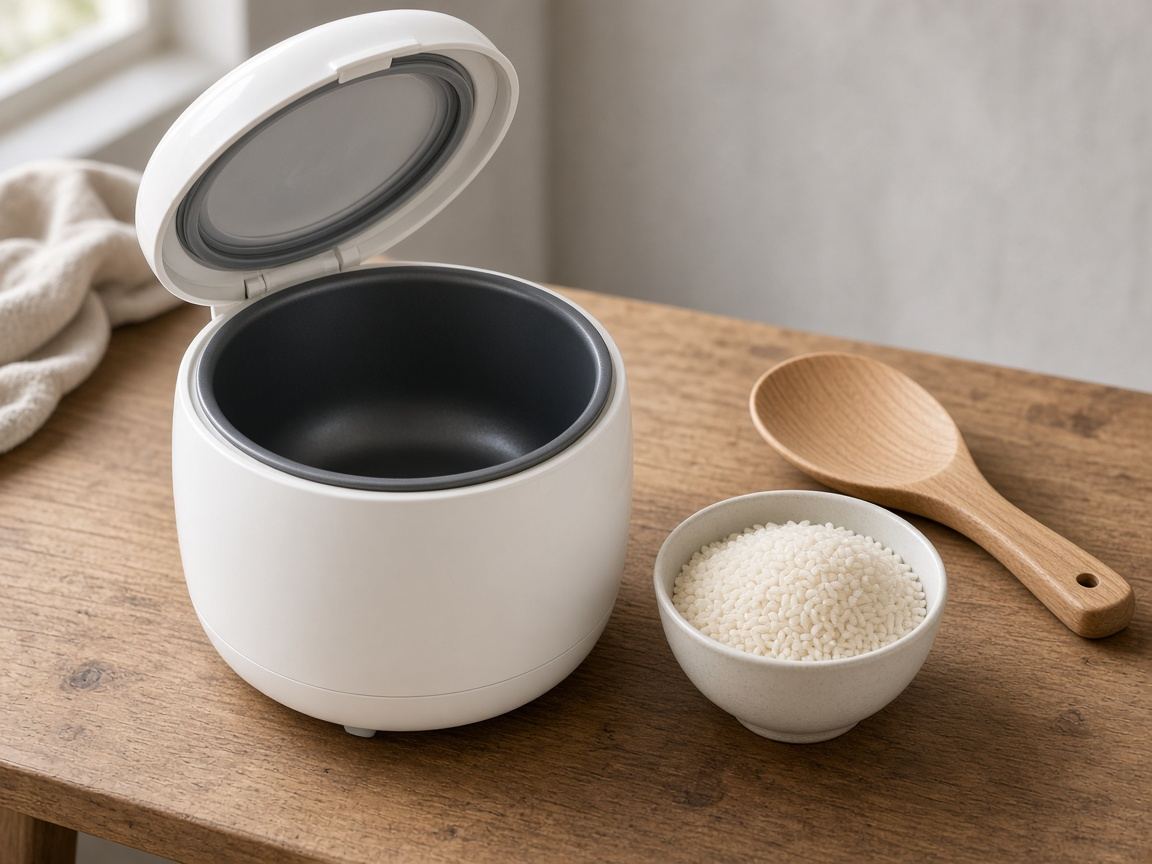
A pot that knows when the rice is done: the weekday hearth of Japanese, Korean, and Vietnamese houses in the series.
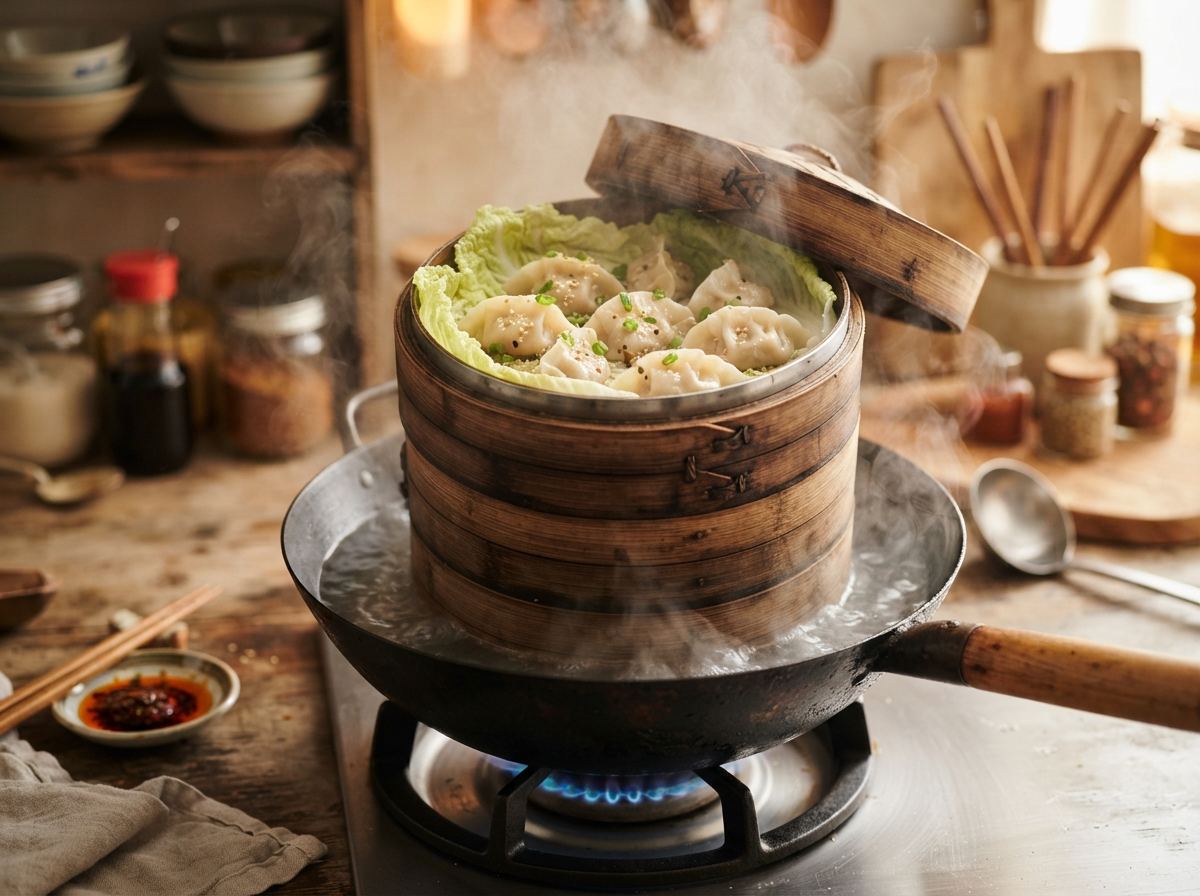
Stacked bamboo trays over a wok of water: dumplings, fish, and rice that cook in perfume instead of fat.
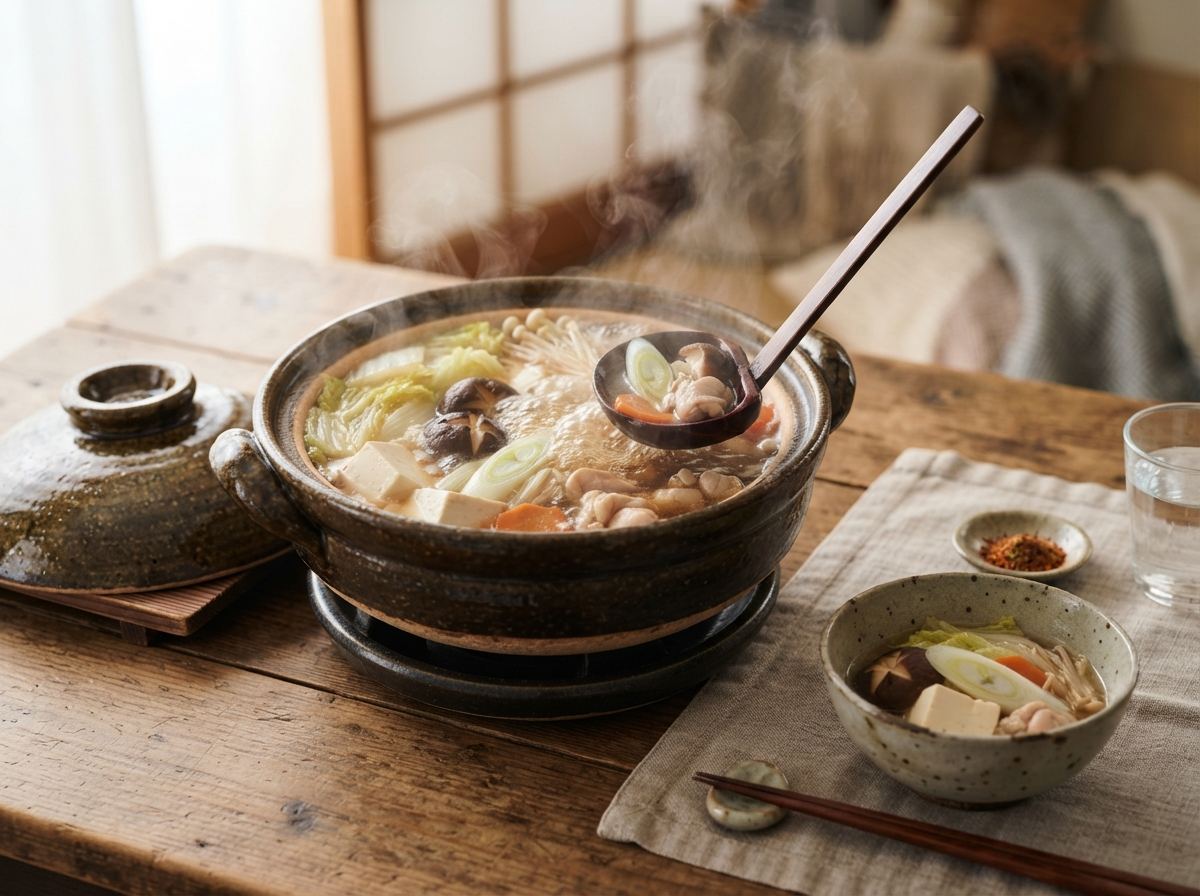
A lidded earthenware pot: nabe, rice, and winter meals that stay on the table while they cook.
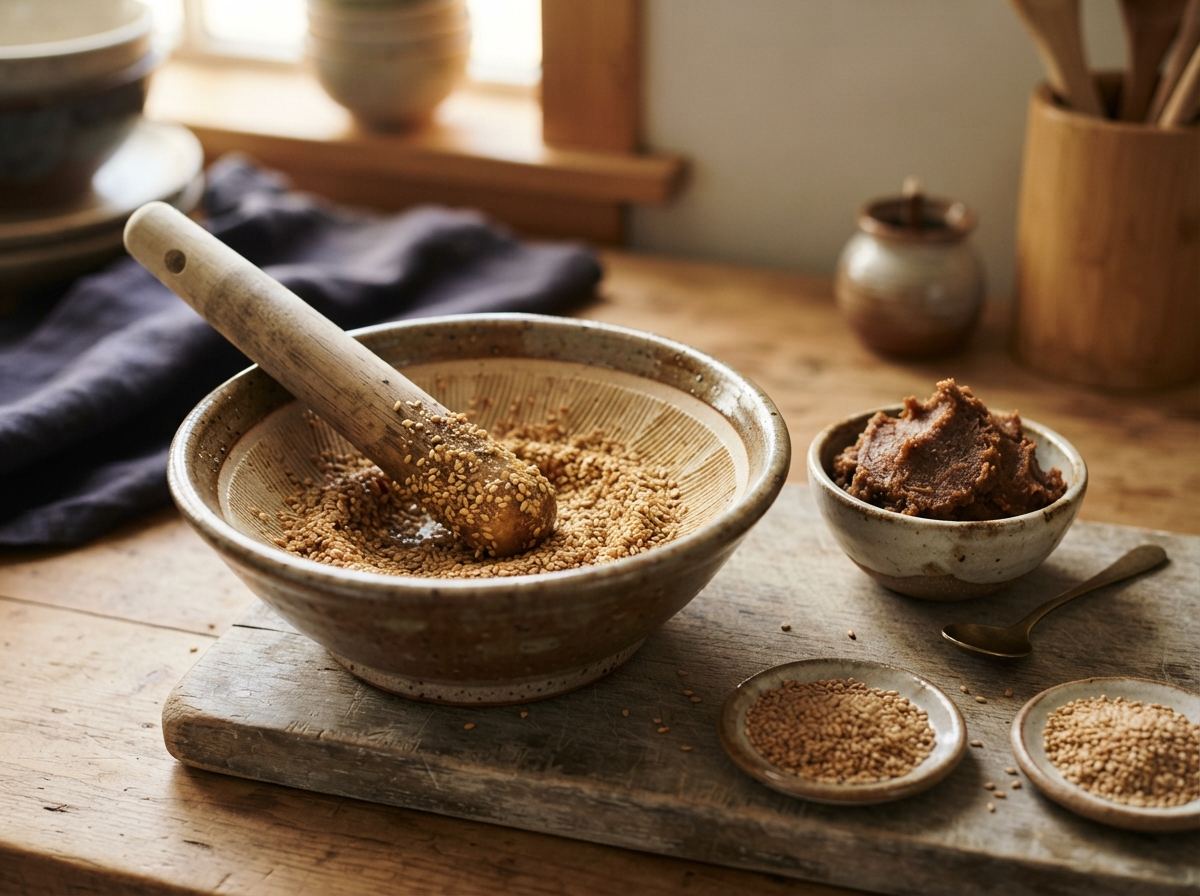
A ridged ceramic bowl and a wooden pestle: sesame, miso, and dressings that still taste of the grooves.
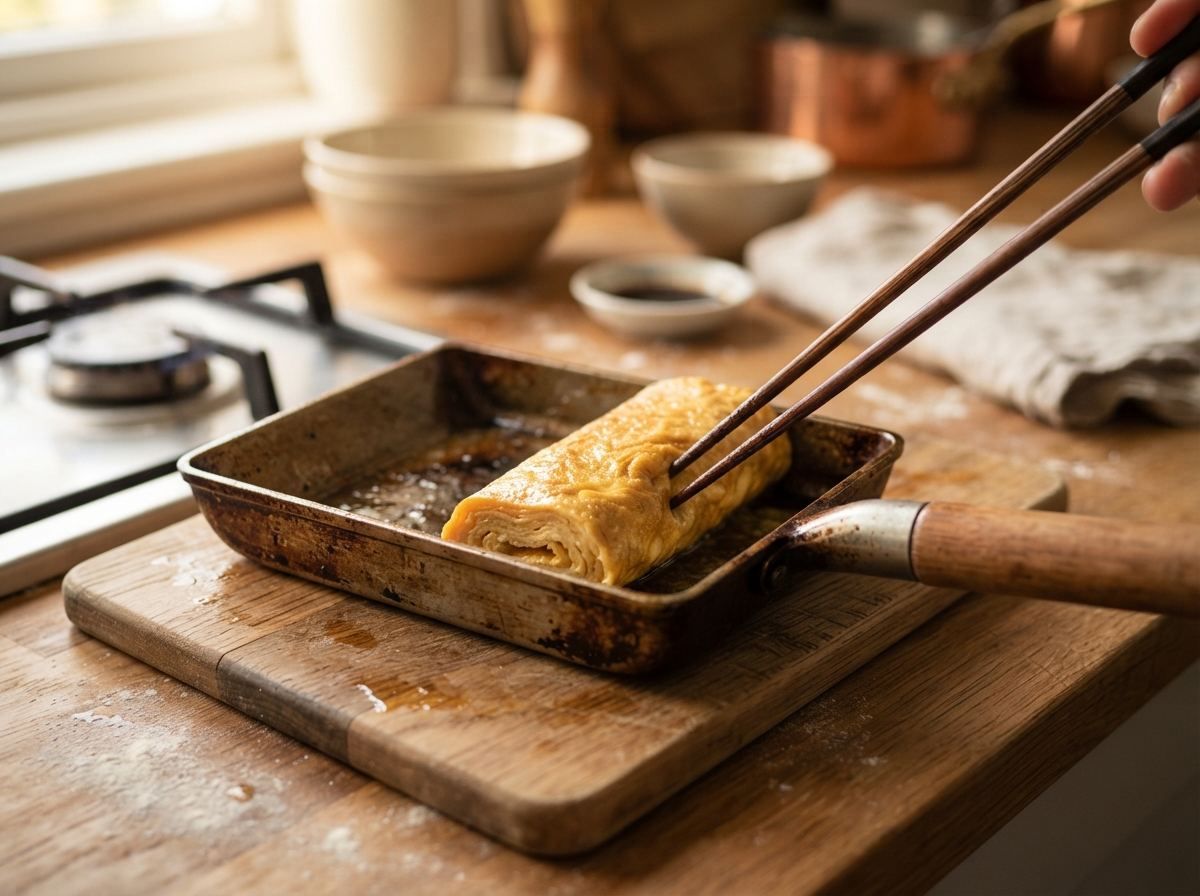
A rectangular omelette pan: rolled layers of egg that become a sweet-savory brick in a bento.
The spices, mixes, and hearths that belong to Japanese cooking — then the people around them, and the kitchens still joining the table.
Open the Japanese pantry Open Japanese cookware The Japanese table Host a Japanese night Join the community