
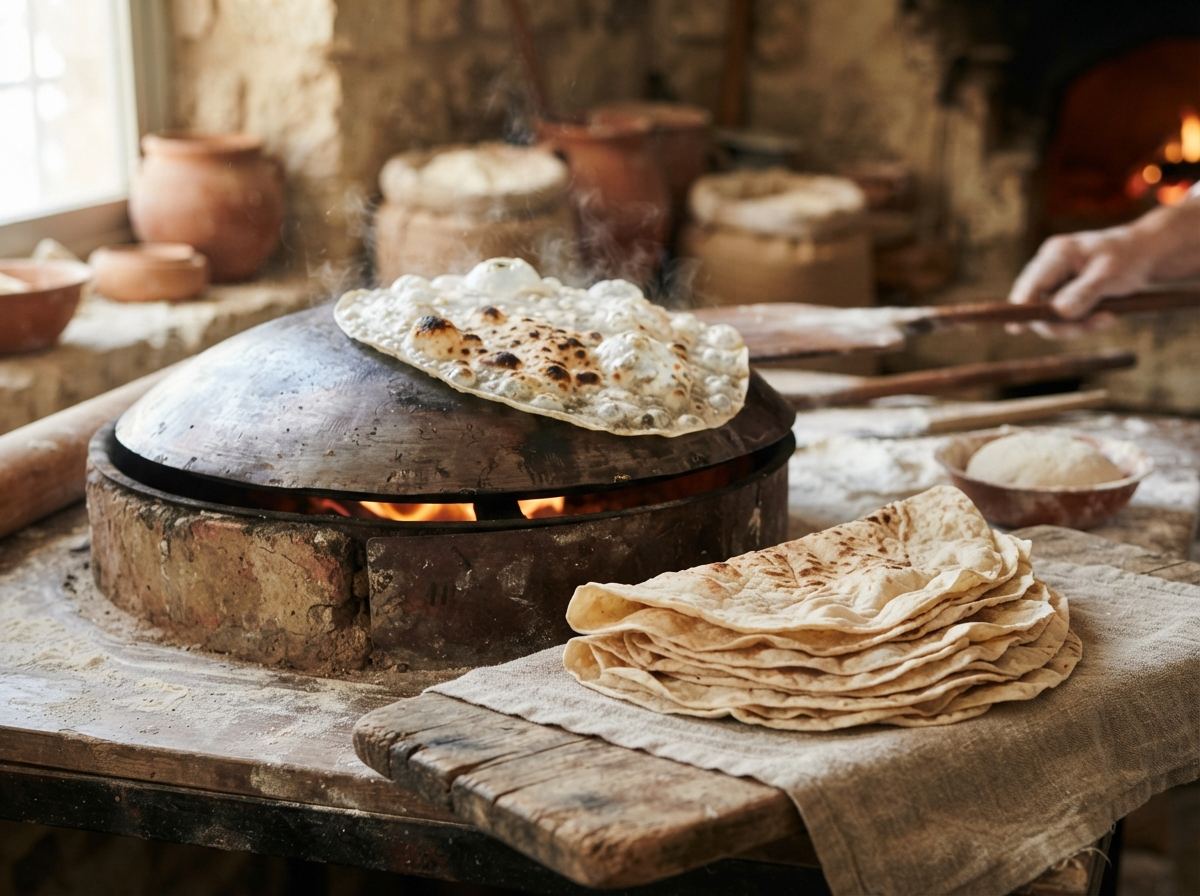
Saj
The dome griddle for manakish and markouk.
A Lebanese meal can be a mezze of many small plates — hummus, tabbouleh, and kibbeh belong together. Manakish is breakfast.
Mezze is the table: hummus, tabbouleh, kibbeh nayyeh or fried kibbeh, olives, pickles, bread, oil. That stack is correct. Zaatar manakish is a morning saj or oven bread with tea.
The inherited table is a crowd of small dishes. The newer table can be only manakish.
Back to Lebanese cooking · Host a Lebanese night · Pantry · Cookware
Small plates, olive oil, pita or markouk, a crowd of hands.
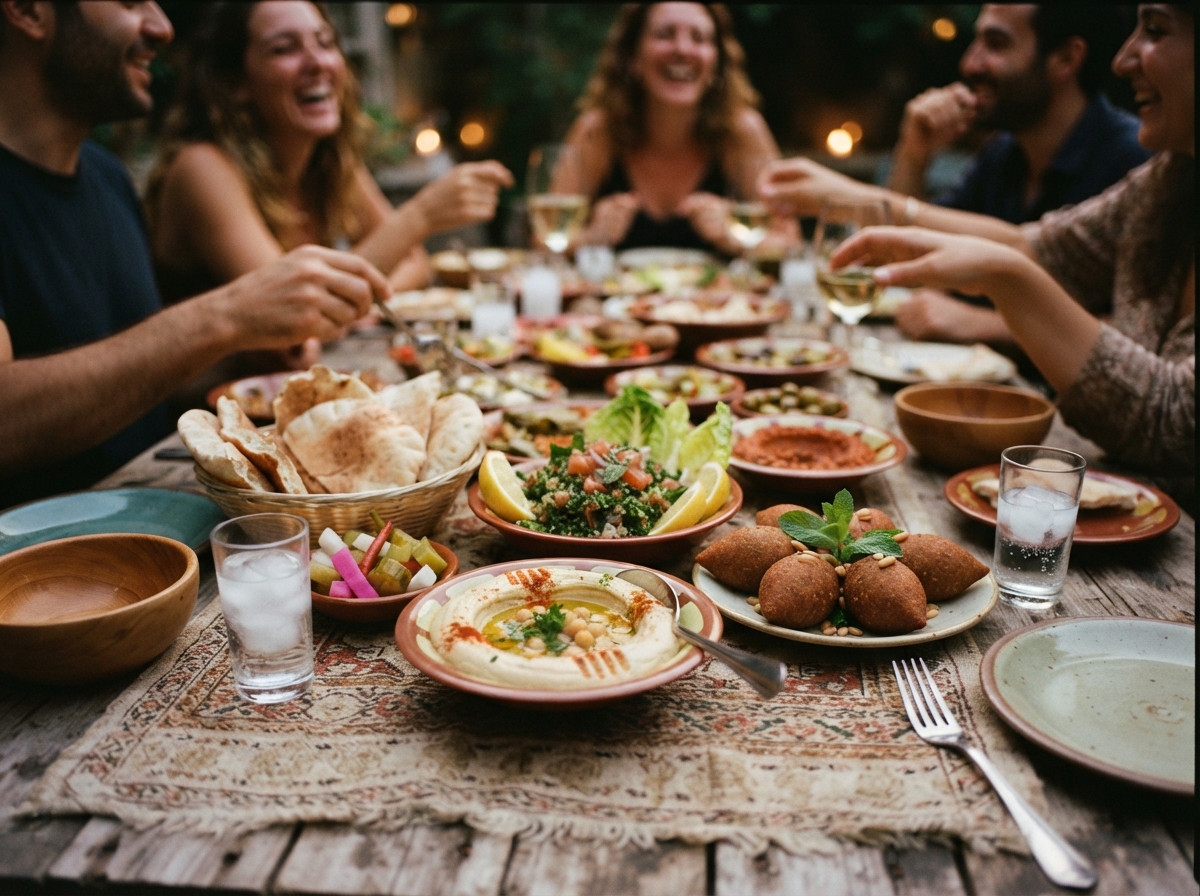
The inherited table is mezze. Dips, herbs, raw kibbeh if you trust the meat, pickles, radish. Arak if the night is long.
Zaatar bread, tea, maybe cucumbers and olives.
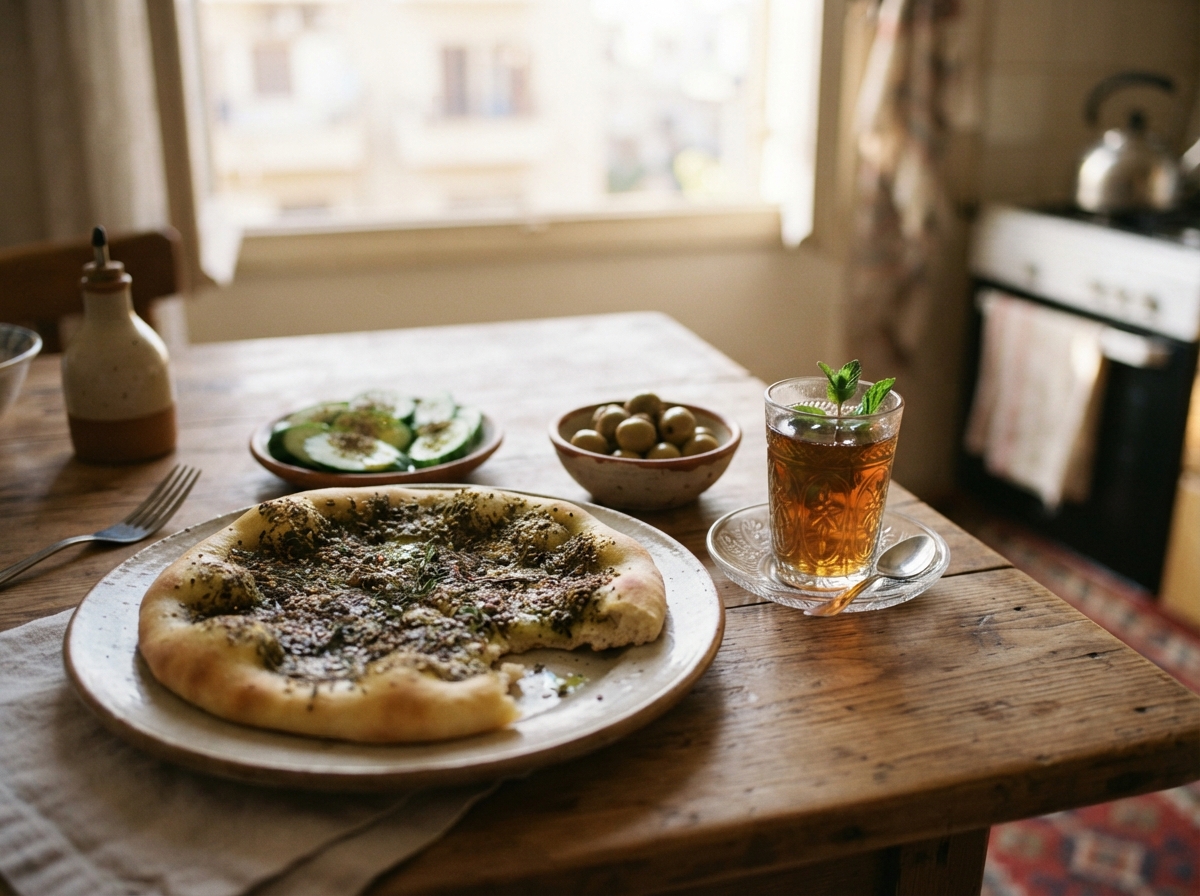
The newer morning is manakish from the saj. Tea. A few olives. The full mezze can wait for evening.
Many small plates for mezze. Manakish keeps the morning to bread and tea.
Unlike a couscous-and-soup pile, mezze is meant to be many. Hummus, tabbouleh, and kibbeh share the cloth. Bread is the utensil.
Manakish is breakfast or a snack. It does not need a mezze spread unless you turned the morning into a gathering.
Objects you can read about here, then find on Amazon — search links, not a single SKU that goes stale.
The dome griddle for manakish and markouk.
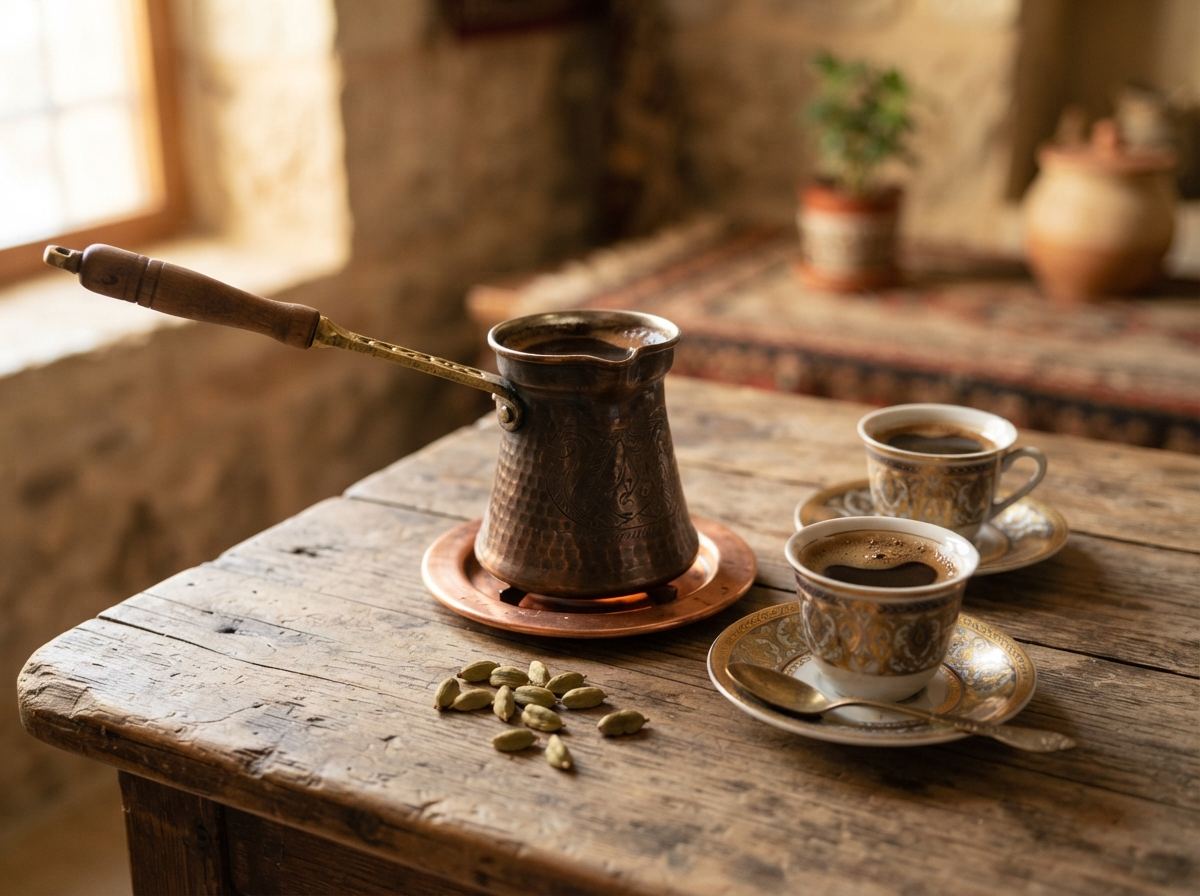
The long-handled coffee pot.
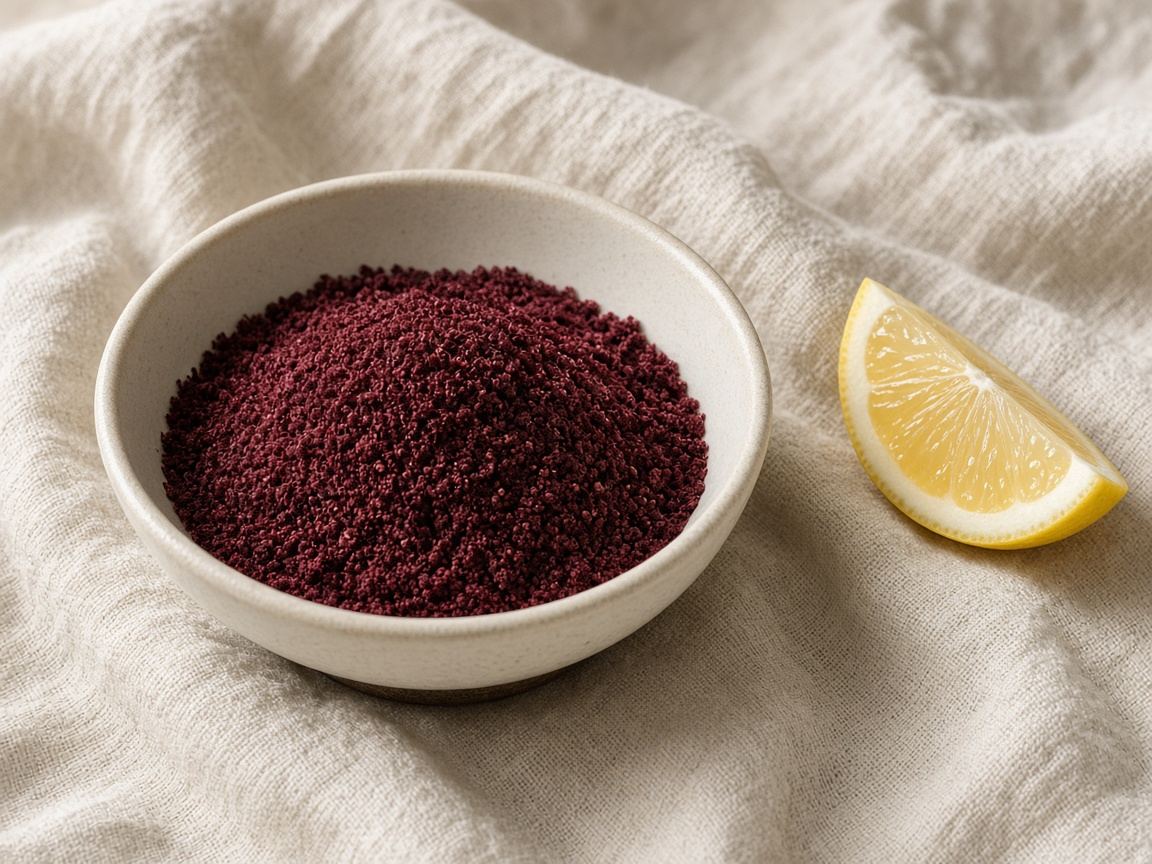
On the tabbouleh and the onions.
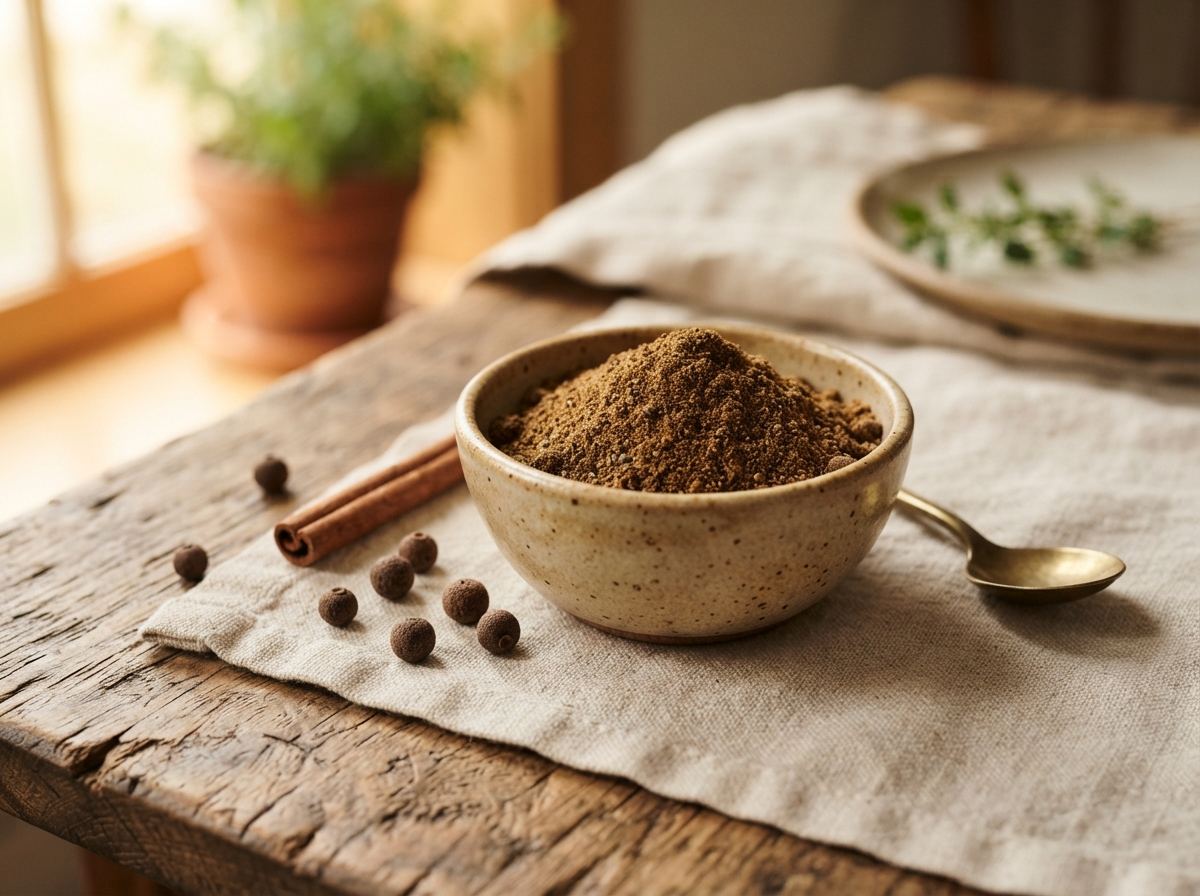
In the kibbeh.
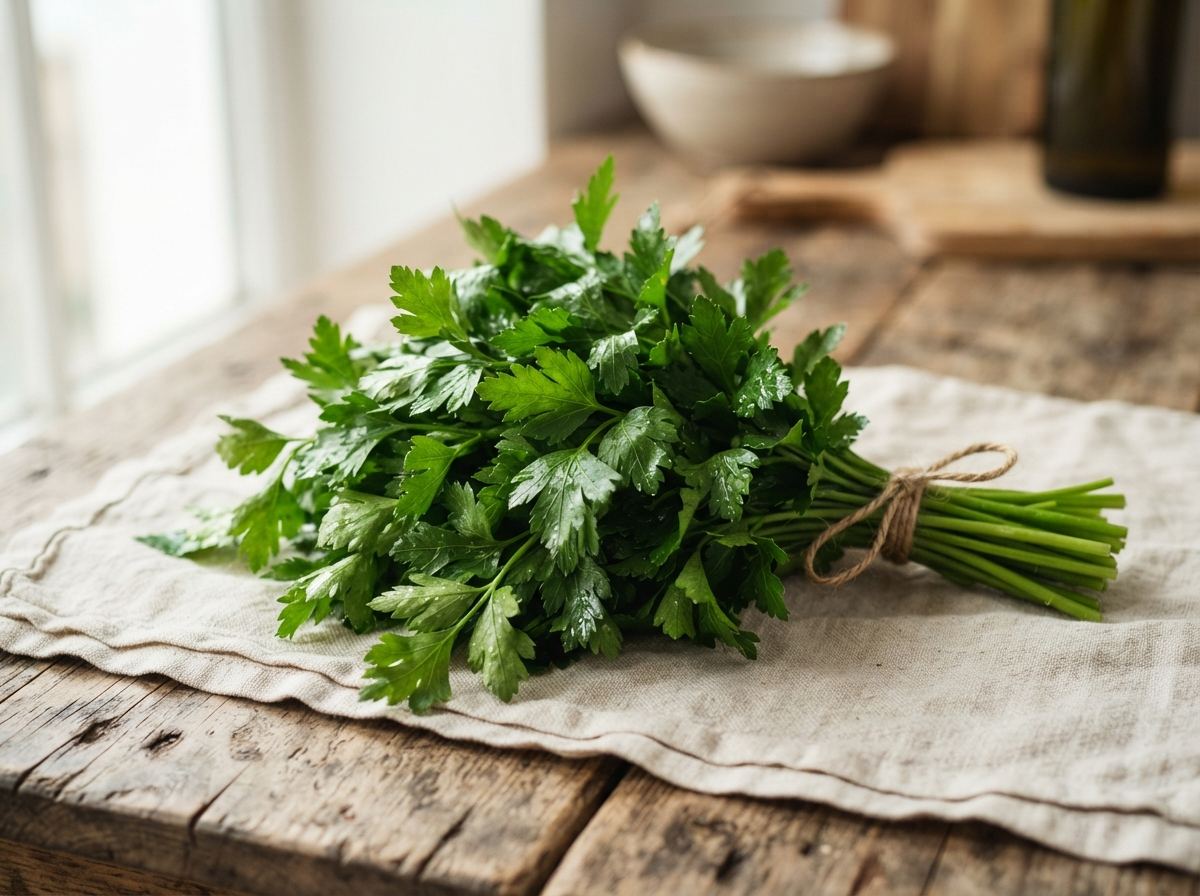
The body of tabbouleh — more herb than grain.
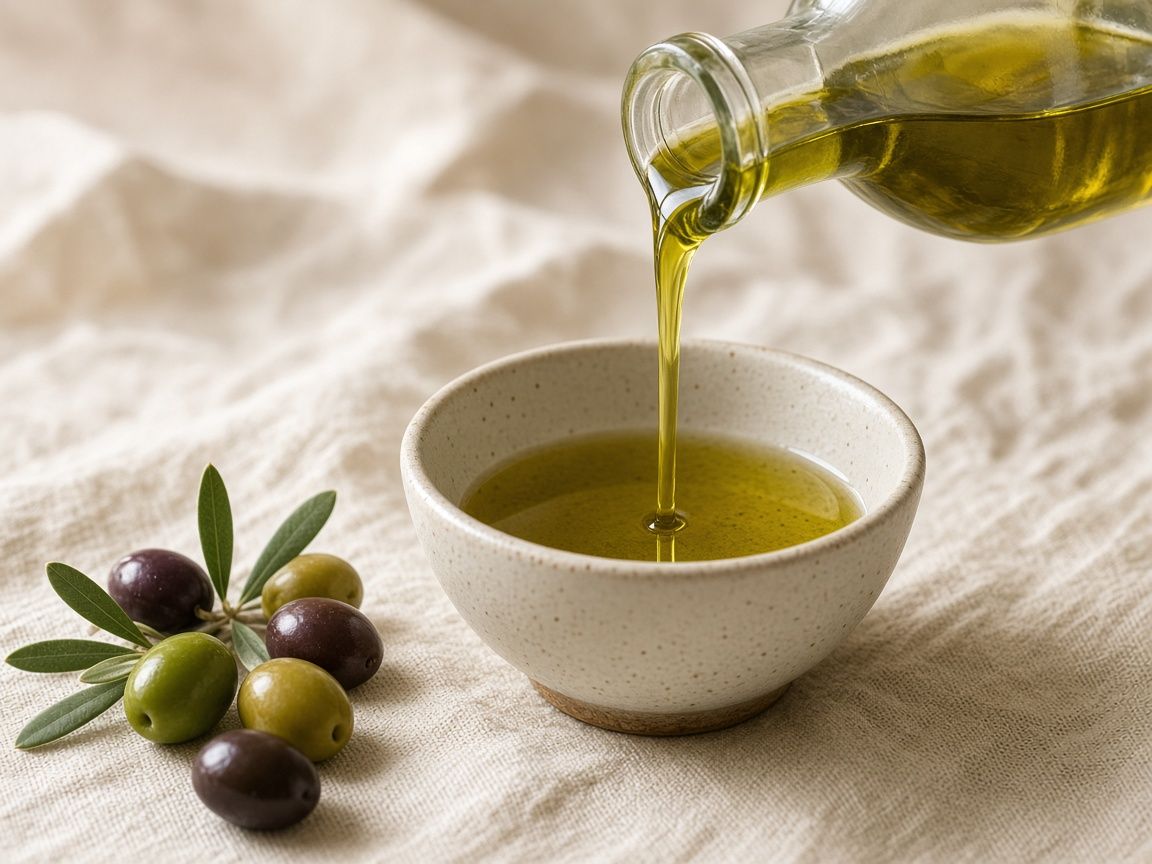
Poured on hummus in a well.
The spices, mixes, and hearths that belong to Lebanese cooking — then the people around them, and the kitchens still joining the table.
Open the Lebanese pantry Open Lebanese cookware The Lebanese table Host a Lebanese night Join the community