
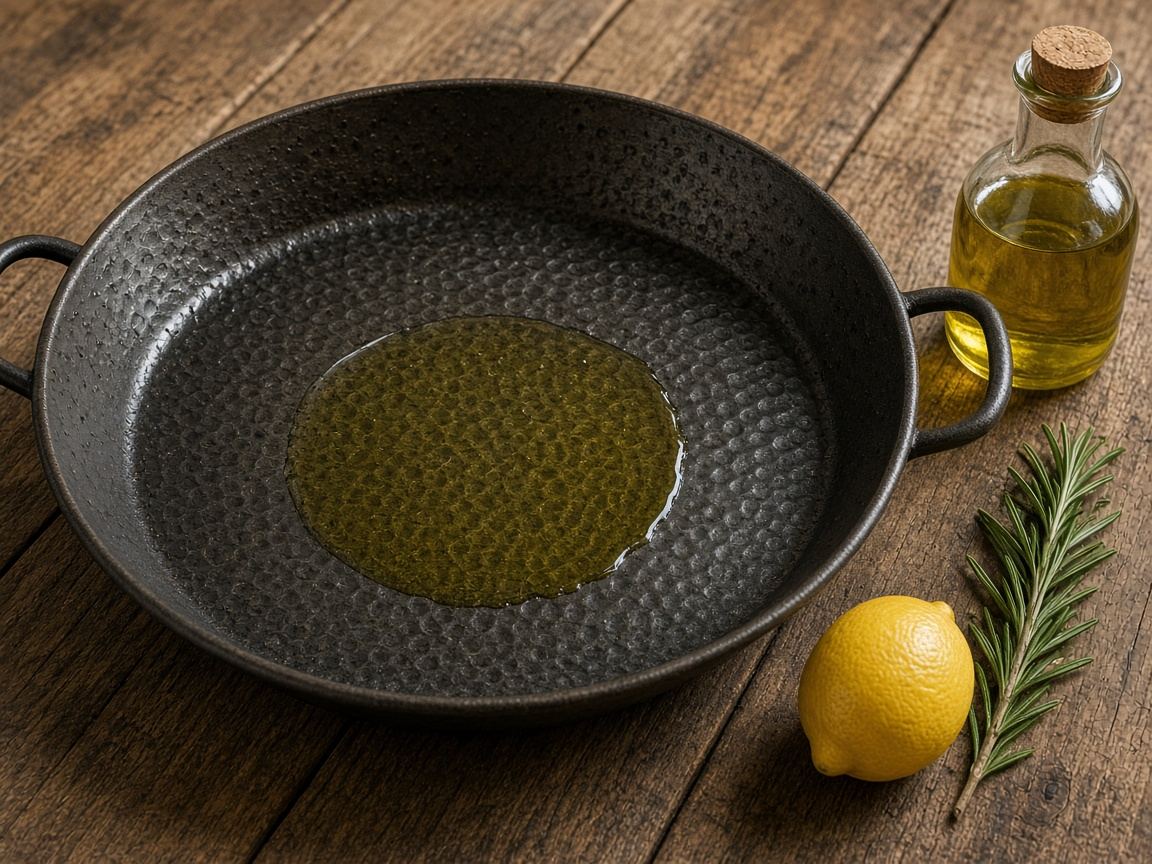
Paella pan
A wide, shallow steel disk: rice in a thin layer, socarrat at the bottom, and enough handle for two people to carry lunch to the table.
The pots, disks, and ovens that make Portuguese food sound like itself — not a substitute skillet with the same recipe printed on top.
A cuisine is a shape of fire as much as a spice drawer. These are the vessels this kitchen still cooks in — the hearths of the country, with an Amazon search if you want to bring one home.
Back to Portuguese cooking · Open the Portuguese pantry · All cookware
A wide, shallow steel disk: rice in a thin layer, socarrat at the bottom, and enough handle for two people to carry lunch to the table.
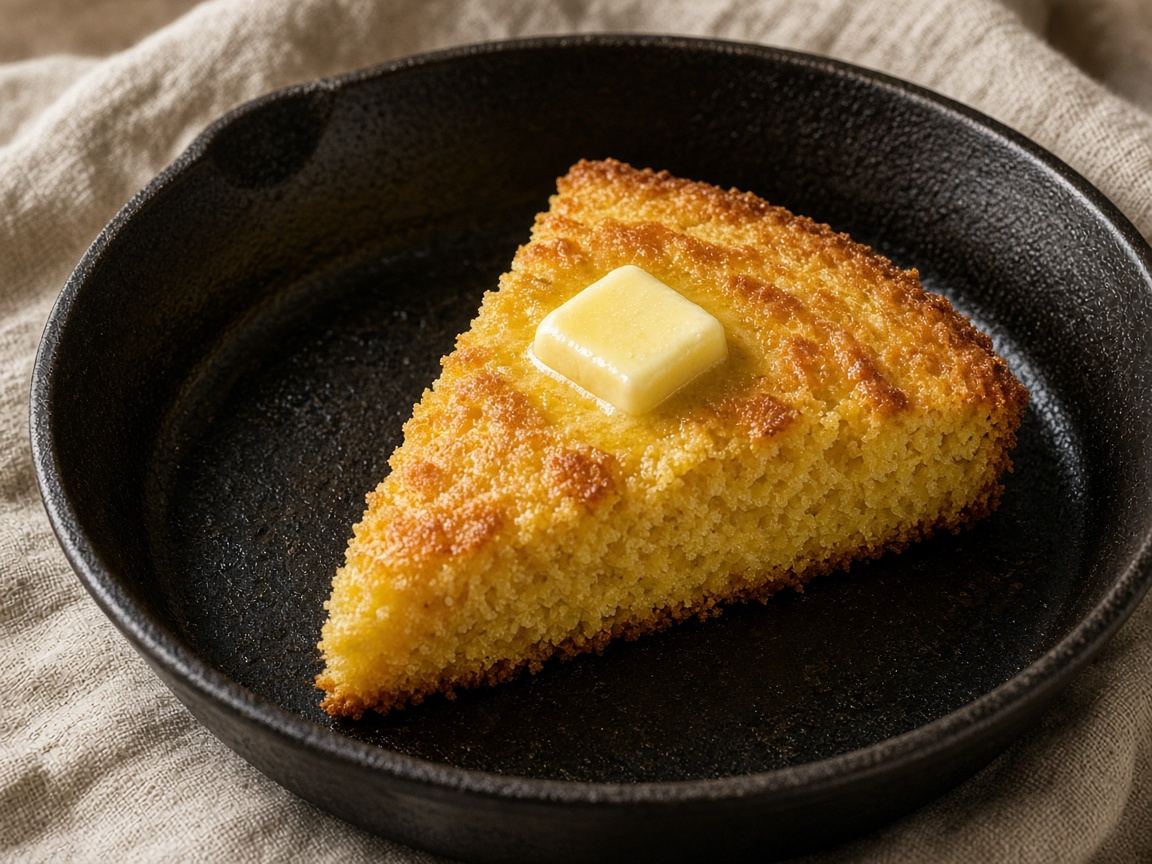
A black iron pan that outlives its cook: cornbread, a chop, and the weekday that starts with a loud hiss.
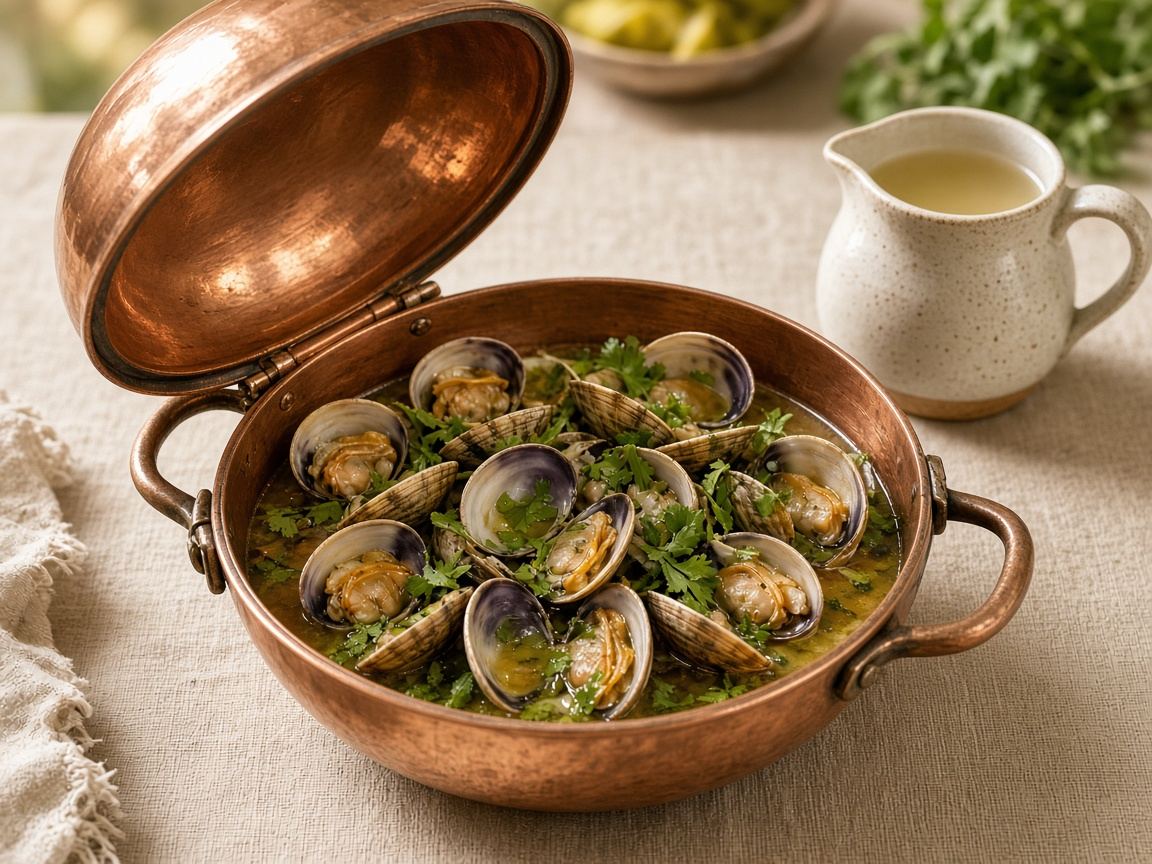
A copper clamshell: clams, pork, and coriander steam in their own liquor, and the lid is the serving dish.
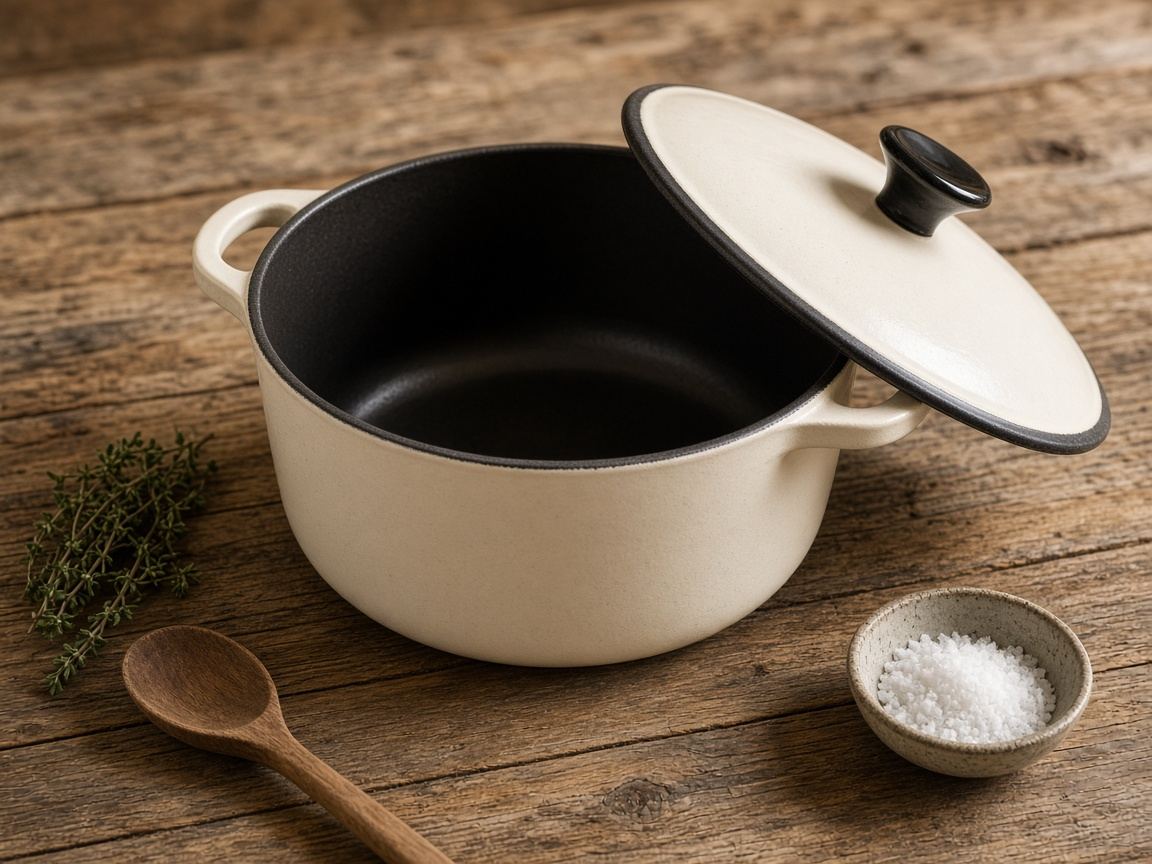
A heavy pot with a tight lid: the one the 30 books reach for when they do not name a country-specific hearth.
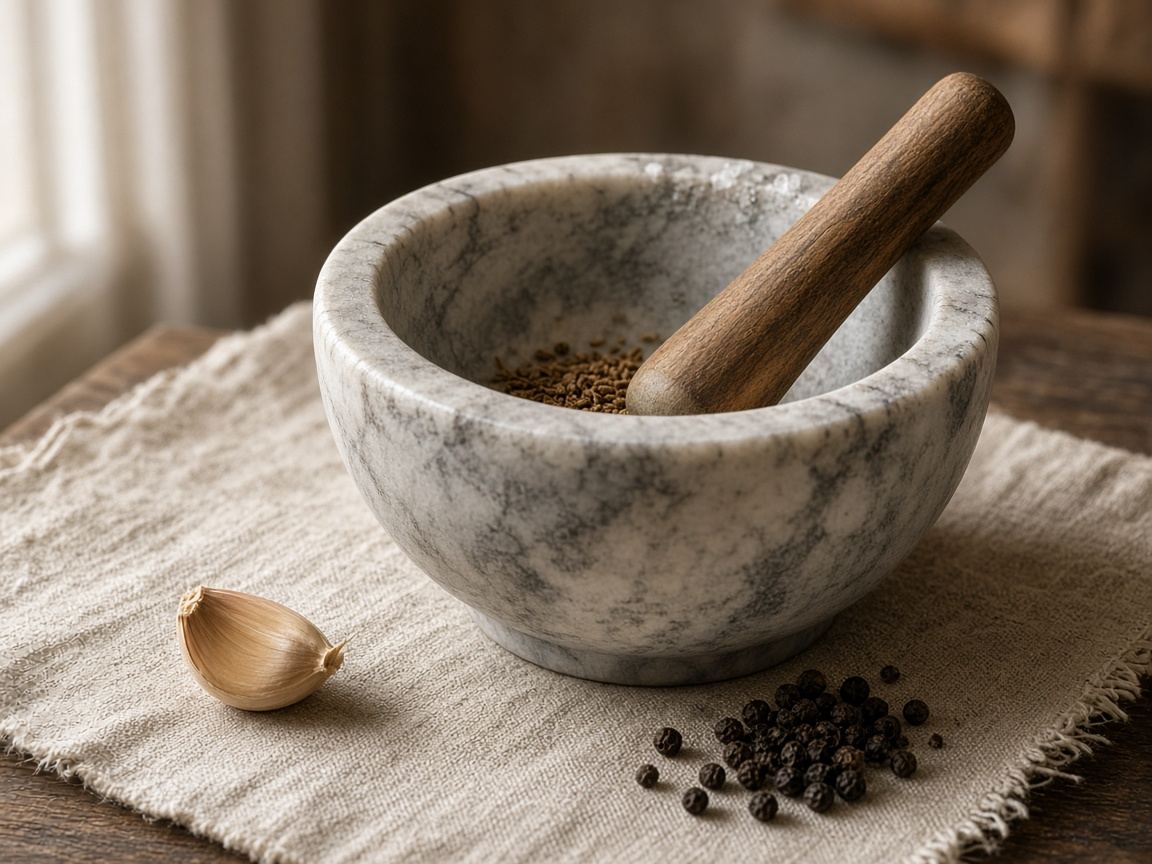
A bowl and a weight: salsa, pesto, and spice pastes that still taste of the stone they were born in.
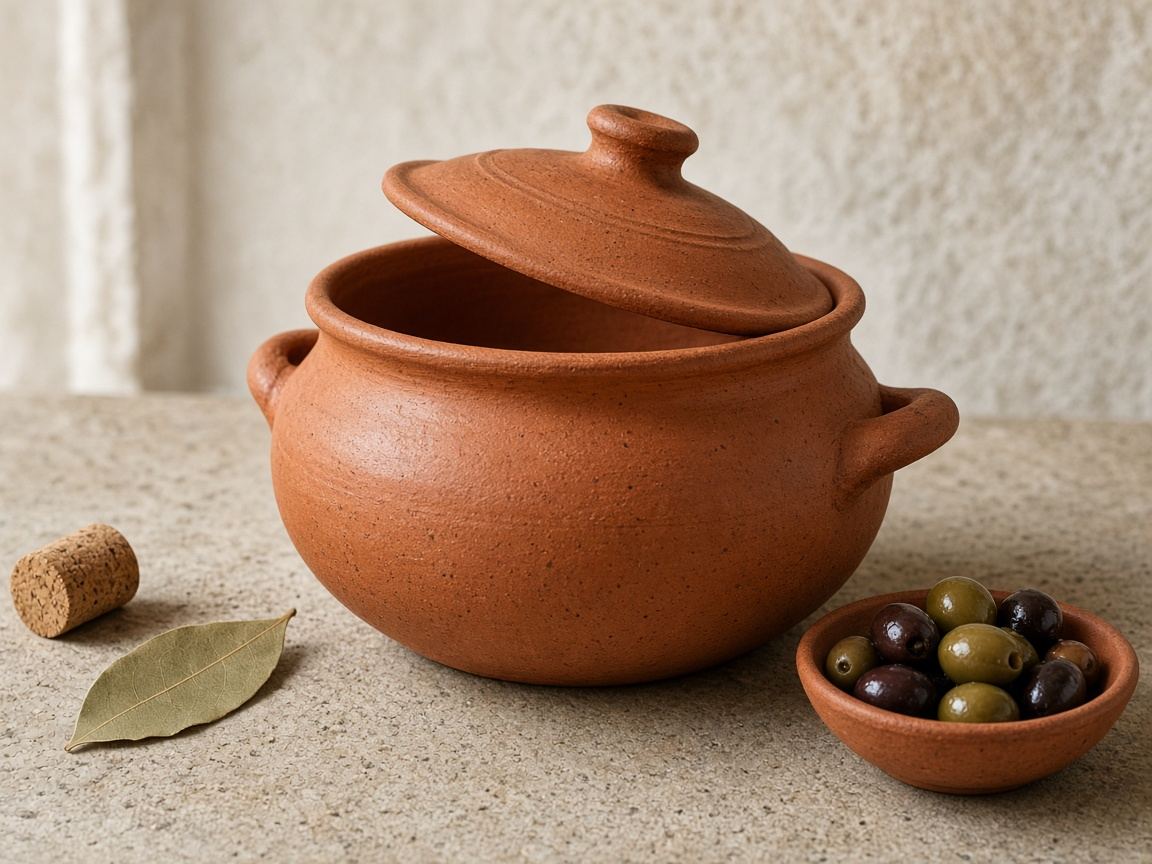
A Portuguese casserole, often earthenware: the pot for a refogado, a rice, and a stew that wants a wide quiet heat.
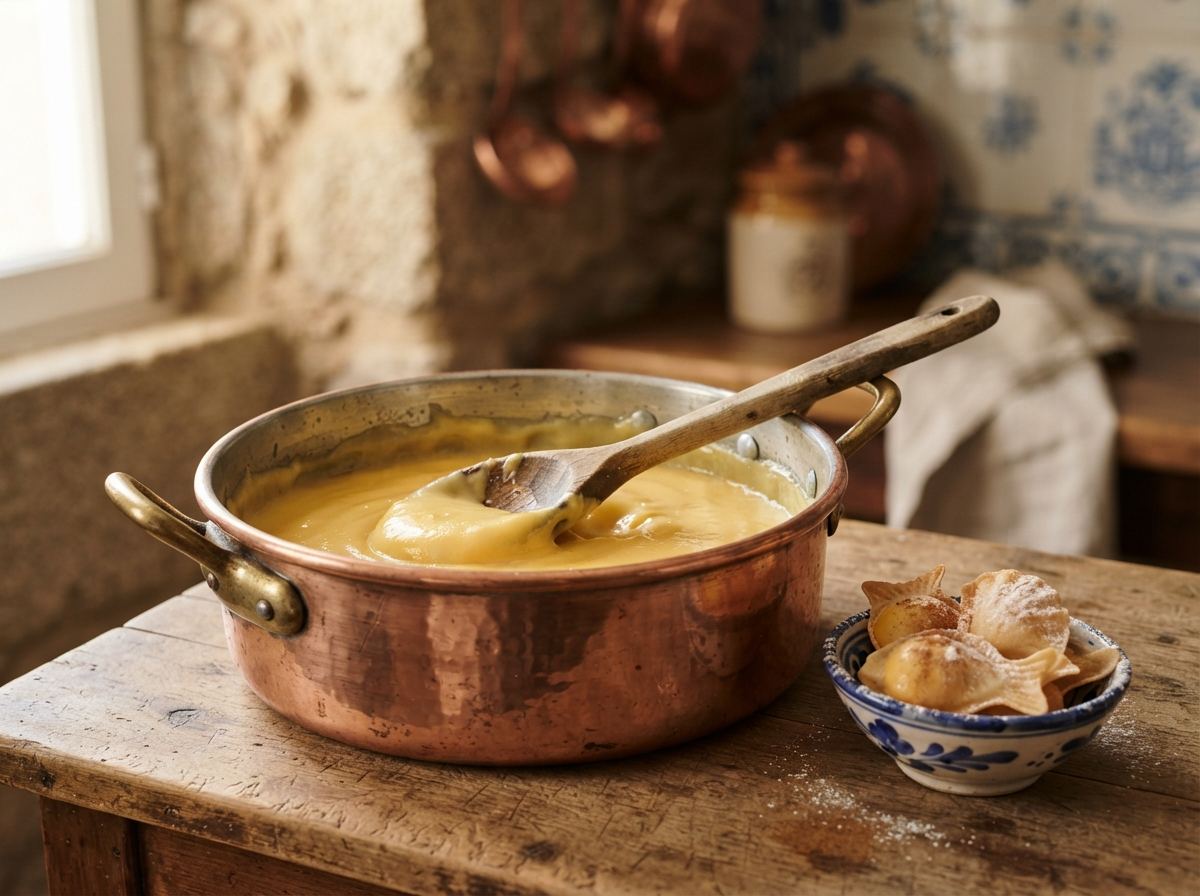
A wide copper or tin pot: sweets, seafood, and the Portuguese word for the pot you never lend.
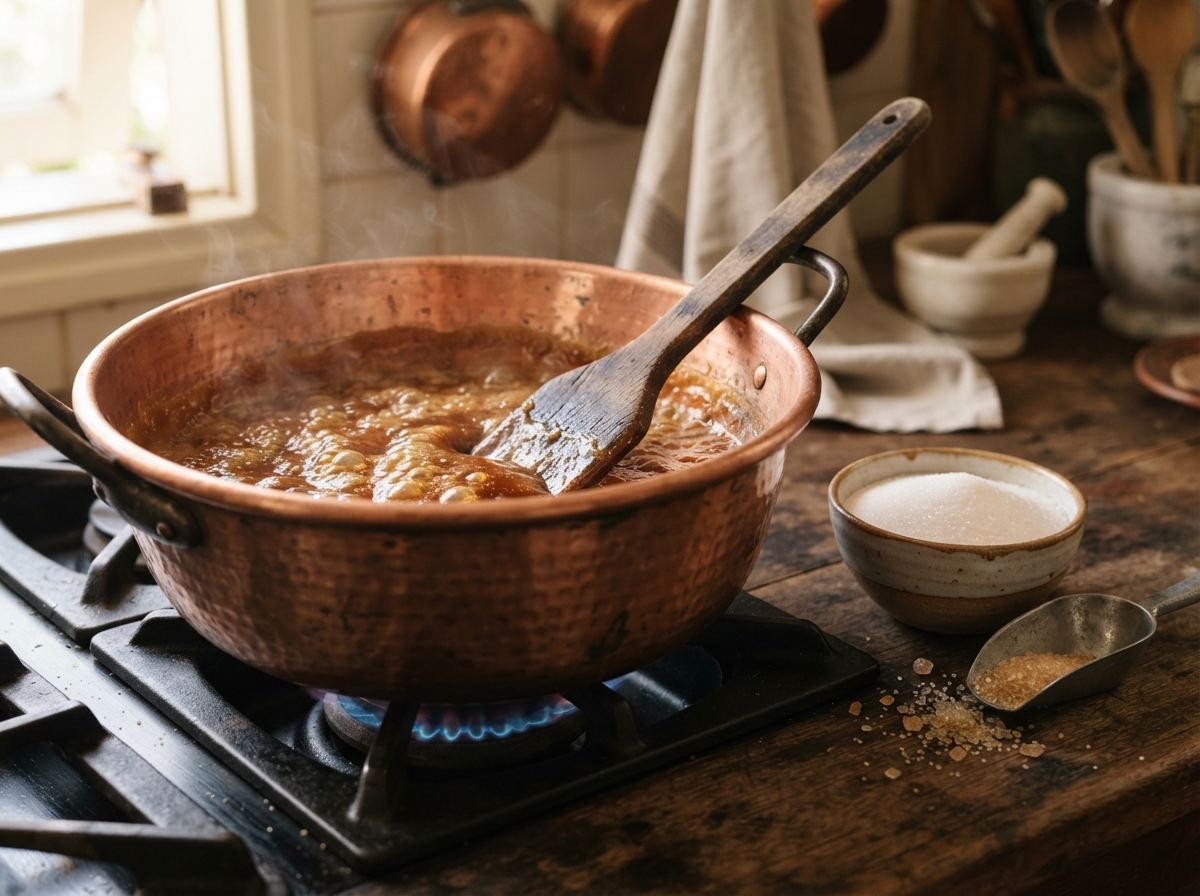
A wide copper preserving pan: doce de leite, fruit pastes, and Brazilian sweets that need an even blush of heat.
The spices, mixes, and hearths that belong to Portuguese cooking — then the people around them, and the kitchens still joining the table.
Open the Portuguese pantry Open Portuguese cookware The Portuguese table Host a Portuguese night Join the community