
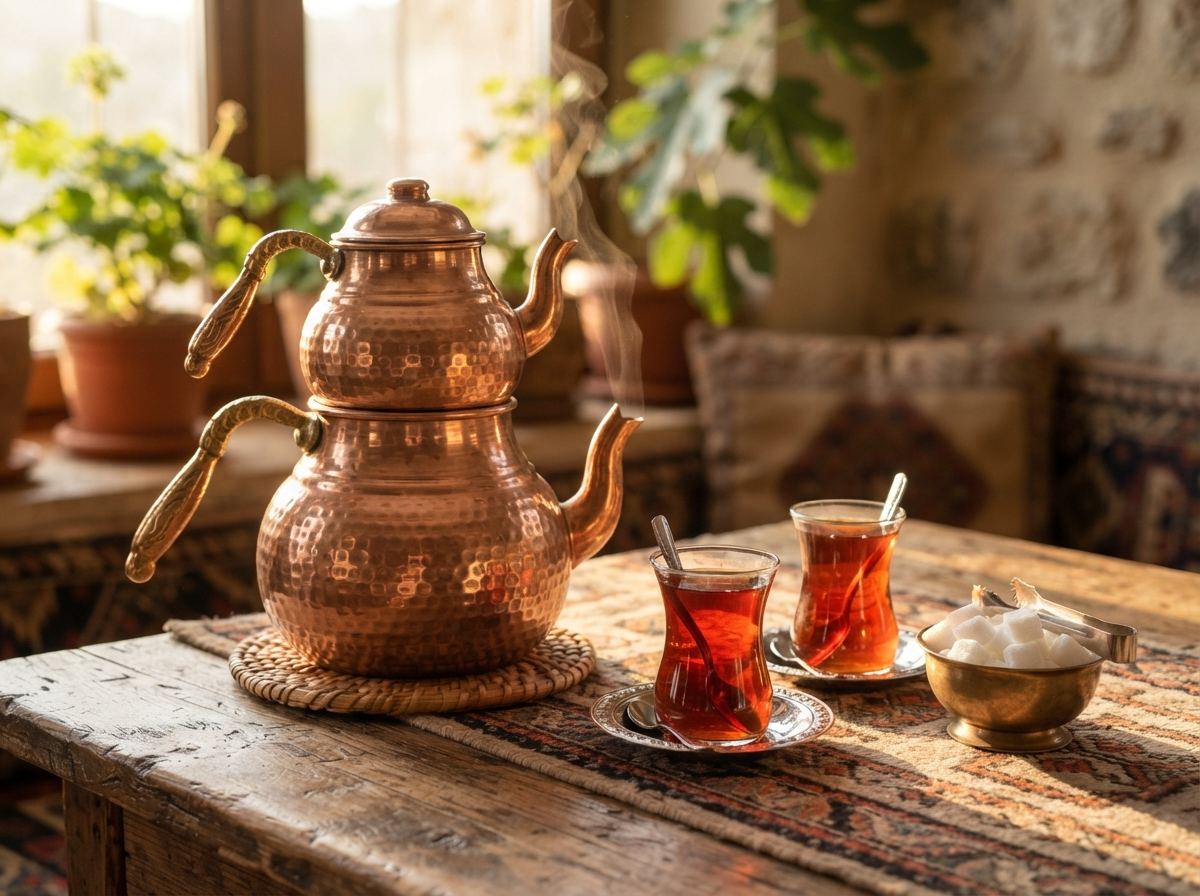
Çaydanlık
Stacked teapot. Breakfast tea is furniture.
A Turkish meal is either the grill or the breakfast pan — Adana is not menemen, and baklava waits for tea.
Adana kebap wants lavaş, grilled tomato and pepper, onion with sumac, and ayran. Menemen is a breakfast of eggs and pepper with ekmek. Lahmacun is a thin lunch you roll with parsley and lemon.
The inherited table is a mangal. The newer table is a weekday skillet of menemen.
Back to Turkish cooking · Host a Turkish night · Pantry · Cookware
Flatbread, grilled vegetables, sumac onion, a copper cup of ayran.
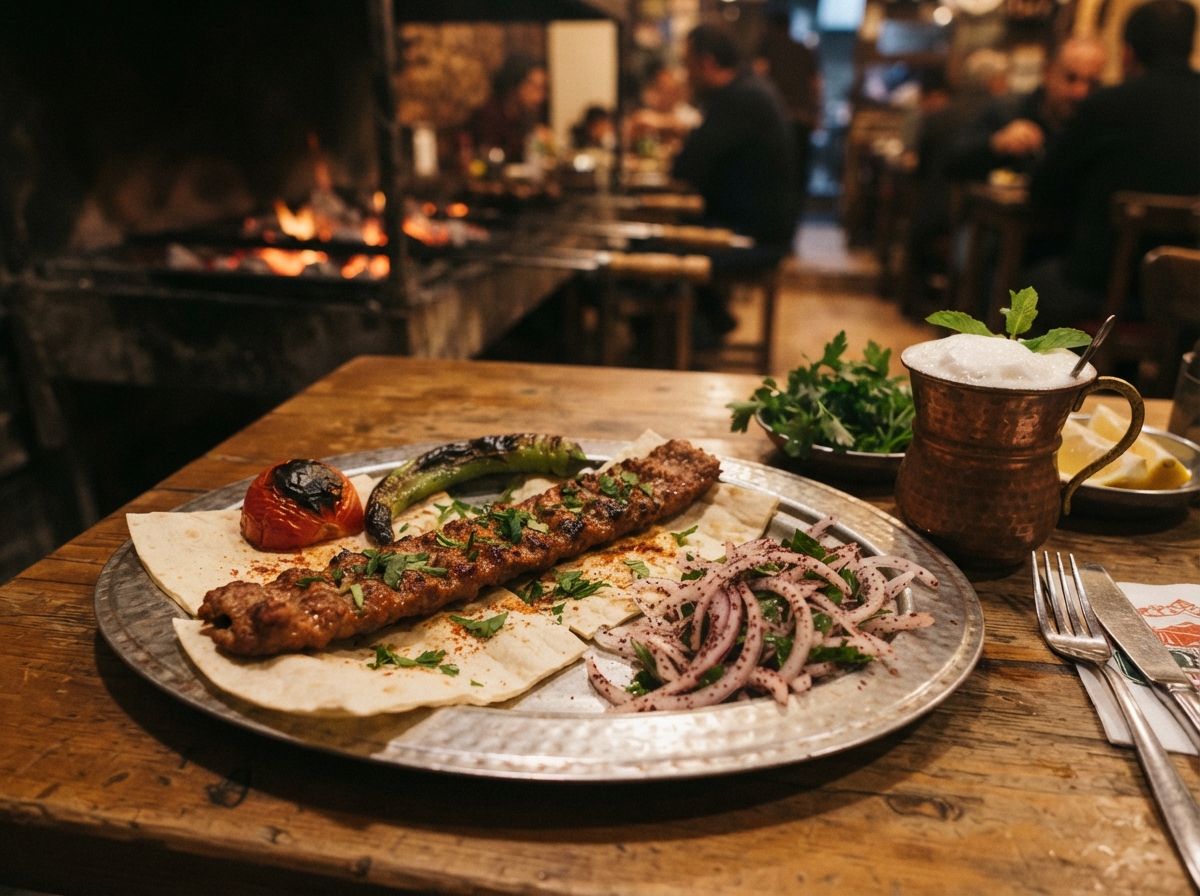
The inherited table smells like fat on coals. Adana is hand-minced, hot, on iron. Lavaş wraps the meat. Tomato and pepper from the same fire.
Leave the eggs for morning.
A skillet of eggs and pepper, tea glasses, bread.
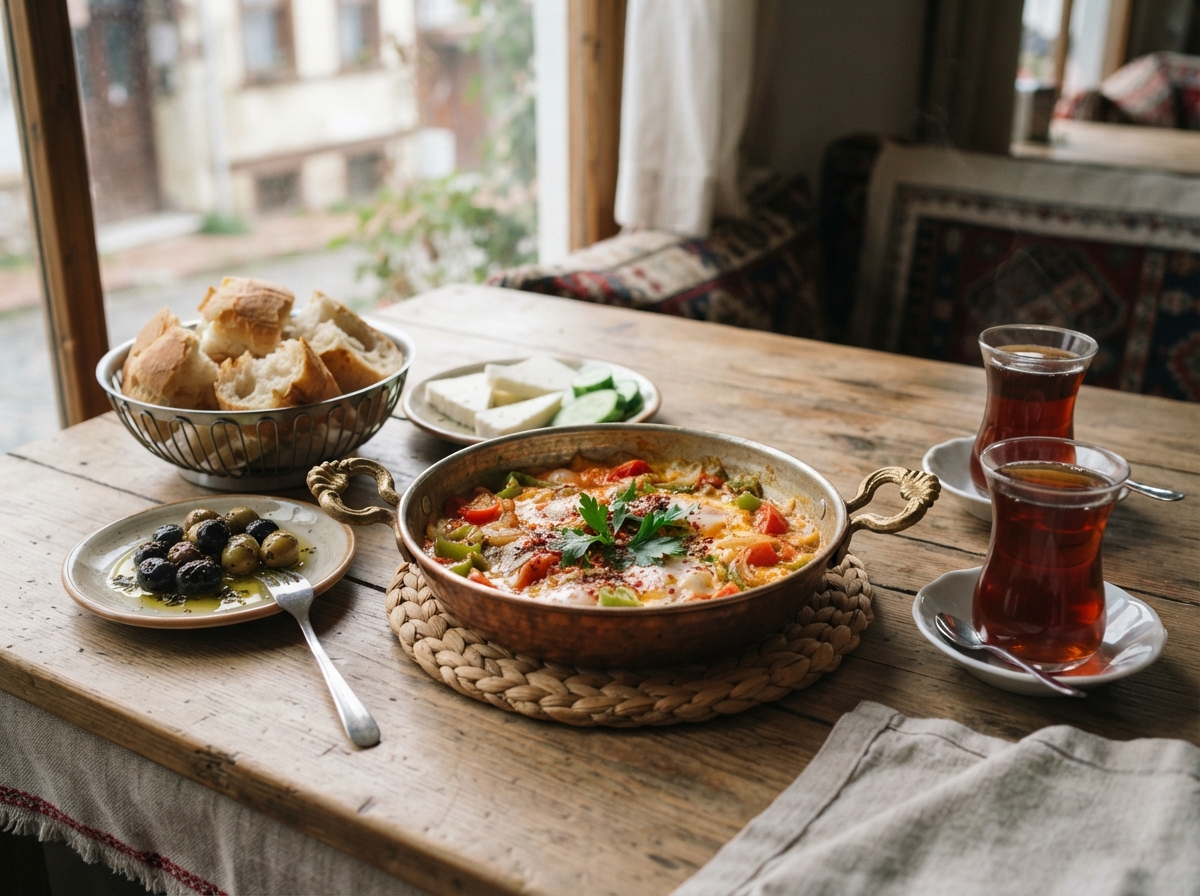
The newer table is breakfast: menemen still in the pan, ekmek, olives if you have them, tea.
No kebap leftovers as a second main.
Grill with lavaş and ayran, or eggs with ekmek. Pastry with tea, later.
Kebap is eaten with bread used as a mitt, not with a second main of eggs. Ayran or şalgam is the drink. Salad of onion and sumac.
Menemen is breakfast or a light supper. Bread to scoop. Tea. Not a starter for Adana.
Baklava is a pastry with tea or coffee, often another sitting. Do not plate it as a side on the kebap platter.
Objects you can read about here, then find on Amazon — search links, not a single SKU that goes stale.
Stacked teapot. Breakfast tea is furniture.
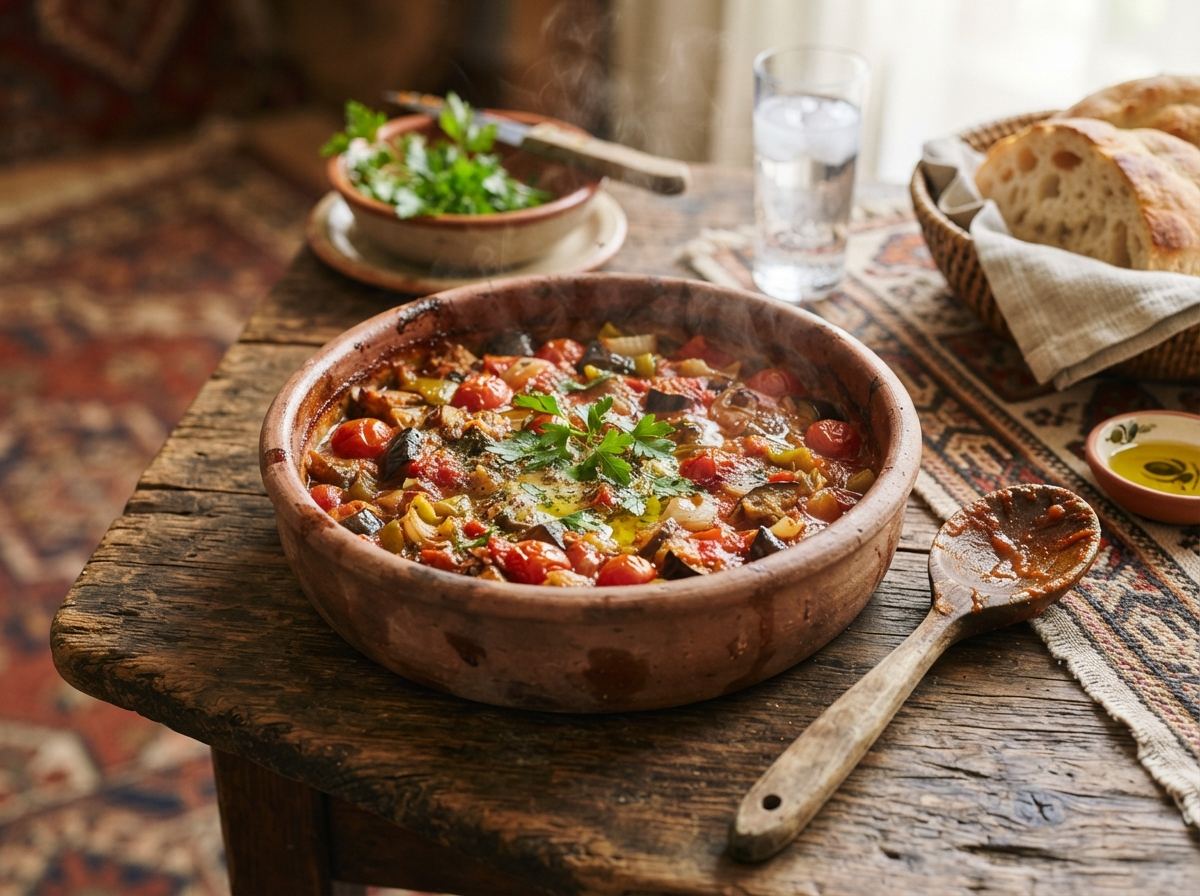
Clay for a different stew night.
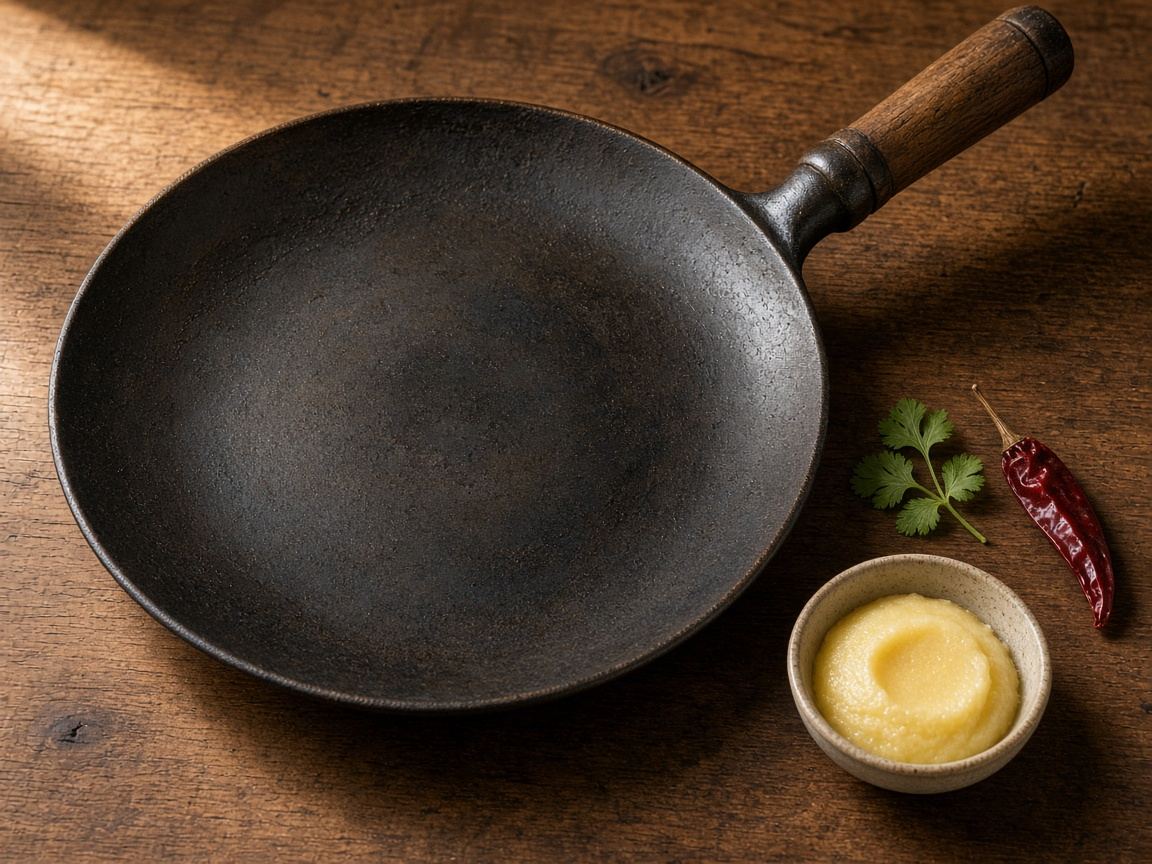
A wide pan for lahmacun or bread.
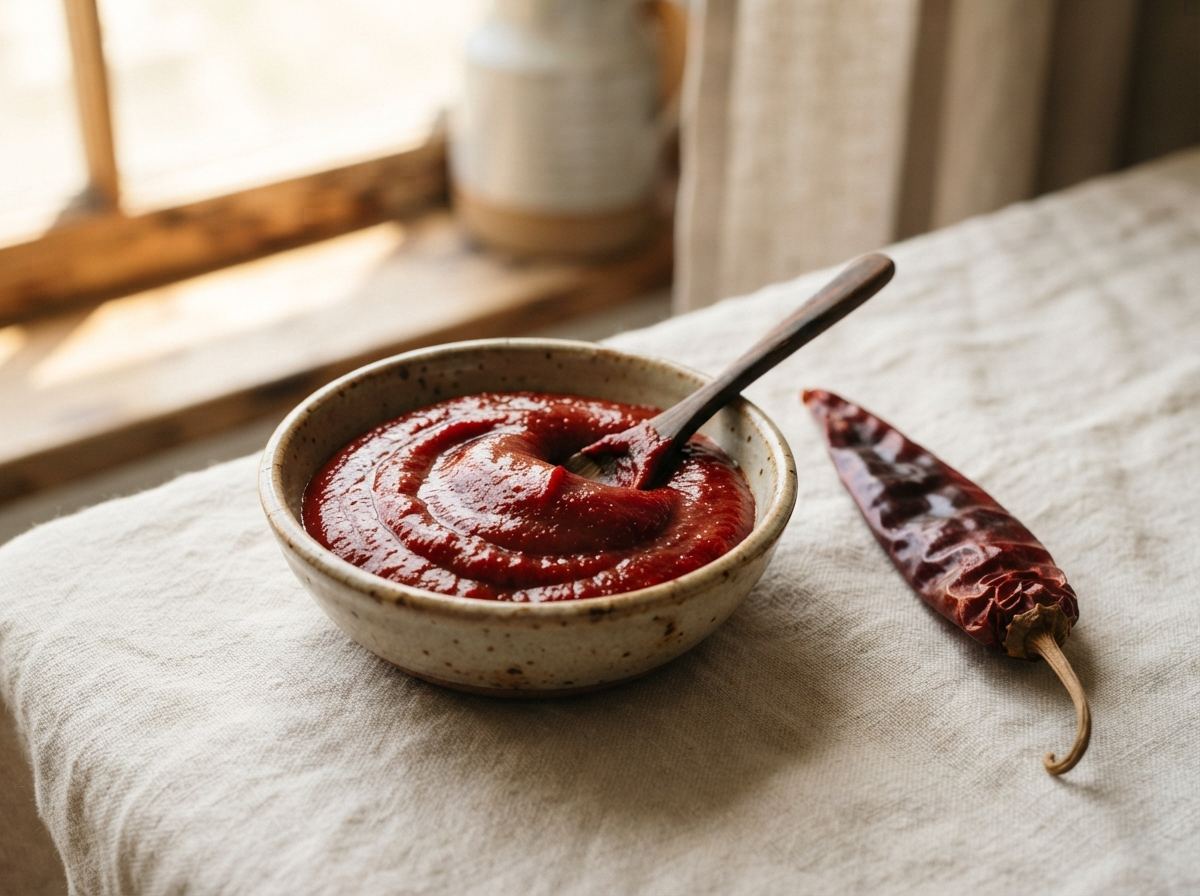
Biber salçası in the menemen and the marinade.
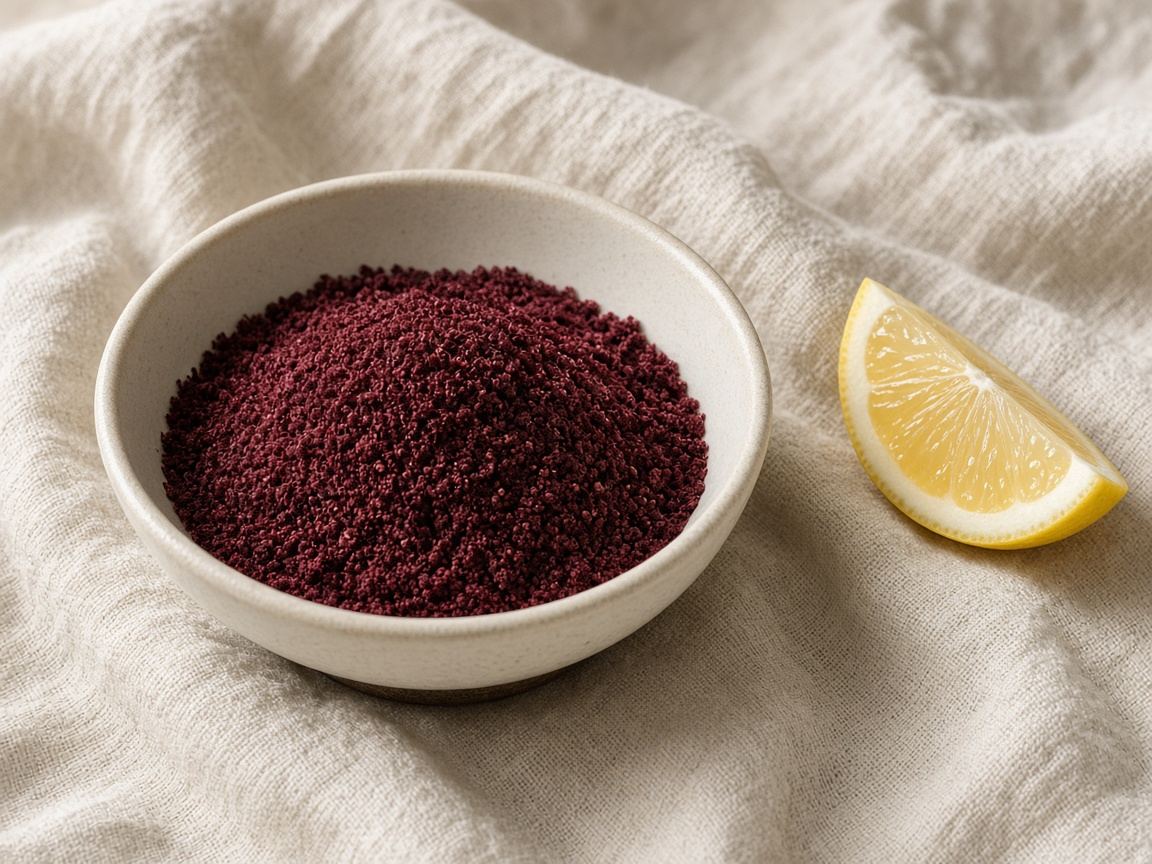
On the onion salad.
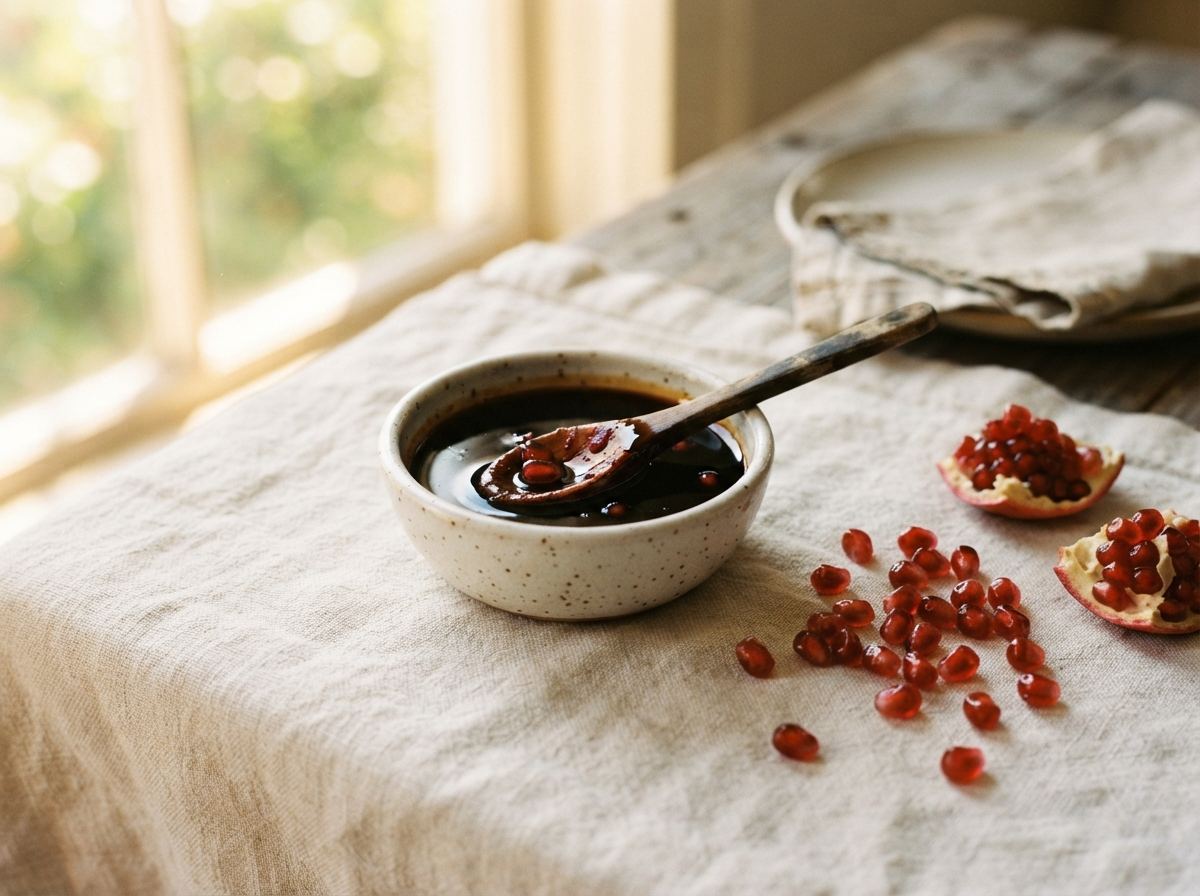
A sour drizzle on salad, not on the Adana.
The spices, mixes, and hearths that belong to Turkish cooking — then the people around them, and the kitchens still joining the table.
Open the Turkish pantry Open Turkish cookware The Turkish table Host a Turkish night Join the community