
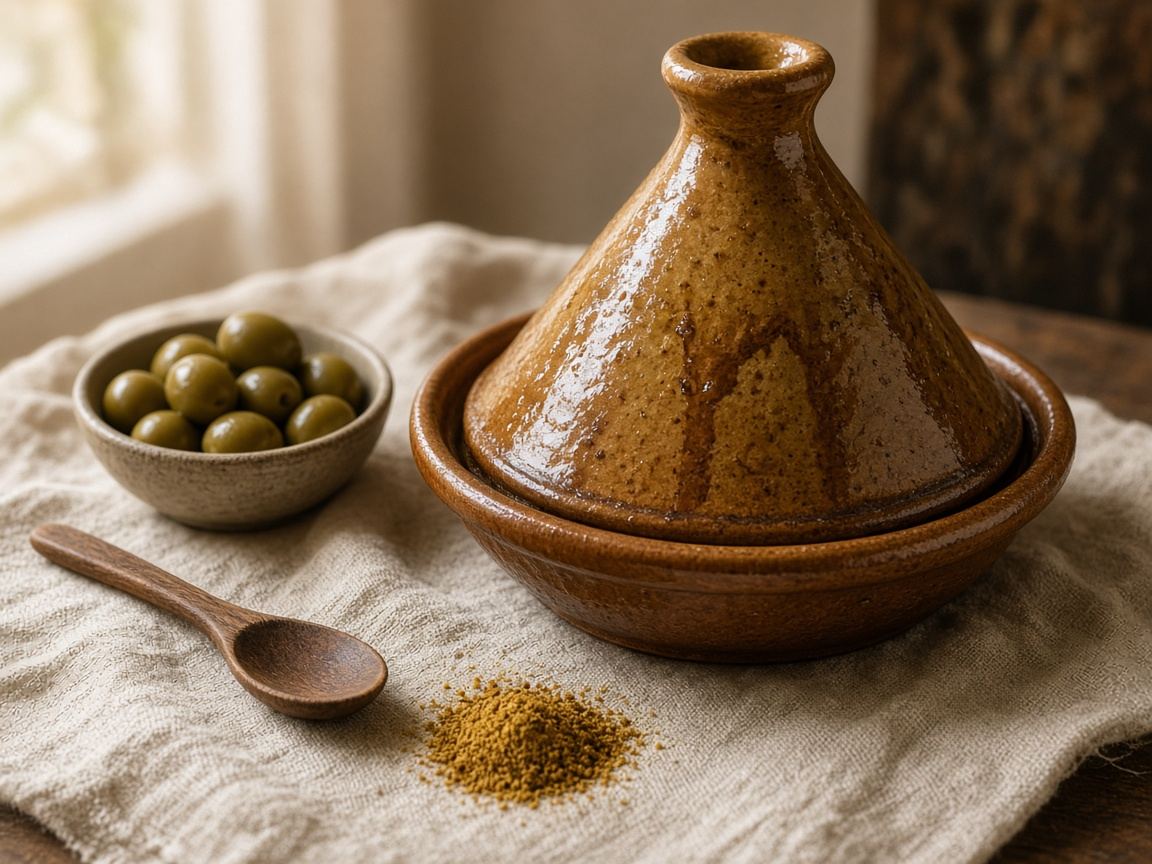
Tagine
The pot that is also the serving dish. Season clay, keep the flame low, do not peek.
A Moroccan meal is a circle, a pot in the middle, and tea that outlasts the food.
The recipes tell you what goes in the pot. The table tells you how a room becomes a meal: who sits on the floor cloth, who pours, when bread becomes a utensil, and why the tea tray arrives before anyone is allowed to leave.
Two settings are honest. The courtyard table that the book remembers, and the Tuesday table a cook actually sets in an apartment — same hospitality, fewer vessels, the tagine still in the center.
Back to Moroccan cooking · Host a Moroccan night · Pantry · Cookware
A low circle, a cone in the middle, tea glasses waiting their turn.
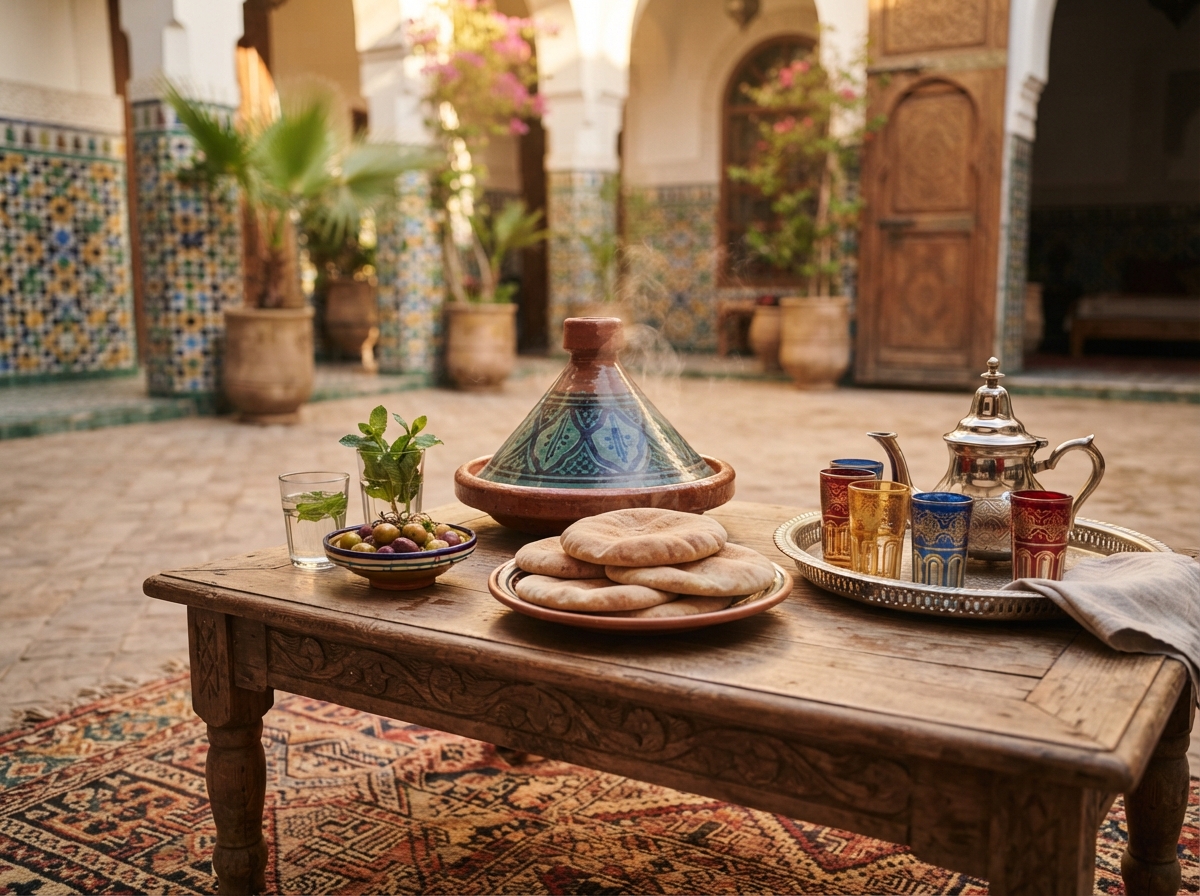
The inherited table is close to the ground. A cloth or a carved tray sits in the courtyard or the largest room. Cushions, not dining chairs. The tagine stays lidded until it is time; lifting it is the announcement. Bread is stacked, olives in a small dish, a cruet of oil, mint in a glass of water like a bouquet.
Nobody plates in the kitchen. The pot is the serving dish. Guests lean in. The host keeps the best pieces moving toward the guest, and pours tea after the last scoop of sauce has been wiped with bread. The berrad stays on its tray. Glasses are small on purpose — you refill, you do not nurse.
An apartment, two plates if you must, the same pot in the center.
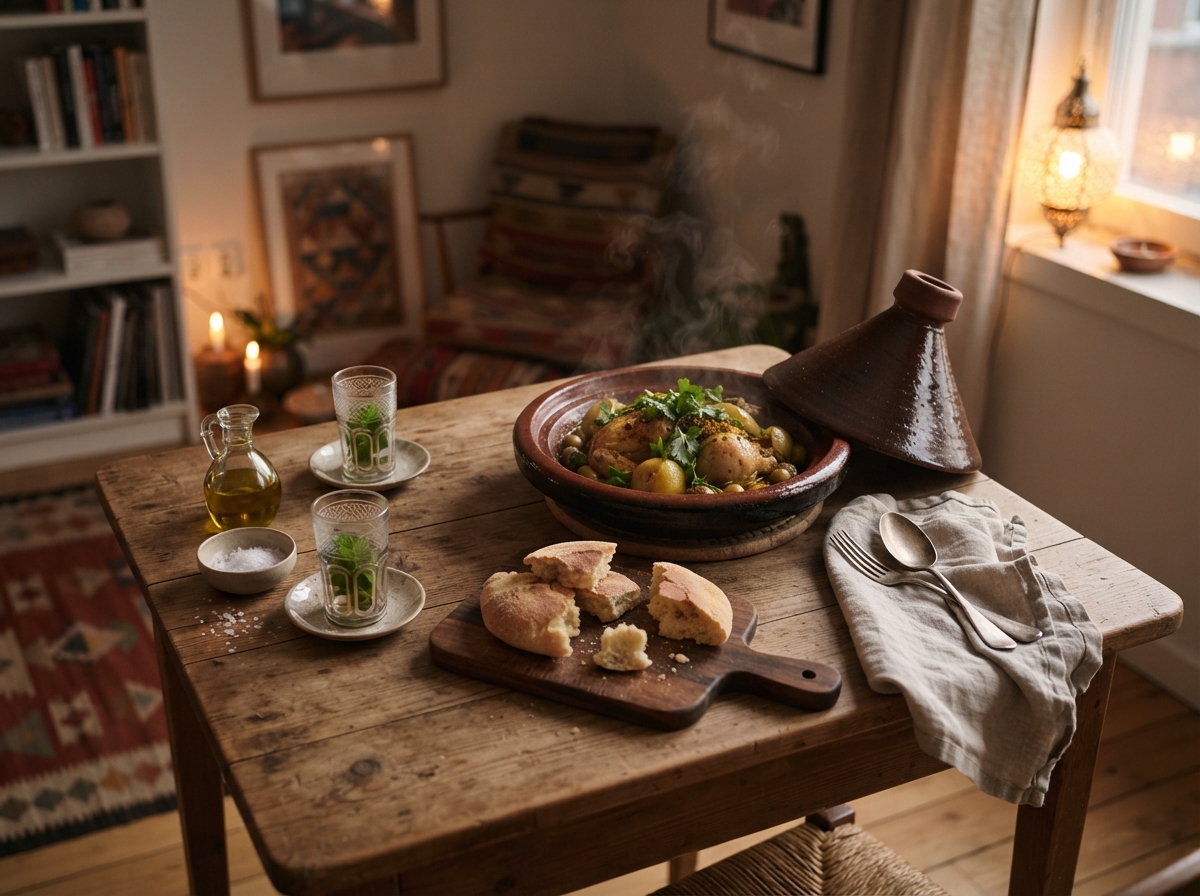
The newer table has chairs and a weekday clock. There may be only two people. There is still a tagine, or a Dutch oven pretending to be one. Salad can be a bowl of tomatoes and cumin. Tea might be poured from a kettle if the berrad is still on the wish list — the height of the pour matters more than the metal.
What you keep from the courtyard is the middle of the table. Do not plate in the kitchen and carry two composed dinners in. Set the pot down. Tear the bread. Leave the tea tray out so the meal has an ending. That is a Moroccan Tuesday, not a restaurant copy.
One shared dish. The sides change with the meal — bread for a tagine, marka for couscous, lemon for harira.
One main dish sits in the middle. People eat from the wedge in front of them, not by loading a private plate. The right hand does the work; the left stays off the shared dish. What sits beside that dish depends on the meal — couscous, tagine, and harira are three different tables, not one pile.
A tagine wants khobz. Bread is the utensil: tear, scoop the sauce, claim the section in front of you. Small salads — zaalouk, taktouka, olives — can sit around the cone. Mint tea comes after the pot is wiped, not during.
Friday couscous is the grain, not a side. The mound arrives on a gsaa or kasriya: meat in the center, seven vegetables around it, chickpeas on top. Marka — the cooking broth — is poured at the table from small bowls. Lben, a thin buttermilk, is the drink. You eat with a spoon or roll a ball in the right hand. Bread is not the pairing; harira is another meal.
Harira has its own cloth: dates and water first if it is iftar, then the soup with lemon, chebakia, a cumin egg, and bread to dunk. No couscous platter. No tagine in the same course.
Objects you can read about here, then find on Amazon — search links, not a single SKU that goes stale.
The pot that is also the serving dish. Season clay, keep the flame low, do not peek.
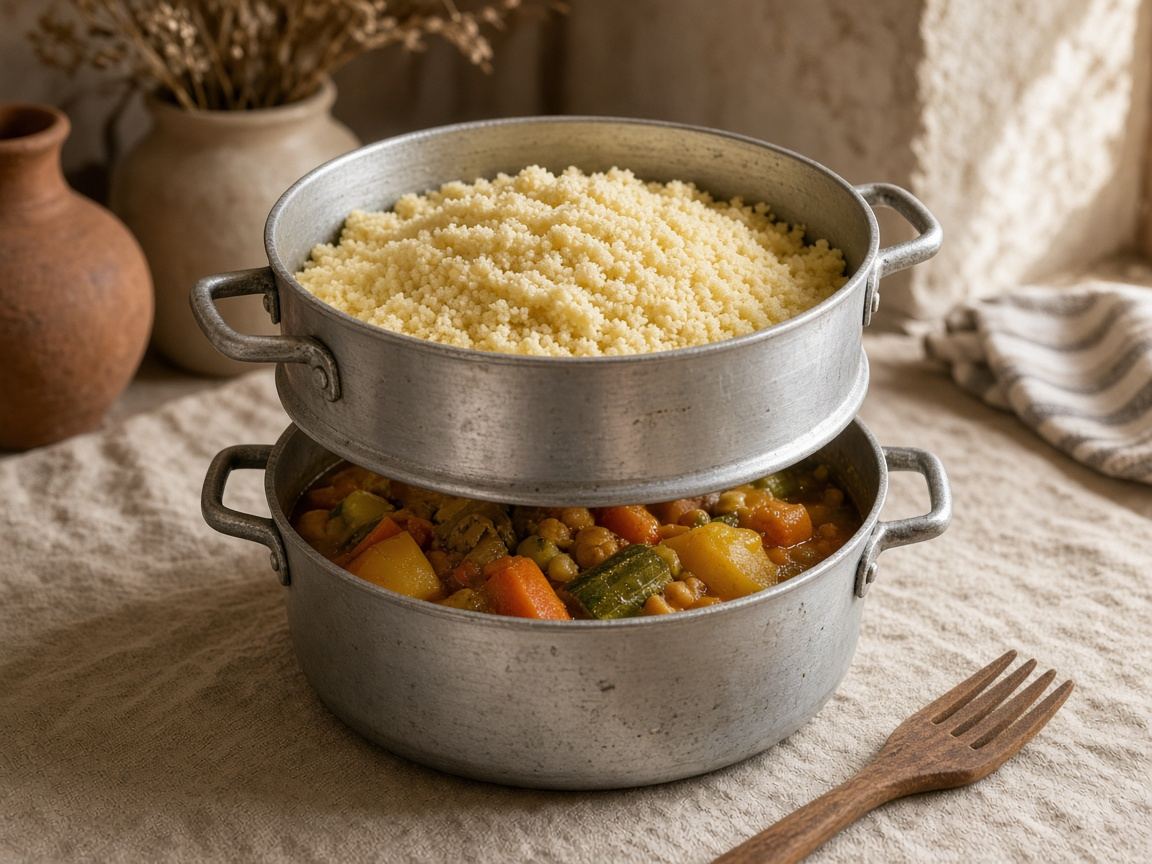
Friday's column of steam: stew below, semolina above, raked between passes.
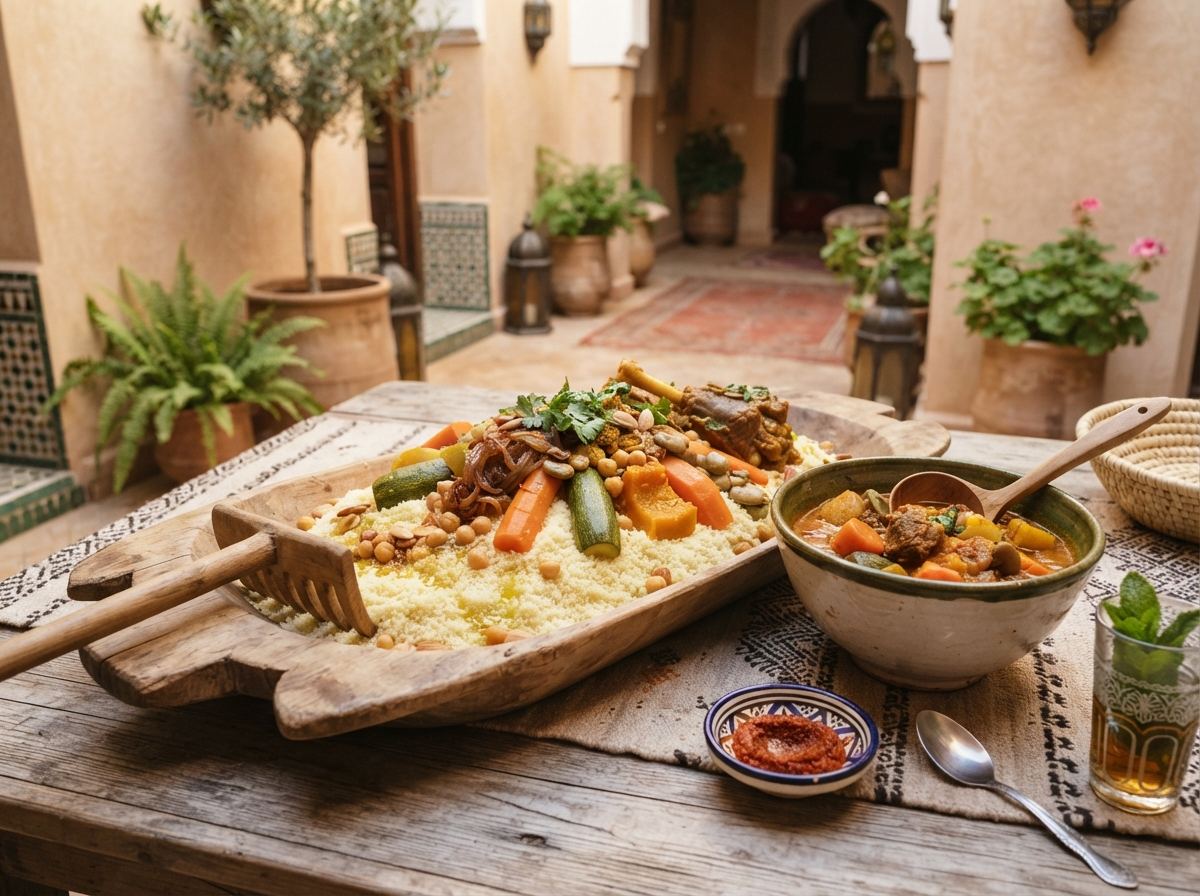
The wide wooden platter where couscous is fluffed and then eaten from.
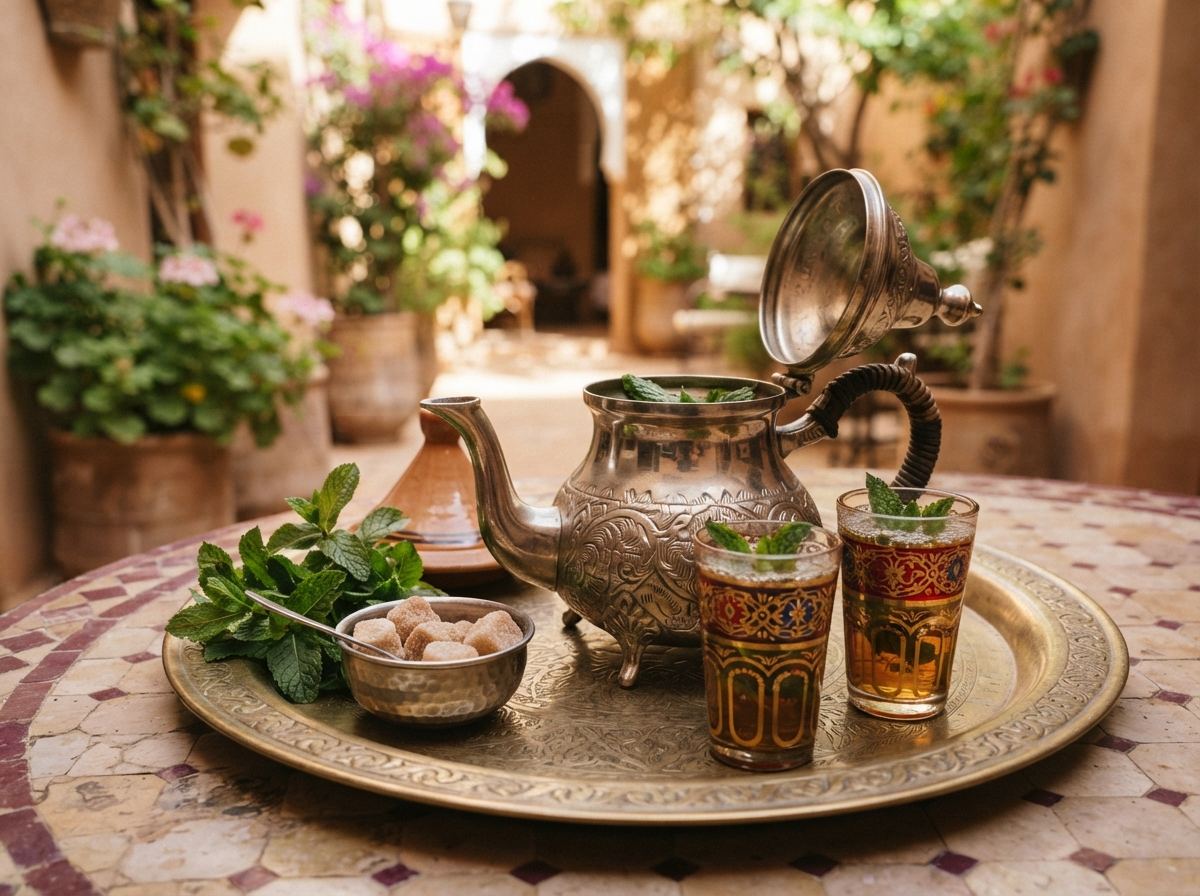
Mint tea is furniture. The long spout is how the glass gets its foam.
Small on purpose. You refill. Colored glass or plain — what matters is the set on a tray.
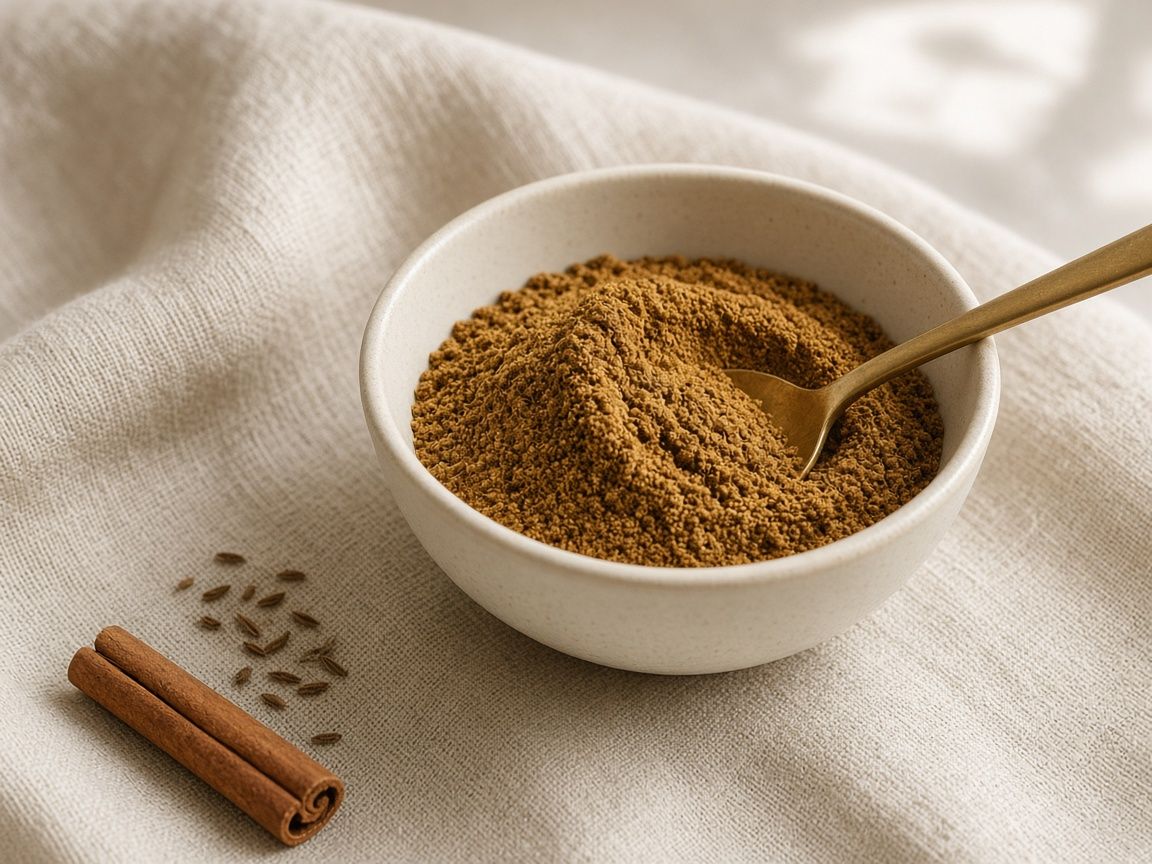
The house blend on the table as often as in the pot — a pinch over couscous.
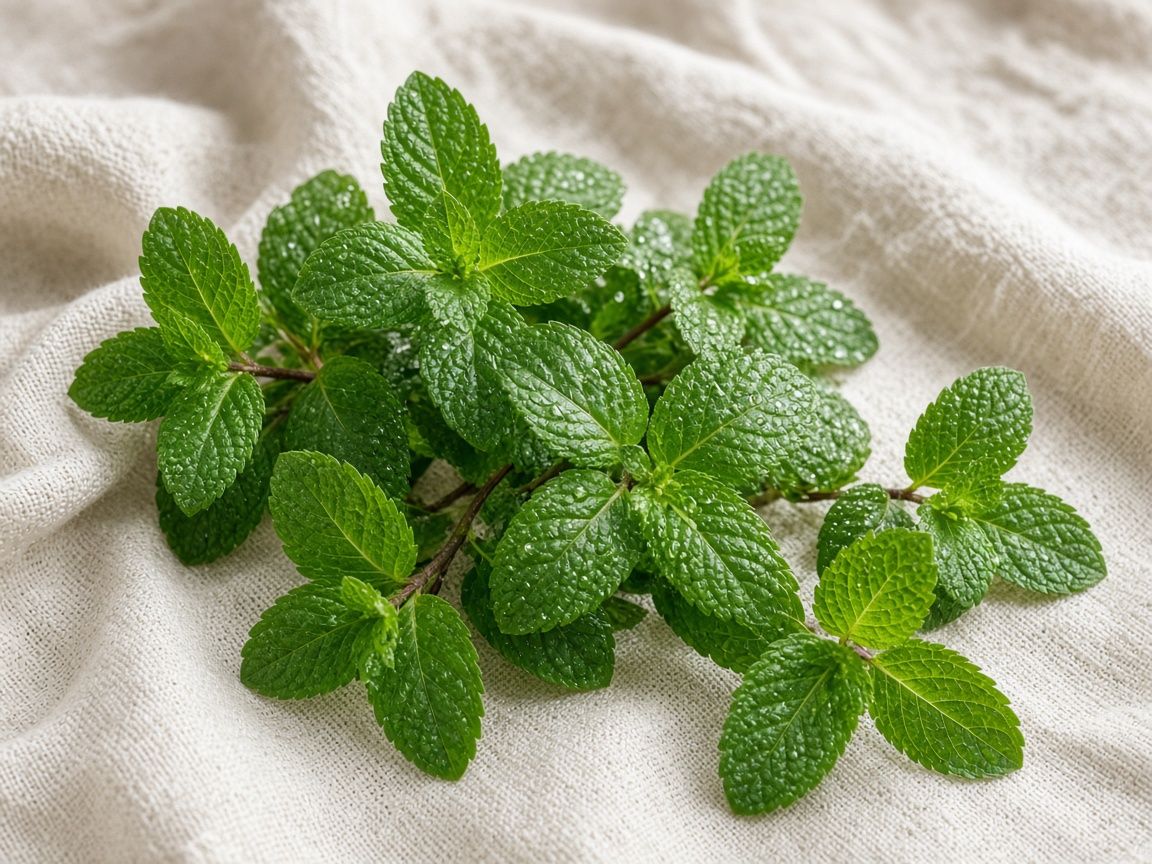
A fist in the berrad, a bunch in water on the cloth. Spearmint, not peppermint.
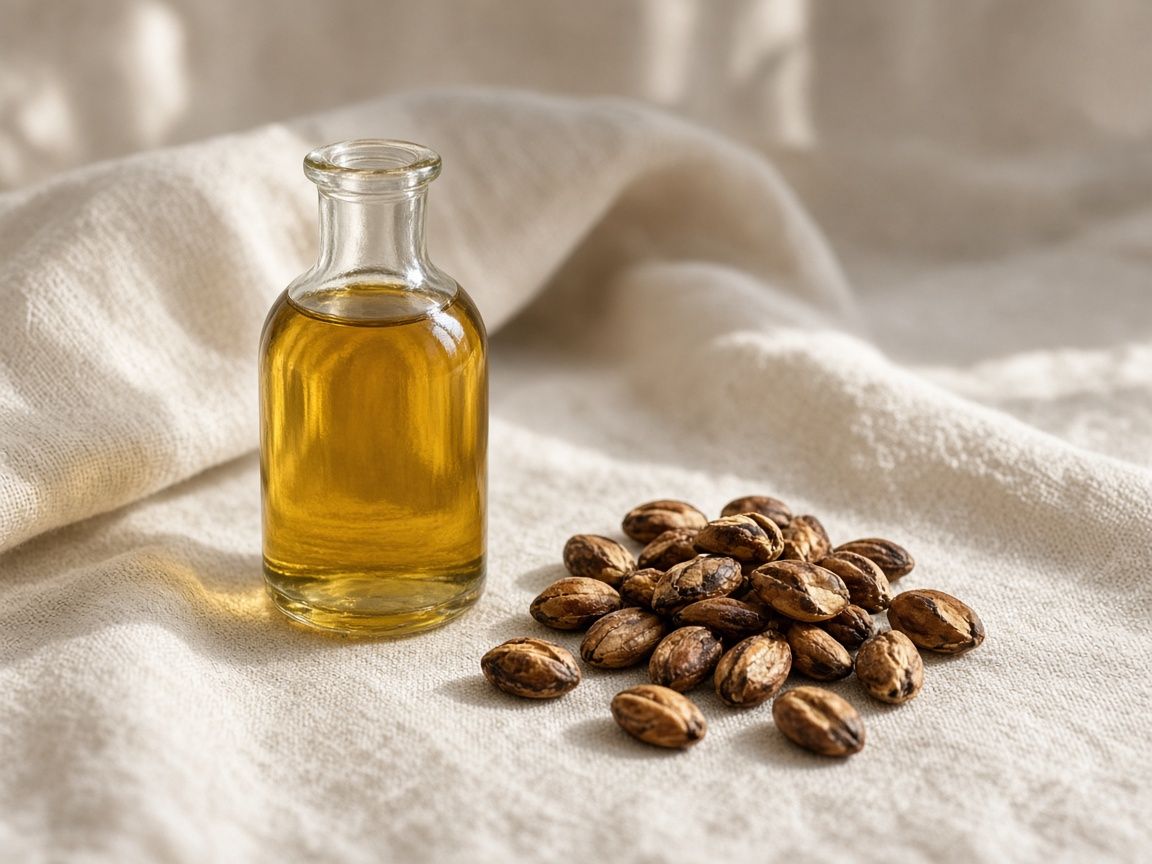
A few drops on couscous or warm bread. Culinary argan, not the cosmetic bottle.
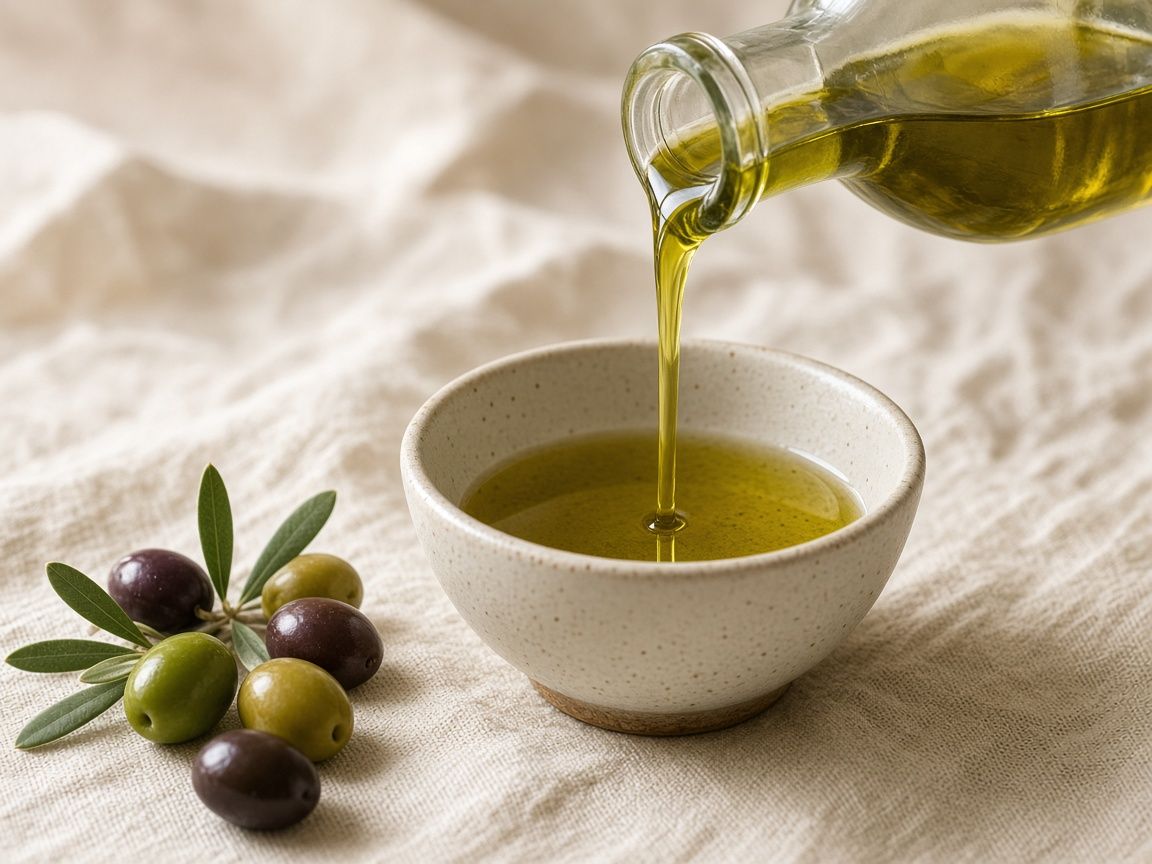
The everyday fat. A cruet belongs on both tables, courtyard and Tuesday.

A drop in a salad, a pastry, or a glass of water for guests.
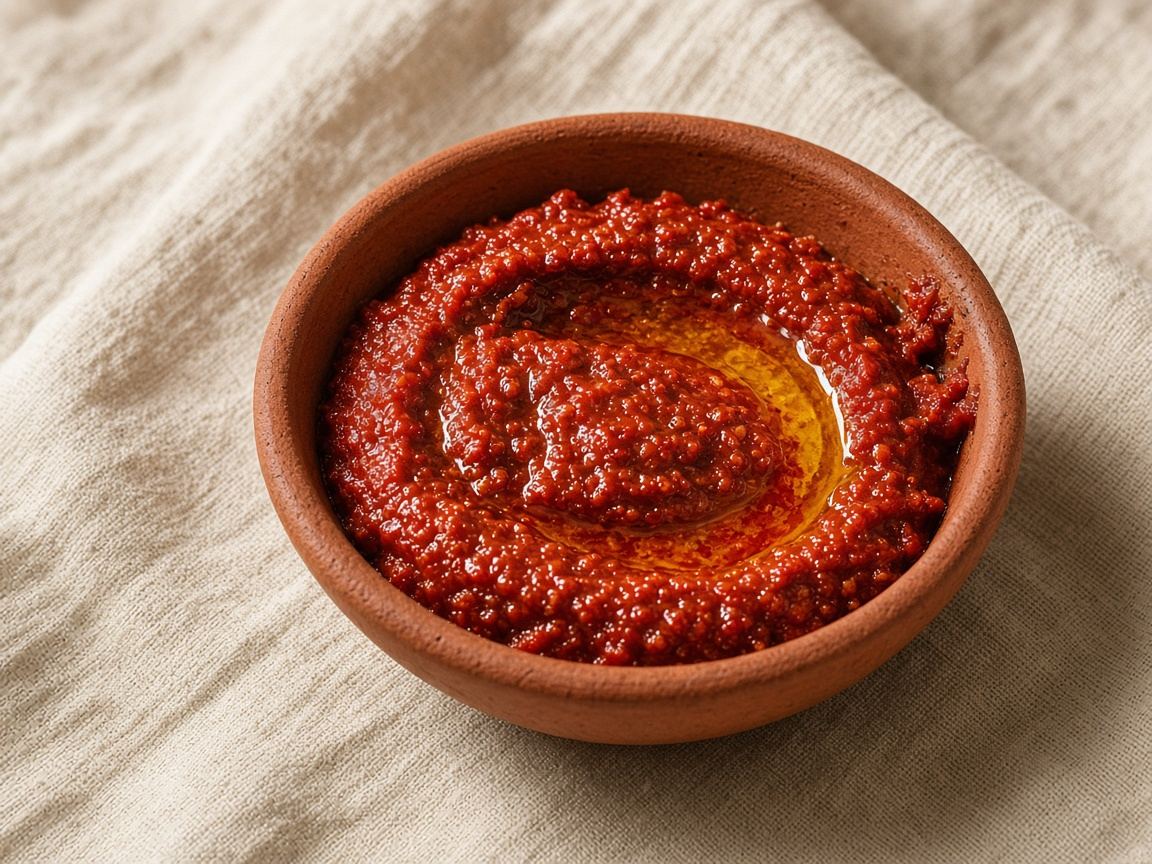
On the side, not in every pot. Guests add heat themselves.
The spices, mixes, and hearths that belong to Moroccan cooking — then the people around them, and the kitchens still joining the table.
Open the Moroccan pantry Open Moroccan cookware The Moroccan table Host a Moroccan night Join the community